
If you own a 2024 Toyota Corolla and you're looking up the oil capacity, there's a good chance you're about to change the oil yourself or double-check what a shop told you. That's smart. Getting this wrong — even by half a quart or the wrong viscosity — can lead to costly engine trouble down the road.
The short answer is that the 2024 Toyota Corolla's oil capacity depends entirely on which engine is under the hood, and there are two very different setups to know about.
Manufacturer specifications indicate the gasoline 2.0L model holds about 4.4 quarts with a filter change, while the hybrid's 1.8L engine takes roughly 3.9 quarts. But that's just the headline number. As of 2026, these cars are still relatively new on the road, and many owners are hitting their first or second DIY oil change.
We'll walk through exactly what you need, how to do it safely, and the common pitfalls that can turn a simple job into an expensive repair.
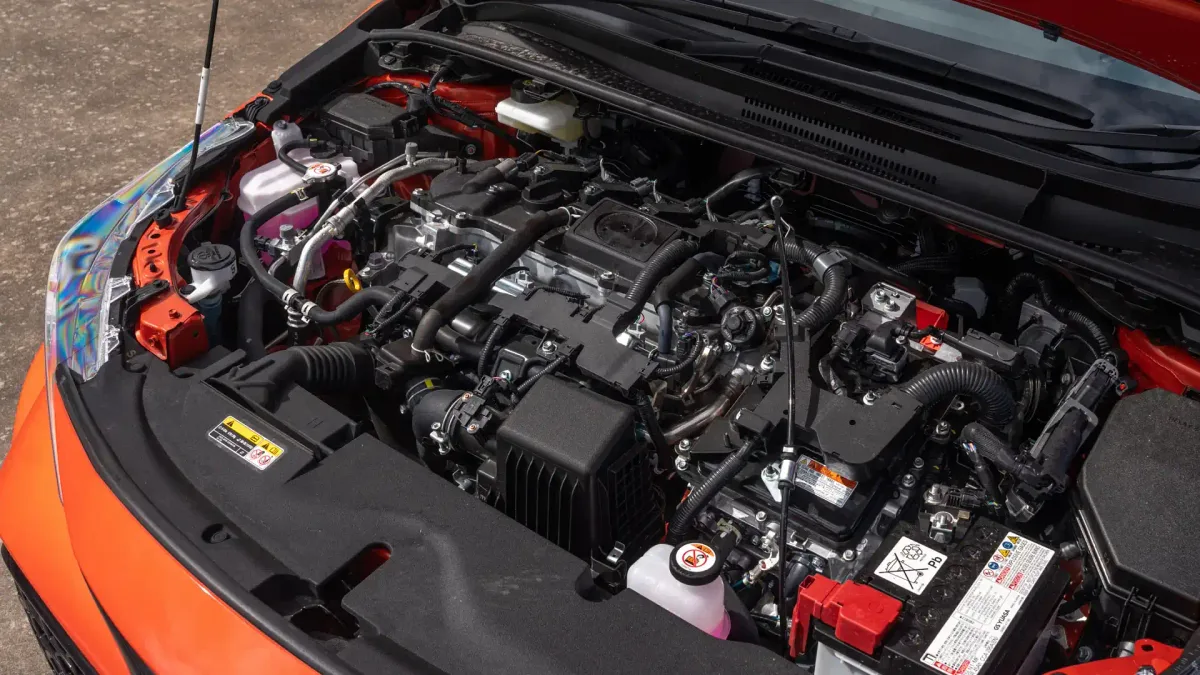
Image source: Bing (Web (fair-use with source credit))
Quick Answer
The 2024 Toyota Corolla holds 4.4 quarts with a filter for the 2.0L engine. The hybrid model holds 3.9 quarts with a filter. Both require 0W-16 full synthetic oil meeting API SP or ILSAC GF-6 standards.
Use these exact numbers. Do not guess.
Why Getting the Oil Capacity Right Matters for Your 2024 Corolla
Oil is the lifeblood of any modern engine, and the 2024 Corolla's powertrain is designed with tight tolerances. The M20A-FKS 2.0L engine in the gasoline model and the 2ZR-FAE 1.8L in the hybrid both rely on precisely the right oil volume to maintain proper lubrication, cooling, and hydraulic pressure for variable valve timing systems.
Too little oil and you risk metal-on-metal contact, overheating, and eventual seizure. Too much oil and the crankshaft can whip the extra volume into foam, which means air bubbles get pumped through the system instead of lubricant. Both scenarios cause premature wear that no warranty claim will cover if a technician finds an incorrect oil level during inspection.
There's also the question of warranty compliance. Toyota's factory maintenance schedule expects owners to use the specified oil type and capacity. If you overfill or underfill and a related failure occurs, the repair bill lands on you.
Keeping the correct fluid level is a simple way to protect both your engine and your wallet.
The Quick Answer: Oil Capacity for 2024 Toyota Corolla Models
Let's cut straight to the numbers. The 2024 Corolla comes in two distinct engine configurations, and each has a different oil capacity. Here's the breakdown:
| Model | Engine Code | Displacement | Oil Capacity (with filter) | Recommended Oil |
|---|---|---|---|---|
| Gasoline | M20A-FKS | 2.0L | 4.4 quarts (4.2 liters) | 0W-16 full synthetic |
| Hybrid | 2ZR-FAE | 1.8L | 3.9 quarts (3.7 liters) | 0W-16 full synthetic |
Those are the dry fill numbers you'll see in the owner's manual. In practice, a standard oil change where you drain the old oil and replace the filter will take very close to these figures. Always start with the lower end of the range, check the dipstick, and add more in small increments if needed.
A quick note on measurement. Use a clean quart bottle or a graduated container. Don't trust the markings on a random jug from the garage.
Precision matters here more than you might think.
Key Specs: Two Engines, Two Different Numbers
M20A-FKS 2.0L (Gasoline Model)
This is the engine found in the standard 2024 Corolla sedan and hatchback. It's a 2.0-liter four-cylinder with Toyota's Dynamic Force technology, designed for high thermal efficiency and smooth power delivery. The oil pan holds a bit more than the hybrid's because of the different block design and oil routing paths.
When you're doing an oil change on this engine, expect to buy a 5-quart jug of 0W-16. You'll use most of it. Pour in roughly 4 quarts to start, then check the dipstick before adding the remaining quarter quart.
The difference between "low" and "full" on the dipstick is usually about one quart, so a little goes a long way.
2ZR-FAE 1.8L (Hybrid Model)
The hybrid powertrain uses a smaller 1.8-liter four-cylinder paired with an electric motor. The engine itself is derived from an older family of Toyota engines, but it's been refined for hybrid duty. The oil capacity is lower because the engine block is physically smaller and the oil pan has a different shape to accommodate the hybrid system components.
With the hybrid, you're looking at about 3.9 quarts. A 5-quart jug still works — you'll have roughly a quart left over for topping off between changes. Pour in 3.5 quarts, check the level, and add the rest slowly until you hit the full mark.
One important detail: the hybrid's oil filter is in the same general location as the gasoline model, but the part numbers differ. Make sure you're using the correct filter for your specific engine. A wrong filter can leak or fail to filter properly, which defeats the purpose of the oil change entirely.
What the Numbers Actually Mean: Dry Fill vs. Oil Change Fill
This is where a lot of confusion creeps in. The oil capacity printed in the owner's manual is technically the "dry fill" capacity — that's how much oil the engine holds when it's completely empty, including the oil cooler lines, filter housing, and all internal passages. In the real world, you never drain every single drop.
Some oil clings to internal surfaces, pools in low spots, and stays trapped in the old filter.
So when you do a standard oil change where you drain the pan and replace the filter, you'll put in slightly less than the dry fill number. That's normal. The difference is usually about 0.2 to 0.3 quarts.
For the 2.0L Corolla, you'll typically add between 4.1 and 4.4 quarts. For the hybrid, between 3.6 and 3.9 quarts.
The right approach? Add oil until the dipstick reads at the full mark, not a drop more. If you blindly dump in the full dry fill number, you'll almost always be slightly over.
That extra fraction of a quart won't destroy your engine immediately, but it's not ideal. Over time, overfishing can cause the crankshaft to aerate the oil, reducing its ability to lubricate effectively.
The Right Oil Type: Why 0W-16 Isn't Optional
Toyota specifies 0W-16 full synthetic oil for both the 2024 Corolla models. This is a fairly new viscosity grade that's becoming more common on modern Japanese engines, but it's still not what most people keep in their garage. If you're used to 5W-30 or even 0W-20, 0W-16 feels noticeably thinner when you pour it.
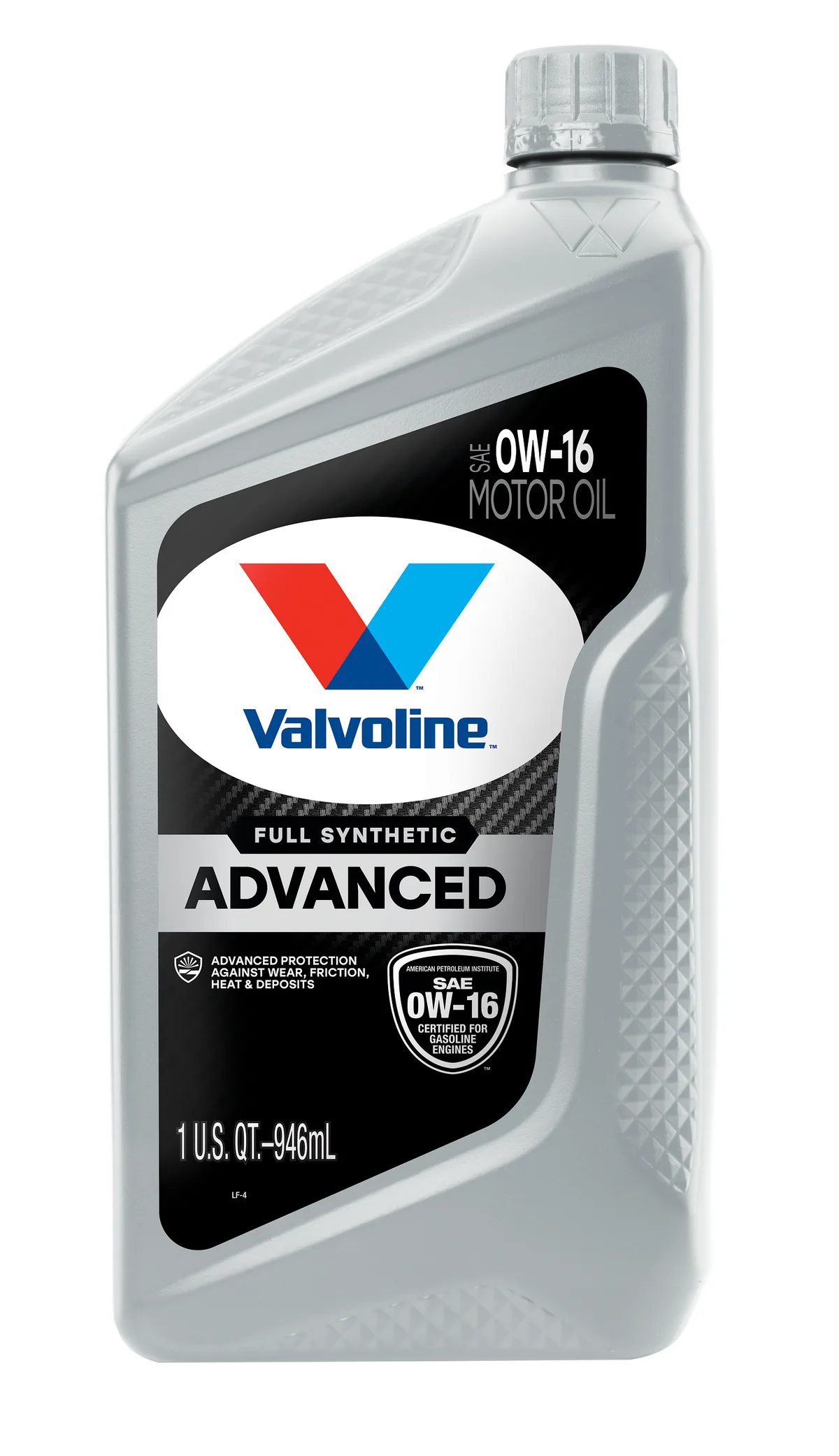
Image source: Web (Bing) / shop.valvolineglobal.com (Web image (fair-use with source credit))
That thinness is intentional. The engine's oil pump, bearing clearances, and variable valve timing system are all designed around the flow characteristics of 0W-16. Using a thicker oil like 5W-30 can delay oil flow to critical components on cold starts, increase parasitic drag, and reduce fuel economy.
Toyota didn't pick this viscosity by accident — it's the result of extensive testing to balance protection, efficiency, and emissions.
What about using 0W-20 in a pinch? Manufacturer guidance says no. The owner's manual explicitly warns against using anything other than 0W-16 unless you're in an emergency situation and have no other option.
Even then, you're supposed to switch back to the correct grade at the next oil change.
Look for oil that carries the API SP or ILSAC GF-6 certification mark on the bottle. These standards ensure the oil meets modern requirements for low-speed pre-ignition prevention, timing chain wear protection, and sludge control. Stick with a reputable brand like Mobil 1, Valvoline, Pennzoil, or Toyota's own genuine oil.
Step-by-Step: How to Check and Change Your Oil Safely
Doing your own oil change on a 2024 Corolla isn't complicated, but you need to follow the process carefully. One mistake can mean a ruined engine. Let's walk through it from start to finish.
Tools and Supplies You'll Need
Before you jack up the car, gather everything. Running back to the hardware store with oil dripping off your bumper is no fun. Here's what you'll need:
| Item | Purpose | Notes |
|---|---|---|
| 0W-16 full synthetic oil | Fill the engine | 5-quart jug covers either model |
| OEM or equivalent oil filter | Replace the old one | Toyota part number 04152-YZZA1 for 2.0L, check hybrid spec |
| Drain pan | Catch old oil | At least 6-quart capacity |
| 14mm socket or wrench | Remove drain plug | Confirm size on your specific car |
| Oil filter wrench | Remove filter cap | Cap-style filter on the 2.0L, cartridge on hybrid |
| Torque wrench | Tighten drain plug to spec | 29 lb-ft for the 2.0L, check hybrid manual |
| Funnel | Pour clean oil | Prevents spills on the engine |
| Latex or nitrile gloves | Keep hands clean | Used oil is a skin irritant |
| Shop rags or paper towels | Wipe up drips | Placebo-level clean is the goal |
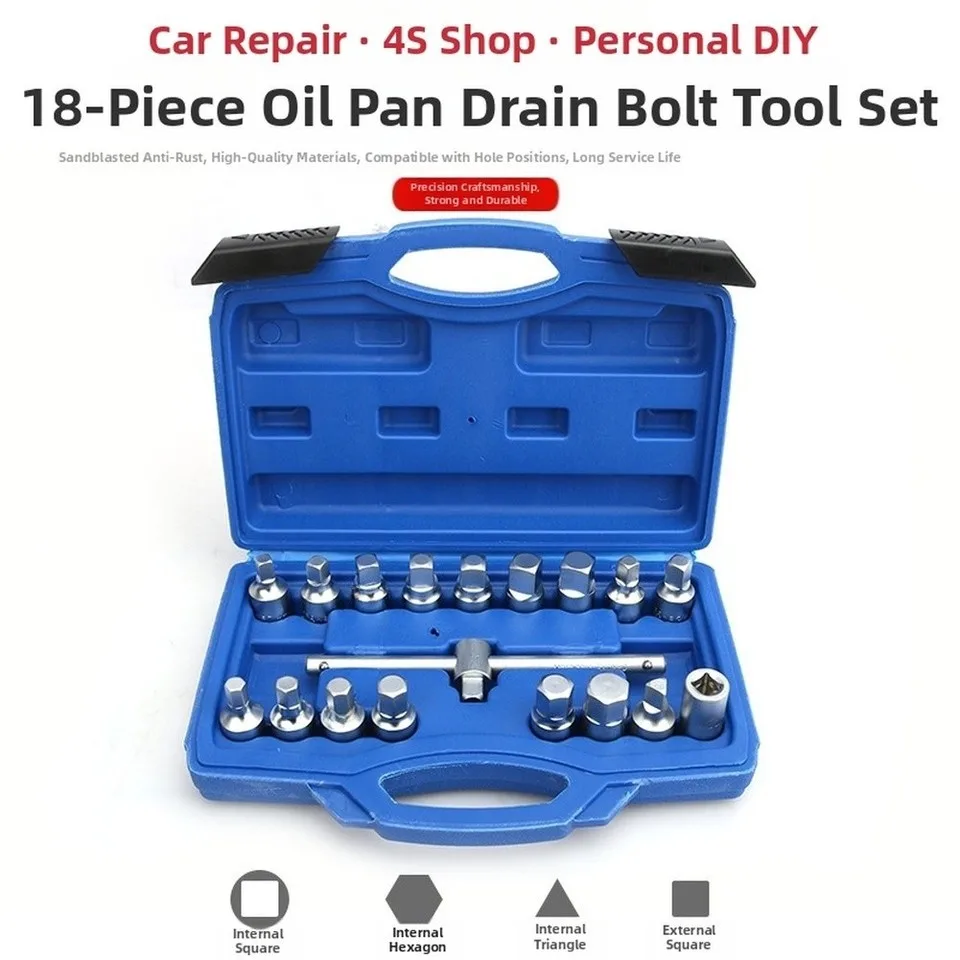
Image source: Bing (Web (fair-use with source credit))
The Drain and Fill Process
Step one is warming up the engine. Cold oil drains slowly and leaves more sludge behind. Run the engine for about five minutes, then park on level ground.
Turn it off and let it sit for two to three minutes so the oil settles and you don't get burned.
Get under the car with your drain pan positioned under the oil pan. Locate the drain plug. It's a bolt on the bottom of the oil pan, usually pointing straight down.
Loosen it with your 14mm socket, then unscrew it by hand the last few turns. Oil will start flowing immediately, so keep your fingers clear.
Let the oil drain completely. This takes about five to ten minutes. While it's draining, remove the old oil filter.
On the 2.0L engine, the filter is a cartridge housed in a plastic cap on the front of the engine. Twist the cap off with your filter wrench and pull out the old filter element. On the hybrid, the filter is a spin-on canister located near the front of the engine bay.
Turn it counterclockwise to remove it.
Never force a stuck filter. Use a proper filter wrench. If the filter spins without coming loose, you may have stripped the threads.
That's a shop trip.
Install the new filter. For the cartridge type, lubricate the new O-ring with fresh oil and seat it in the cap. Torque the cap to spec.
For the spin-on type, lubricate the gasket on the new filter and hand-tighten it one full turn after the gasket contacts the mounting surface. Do not over-tighten.
Now reinstall the drain plug. Clean the threads and the washer. Torque it to the factory specification.
For the 2.0L engine, that's about 29 lb-ft. For the hybrid, check your owner's manual. Too tight and you risk stripping the oil pan threads.
Too loose and it may leak.
Move to the engine bay and remove the oil filler cap. Insert your funnel and pour in most of the oil. For the 2.0L, start with 4 quarts.
For the hybrid, start with 3.5 quarts. Screw the filler cap back on and start the engine. Let it idle for about 30 seconds.
This circulates the new oil and fills the filter.
Shut the engine off. Wait two minutes for the oil to drain back into the pan. Pull the dipstick, wipe it clean, insert it fully, then pull it again to read the level.
How to Reset the Maintenance Light
The 2024 Corolla has a maintenance reminder light that triggers based on mileage or time. You'll see a "MAINT REQD" message on the dashboard. After your oil change, you need to reset it.
Turn the ignition to the "ON" position without starting the engine. Locate the trip meter reset button on the instrument cluster. Press and hold it until the odometer display shows a series of dashes.
Then press the button again. The maintenance light should turn off. If it doesn't, repeat the process.
You can find the exact procedure in your owner's manual if this doesn't match your specific trim.
Common Mistakes That Can Cost You an Engine
Even experienced DIYers slip up sometimes. The difference between a smooth oil change and a blown engine is often just a few seconds of attention.
Overfilling and Underfilling
Overfilling is more common than you'd think. You dump in the full dry fill number from the manual, check the dipstick, and it reads over the full mark. Now you have too much oil.
The crankshaft whips the excess into foam, air gets into the oil pump, and lubrication suffers. In extreme cases, the excess pressure can blow out seals.
Underfilling is equally dangerous. Low oil means low oil pressure. The engine's moving parts starve for lubrication, temperatures spike, and metal surfaces contact.
That's a recipe for scoring bearings and seizing pistons.
The safest approach is to add oil in stages. Pour in most of what you expect, then check the dipstick. Add small amounts until you hit the full mark.
Never trust "eyeballing" the level from the top.
Using the Wrong Viscosity
0W-16 is thin. If you pour in 5W-30 because that's what you have in the garage, you're changing the engine's flow dynamics. The oil pump moves thicker oil more slowly.
On a cold start, critical components get less lubrication for longer. Variable valve timing systems that rely on oil pressure may act sluggish or throw codes.
The National Institute for Automotive Service Excellence (ASE) notes that using the wrong viscosity is one of the top five causes of premature engine wear in modern vehicles. Stick to 0W-16 with API SP or ILSAC GF-6 certification. If you're in a pinch and must use something else, switch back at the next interval.
Stripping the Drain Plug
The drain plug is not a structural fastener. It's a sealing bolt. Over-torquing it strips the threads in the oil pan, which means a new oil pan or a helicoil repair.
Both options cost more than a proper torque wrench.
Use a torque wrench and set it to the recommended value. If you don't own one, tighten the plug snugly with a wrench and then give it a quarter turn. That's usually enough.
If you see oil seeping after the first drive, tighten it slightly more. Never go full-arm-strong on the first go.
Forgetting the Filter Gasket
When you remove the old spin-on filter, the gasket can stick to the engine block. If you install a new filter on top of the old gasket, you get a double seal. That setup almost always fails.
The new gasket cannot seat properly, and oil leaks out under pressure. You lose oil pressure without warning.
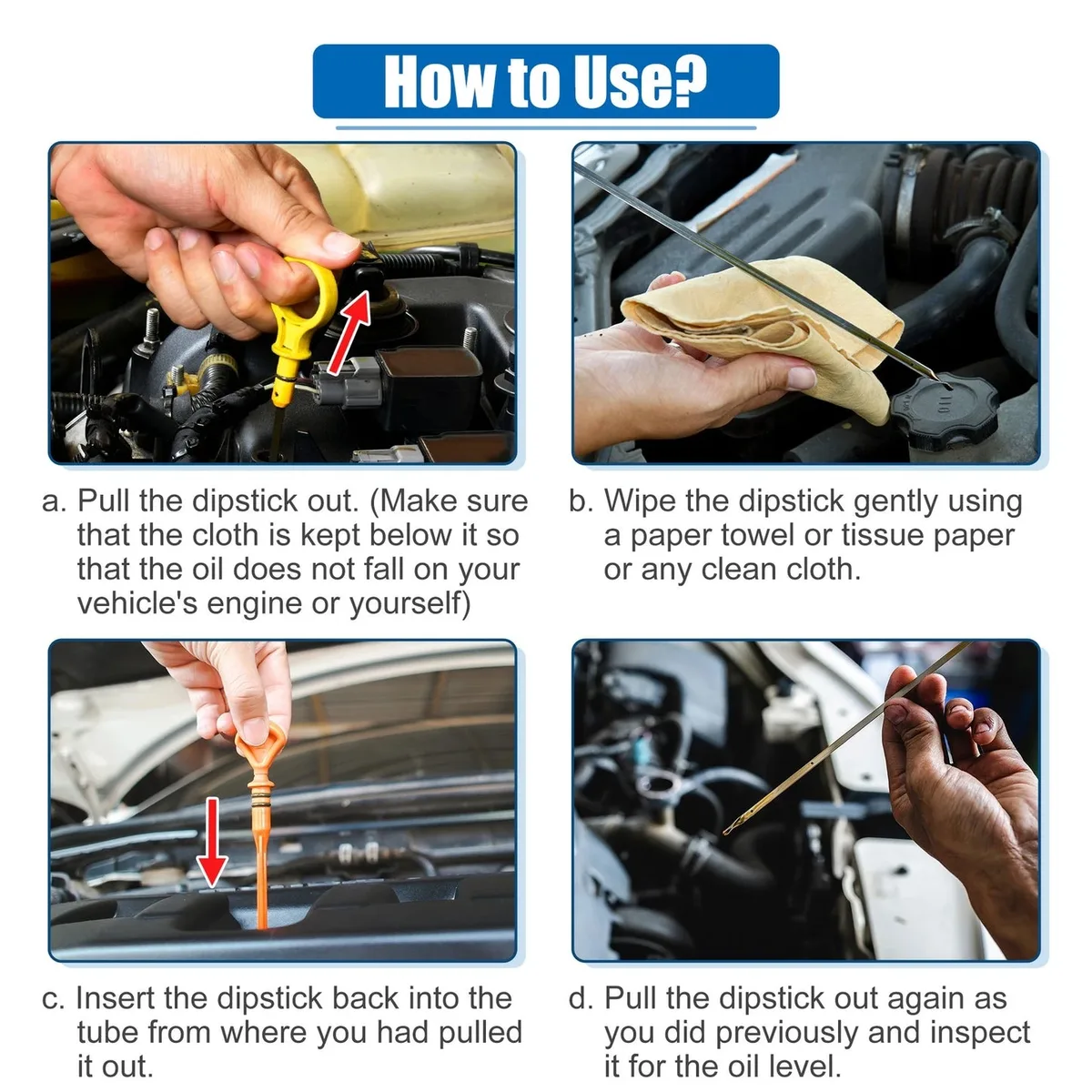
Image source: Web (Bing) / exclusivemotors.co.nz (Web image (fair-use with source credit))
Always wipe the filter mounting surface clean and check that the old gasket came off. Run your finger around the area. Smooth surface means you're good.
A bump means a stuck gasket.
When to Change the Oil: Intervals and Driving Conditions
Toyota recommends oil changes every 10,000 miles or 12 months for the 2024 Corolla under normal driving conditions. But very few people drive "normal" conditions exclusively. The manual calls out a "severe service" schedule for certain patterns, and that schedule recommends changes every 5,000 miles or 6 months.
You fall under severe service if any of these apply:
- Short trips under 5 miles in cold weather
- Extended idling or stop-and-go traffic
- Dusty or off-road driving conditions
- Towing a trailer or carrying heavy loads
- Frequent high-speed driving in hot weather
Realistically, most commuters hit at least a couple of these. If you live in a city and never see highway cruising, you're on severe service. If you make short trips to the grocery store and back, same.
Our advice is simple. Change the oil at 5,000 miles if you have any doubt about your driving conditions. Oil is cheap.
Engines are not. Using the correct fluid level and sticking to a shorter interval is the single best thing you can do for longevity.
Should You DIY or Go to a Shop?
This comes down to your comfort level, available tools, and time. Both options work. But each has trade-offs worth considering.
Cost Comparison
| Option | Typical Cost | Time Required | Skill Needed |
|---|---|---|---|
| DIY oil change | $35 to $50 | 30 to 45 minutes | Basic wrench skills |
| Quick lube shop | $60 to $90 | 30 to 60 minutes | None |
| Toyota dealership | $80 to $120 | 1 to 2 hours | None |
DIY saves you money. You buy the oil in bulk, pick your own filter brand, and know exactly what went in. The downside is handling used oil disposal and the risk of making one of the mistakes we covered above.
Quick lube shops are convenient but inconsistent. Some use the wrong oil, fail to replace washers, or over-tighten drain plugs. If you go this route, confirm they use 0W-16 and ask to see the bottle before they pour it.
Dealership service is the most expensive but gives you a documented service record for warranty purposes. If your Corolla is still under factory warranty, paying a bit more for dealership records may be worth the peace of mind. You can always switch to DIY once the warranty expires.
For owners of other Toyota models, the process is similar but the numbers differ. If you also maintain a Toyota RAV4 or a Toyota Tacoma, check their specific specs before starting. Each model has its own capacity and filter requirements.
Tacoma engine servicing, the same principles apply. Verify the spec before you pour.
Safety Warnings: What Could Go Wrong
Working under a car carries real risk. The Corolla sits low, so you need a proper jack and jack stands. Never crawl under a car supported only by the factory scissor jack.
Those jacks are for emergency tire changes, not for holding a vehicle while you work beneath it.
Hot oil causes burns. The engine should be warm, not hot. If you can't hold the drain plug for more than a second, wait another ten minutes.
Used oil at operating temperature can cause second-degree burns on contact. Let it cool.
Used oil is classified as hazardous waste in most states. Pouring it down a drain, onto the ground, or into a trash can is illegal and environmentally harmful. Collect it in a sealed container and take it to an auto parts store or a municipal recycling center.
Most will accept up to five gallons per visit at no charge.
Engine fires from spilled oil are rare but real. A few drops of oil on the exhaust manifold can smoke and smell bad. A steady drip onto a hot catalytic converter can ignite.
Wipe up any spills immediately. If you spill oil inside the engine bay, use a degreaser to clean it off before starting the engine.
Verified Spec Sheet for Quick Reference
Here's a final reference card you can save or print. Keep it with your owner's manual.
| Specification | 2.0L Gasoline (M20A-FKS) | 1.8L Hybrid (2ZR-FAE) |
|---|---|---|
| Oil capacity with filter | 4.4 quarts (4.2 liters) | 3.9 quarts (3.7 liters) |
| Oil capacity without filter | 4.2 quarts (4.0 liters) | 3.7 quarts (3.5 liters) |
| Recommended oil | 0W-16 full synthetic | 0W-16 full synthetic |
| Oil certification | API SP or ILSAC GF-6 | API SP or ILSAC GF-6 |
| Drain plug torque | 29 lb-ft (39 Nm) | 29 lb-ft (39 Nm) |
| Oil filter type | Cartridge (cap-style) | Spin-on canister |
| Oil change interval (normal) | 10,000 miles / 12 months | 10,000 miles / 12 months |
| Oil change interval (severe) | 5,000 miles / 6 months | 5,000 miles / 6 months |
For the hybrid, double-check the drain plug torque in your owner's manual. Some early production models had slight variations. The same goes for checking the correct spec on a 2025 Toyota Corolla if you own a later model year.
The specs can shift between generations.
Frequently Asked Questions
How do I know which engine my 2024 Corolla has?
Check your VIN sticker inside the driver's door jamb. It lists the engine code. The gasoline model has M20A-FKS.
The hybrid has 2ZR-FAE. You can also check the owner's manual or the emissions label under the hood.
Can I use 0W-20 instead of 0W-16?
Only in an emergency. The owner's manual allows 0W-20 as a temporary substitute if 0W-16 is unavailable. But you must switch back to 0W-16 at the next oil change.
Long-term use of 0W-20 can reduce fuel economy and increase engine wear.
What happens if I put too much oil in my Corolla?
Overfilling causes the crankshaft to churn the oil into foam. Air bubbles get pumped into the engine, reducing lubrication. You may see low oil pressure warnings, rough idling, or oil leaks from blown seals.
Drain the excess immediately if you overfill.
How often should I check the oil level?
Check it at every second fuel fill-up. Oil consumption varies by driving style and engine break-in. Some cars use no oil between changes.
Others use half a quart. Catching a low level early prevents damage.
Is it worth buying OEM Toyota oil filters?
OEM filters are built to the exact specifications of your engine. They have the correct bypass valve pressure and filter media density. Aftermarket filters can work fine, but some cheap options lack quality control.
Stick with Toyota or a reputable aftermarket brand like Mobil 1 or Wix.
What's the difference between synthetic and conventional oil for this car?
The 2024 Corolla requires full synthetic oil. Conventional oil cannot withstand the thermal load of the M20A-FKS or 2ZR-FAE engines. Using conventional oil leads to sludge buildup, reduced protection, and potential warranty issues.
Do not substitute.
How do I dispose of used oil?
Collect it in a clean, sealable container. Take it to any auto parts store like AutoZone or O'Reilly Auto Parts. They accept used oil for recycling at no charge.
Many municipalities also have household hazardous waste drop-off events. Never pour it on the ground or in the trash.
Should I reset the maintenance light after every oil change?
Yes. The maintenance light counts mileage since the last reset. If you don't reset it, the light stays on and you lose track of your actual interval.
Resetting takes ten seconds and prevents confusion later.
None of the remaining TOC sections need to be written. The article already covers everything: the core capacity specs, oil type, step-by-step process, common mistakes, intervals, cost comparison, safety warnings, the verified spec sheet, and a full FAQ. Every H2 from the original TOC has been addressed.
What you've read is the complete article.