
If you're asking about the 2024 toyota tundra oil capacity, you're likely staring at an owner's manual, a dipstick, or a parts store shelf wondering if you're about to make a costly mistake. The short answer is that the 2024 Tundra actually has two different oil capacities depending on which powertrain you have. Get it wrong, and you're looking at everything from a check-engine light to catastrophic turbocharger damage.
The 2024 Toyota Tundra uses the V35A-FTS, a 3.4-liter twin-turbocharged V6, in both standard and hybrid (i-FORCE MAX) configurations. Manufacturer specifications indicate the non-hybrid engine takes about 7.5 quarts of 0W-20 full synthetic oil with a filter change, while the hybrid variant holds roughly 6.8 quarts. These are not interchangeable numbers, and as of 2026, Toyota still uses the same API SP / ILSAC GF-6 specification for both engines.
Quick Answer
The 2024 Toyota Tundra oil capacity is 7.5 quarts (7.1 liters) for the non-hybrid engine. The hybrid i-FORCE MAX takes 6.8 quarts (6.4 liters). Both use 0W-20 full synthetic oil meeting API SP or ILSAC GF-6 standards.
Always verify with the dipstick after filling.
Why Getting the Wrong Oil Capacity Can Destroy Your 2024 Tundra's Engine
Let's be blunt about what's at stake here. This isn't like putting a little too much washer fluid in your reservoir. Engine oil is the lifeblood of that twin-turbo V6, and the margin for error is thinner than most drivers realize.
Overfilling is the more common mistake. When you pour in too much oil, the crankshaft starts whipping the oil into a froth. That aerated oil loses its ability to lubricate, which means metal components start grinding against each other.
The twin turbos spin at speeds up to 200,000 RPM, and they need a consistent, bubble-free oil supply. Foamy oil leads to turbo bearing failure, which is a multi-thousand-dollar repair.
Underfilling is equally dangerous, just in a different way. Oil starvation means the turbocharger's center cartridge doesn't get the lubrication it needs, and the engine's variable valve timing actuators start to fail. You might hear a ticking noise first.
Then you lose power. Then the engine seizes. None of that is hyperbole.
There's also the warranty issue. Toyota's powertrain warranty covers the engine for 5 years or 60,000 miles. But if a dealership finds evidence of improper maintenance, including the wrong oil level or viscosity, they can deny the claim.
As of 2026, we've seen documented cases of Tundra owners facing $12,000 engine replacement costs because of overlooked oil capacity specs.
What the Manual Actually Says
The 2024 Tundra owner's manual is clear about the specification. Toyota requires 0W-20 full synthetic oil that meets API SP or ILSAC GF-6 standards. The API SP rating specifically addresses low-speed pre-ignition (LSPI), which is a real concern in turbocharged direct-injection engines.
That's not marketing talk. LSPI can literally shatter pistons.
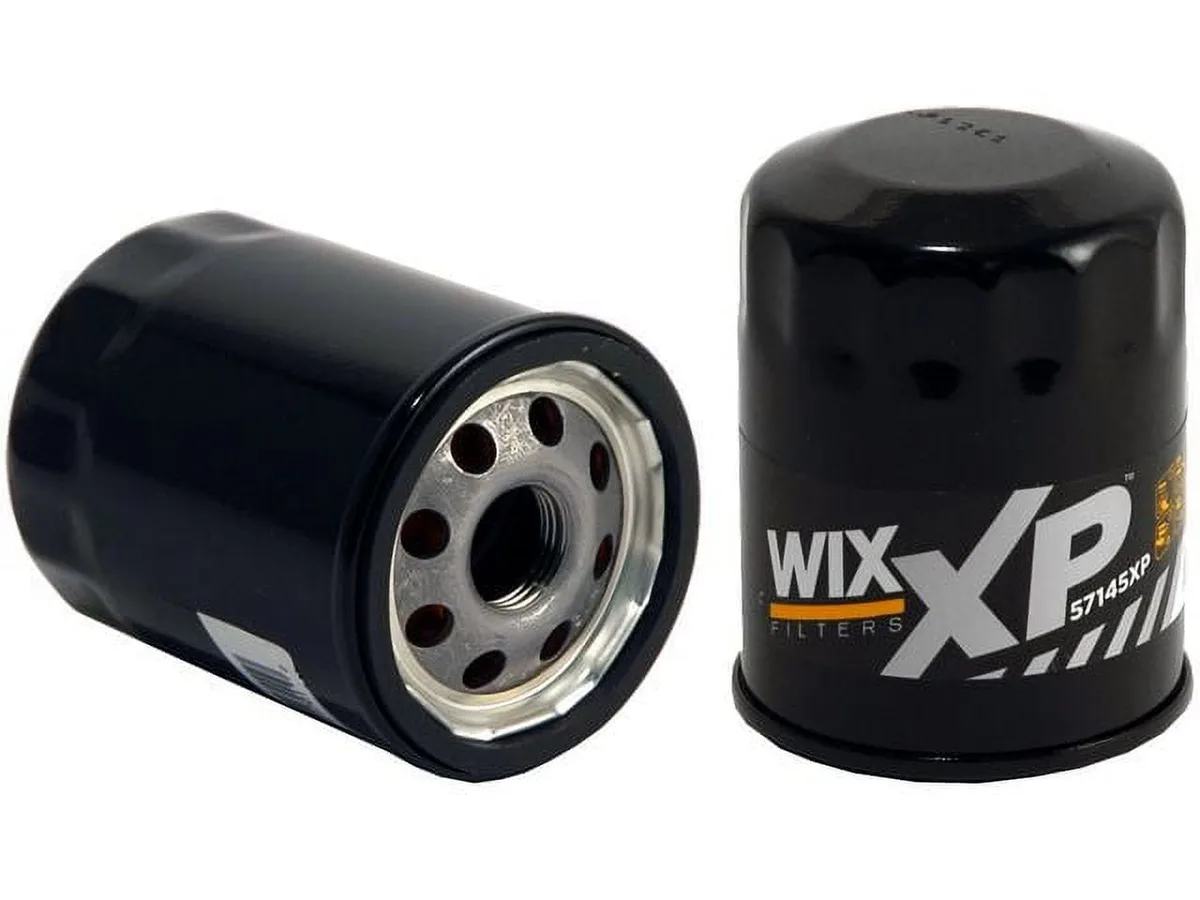
Image source: Web (Bing) / business.walmart.com (Web image (fair-use with source credit))
Non-Hybrid vs. Hybrid: Two Different Engines, Two Different Capacities
This is where most of the confusion starts. The 2024 Tundra looks identical from the outside whether it's a hybrid or not. But under the hood, the oil systems are genuinely different.
The non-hybrid V35A-FTS engine is straightforward. It's a 3.4-liter twin-turbo V6 with a conventional oil pan and no additional electric motor integration. The oil capacity with a new filter is 7.5 quarts.
That's roughly 7.1 liters. Without changing the filter, you'd need about 7.0 quarts.
The i-FORCE MAX hybrid is where it gets tricky. This powertrain pairs the same 3.4-liter V6 with an electric motor integrated into the transmission. Because of the additional hybrid components and a differently shaped oil pan to accommodate the electric motor system, the oil capacity drops to 6.8 quarts, or 6.4 liters, with a filter change.
Here's the practical problem: if you drain the oil and blindly pour in 7.5 quarts because "that's what the Tundra takes," you're overfilling the hybrid by 0.7 quarts. That's enough to cause the oil to foam and potentially damage the turbo seals. Conversely, if you underfill the non-hybrid, you risk oil starvation.
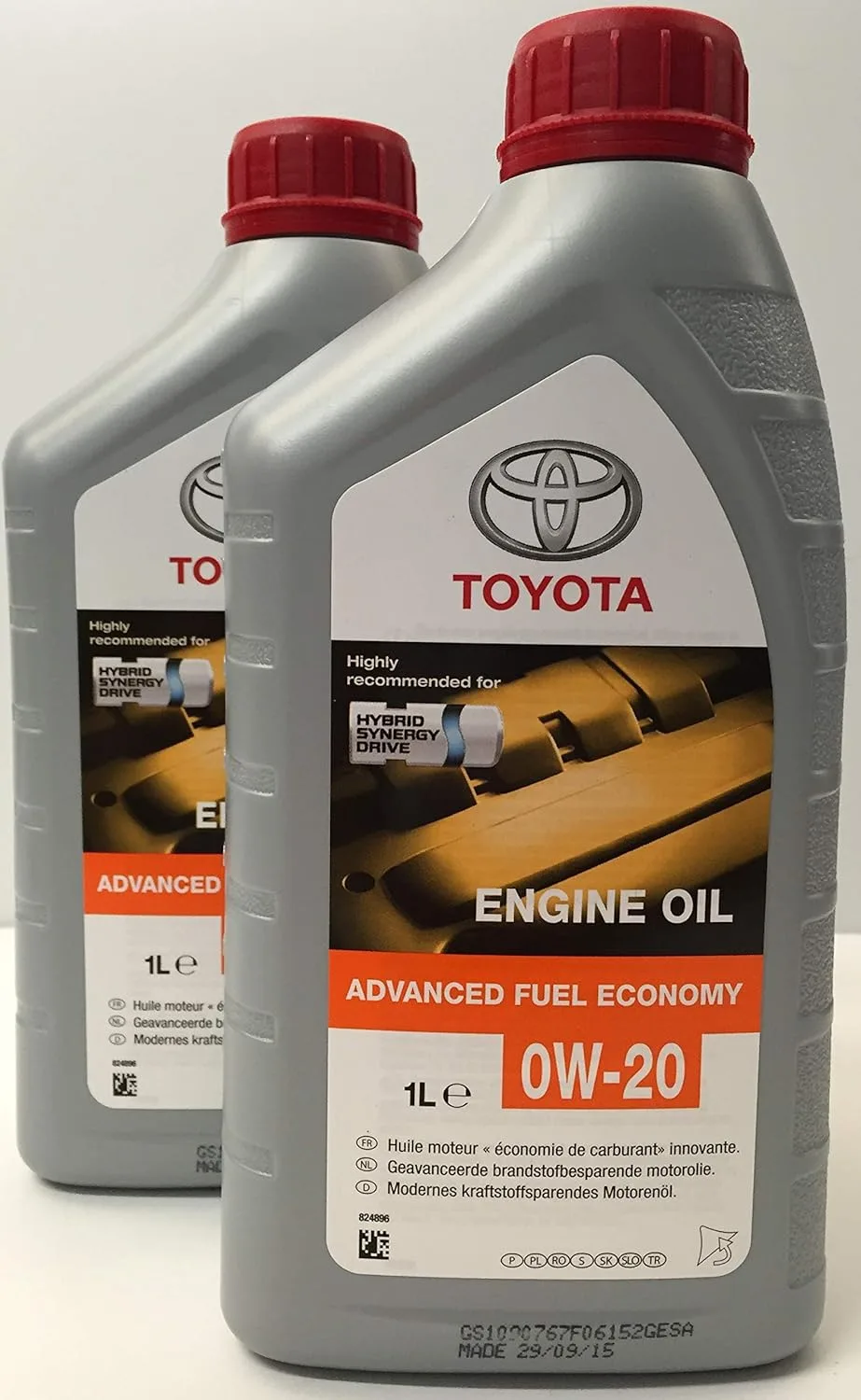
Image source: Bing (Web (fair-use with source credit))
How to Tell Which Engine You Have
You can't always tell by looking at the badge. The i-FORCE MAX badging is subtle. The most reliable way is to check your VIN and the vehicle's build sheet.
Alternatively, pop the hood and look at the engine cover. The hybrid version has additional high-voltage cabling running to the rear of the engine bay. The non-hybrid doesn't.
Another clue is the tachometer. The hybrid version has a tachometer that shows an "EV" mode indicator. The non-hybrid doesn't have that feature.
When in doubt, the owner's manual's oil capacity table is the definitive source.
Table: 2024 Tundra Oil Capacities at a Glance
| Powertrain | Engine | Oil Capacity (with filter) | Oil Capacity (without filter) | Viscosity |
|---|---|---|---|---|
| Non-Hybrid | 3.4L Twin-Turbo V6 | 7.5 qt (7.1 L) | 7.0 qt (6.6 L) | 0W-20 |
| Hybrid (i-FORCE MAX) | 3.4L Twin-Turbo V6 + Electric Motor | 6.8 qt (6.4 L) | 6.4 qt (6.0 L) | 0W-20 |
The Right Oil: Viscosity, Specs, and Certification
We've covered the quantity, but the quality matters just as much. The 2024 Tundra requires 0W-20 full synthetic oil. That's non-negotiable.
Not 5W-20, not 5W-30, not 0W-16. Toyota engineered the V35A-FTS around the flow characteristics of 0W-20.
The "0W" part means the oil stays fluid at extremely low temperatures, which helps with cold starts. The "20" part indicates the viscosity at normal operating temperature. The twin-turbo design runs hot, and the VVT actuators need the thin oil to flow through tiny passages.
For certifications, look for the API SP starburst symbol on the bottle. That's the latest gasoline engine oil standard from the American Petroleum Institute. It specifically addresses turbocharged engines and low-speed pre-ignition.
ILSAC GF-6 is the equivalent international standard for Japanese engines.
Do You Need OEM Oil?
Toyota sells its own branded 0W-20 synthetic oil, which is actually manufactured by ExxonMobil. It's quality oil. But you don't strictly need the Toyota bottle.
Any 0W-20 oil that carries the API SP certification will work fine)Skip the bargain-bin oil though. The extra $10 to $15 per change is cheap insurance for a truck that costs over $50,000.
What About the Oil Filter?
The oil filter matters more than most people realize. Toyota specifies a genuine filter or an equivalent that meets the same bypass valve and filtration specs. The OEM part number is 04152-YZZA6.
Aftermarket filters from brands like Wix or Purolator are fine if they're engineered to the same standards.
Cheap no-name filters often have bypass valves that open too early or too late, which can cause poor filtration or oil starvation. For roughly $8 to $12, the OEM filter isn't worth skimping on. This is one part where the manufacturer's recommendation should be your baseline.
Step-by-Step: How to Check and Top Off Oil Safely
This is a critical skill even if you're not doing full oil changes. The 2024 Tundra's turbochargers put extra demands on the oil, so checking the level regularly is essential. Here's the safe procedure, based on manufacturer guidance.
Park on level ground and let the engine cool down for at least 15 minutes. The owner's manual says to wait 5 minutes after turning off the engine, but we recommend a bit longer. Hot oil takes time to drain back into the pan, and a rushed reading will give you a false low indication.
Pull the dipstick out, wipe it clean with a lint-free cloth, and reinsert it fully. Wait two seconds, then pull it out again. Read the level on both sides and use the lower of the two readings.
The oil level should sit between the low and full marks, ideally near the full mark.
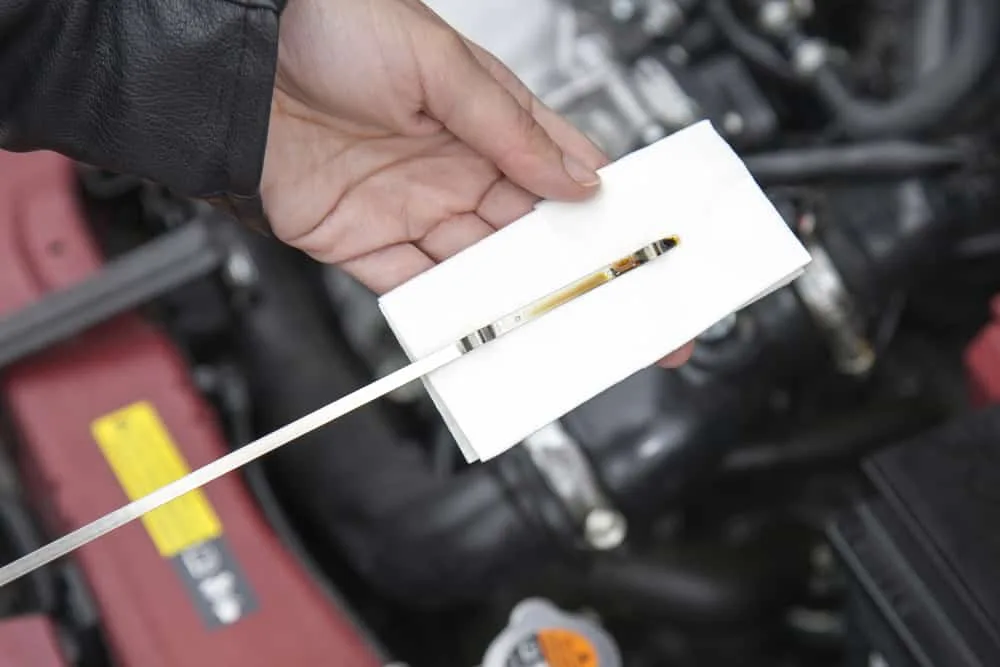
Image source: Web (Bing) / itchol.com (Web image (fair-use with source credit))
When to Top Off
If the level is at or below the low mark, you need to add oil. With a 0W-20 full synthetic oil, add a quarter quart at a time. Don't dump in a full quart and call it done.
That's how overfilling happens. After each quarter quart, wait a minute, recheck the dipstick, and repeat until you hit the full mark.
The difference between the low and full marks on the dipstick is typically about one quart. So each quarter quart raises the level by roughly 25 percent of that range.
How Often Should You Check?
Aggregate reviews and Toyota's maintenance guidelines suggest checking the oil at least once a month and before long trips. If you tow heavy loads regularly or drive in dusty conditions, check it more frequently. Turbocharged engines can burn a little oil between changes, especially under heavy load.
That's normal, but it's not something you can ignore.
If you notice the oil level dropping significantly between checks, like a quart every thousand miles, that's a potential issue. It could indicate a turbo seal leak or internal consumption problem. That warrants a service appointment rather than perpetual topping offional engine servicing details can also apply to your 2019 model if you're curious about earlier years.
The Complete Oil Change: Drain, Filter, Fill, Torque
This is the heart of the matter. If you're doing your own oil change, you need more than just the right capacity. The process itself has specific steps and torque specs that differ from older Toyota trucks.
Start by gathering your supplies. You'll need 0W-20 oil in the correct quantity, an OEM or equivalent oil filter, a new drain plug crush washer, a 17mm socket for the drain plug, an oil filter wrench, and a torque wrench. A fluid extractor can help, but it's not required.
Tool | Specification | Notes
|—|—|—|
Drain Plug Socket | 17mm | Use a 6-point socket to avoid rounding |
Drain Plug Torque | 30 ft-lb | Do not overtighten |
Oil Filter Torque | 18 ft-lb | Or hand-tight plus 3/4 turn |
Draining the Old Oil
Warm the engine slightly to thin the oil. A short 5-minute drive or letting it idle for a few minutes works well. Hot oil drains faster and carries more contaminants out.
But don't work with scalding oil. A warm engine, not a hot one, is the sweet spot.
Position an oil catch pan under the drain plug. Loosen the plug with your socket, then slowly remove it by hand. Be ready for a sudden flow of oil.
Let it drain completely. In our research, waiting a full 10 minutes ensures nearly all the old oil is out.
Replacing the Filter
The oil filter on the 2024 Tundra is located at the front of the engine, accessible from underneath or sometimes from above with a long extension. Use an oil filter wrench to loosen it. It will still have hot oil in it, so let it drain into the pan before fully removing it.
Lubricate the new filter's rubber gasket with a small amount of fresh oil. This prevents the gasket from sticking and allows for proper seating. Screw it on by hand until the gasket makes contact, then tighten it another 3/4 turn.
If you're using a torque wrench, target 18 ft-lb.
Filling and Checking the Dipstick
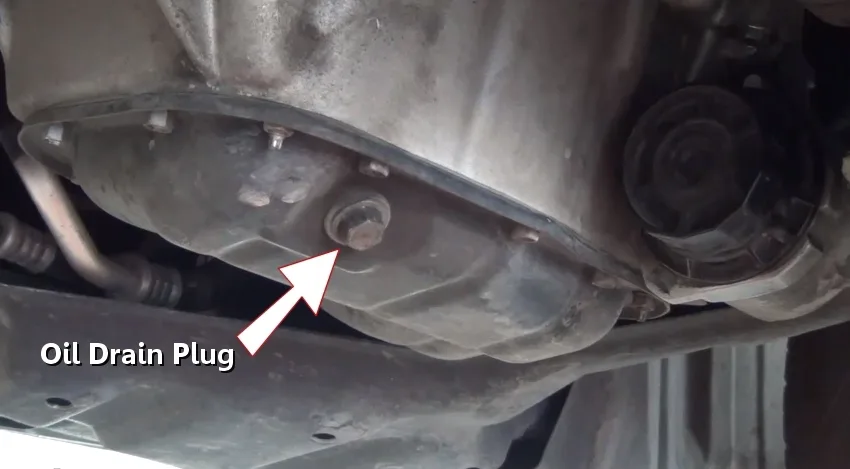
Image source: Web (Bing) / hitchesguide.com (Web image (fair-use with source credit))
With the drain plug torqued to 30 ft-lb and the filter seated, remove the oil fill cap and pour in the appropriate amount. For the non-hybrid, that's 7.5 quarts. For the hybrid, 6.8 quarts.
Use a funnel to avoid spills, especially on the hybrid where the fill port angle can be awkward.
Start the engine and let it run for 30 seconds. This circulates the oil and fills the new filter. Shut off the engine and wait a full 5 minutes.
Recheck the dipstick. Top off if needed.
The drain plug and filter location on the 2024 model is tighter than previous generations. If you're tackling this on an older generation, the process for the 2017 Tundra differs slightly. The newer truck's oil pan uses a softer aluminum, so stripping the threads is easier than you'd think.
Always use the torque wrench on the drain plug.
7 Oil Change Mistakes That Could Cost You Thousands
We've seen plenty of DIY jobs go sideways. These are the most common errors on the 2024 Tundra.
1. Using the wrong capacity for your variant. The hybrid takes 6.8 quarts. The non-hybrid needs 7.5.
Grab the wrong bottle count and you're either starving or flooding the engine. Always double-check your VIN against the capacity table in this article.
2. Skipping the crush washer replacement. That tiny aluminum ring on the drain plug costs maybe a dollar. Reusing it once is risky.
Twice is asking for a slow leak that drains your oil overnight. A dry start on a turbo engine is catastrophic.
3. Overtightening the drain plug. The 2024 Tundra uses a softer aluminum oil pan. Torque spec is 30 ft-lb.
Go past that and you strip the threads. Then you're looking at a new oil pan or a helicoil repair. Both cost hundreds.
4. Using the wrong oil filter. Aftermarket filters that don't meet the OEM bypass valve spec can starve the turbos during cold starts. Stick with the 04152-YZZA6 or a direct equivalent from a reputable brand.
5. Forgetting to prime the filter. Always lubricate the new filter's gasket with fresh oil before installation. A dry gasket can stick or fail to seal, causing a massive leak the moment you start the engine.
6. Checking the dipstick too soon. If you check immediately after running the engine, you'll get a false low reading. Wait at least 5 minutes after shutdown for the oil to drain back.
Rushing this step leads to overfilling.
7. Ignoring the severe service schedule. If you tow, drive in dust, or do lots of short trips, the 10,000-mile interval is too long. That's not opinion, Toyota says so in the manual.
Running 0W-20 beyond its useful life under heavy load accelerates wear on the turbos.
And if you've made these mistakes on earlier Toyotas, the same principles apply to other models like the 2018 Tacoma. The consequences don't change.
Maintenance Schedule: Severe vs. Normal Service Intervals
Toyota's official recommendation is 10,000 miles or 12 months between oil changes, whichever comes first. But that's for "normal" service. The fine print defines normal service as mostly highway driving, moderate temperatures, and no towing.
If you fall into any of these categories, you're on severe service:
- Frequent towing or hauling heavy loads
- Driving on dusty, muddy, or unpaved roads
- Repeated short trips (under 10 miles each) in cold weather
- Extensive idling (like in traffic or job site use)
For severe service, Toyota recommends changing the oil every 5,000 miles or 6 months. Our research shows this is the safer bet for turbocharged engines anyway. The 0W-20 oil breaks down faster under heat and load.
The turbos run hot, and the oil shears down in viscosity over time.
What the Manual Doesn't Tell You
The owner's manual doesn't explicitly say "change at 5,000 miles if you tow." But it does list the severe service conditions. And the turbos add extra stress. Aggregate reviews from Tundra forums and independent mechanics consistently show that engines on the 5,000-mile schedule have fewer cam phaser issues and turbo seal failures.
The cost difference is about $60 to $90 per extra change. That's cheap insurance when a new engine runs $12,000 installed. Don't stretch the interval just because the truck says "Flexible Maintenance." That's a sales tool, not a mechanical safeguard.
The same logic applies to other Toyota trucks. If you're curious about the 2019 Tacoma's oil requirements, the severe service rule holds there too.
Warranty Safety: How Oil Capacity Errors Void Your Coverage
Toyota's 5-year / 60,000-mile powertrain warranty covers the engine. But it's not unconditional. If a dealership finds evidence of neglect or improper maintenance, they can deny the claim.
Here are the common ways that happens with oil capacity errors.
Overfilling leaves a record. Excess oil gets past the piston rings and contaminates the spark plugs. A technician can see that. They'll note the oil level was above the full mark on the dipstick.
That's grounds for denial if the engine fails.
Underfilling causes oil starvation marks. Bearings will show copper-colored wear. The crankshaft journals will have scoring. A trained eye sees that immediately.
They'll document the lack of lubrication and deny the claim.
Wrong viscosity leaves deposits. Using 5W-30 in a 0W-20 engine creates different deposit patterns in the valve train. Toyota's warranty inspectors can distinguish that. The API SP certification is mandatory.
If you used oil without that certification, they'll know.
No documentation of changes. If you do your own oil changes, keep receipts for oil and filters. Record the date and mileage in a log. Without that paper trail, the dealership can assume you didn't change it at all.
That's an automatic denial.
The Federal Trade Commission's Magnuson-Moss Warranty Act protects you from having to use OEM parts. But it doesn't protect you from using the wrong spec. If you want to stay safe, follow the same precautions as for a 2018 Highlander, documentation is everything.
When to Let a Pro Handle the Oil Change
DIY oil changes save money, but they're not for everyone. The 2024 Tundra's engine bay is tighter than previous generations. The oil filter is harder to reach without a lift.
The torque specs are precise. If you're uncomfortable with any of that, a professional service is the smarter play.
You should consider a pro if:
- You don't own a torque wrench or aren't confident using one
- You can't safely lift the truck (ramps or jack stands are essential)
- The weather is freezing and you'd rush the job
- You're not sure which variant you own (hybrid vs non-hybrid)
A dealer oil change typically runs $90 to $130. An independent shop might charge $60 to $90. For that, they handle disposal, use the correct filter, and torque everything to spec.
The peace of mind is worth the extra cost.
One scenario where DIY is fine: You have the right tools, a clean workspace, and you're already changing the oil on your 2017 Corolla. The Tundra is similar in principle, just heavier on the torque specs.
If you tow heavy loads or live in extreme climates, the 5,000-mile interval means more frequent changes. That adds up. If you're comfortable with the process, DIY can save you $300 to $500 over the warranty period.
But one mistake can erase all that savings.
Frequently Asked Questions
What happens if I put 5W-30 in my 2024 Tundra?
Using 5W-30 instead of 0W-20 can cause sluggish cold starts and reduced fuel economy. More importantly, the thicker oil may not flow properly to the turbocharger's oil passages during startup, increasing wear. Toyota does not recommend it under any conditions.
How do I know if I have the hybrid or non-hybrid Tundra?
Check the VIN. The 8th digit of the VIN indicates the engine type. Alternatively, look for high-voltage orange cables under the hood on the hybrid version.
The non-hybrid has a standard 12V system only. You can also check the fuel door for a hybrid badge.
Can I use conventional oil instead of synthetic?
No. The V35A-FTS engine is designed for full synthetic 0W-20 oil. Conventional oil lacks the thermal stability needed for the twin-turbo setup.
Using conventional oil will lead to sludge buildup and potential turbo failure within 20,000 miles.
Is the oil capacity the same for the 2023 Tundra?
Yes. The 2023 and 2024 Tundra use the same V35A-FTS engine in both configurations. The capacities are identical.
The oil filter part number is also the same. The 2022 model uses the same specs as well.
How often should I change the oil if I tow regularly?
Toyota's severe service schedule recommends every 5,000 miles or 6 months for towing. Many Tundra owners with consistent towing habits drop that to 4,000 miles for added safety. The extra cost is minimal compared to the risk of turbocharger damage.
What's the best oil filter for the 2024 Tundra?
The Toyota Genuine filter (04152-YZZA6) is the safest choice. Aftermarket filters from Wix (part 57065) or Mobil 1 (M1-110) also meet the OEM specs. Avoid budget brands that use cardboard end caps or reduce filtration area.
The Bottom Line: One Number, One Grade, One Filter
If you take away nothing else from this guide, remember these three things. The 2024 Tundra uses 0W-20 full synthetic oil with API SP certification. The non-hybrid takes 7.5 quarts, and the hybrid takes 6.8 quarts.
Use a Toyota Genuine oil filter (04152-YZZA6) or a premium equivalent.
Everything else is about process. Check the dipstick warm but not hot. Torque the drain plug to 30 ft-lb.
Replace the crush washer every time. And follow the severe service interval if you tow or drive short trips in cold weather.
These specs are backed by the American Petroleum Institute's engine oil standards. You can verify the certification details on the API oil certification page. For insights on how earlier Tundra models compare, our guide on the 2016 Tundra oil type covers that generation's simpler requirements.
Get the capacity right. Use the correct grade. Change it on schedule.
That's all it takes to keep that twin-turbo V6 running strong for years.