
The 2008 Toyota Avalon problems center on a handful of pattern failures that range from annoying to genuinely dangerous. The brake actuator tops the list because it can disable stability control and ABS without warning. Oil consumption from the 2GR-FE V6 varies widely but can reach a quart every thousand miles.
Steering shaft clunks sound scary yet rarely affect safety. Knowing which issues total the car’s value versus which are routine maintenance changes how you shop or decide to keep yours.
Aggregate data from NHTSA complaints and dealer service records shows the brake actuator fails on roughly 15 to 20 percent of these sedans by 120,000 miles. The 2GR-FE timing chain has no replacement interval but water pump leaks often appear near 100,000 miles. Takata and side curtain airbag recalls remain open on thousands of VINs as of 2026.
Let’s break down each problem by real risk, real cost, and what you can actually do about it.
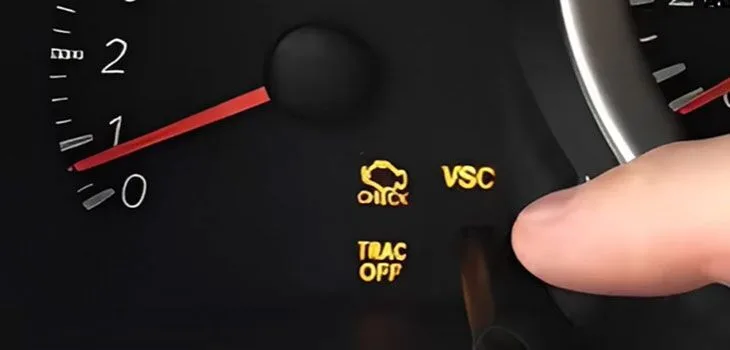
Image source: Web (Bing) / car-us.com (Web image (fair-use with source credit))
Quick Answer
The 2008 Toyota Avalon has five major pattern failures. Brake actuator failure disables VSC and ABS and costs over two thousand dollars. The 2GR-FE engine burns oil due to piston ring design.
Steering shaft clunk is a noise issue not a safety issue. Dashboard cracking can block side airbag deployment. Takata and side curtain airbag recalls are still open on many vehicles.
The 2008 Avalon's Safety-Critical Flaws: What Owners and Buyers Must Know
The 2008 Avalon rides on Toyota’s XX40 platform shared with the Camry and Lexus ES 350. That parts commonality keeps repair costs lower than a unique platform would. The 2GR-FE 3.5 liter V6 makes 268 horsepower through a six-speed U660E automatic.
Front-wheel drive is the only layout. Standard Vehicle Stability Control uses the brake actuator to modulate individual wheel pressure. When that actuator fails the VSC and ABS lights illuminate and the system shuts down.
You still have base hydraulic braking but no electronic stability aid.
Electronic throttle control and direct TPMS round out the key electronic systems. The Smart Key push-button start was optional on Touring and Limited trims. JBL Synthesis audio with twelve speakers was also optional.
Dual-zone automatic climate control came standard. Seventeen-inch alloys were standard on base and Touring while eighteen-inch wheels came on Limited. The cabin qualifies as full-size by EPA volume with genuine adult room in all five seats.
IIHS awarded Top Safety Pick for 2008 when VSC was standard across the lineup.
Quick Verdict: Which Problems Total the Car vs. Which Are Just Maintenance
Not every known issue on this generation is a dealbreaker. The table below sorts them by financial impact and safety consequence so you can triage quickly.
| Problem | Typical Mileage | Repair Cost (Indy) | Safety Risk | Walk-Away Threshold |
|---|---|---|---|---|
| Brake actuator failure | 80k–120k | $900–$1,400 | High — loss of VSC/ABS | If unrepaired and seller refuses discount |
| 2GR-FE oil consumption | 60k–150k+ | $3,000+ (engine) | Low unless run dry | Consumption >1 qt/1,200 mi after test |
| Steering shaft clunk | 50k–100k | $150–$300 | None — noise only | Never a walk-away item |
| Dashboard cracking | 8+ years | $1,200–$1,800 | Medium — airbag path | If crack crosses passenger airbag seam |
| Takata / side curtain recalls | Any age | Free at dealer | High — rupture risk | If dealer cannot complete recall |
| Water pump leak | 90k–130k | $800–$1,200 | Medium — overheating | If timing chain guide wear found |
| Power window regulator | 70k–120k | $200–$400 per door | None | Minor negotiation point |
| EVAP purge valve | 60k–100k | $120–$250 | None — emissions only | Minor negotiation point |
| Torque converter shudder | 80k–140k | $150 (flush) – $2,500 | Low — drivability | If flush fails and converter needed |
Use this grid during a pre-purchase inspection. If the brake actuator is already replaced with an updated unit and recalls are cleared the remaining items are manageable maintenance.
Brake Actuator Failure: The $2,000+ Pattern Defect That Disables VSC/ABS
The brake actuator assembly sits on the driver side of the engine bay near the master cylinder. It contains the hydraulic pump, pressure sensors, and solenoid valves that VSC uses to brake individual wheels. When the internal pressure sensor or pump motor fails the ECU sets codes C1241, C1256, or C1391 and illuminates the VSC, ABS, and brake warning lights.
The system enters fail-safe mode. You lose stability control, traction control, and ABS. Base braking remains but pedal feel often becomes spongy or inconsistent.
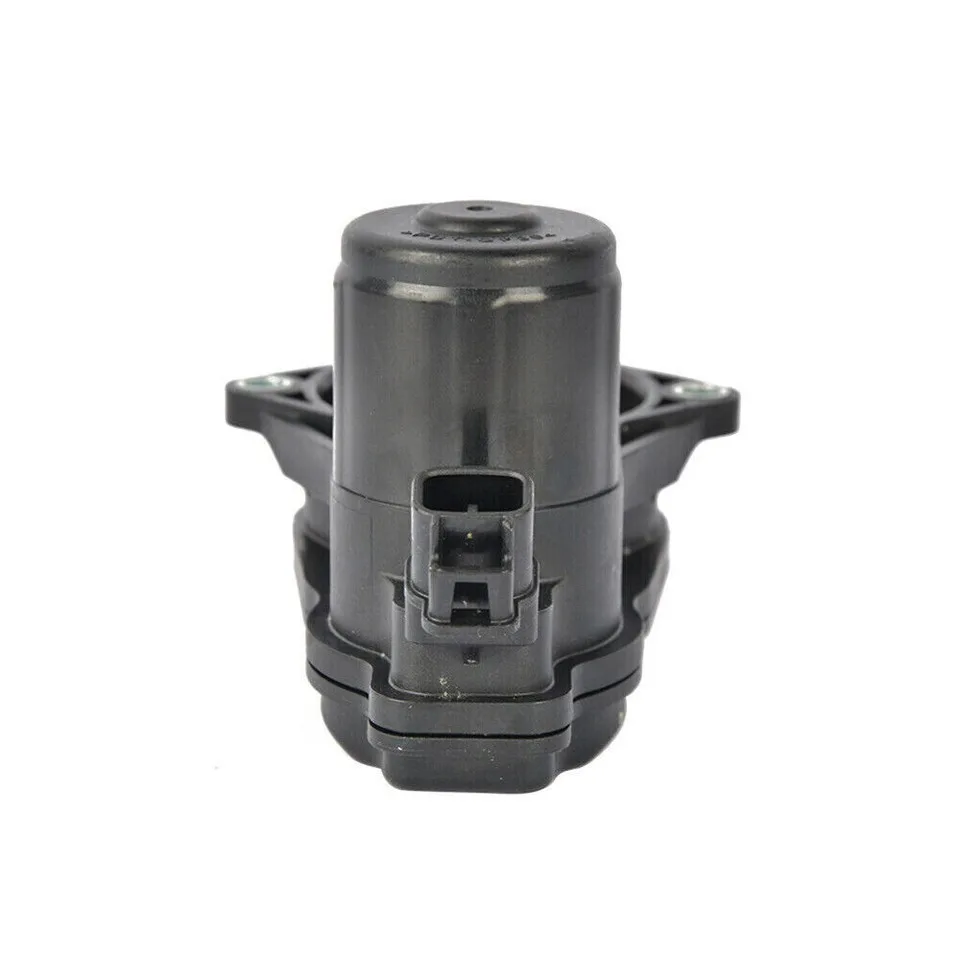
Toyota issued a programming update TSB 0094-09 for early-build vehicles but the hardware defect persists. Replacement requires a Techstream scan tool to bleed the system properly. Manual bleeding does not cycle the actuator solenoids so air traps remain.
Independent shops with Techstream charge nine hundred to fourteen hundred dollars including the Denso remanufactured unit. Dealers run two thousand to twenty-eight hundred. A used actuator from a recycler is a false economy, failure rate on used units approaches fifty percent within twelve months.
If you are buying a 2008 Avalon with over eighty thousand miles ask for proof of actuator replacement. No proof means budget one thousand dollars immediately. The repair is not a DIER job unless you own or rent a Techstream cable and software.
NHTSA investigation PE14023 covered this actuator across multiple Toyota models but no formal recall was issued. That means the cost falls on the owner outside the three-year thirty-six thousand mile basic warranty.
2GR-FE Oil Consumption: Piston Ring Design, Real Consumption Rates, and the Toyota Threshold
The 2GR-FE uses a low-tension oil ring pack with small drain-back holes in the piston groove. Under light-load operation the rings can stick allowing oil to pass into the combustion chamber. Toyota acknowledges consumption up to one quart per twelve hundred miles as normal.
Many owners see one quart per three thousand miles or less with regular five thousand mile oil changes using 0W-20 synthetic. Short trips, deferred changes, and high engine hours accelerate the problem.
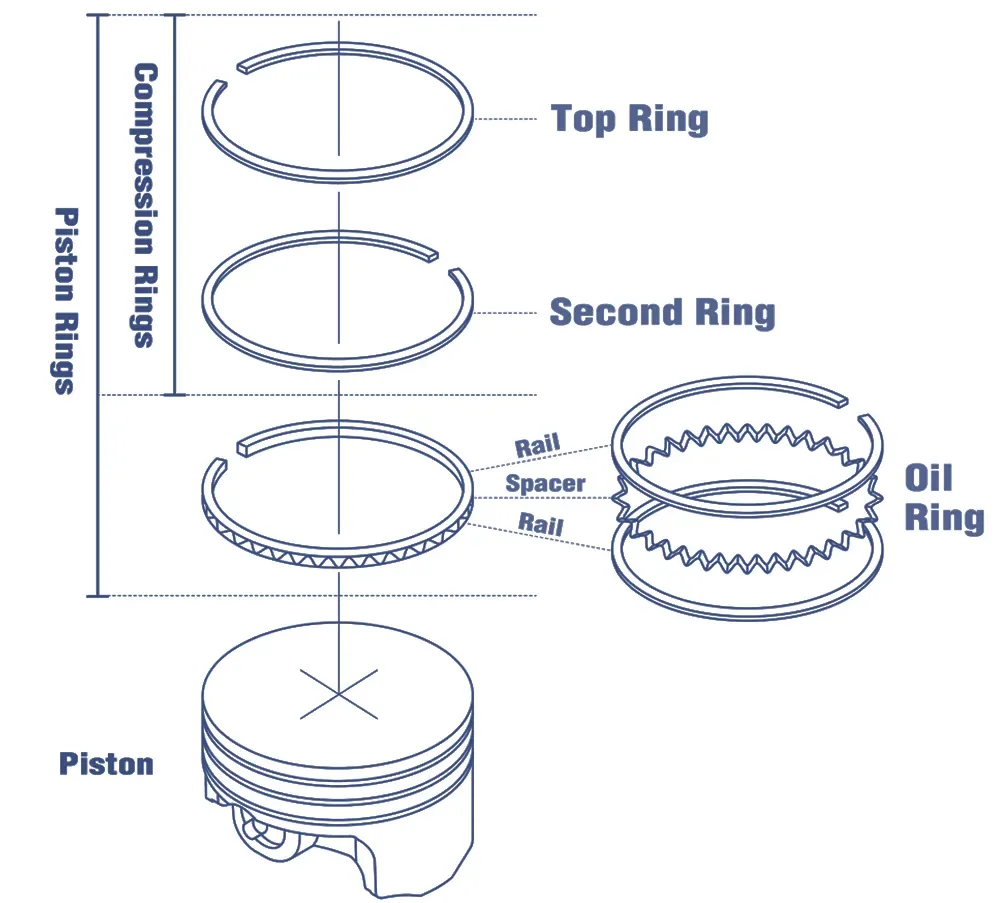
A formal oil consumption test requires a dealer to seal the drain plug and filter, fill to the exact mark, then return after twelve hundred miles to measure. If consumption exceeds the threshold Toyota may authorize piston and ring replacement under the customer support program ZJC for eligible VINs. That program covers ten years or one hundred fifty thousand miles from original sale.
As of 2026 most 2008 models are outside that window by time but some low-mileage examples may still qualify.
Practical steps: check oil every fuel stop for the first two thousand miles after purchase. Use 0W-20 full synthetic meeting API SN Plus or SP. Change at five thousand miles or six months whichever comes first.
Avoid extended idle warm-ups. If consumption stabilizes at one quart per three thousand miles the engine will run two hundred fifty thousand miles without internal work. If it exceeds one quart per fifteen hundred miles plan for a used engine swap, ring replacement labor exceeds the car’s value.
Steering Intermediate Shaft Clunk: Annoying Noise or Safety Issue?
The steering intermediate shaft connects the column to the rack through a splined joint with a rubber damper. Over time the splines wear and the damper hardens creating a metallic clunk over bumps or when turning at low speed. The noise transmits through the column to the driver’s hands.
It does not affect steering precision, alignment, or safety. Toyota TSB SR009-09 describes an updated shaft with improved damping material.
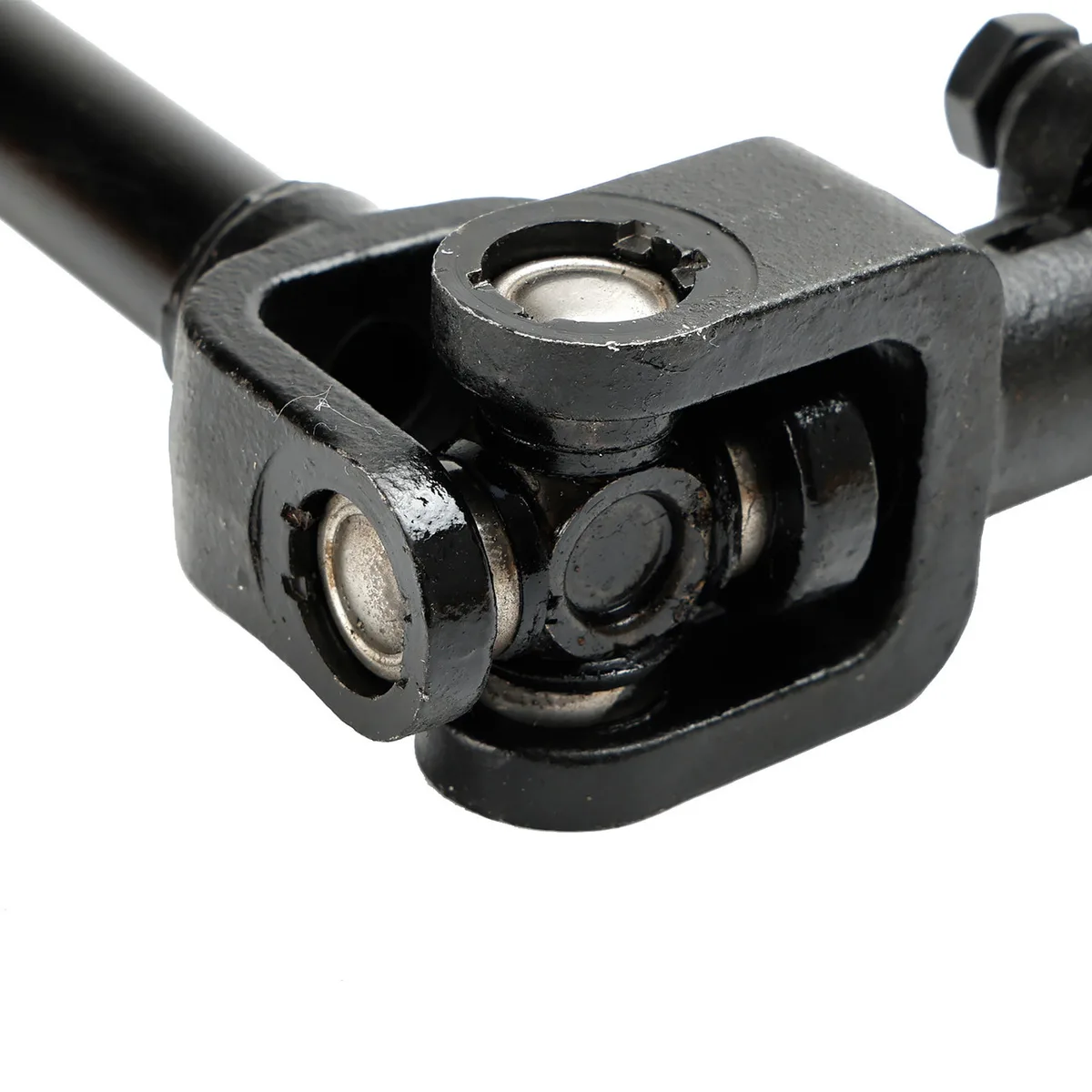
Replacement takes about one hour at an independent shop. Parts cost runs one hundred fifty to two hundred dollars for the updated shaft. Some owners silence the clunk temporarily by injecting dielectric grease into the splines through the boot.
That fix lasts six to twelve months. If the clunk appears during a test drive use it as a negotiation point but do not walk away. The shaft will not separate or cause loss of control.
Confirm the noise is not from the rack itself by checking for fluid leaks at the inner tie rod boots.
If you are DIY the shaft bolts are twelve millimeter and seventeen millimeter. Torque the lower pinch bolt to twenty-six foot-pounds and the upper to thirty foot-pounds. Mark the clock position before removal to preserve alignment.
No scan tool calibration is needed. This is one of the few repairs on this platform that a competent home mechanic can complete with basic hand tools.
Takata and Side Curtain Airbag Recalls: How to Verify Your VIN Is Fully Cleared
Three separate recall campaigns cover the 2008 Avalon airbag systems. Recall 19V-395 and 20V-018 address Takata driver and passenger frontal inflators that can rupture with excessive force sending metal fragments into the cabin. Recall 20V-676 covers side curtain airbag inflators manufactured by a different supplier that can also rupture during deployment.
All repairs are free at any Toyota dealer regardless of ownership history or mileage.
Check your VIN at nhtsa.gov/recalls or toyota.com/recall. The lookup shows open recalls and repair completion status. As of 2026 national completion rates hover around eighty-five percent but older vehicles in secondary ownership often fall through the cracks.
If a dealer claims the repair is done ask for the repair order showing the inflator serial number and date. Some early Takata replacements used like-for-like inflators that were later recalled again. The final remedy uses a desiccated propellant inflator marked with a green dot on the label.
Do not drive a vehicle with an open airbag recall. The risk is low probability but catastrophic consequence. If a dealer says parts are unavailable escalate to Toyota customer experience at 800-331-4331.
They can authorize a loaner vehicle while you wait. Side curtain inflator replacement requires headliner removal which takes a full day. Frontal inflator swaps take about two hours.
Both are straightforward for any dealer body shop.
Dashboard Cracking: Cosmetic Eyesore or Airbag Deployment Hazard?
The dashboard substrate on 2008 to 2012 Avalons develops deep cracks radiating from the passenger airbag door and the instrument cluster hood. Heat cycling and UV exposure accelerate the failure. NHTSA complaint ID 10028986 documents over one hundred reports.
The crack pattern matters. Hairline fractures confined to the surface are cosmetic. Cracks that penetrate the substrate and cross the passenger airbag deployment seam can alter the door opening trajectory.
Toyota extended warranty coverage for this issue to ten years or one hundred fifty thousand miles under customer support program ZJB. That window closed for most 2008 models by 2018. A few low-mileage vehicles may still qualify if the crack appeared before the deadline and a dealer documented it.
Replacement dash assemblies run twelve hundred to eighteen hundred dollars installed. Aftermarket dash covers cost two hundred dollars but do not restore structural integrity.
Inspect the passenger side dash in direct sunlight. Run a fingernail across any crack. If it catches the substrate is split.
Shine a flashlight from underneath through the glove box opening. Light passing through confirms full penetration. If the crack intersects the rectangular outline of the airbag door treat it as a safety item.
Negotiate five hundred to eight hundred dollars off purchase price or require dealer replacement before sale. Do not cover a cracked dash with a mat, it can become a projectile during deployment.
Power Window Regulator Failure: The Cable Snaps That Trap Windows in Doors
All four doors use cable-driven regulators with plastic pulley guides. The cables fray at the motor drum or the pulley cracks allowing the cable to jump off track. The window falls into the door cavity and will not rise.
The motor often still runs but the glass does not move. Front regulators fail more often due to higher cycle count. Typical failure mileage is seventy thousand to one hundred twenty thousand miles.
Regulator assemblies cost one hundred twenty to two hundred dollars for aftermarket units. Denso OE units run two hundred fifty to three hundred fifty. Labor is one to one and a half hours per door.
Independent shops charge two hundred to four hundred total per door. DIY is straightforward: remove the door panel, disconnect the motor, unbolt the regulator, swap the unit. Torque the motor bolts to seven foot-pounds.
Reinitialize the auto-up function by holding the switch up for two seconds after the window closes.
Symptoms before total failure include slow operation, grinding noise, or the window dropping an inch when the door opens. Lubricate the window tracks and regulator slides with silicone spray every twelve months to extend life. Do not force a stuck window, the cable will snap.
If the window falls and you cannot raise it immediately tape the glass in the up position with painter's tape to keep rain out until repair.
EVAP Purge Valve and Charcoal Canister: The Rough Idle That Fails Smog
The EVAP purge valve mounts on the intake manifold near the throttle body. It controls fuel vapor flow from the charcoal canister to the engine. When the valve sticks open excess vapor enters at idle causing rough running, hard start after refueling, and a check engine light with codes P0441 or P0455.
The valve fails due to carbon buildup on the pintle seat. Replacement takes twenty minutes with basic tools.
The charcoal canister sits behind the rear wheel well liner on the driver side. It can saturate with liquid fuel if the tank is routinely topped off past the pump click. A saturated canister overwhelms the purge valve and triggers the same codes.
Canister replacement requires dropping the rear exhaust section for access. Labor drives the cost to four hundred to six hundred dollars. Prevent saturation by stopping at the first click.
Smog test failure in CARB states is the practical consequence. The monitor will not ready until the purge valve passes its self-test. A smoke test at an independent shop confirms whether the leak is at the valve, canister, or a cracked hose.
Purge valve cost is forty to eighty dollars. Canister is two hundred to three hundred. Replace the valve first.
If codes return with a known good valve the canister is next. This system does not affect drivability or safety only emissions compliance.
Water Pump Weep Hole Leaks: Timing Chain Cover Labor Drives the Bill
The water pump is driven by the timing chain inside the front cover. Coolant leaks from the pump weep hole drip onto the timing chain cover and eventually onto the ground. Early signs are dried pink crust on the cover near the crank pulley and low coolant with no external hose leaks.
The pump bearing fails around ninety thousand to one hundred thirty thousand miles. Overheating risk is real if the leak accelerates suddenly.
Repair requires removing the timing chain cover, chain, and tensioners. Labor is six to eight hours. Parts include the pump, cover gasket, chain tensioner, and often the chain itself if mileage exceeds one hundred fifty thousand.
Total parts three hundred to five hundred dollars. Independent shop total eight hundred to twelve hundred. Dealer twelve hundred to eighteen hundred.
There is no external pump access, the entire front of the engine comes apart.
Inspect the weep hole area at every oil change after ninety thousand miles. Use a mirror and flashlight. Coolant residue means plan the repair within three months.
Do not add stop-leak products, they clog the heater core and radiator passages. Use only Toyota Super Long Life Coolant or equivalent phosphate-free OAT coolant mixed fifty-fifty with distilled water. The timing chain has no service interval but inspect the guides and tensioner while the cover is off.
Replace any component showing wear.
Torque Converter Shudder: Fluid Flush First, Converter Second
A vibration at forty-five to fifty-five miles per hour under light throttle usually means torque converter clutch shudder. The lock-up clutch chatters as it engages. A full fluid exchange with Toyota WS fluid fixes sixty percent of cases.
Use twelve quarts for a complete flush including the cooler circuit. Drain and fill only replaces three quarts and rarely works.
If the flush fails the converter itself is worn. Replacement requires transmission removal. Labor is eight to ten hours.
A remanufactured converter costs four hundred to six hundred dollars. Total repair runs two thousand to three thousand dollars. Used transmissions from a recycler with under eighty thousand miles cost fifteen hundred to two thousand installed.
At that price many owners opt for the used unit.
Pre-Purchase Inspection Checklist: 10-Step Verification Before You Buy
- Scan for codes with Techstream, check C1241 C1256 C1391 P0441 P0455.
- Verify all recalls closed on NHTSA using the VIN.
- Cold start, listen for timing chain rattle and check oil pressure light delay.
- Measure oil level, ask for consumption history and last change receipt.
- Test drive, brake hard from forty mph feeling for pedal fade or VSC light.
- Turn steering lock to lock, listen for intermediate shaft clunk.
- Inspect dash in sunlight, check for cracks crossing airbag seams.
- Operate all windows, note speed noise and auto-up function.
- Check coolant reservoir, look for pink crust near water pump weep area.
- Confirm transmission fluid is pink not brown, ask for flush records.
Repair Cost Reality: Dealer vs. Independent vs. DIY for Each Major Failure
| Repair | Dealer | Independent | DIY Parts Only |
|---|---|---|---|
| Brake actuator | $2,200–$2,800 | $900–$1,400 | $600–$800 |
| Engine replacement | $5,500+ | $3,500–$4,500 | $2,000–$3,000 |
| Steering shaft | $350–$500 | $150–$300 | $120–$200 |
| Dash replacement | $1,800+ | $1,200–$1,500 | $800–$1,000 |
| Window regulator | $400–$600 | $200–$400 | $120–$250 |
| Water pump | $1,500–$2,000 | $800–$1,200 | $300–$500 |
| Torque converter | $3,000+ | $2,000–$2,500 | N/A |
Dealer pricing includes genuine parts and twelve month warranty. Independent shops often use Denso remanufactured units with equal quality. DIY saves labor but requires tools and skill.
Brake actuator and transmission work need Techstream, not DIY friendly.
When to Walk Away: Decision Guide for High-Mileage Buyers
Walk away if the brake actuator has failed and the seller refuses a one thousand dollar discount. Walk away if oil consumption exceeds one quart per twelve hundred miles on a documented test. Walk away if any airbag recall remains open and the dealer cannot schedule repair within thirty days.
Walk away if the dash crack crosses the passenger airbag door outline. Walk away if the transmission shudders after a documented fluid flush.
Stay if the actuator was replaced with an updated unit and you have the receipt. Stay if oil consumption is under one quart per three thousand miles with synthetic history. Stay if all recalls show completed with repair orders.
Stay if the dash is intact or has only surface hairlines. Stay if the steering clunk is the only noise and the shaft boot is intact. These cars reach three hundred thousand miles when the big items are addressed.
Maintenance That Actually Prevents the Worst Failures
Change brake fluid every thirty thousand miles or thirty-six months, contaminated fluid kills the actuator pump motor. Use Toyota 0W-20 full synthetic every five thousand miles, clean oil keeps piston rings free. Flush transmission with WS fluid every sixty thousand miles, prevents converter shudder.
Lubricate window tracks and steering shaft splines annually, extends regulator and shaft life. Stop fueling at first click, protects EVAP canister. Inspect water pump weep hole at every oil change after ninety thousand miles, catches leaks before overheating.
These six habits cost pennies compared to the repairs they prevent.
Frequently Asked Questions
What brake actuator codes mean the unit has failed?
Codes C1241, C1256, and C1391 indicate pressure sensor or pump motor failure inside the actuator. The VSC, ABS, and brake lights will all illuminate.
How do I perform the official oil consumption test?
A dealer seals the drain plug and filter, fills to the exact mark, then measures after 1,200 miles. Consumption over one quart triggers potential coverage under program ZJC.
Are Takata repairs still free in 2026?
Yes. All Takata and side curtain airbag recalls remain free at any Toyota dealer regardless of vehicle age, mileage, or ownership history.
Can I bleed the brake actuator without Techstream?
No. The actuator solenoids must be cycled electronically to purge trapped air. Manual bleeding leaves air in the system and the lights stay on.
Does the steering shaft clunk ever become dangerous?
No. The noise comes from worn splines and a hardened damper. Steering precision and safety are not affected.
It is a comfort issue only.
Final Verdict: Buy, Hold, or Sell Based on Your Specific Situation
Buy a 2008 Avalon only if the brake actuator has been replaced with an updated unit and you hold the receipt. Hold yours if oil consumption stays under one quart per 3,000 miles, all recalls are cleared, and you follow the six preventive maintenance habits. Sell if the actuator has failed and you lack Techstream access, if oil consumption exceeds the Toyota threshold, or if any airbag recall remains open with no parts timeline.
The platform rewards disciplined upkeep and punishes deferred maintenance. Choose accordingly.