
The 2014 toyota tundra problems center on three high-stakes defects that can cost thousands or compromise safety. Frame perforation at the rear spring mounts remains the most expensive risk. Secondary air injection pump failure triggers check-engine lights and failed emissions tests.
Torque converter shudder erodes drivability and can lead to transmission damage. These are not minor annoyances. They define the ownership experience for this final second-generation model year.
Toyota extended the frame corrosion warranty to 15 years with unlimited mileage under the ZCT campaign. That coverage expires as early as 2029 for the first 2014 builds. The 5.7L 3UR-FE V8 and 4.6L 1UR-FE V8 both use an electric secondary air injection system updated from the earlier belt-driven design.
Understanding these systems lets you inspect smartly and negotiate repairs confidently.
Quick Answer
The 2014 Toyota Tundra has three major problems. Frame rot at rear spring mounts can perforate the frame. The secondary air injection pump fails and costs $2,500 to $3,500 at dealers.
Torque converter shudder appears between 40 and 50 mph. Toyota covers frame repairs for 15 years unlimited miles. The air injection pump has no extended warranty.
The torque converter has a TSB reflash fix.
Why the 2014 Tundra's Problems Carry Real Safety and Financial Stakes
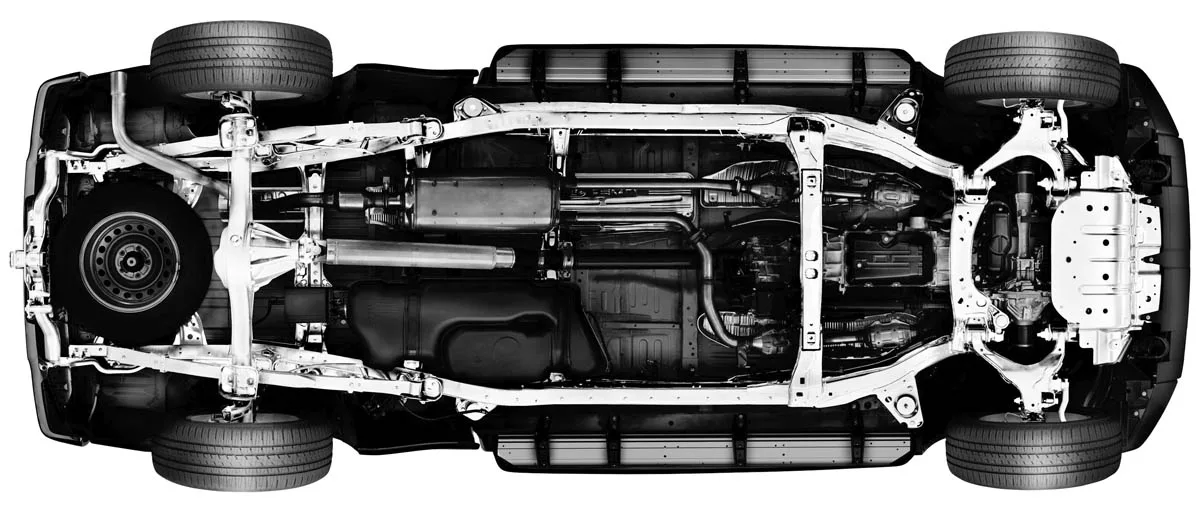
Frame perforation is a structural safety issue. Rust at the rear crossmember and spring mounts can cause the frame to crack under load. A cracked frame changes crash energy management.
It can also cause the rear axle to shift. The ZCT warranty extension covers perforation repairs or a buyback at 1.5 times retail value. But the clock is ticking.
Coverage ends 15 years from the original sale date.
The secondary air injection system injects fresh air into the exhaust during cold starts. This burns off excess hydrocarbons. When the pump fails the engine computer sets codes P0418, P2440, P2441, or P2442.
The vehicle fails emissions testing in every state. Dealer replacement runs $2,500 to $3,500 including labor. Aftermarket bypass kits exist but violate federal tampering law.
They also fail visual inspection in CARB states.
Torque converter shudder feels like driving over rumble strips at light throttle. It happens when the lockup clutch chatters. Toyota issued TSB 0029-15 with a transmission control module reflash.
The fix is free under the 5-year 60,000-mile powertrain warranty. Outside that window dealers charge diagnostic time plus the reflash. Ignoring it can overheat the transmission fluid and damage the converter.
These three issues interact. A truck with frame rot often sits in salt-belt regions where road salt accelerates every corrosion problem. The same environments stress brake lines and fuel lines.
Owners facing multiple repairs must decide whether to invest or sell. That decision requires real numbers.
The Three Core Issues: Frame Rot, SAIS Failure, and Torque Converter Shudder
Frame rot starts at the inside of the frame rail where moisture traps against the spring perch. The fully boxed front section resists rust well. The open C-channel rear section traps salt and water.
Perforation typically appears first at the rear spring mount bracket welds. A tap test with a hammer reveals hollow sounds. A borescope shows internal scale.
Wire wheel cleaning exposes the true metal thickness.
The secondary air injection pump mounts on the passenger side of the 5.7L and 4.6L engines. It draws ambient air through a filter and pushes it into the exhaust manifold ports. The electric motor brushes wear out.
Water intrusion corrodes the connector. The pump runs only during cold starts for about 90 seconds. Failure is silent until the check engine light illuminates.
No drivability symptoms appear.
Torque converter shudder originates in the lockup clutch friction material. The AB60F six-speed transmission uses a specific fluid formulation. Toyota WS fluid degrades over time.
The TSB reflash adjusts lockup timing and pressure curves. Some trucks need a fluid exchange with genuine WS fluid before the reflash works. Others need a new torque converter.
The TSB covers the reflash only.
| Issue | Primary Symptom | Typical Mileage | Warranty Coverage |
|---|---|---|---|
| Frame perforation | Visible holes, hollow tap sound | 80,000–150,000 | 15 years unlimited miles (ZCT) |
| SAIS pump failure | Check engine light, emissions fail | 90,000–140,000 | 3 years 36,000 miles basic |
| Torque converter shudder | Vibration at 40–50 mph light throttle | 30,000–80,000 | 5 years 60,000 miles powertrain |
Frame Perforation: How to Inspect, What the 15-Year Warranty Covers, and When Toyota Buys Back
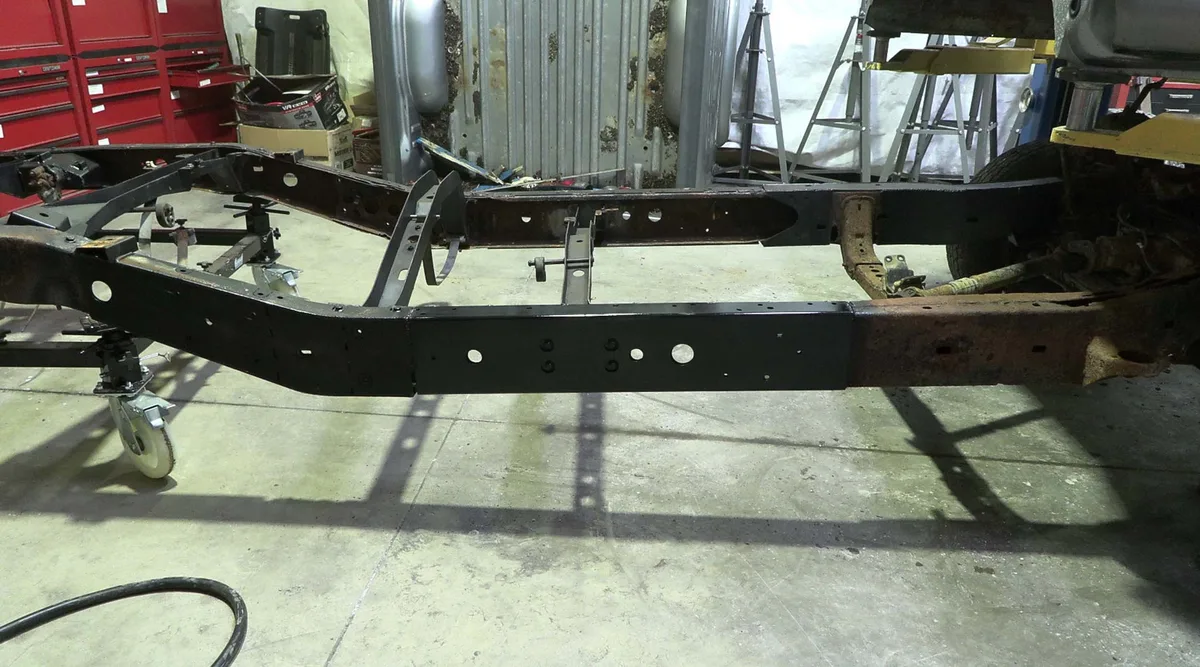
Start with a visual inspection. Crawl under the truck with a bright light. Focus on the rear spring mount brackets on both frame rails.
Look for bubbling paint, flaking rust, or actual holes. Tap each bracket with a ball-peen hammer. Solid steel rings.
Rotted steel thuds. Probe suspect areas with a pick. If the pick penetrates the metal the frame is perforated.
Toyota's ZCT campaign covers frame replacement if perforation is confirmed. The dealer submits photos and measurements to Toyota's regional office. Approval takes 2, 4 weeks.
If approved the dealer orders a new frame. Labor runs 40, 60 hours. Toyota pays the dealer directly.
You pay nothing. If the frame is too damaged for safe repair Toyota may offer a buyback at 1.5 times the NADA clean retail value. That offer includes any open recalls completed.
The warranty does not cover surface rust. It does not cover brake lines, fuel lines, or body mounts. It does not cover trucks with altered frames (lift kits, weld-on accessories).
It does not cover commercial plow trucks in some regions. Read the ZCT owner letter carefully. The letter arrived by mail for registered owners.
If you bought used you can check coverage by VIN at any Toyota dealer.
Document everything. Take dated photos of the perforation. Keep all dealer paperwork.
If the dealer denies the claim ask for the denial in writing. Contact Toyota customer experience at 1-800-331-4331. Escalate to the regional office if needed.
The NHTSA also tracks frame corrosion complaints. File a report at safercar.gov if you suspect a safety defect.
Secondary Air Injection Pump Failure: Codes, Dealer Quotes, and the Delete Dilemma
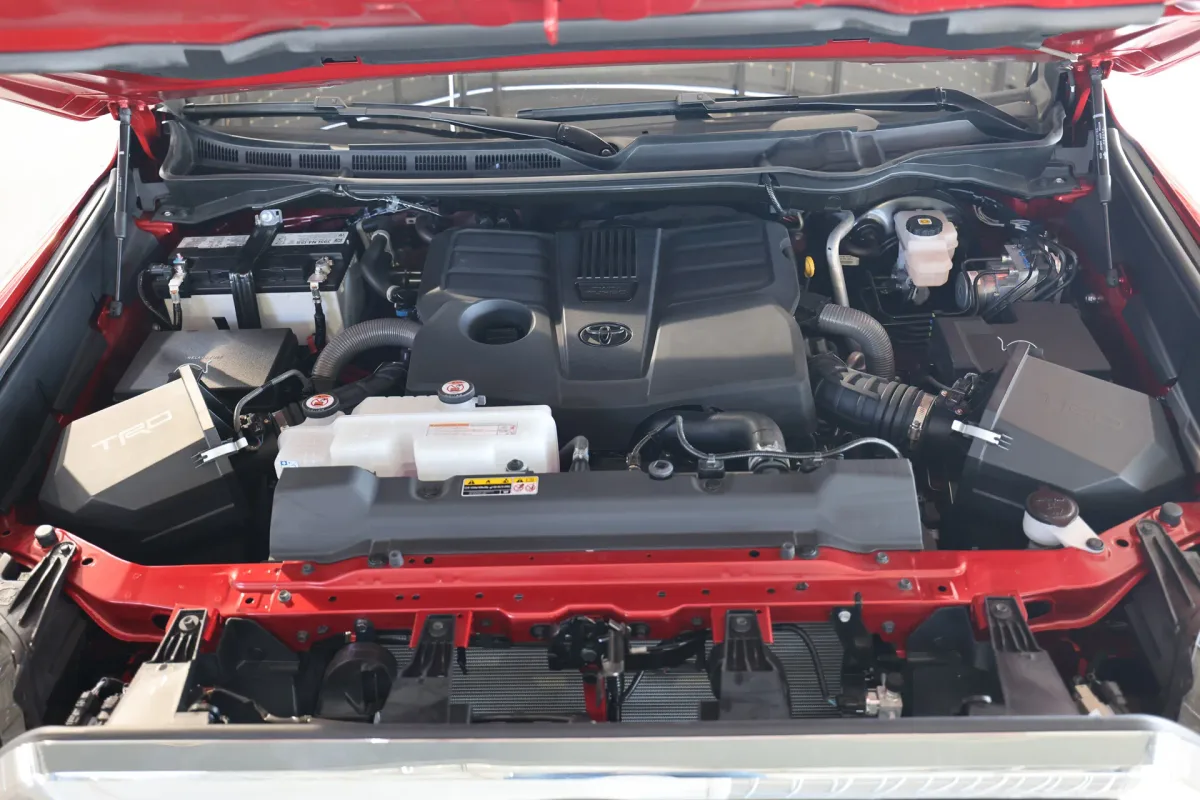
The pump sits low on the passenger side behind the front tire. Road spray hits it directly. The electric motor draws 20, 30 amps during operation.
A relay in the engine fuse box controls power. The computer monitors flow via pressure sensors in the air injection passages. When flow drops below threshold the codes set.
Diagnosis starts with a scan tool. Check for codes P0418 (pump circuit), P2440 (stuck open), P2441 (stuck closed), P2442 (stuck closed bank 2). Command the pump on with bidirectional controls.
Listen for the motor. Feel for vibration at the pump body. Check the 30-amp fuse.
Swap the relay with a known good one. If the pump runs but codes return the check valves or passages may be carboned up.
Dealer quotes range from $2,500 to $3,500. The pump assembly lists around $1,200. Labor is 6, 8 hours at $150, $180 per hour.
Gaskets and hardware add $200. Some dealers replace both pumps on V8 models as preventive maintenance. That pushes the bill over $4,000.
Independent shops may charge $1,800, $2,500 using aftermarket pumps.
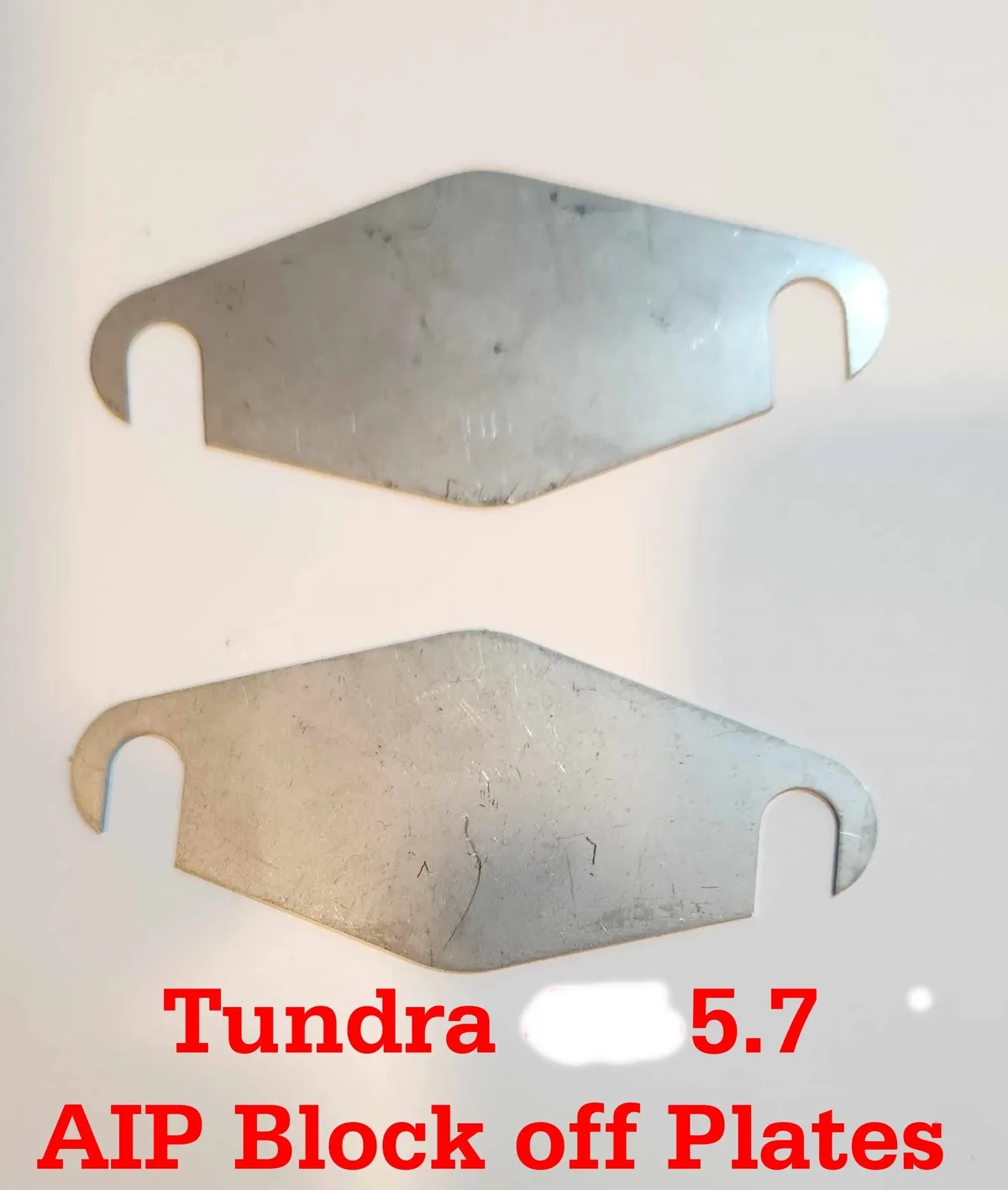
Aftermarket bypass kits cost $350, $600. They include block-off plates for the cylinder heads and resistor simulators for the pump connector. An ECU tune disables the readiness monitors.
Total cost with tuning runs $800, $1,400. The kit installs in 3, 4 hours with basic tools. But the federal Clean Air Act prohibits tampering with emissions equipment.
Penalties reach $4,819 per violation. CARB states will fail the visual inspection. The vehicle cannot be registered.
| Repair Option | Parts Cost | Labor Cost | Total | Legal in CARB States |
|---|---|---|---|---|
| Dealer OEM pump | $1,200 | $1,200–$1,500 | $2,500–$3,500 | Yes |
| Independent aftermarket pump | $600–$800 | $800–$1,200 | $1,800–$2,500 | Yes |
| Bypass kit + tune | $350–$600 | $400–$800 | $800–$1,400 | No |
| Used pump swap | $200–$400 | $600–$1,000 | $800–$1,400 | Yes |
Torque Converter Shudder: TSB Reflash vs. Transmission Damage
The shudder feels like a vibration through the seat and steering wheel. It appears at 40, 50 mph under light acceleration. Letting off the throttle or pressing harder makes it stop.
The sensation matches driving over rumble strips. It often starts after a transmission fluid change with non-WS fluid. It can also appear spontaneously as the friction material glazes.
Toyota TSB 0029-15 addresses this condition. The fix is a transmission control module software update. The reflash modifies lockup clutch apply timing and pressure curves.
It also adjusts the torque converter slip target. The dealer performs the reflash using the Techstream tool. The process takes 30, 45 minutes.
Under the 5-year 60,000-mile powertrain warranty the fix is free. Outside warranty dealers charge 0.5, 1.0 hours labor.
If the reflash does not resolve the shudder the torque converter may need replacement. The converter lists around $800. Labor adds 8, 10 hours for transmission removal.
Total repair runs $2,000, $3,000. Continuing to drive with shudder overheats the fluid. Burnt fluid smells sweet and turns dark brown.
Overheating damages the valve body solenoids and clutch packs. A full transmission rebuild exceeds $5,000.
Check the fluid first. Pull the dipstick with the engine running at operating temperature. The fluid should be pink and smell neutral.
If it smells burnt or looks dark schedule a fluid exchange with genuine Toyota WS fluid. Do not use universal fluids. Do not use additives.
The WS formulation is specific to the AB60F friction materials. A proper exchange uses 12, 14 quarts and cycles the fluid through the cooler lines.
After the fluid exchange drive the truck for 200, 300 miles. If shudder persists request the TSB reflash. Document the complaint in writing.
If the dealer refuses the reflash under warranty contact Toyota regional. The NHTSA also has a technical service bulletin search. You can verify the TSB applies to your VIN at the Toyota owners portal.
Safety Recalls You Cannot Ignore: Takata Airbags, Spare Tire Carrier, Seat Belt Pretensioners
Three active recalls affect the 2014 Tundra. The Takata airbag inflator recall (14V-351, 16V-057) covers driver and passenger frontal airbags. The inflators can rupture in a crash spraying metal fragments.
NHTSA issued a "Do Not Drive" warning for certain VINs. Check your VIN at nhtsa.gov/recalls. The repair is free and takes about two hours.
The spare tire carrier cable recall (15V-444) addresses corrosion on the secondary latch cable. The cable can snap allowing the spare tire to fall onto the road. Dealers replace the cable and add a protective cover.
The fix takes 30 minutes. Completion rates hover around 70 percent. Many used trucks still have the original cable.
The seat belt pretensioner recall (16V-057) covers front seat belt retractors. The pretensioner may not fire in a crash reducing occupant protection. Dealers replace the retractor assemblies.
The repair takes about one hour per side.
All recall repairs are free regardless of mileage or ownership history. Schedule them together to minimize dealer visits. Bring the recall letters if you have them.
If the dealer claims parts are unavailable ask for a loaner vehicle. Toyota must provide one for safety recalls under federal law.
| Recall | NHTSA Campaign | Component | Risk | Repair Time |
|---|---|---|---|---|
| Takata airbag | 14V-351, 16V-057 | Driver/passenger inflators | Shrapnel injury death | 2 hours |
| Spare tire cable | 15V-444 | Secondary latch cable | Spare tire road hazard | 30 minutes |
| Seat belt pretensioner | 16V-057 | Front retractor assemblies | No pretension in crash | 1 hour per side |
Exhaust Manifold Cracks, Dash Cracking, and Other Costly Nuisances
The 5.7L 3UR-FE exhaust manifolds crack at the rear cylinder merge point. A ticking noise on cold start that fades as the engine warms is the classic sign. Soot stains on the manifold flange confirm the leak.
Dealer replacement costs $1,200 to $1,800. Aftermarket headers cost $800 to $1,500 but may not pass CARB visual inspection.
Dashboard cracking affects the passenger side upper pad. Heat cycles and UV exposure cause the vinyl to split. The crack often starts near the windshield and spreads toward the glove box.
Toyota does not cover this under warranty. A replacement dash pad costs $400 to $600 plus 3, 4 hours labor. Dash covers hide the crack for $50 to $100.
Rear leaf spring bushings wear prematurely causing a clunk over bumps. The bushings are not serviceable separately. The entire spring assembly must be replaced.
Dealer cost runs $600 to $900 per side. Aftermarket springs with greaseable bushings cost $300 to $500 per side.
The tailgate handle mechanism fails when the internal cable snaps. The handle moves freely but the latch does not release. A revised handle assembly costs $80 to $120.
Installation takes 30 minutes with basic tools. The steering intermediate shaft clunk (TSB 0012-14) produces a knock at low speeds. The fix is a revised shaft with improved splines.
Dealer cost is $250 to $400.
Fuel pump control module failures cause long crank times or no start. The module mounts on the frame rail near the tank. Corrosion kills the circuit board.
Dealer replacement is $400 to $600. A relocated aftermarket kit moves the module to the cab interior for $300.
Repair Path Comparison: OEM Fix, Aftermarket Bypass, or Trade-In — What Makes Sense for You
The OEM path keeps the truck factory original. Frame repairs are free under ZCT. SAIS pump replacement at a dealer runs $2,500 to $3,500.
Torque converter reflash is free under powertrain warranty. Total out of pocket could be zero if only frame and torque converter need work. This path preserves resale value and passes all inspections.
The aftermarket bypass path targets the SAIS system. A block-off plate kit with ECU tune costs $800 to $1,400 installed. You avoid the $3,000 dealer pump job.
But you lose legal emissions compliance in CARB states. You risk federal tampering fines. The check engine light stays off but readiness monitors show "not ready" during inspection.
The trade-in path makes sense when repair costs exceed the truck's value. A 2014 Tundra with 150,000 miles in good condition trades for $18,000 to $25,000. Frame rot cuts that by 40, 60 percent.
SAIS failure cuts it by $3,000. Combined issues can push the trade value below $10,000. Selling private party discloses problems but nets more cash.
Match the path to your situation. Keep and fix OEM if you live in a non-CARB state, plan to own five more years, and the frame is solid. Choose bypass only if you live in a non-CARB state, accept the legal risk, and need a cheap emissions pass.
Trade if the frame is perforated, you face multiple big repairs, or you need a reliable daily driver now.
| Path | Upfront Cost | Long-Term Risk | Best For |
|---|---|---|---|
| OEM repair | $0–$3,500 | Low | Non-CARB owners keeping truck |
| SAIS bypass + tune | $800–$1,400 | Legal emissions risk | Non-CARB owners needing cheap fix |
| Trade-in | Negative equity possible | Depreciation on next vehicle | Perforated frame or multiple failures |
Common Mistakes That Void Warranties, Fail Emissions, or Worsen Frame Rot
Pressure washing the frame pushes salt deeper into the box sections. Use a garden hose and low-pressure rinse instead. Applying undercoating over active rust traps moisture and accelerates rot.
The frame must be clean and dry before any coating. Rust converter products work only on surface rust not perforation.
Installing a lift kit or weld-on accessories voids the ZCT frame warranty. Toyota denies claims on modified frames. If you need a lift choose a bolt-on kit that does not drill or weld the frame.
Document the original frame condition before modification with dated photos.
Using non-WS transmission fluid causes torque converter shudder. Universal fluids do not match the AB60F friction material specification. A fluid exchange with genuine Toyota WS fluid costs $200 to $300 at a dealer.
It prevents the $3,000 converter replacement.
Clearing SAIS codes with a scan tool without fixing the pump masks the problem. The readiness monitors will not set. The vehicle fails the emissions test.
The root cause remains. The pump will fail completely eventually.
Ignoring the spare tire carrier recall leaves a road hazard. The cable snaps without warning. The spare tire becomes a projectile at highway speeds.
The recall repair is free and takes 30 minutes. There is no reason to delay.
Real-World Costs: Dealer Quotes, Independent Shop Rates, and DIY Part Prices
Dealer labor rates range from $150 to $220 per hour depending on region. Independent shops charge $100 to $140 per hour. DIY saves labor but requires tools and time.
A SAIS pump replacement needs a scan tool with bidirectional control, basic sockets, and a jack stand. The pump itself costs $600 to $800 aftermarket.
Frame inspection at a dealer costs $150 to $300 if not under warranty claim. Some dealers waive the fee if you authorize the repair. Independent frame specialists charge $200 to $400 for a full inspection with borescope and thickness measurements.
Torque converter reflash at a dealer costs $100 to $200 outside warranty. The Techstream software subscription costs $1,500 per year so few independents offer it. A used torque converter from a salvage yard costs $300 to $500.
Installation adds 8, 10 hours labor.
Exhaust manifold replacement parts cost $400 to $700 aftermarket. Gaskets and hardware add $100. Labor is 4, 6 hours.
Dash pad replacement parts cost $300 to $500. Labor is 3, 4 hours. Tailgate handle assembly costs $80 to $120.
DIY install takes 30 minutes.
| Repair | Dealer Total | Independent Total | DIY Parts Only |
|---|---|---|---|
| SAIS pump (one side) | $2,500–$3,500 | $1,800–$2,500 | $600–$800 |
| Torque converter reflash | $100–$200 | N/A | N/A |
| Exhaust manifold (one side) | $1,200–$1,800 | $800–$1,200 | $500–$800 |
| Dash pad replacement | $800–$1,200 | $500–$800 | $300–$500 |
| Tailgate handle | $200–$350 | $150–$250 | $80–$120 |
| Frame inspection | $150–$300 | $200–$400 | Free (your time) |
When to Involve a Dealer, an Independent Specialist, or a Frame Certified Shop
Frame perforation claims require a Toyota dealer. Only they can submit the ZCT warranty request. Independent shops cannot authorize frame replacement.
For SAIS diagnosis an independent with Techstream access saves dealer diagnostic fees. Torque converter reflash needs dealer Techstream software. Exhaust manifold and dash pad repairs work at any competent shop.
Frame inspections for purchase decisions deserve a frame specialist with a borescope and ultrasonic thickness gauge.
Quick-Reference Decision Guide: Keep, Fix, or Sell Based on Your Situation
Keep and fix OEM if frame passes inspection, you live in a non-CARB state, and planned ownership exceeds three years. Choose SAIS bypass only in non-CARB states with tight budgets and accepted legal risk. Trade or sell if frame is perforated, multiple major repairs stack, or you need reliability now.
Private sale discloses issues but nets more than trade-in. Scrap value for a rotted frame truck runs $2,000 to $3,500.
Frequently Asked Questions
Does the 2014 Tundra have a frame recall?
No. It has a 15-year unlimited-mileage warranty extension (ZCT campaign) for frame perforation. Coverage ends 15 years from original sale date.
What codes mean the SAIS pump failed?
P0418, P2440, P2441, P2442. These indicate pump circuit or flow faults.
Can I pass emissions with a SAIS delete?
Not in CARB states. The visual inspection catches block-off plates. Federal law also prohibits tampering.
How much does frame replacement cost if denied warranty?
$8,000 to $12,000 at a dealer. Few independents attempt full frame swaps.
Is the torque converter shudder dangerous?
Not immediately. Ignoring it overheats fluid and can lead to $5,000 transmission rebuild.