
The 2014 toyota highlander problems list reads long on forums but two safety recalls rise above the noise. Steering shaft corrosion and fuel pump impeller cracks can disable the vehicle without warning. Both repairs are free at any Toyota dealer regardless of mileage or ownership.
Ignoring them puts you and your passengers at risk.
NHTSA data shows over 1.1 million vehicles covered by the steering recall and 3.3 million by the fuel pump campaign. The 3.5 liter 2GR-FE V6 and U660E six-speed automatic are otherwise durable when maintained. This guide walks you through every critical failure point and the exact steps to protect yourself.
Quick Answer
The 2014 Toyota Highlander has two critical safety recalls. Steering intermediate shaft corrosion can cause sudden loss of power assist. Denso HP4 fuel pump impeller cracking can stall the engine at highway speed.
Both repairs are free at any Toyota dealer. Pattern failures include torque converter shudder and excess oil consumption. Water pump leaks and brake actuator failures appear near 100k miles.
The Two Recalls That Can Leave You Stranded — Or Worse
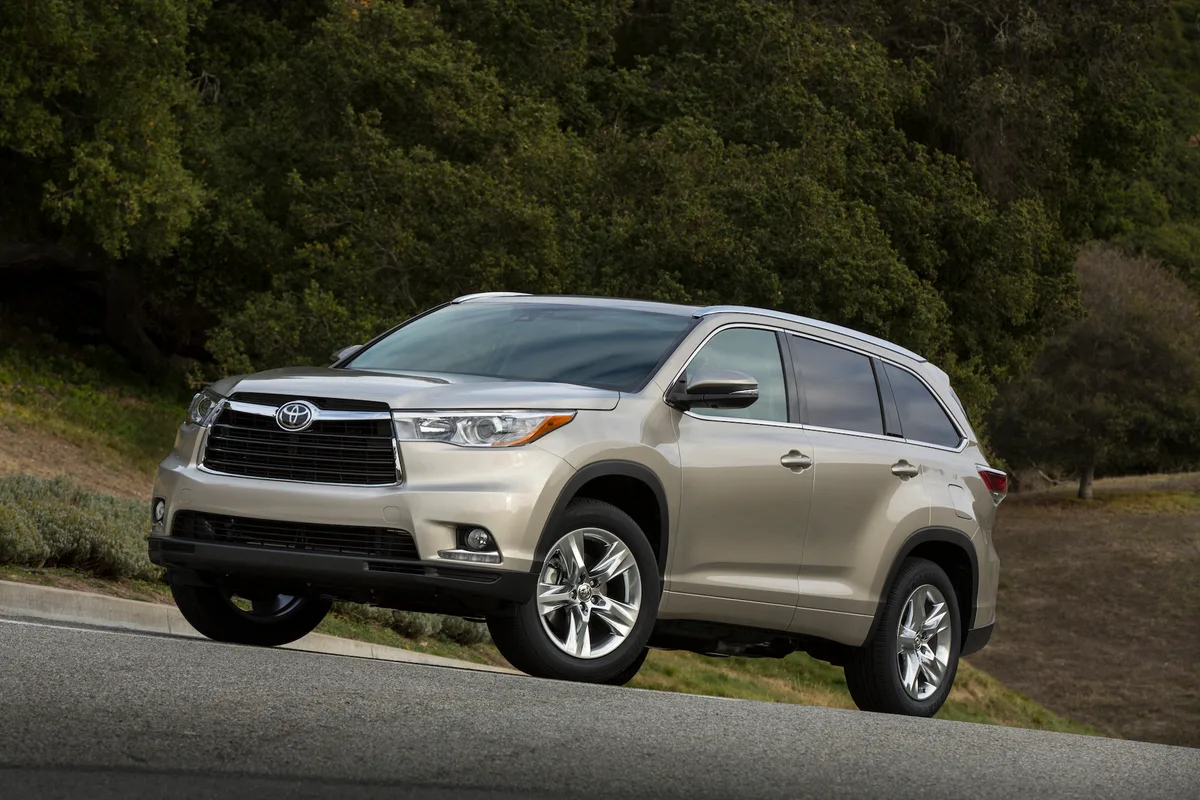
Toyota issued two safety recalls that affect every 2014 Highlander regardless of trim or drivetrain. Recall 18V-601 covers the electric power steering intermediate shaft. Recall 20V-028 and 21V-244 cover the Denso HP4 high-pressure fuel pump.
Neither recall expires. The dealer must perform the remedy at no cost to you.
The steering recall addresses a shaft that can corrode and separate. If it separates you lose power steering assist instantly. The effort required to turn the wheel jumps dramatically.
This is especially dangerous at low speeds or while parking. The fuel pump recall addresses a plastic impeller that can crack. A cracked impeller stops fuel delivery.
The engine quits without warning and will not restart.
Both recalls were expanded over multiple years. The steering campaign originally covered 2013 through 2015 models then expanded to 2019. The fuel pump campaign covers 2013 through 2020 model years across Toyota and Lexus lines.
If your Highlander has not been remedied it remains an open safety defect.
Check your VIN today. The next section shows exactly how.
How to Check Your VIN in 30 Seconds (And Why You Must)
Every vehicle has a unique 17-character Vehicle Identification Number. You find it on the driver side dashboard visible through the windshield. You also find it on the driver door jamb label and on your registration.
Grab it and go to the official Toyota recall lookup page.
Enter the VIN in the search box. The site returns all open recalls for that specific vehicle. It shows remedy status for each campaign.
If a recall shows "OPEN" or "REMEDY NOT YET AVAILABLE" call your local dealer immediately. Schedule the repair. Provide the VIN when you book so they order the correct parts.
You can also check at NHTSA.gov/recalls. The government site pulls the same data. It sometimes shows additional detail like complaint counts and investigation status.
Both sites are free. Both work on mobile. Do this before you buy a used Highlander.
Do this if you have owned yours for years. Dealers are required to fix open recalls before selling a used car but private sellers are not.
Steering Shaft Failure: The Clunk That Turns Into No Steering
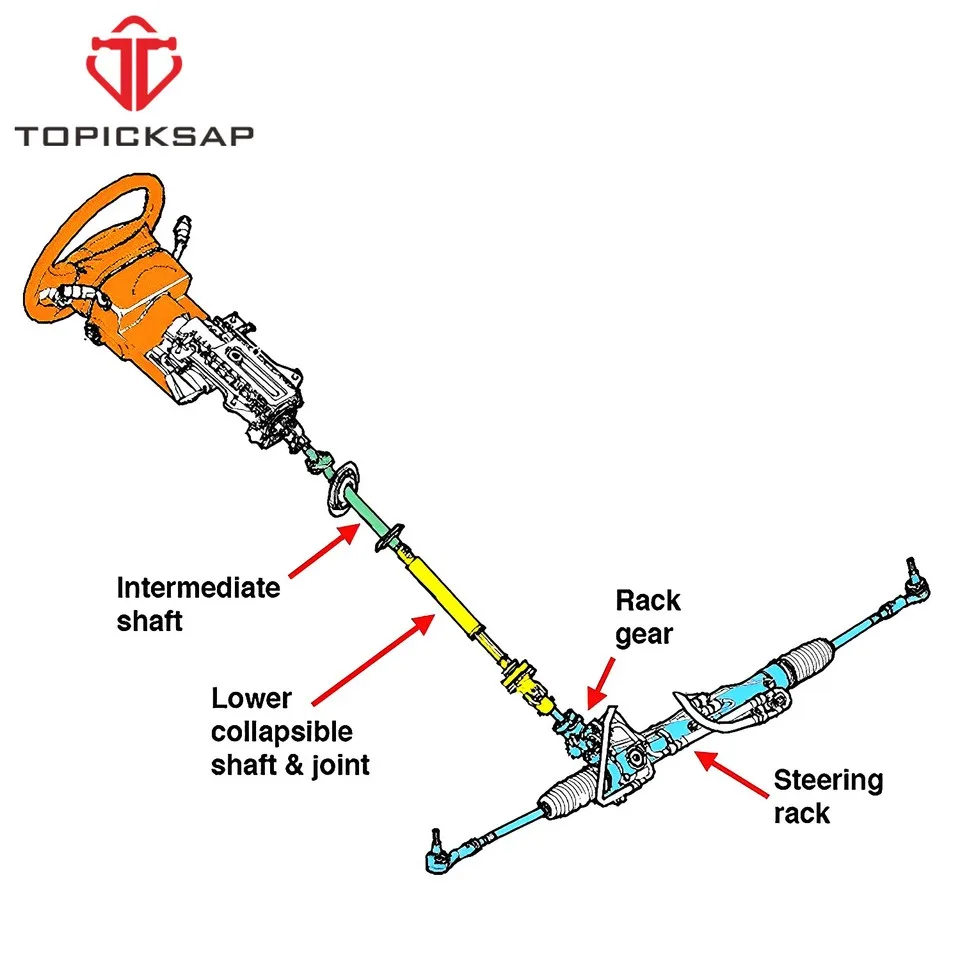
The electric power steering system uses an intermediate shaft between the steering column and the rack. The shaft has splined connections and a universal joint. Road salt and moisture penetrate the joint boot.
Corrosion builds on the splines. The joint binds then separates.
Early symptoms include a clunk when you turn the wheel. You may feel a notch or resistance at certain angles. The steering effort feels uneven.
As corrosion worsens the shaft can shear. Power assist disappears completely. The wheel becomes extremely heavy especially at low speed.
The recall remedy replaces the intermediate shaft with an improved design. The new shaft uses better seals and corrosion-resistant coating. The repair takes about one hour.
Parts are in stock at most dealers. If you hear a clunk or feel binding do not wait. Drive carefully to the dealer or have it towed.
Owners in rust belt states see higher failure rates. Salt accelerates the corrosion cycle. If you live where roads are salted wash the undercarriage regularly.
Pay attention to the steering feel after winter. Report any change to your dealer immediately.
Fuel Pump Impeller Crack: Why Your Engine Quits at 70 MPH
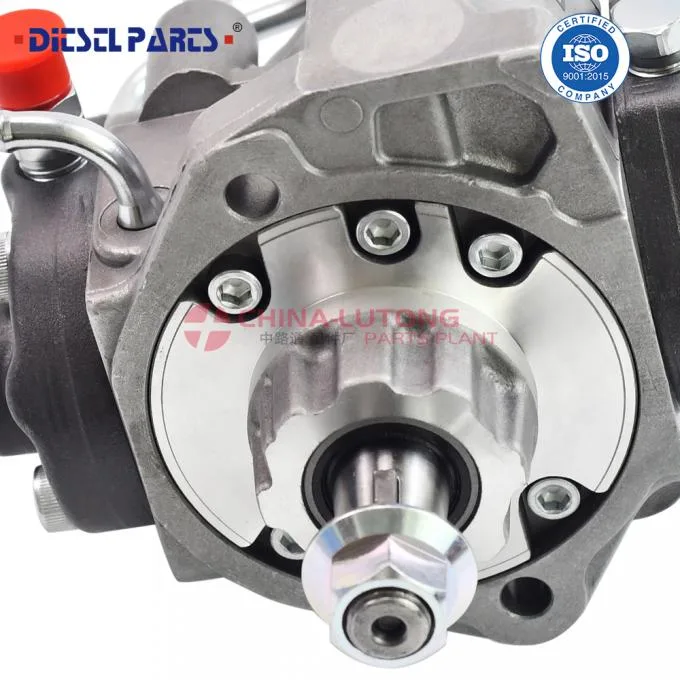
The 2GR-FE engine uses direct injection. A high-pressure fuel pump pressurizes fuel to 2,000 psi. The pump is mounted on the engine and driven by the camshaft.
Inside the pump a plastic impeller spins to move fuel. The impeller material can become brittle over time. Heat cycles and fuel chemistry accelerate the process.
A cracked impeller stops pumping fuel. The engine loses power instantly. It will not restart.
This can happen at any speed including highway cruising. No check engine light warns you beforehand. The stall is sudden and total.
The recall replaces the entire fuel pump assembly with an updated design. The new pump uses a more durable impeller material. The repair takes about three hours.
The dealer must keep your vehicle overnight in some cases. Loaner vehicles are often available. Ask when you schedule.
If your Highlander stalls and will not restart have it towed to a dealer. Do not attempt to drive it. The fuel pump is covered even if your warranty expired years ago.
The recall has no mileage limit and no expiration date.
Transmission Shudder, Oil Burning, and the Other Pattern Failures
The U660E six-speed automatic can develop a torque converter clutch shudder. You feel a vibration at 35 to 45 mph under light throttle. It feels like driving over a rumble strip.
The shudder comes from clutch material degradation and fluid breakdown. Technical Service Bulletin T-SB-0094-18 addresses this.
The fix is a three-cycle drain and fill with genuine Toyota WS fluid. Each cycle replaces about 40 percent of the fluid. The dealer performs the procedure using a scan tool to monitor fluid temperature.
Independent shops can do it too if they have the correct fluid and procedure. Do not use a flush machine. Flush machines can dislodge debris that blocks passages.
Excess oil consumption affects some 2GR-FE engines. Toyota considers one quart per 1,200 miles acceptable. Many owners see consumption well above that.
T-SB-0015-19 extends the warranty to 10 years or 150,000 miles for piston and ring replacement. The dealer performs an oil consumption test. You bring the vehicle in every 1,200 miles for a level check.
If consumption exceeds the threshold the repair is approved.
Water pump weep hole leaks appear typically between 90,000 and 130,000 miles. Coolant drips from the weep hole onto the ground. The pump is driven by the timing chain.
Replacement requires removing the timing cover. It is a six to eight hour job. Replace the thermostat and flush the coolant at the same time.
Use Toyota Super Long Life Coolant or equivalent.
Brake actuator accumulator failure causes a hard brake pedal and warning lights. The ABS and VSC systems disable. Repair costs $1,800 to $2,600 at a dealer.
Independent shops charge $1,200 to $1,600. The actuator requires a Techstream scan tool for proper bleeding after replacement.
Rear hatch struts fail by year eight or nine. The hatch falls unexpectedly. This can cause injury.
Struts are a 15-minute DIY job. OEM pairs cost $60 to $90. Replace both sides at once.
Entune head unit delamination and Bluetooth dropout are common. No recall exists. Aftermarket CarPlay/Android Auto units are a popular upgrade.
Dashboard cracking on the passenger side affects SofTex material in hot climates. No recall. Dash covers hide the damage.
Rodent wiring damage occurs in all regions. Soy-based insulation attracts mice. Use tape or mesh to protect harnesses.
Park away from vegetation.
Water Pump, Brake Actuator, Hatch Struts — The 90k–130k Mile Gauntlet
The water pump on the 2GR-FE is chain-driven behind the timing cover. A weep hole on the pump body drips coolant when the seal fails. You see pink crust on the block or a sweet smell after parking.
The temperature gauge stays normal until the leak is severe. Do not ignore the drip. Overheating warps the aluminum heads fast.
Replacement is a six to eight hour job. The timing cover comes off. The chain stays in place but tensioner service is smart while you are there.
Use an Aisin or GMB pump. Aftermarket cheap units fail in 30k miles. Fill with Toyota Super Long Life Coolant pink concentrate mixed 50/50 with distilled water.
Burp the system using the bleed funnel method.
The brake actuator sits under the hood near the master cylinder. It contains the ABS pump, valves, and a nitrogen-charged accumulator. The accumulator loses pressure over time.
The brake pedal gets hard. The ABS and VSC lights illuminate. The car still stops but stability control is dead.
This is a safety issue in panic braking.
Dealer price runs $1,800 to $2,600. Independent shops with Techstream charge $1,200 to $1,600. Reman units from Cardone or Dorman cost $600 to $900.
Programming requires Toyota software. Do not attempt without a scan tool. The system must be bled via the active test function.
Rear hatch struts fail from gas loss. The hatch becomes heavy then falls. It can strike a child or damage the spoiler.
Replace in pairs. OEM Toyota struts part number 68950-0E010 and 68960-0E010 cost $60 to $90 for the set. RockAuto and PartsGeek stock them.
A flat blade screwdriver pops the ball sockets. Ten minutes per side.
What Repairs Cost When the Recall Coverage Ends
Recall repairs never expire. The steering shaft and fuel pump are free forever. Pattern failures have no such guarantee.
The table below shows real-world prices as of 2026 from dealer quotes and independent shop surveys.
| Repair | Dealer Price | Independent Price | DIY Parts Cost |
|---|---|---|---|
| Water pump + timing cover reseal | $1,100–$1,400 | $700–$950 | $180–$250 |
| Brake actuator accumulator | $1,800–$2,600 | $1,200–$1,600 | $600–$900 (reman) |
| Transmission 3x drain/fill WS | $350–$500 | $200–$300 | $80–$120 (12 qts) |
| Oil consumption piston/ring | $3,500–$4,500 | $2,800–$3,500 | Not DIY feasible |
| Rear hatch struts (pair) | $180–$250 | $120–$180 | $60–$90 |
| Entune head unit replacement | $1,200–$1,800 | $900–$1,300 | $300–$600 (aftermarket) |
The oil consumption repair is the wallet killer. Toyota extended coverage to 10 years or 150,000 miles. If your Highlander is outside that window you pay full freight.
Many owners trade rather than fix. The transmission shudder fix is cheap insurance. Do it every 30k miles after the first service.
Brake actuator failure often happens around 120k miles. Budget for it if you plan to keep the vehicle past 150k. Water pump tends to leak between 90k and 130k.
Combine it with the timing chain tensioner and coolant flush. You save labor overlap.
Cold Climate vs Hot Climate: How Geography Changes the Failure Map
Road salt is the steering shaft's worst enemy. Michigan, Ohio, Pennsylvania, New York, and New England see the highest shaft corrosion rates. NHTSA complaint density maps confirm this.
Wash the undercarriage weekly in winter. Use a pressure washer on the steering rack area. Apply fluid film or woolwax annually.
Heat kills fuel pumps faster. Arizona, Nevada, Texas, and Florida report earlier impeller cracks. The fuel tank runs hotter.
The pump runs hotter. Plastic becomes brittle sooner. Keep the tank above half full.
The fuel cools the pump. Low fuel means less cooling.
Dashboard cracking concentrates in the sun belt. SofTex material bakes behind the windshield. A dash cover is the only real prevention.
Toyota denied a recall for this. Some dealers goodwill replace under customer satisfaction codes. Ask nicely with photos.
AWD models in snow country wear rear differential fluid faster. Change it every 30k miles with Toyota 75W-85 GL-5. The transfer case uses the same fluid.
Neglect leads to bearing whine at 100k.
Cold starts in sub-zero temps stress the battery and starter. The 2GR-FE likes a strong crank. Replace the battery at four years preventively.
Use a Group 27F AGM. The OEM panasonic unit lasts five to six years in mild climates.
DIY What You Can, Dealer What You Must: The Smart Owner's Playbook
You can change the transmission fluid yourself. You need 12 quarts of Toyota WS fluid, a 10mm hex socket for the fill plug, a 24mm socket for the drain plug, a fluid pump, and a torque wrench. The car must be level.
The fluid temperature must be 115°F to 130°F for the final level check. Use an infrared thermometer on the pan.

Drain. Refill 3.7 quarts. Start engine.
Shift through all gears. Drain. Refill.
Repeat three times. On the third fill stop when fluid drips from the overflow plug. Reinstall plugs.
Torque to 29 ft-lb. This replaces about 85 percent of the fluid. Do not use a flush machine.
You can replace hatch struts. You can swap the cabin and engine air filters. You can change the oil and filter.
Use 0W-20 full synthetic. Toyota specifies 6.4 quarts with filter. Drain plug torque is 30 ft-lb.
Use a genuine Toyota 90915-YZZF2 filter or Denso equivalent.
You cannot program a brake actuator. You cannot bleed the ABS without Techstream. You cannot update the ECU for the fuel pump recall.
You cannot perform the oil consumption test, the dealer must document it. Steering shaft recall requires dealer install for the warranty record.
If you lack a lift the water pump is miserable. The timing cover bolts are tight. The chain tensioner is spring-loaded.
One slip bends valves. Pay a pro. The same goes for brake actuator and oil consumption repair.
Lemon Law, Class Actions, and Your Paper Trail
Every state has a lemon law. Most require three repair attempts for the same defect or 30 days out of service within the warranty period. Safety defects like steering loss or stalling often qualify after two attempts.
Document everything. Keep every repair order. Note the date, mileage, complaint, and correction.
The oil consumption class action (In re Toyota Motor Corp. Engine Oil Consumption Litigation) extended the warranty to 10 years/150k miles. If you paid for a piston/ring repair before the settlement you can file a claim.
The deadline was 2022 but some states allow late filing. Check the settlement website.
NHTSA complaints drive recalls. File a complaint at safercar.gov if you experience a safety issue. Include your VIN, date, mileage, and description.
Photos help. The agency uses complaints to open investigations. Your report protects other owners.
Create a folder for your Highlander. Scan every receipt. Save recall completion certificates.
Print the VIN lookup page showing open recalls. When you sell the car this folder adds value. Buyers pay more for documented maintenance.
It also protects you if a dispute arises.
If a dealer refuses a recall repair call Toyota corporate at 1-800-331-4331. Reference the recall number. They will contact the dealer.
The dealer cannot charge you. They cannot require other repairs first. They cannot say parts are unavailable without a timeline.
Real Owner Timelines: What Happened at 60k, 100k, 140k Miles
At 60k miles most owners report only routine maintenance. The transmission shudder may appear if fluid was never changed. The steering shaft recall is usually done by now.
Fuel pump recall may be pending. Oil consumption shows up in a minority of engines.
At 100k miles the water pump often starts weeping. Brake actuator accumulator pressure drops. Rear hatch struts sag.
The transmission benefits from a second three-cycle fluid swap. AWD rear diff fluid is due. Coolant flush is due per the 100k schedule.
At 140k miles the brake actuator fails on many trucks. Water pump replacement is common. Oil consumption may exceed the threshold triggering the extended warranty repair.
Suspension bushings and struts need inspection. The timing chain tensioner can rattle on cold start.
Quick-Reference FAQ: The Questions We Hear Every Week
Is the 2014 Highlander reliable overall?
Yes, the 2GR-FE and U660E are durable when maintained. Two safety recalls dominate the risk profile. Pattern failures are manageable with proactive service.
Does the steering recall fix the clunk permanently?
The updated shaft uses better seals and coating. Recurrence is rare. Wash the undercarriage in salt country to maximize life.
Can I drive with a bad fuel pump until the recall appointment?
No. A cracked impeller can stall the engine at speed without warning. Have the vehicle towed to the dealer.
How often should I change the transmission fluid?
Every 30k miles after the initial three-cycle service. Use only genuine Toyota WS fluid. Do not use universal ATF.
Will the oil consumption repair hurt resale value?
No. The piston/ring update resolves the issue. Documented repair with genuine parts adds buyer confidence.
Are aftermarket fuel pumps safe?
Only OEM Denso updated pumps are approved for the recall. Aftermarket units lack the revised impeller material.
Verdict: Keep It, Fix It, or Trade It — Your Decision Framework
Keep it if the recalls are done, fluid history is clean, and you budget for the 100k, 140k gauntlet. The Highlander returns 20+ mpg combined, tows 5,000 lb, and seats eight. Parts are everywhere.
Any mechanic can work on it.
Fix it if you own it outright and the repair cost is less than six months of payments on a replacement. The water pump, brake actuator, and struts total $2,500, $3,500 at an independent shop. That buys two to three more reliable years.
Trade it if the oil consumption repair is needed outside warranty, the brake actuator has failed, and rust is eating the frame. Use the recall completion certificates and maintenance folder as leverage. Private party value runs $14k, $22k as of 2026 depending on region and condition.
Run the VIN. Do the recalls. Change the fluids.
Drive it another 100k.