
The 2014 toyota rav4 problems list is longer than most buyers expect for a Toyota. Three defects carry real safety consequences and two more can cost thousands if missed. This generation switched to electric power steering and a six-speed automatic while keeping the 2AR-FE engine.
Those changes created failure patterns that did not exist in the 2013 model. NHTSA data shows over 1200 engine complaints and 400 steering complaints as of 2026.
The 2.5-liter four-cylinder produces 176 horsepower and 172 pound-feet of torque through a U760E or U760F transmission. EPA rates it at 25 mpg combined for front-drive and 24 mpg for all-wheel drive. IIHS awarded Top Safety Pick for structure but the driver airbag inflator remains a live recall.
Understanding which fixes are covered and which are not separates a smart purchase from a costly mistake.
Quick Answer
The 2014 RAV4 has three major defects. Excessive oil consumption can seize the engine. Transmission shift flare worsens with mileage.
Electric power steering can fail without warning. A Takata airbag recall adds crash risk. Warranty extensions cover some repairs but not all.
Why the 2014 RAV4 Demands Closer Scrutiny Than Most Used SUVs
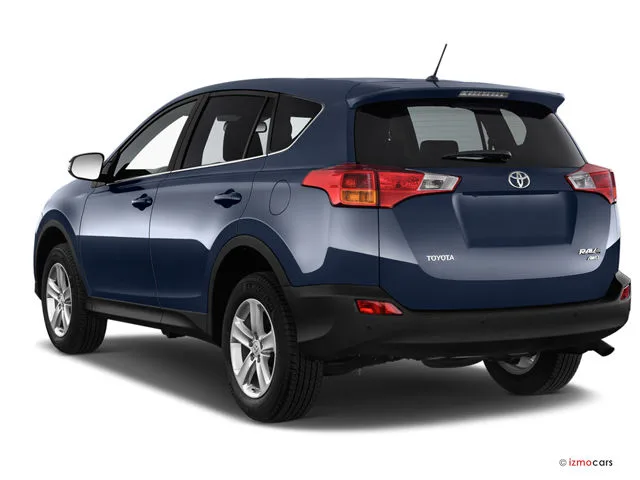
Toyota built a reputation for boring reliability. The 2014 RAV4 breaks that pattern in specific ways. The 2AR-FE engine uses a revised piston ring pack that drinks oil.
The six-speed automatic develops a flare between second and third gear. The electric power steering module fails and leaves the wheel heavy at parking speeds. The Takata driver inflator can rupture in a crash.
These are not minor annoyances. They strand drivers. They cause crashes.
They generate repair bills that exceed the vehicle value.
Most compact SUVs from this era have issues. The 2014 Honda CR-V burns less oil but its CVT fails differently. The 2014 Ford Escape 1.6 EcoBoost can catch fire from coolant intrusion.
The 2014 Nissan Rogue CVT shudders and whines. The RAV4 advantage is parts availability and dealer network depth. Every shop knows the 2AR-FE.
Every dealer stocks the updated rings. The transmission valve body is a known part number. The EPS module is a catalog item.
If you accept the maintenance burden the RAV4 runs 250000 miles. If you ignore the warning signs it dies at 110000.
The key is verification before money changes hands. Run the VIN through NHTSA.gov and Toyota.com/recall. Confirm the Takata inflator is replaced.
Confirm the EPS recall remedy is applied. Ask for oil consumption test records. A clean Carfax does not prove the engine is healthy.
A dealer printout of the consumption test does.
The Three Problems That Can Strand You or Cause a Crash
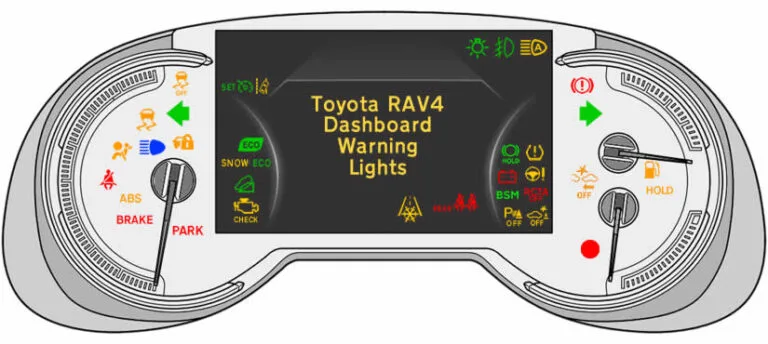
Three defects rise above the noise floor. Each triggers a warning light. Each has a recall or warranty extension.
Each can leave you on the side of a highway or in an intersection with no steering.
First is oil consumption. The check engine light flashes when the catalytic converter overheats from oil burning. The engine runs rough.
Power drops. If you keep driving the bearings starve and the rod knocks. A used long block costs five thousand dollars plus labor.
The ZJB/ZJC warranty extension covers the repair to ten years or 120000 miles from the original in-service date. The catch is you must pass the consumption test first.
Second is transmission flare. The tachometer jumps 300 to 500 rpm during the two-three shift. The car hesitates then lurches.
Over time the valve body bores wear and the torque converter clutch chatters. TC008-14 software update masks the symptom. It does not fix worn bores.
Valve body replacement runs eighteen hundred to twenty-four hundred dollars.
Third is electric power steering loss. The EPS light illuminates. The wheel weighs fifteen pounds at low speed.
Highway effort is normal. The assist motor or the control module has failed. Recall 15V-580 covers reprogramming or module replacement.
Some dealers only reprogram. The module fails again. Insist on the updated module part number.
Engine Oil Consumption: The Defect, the Warranty Extension, and the Test That Protects You
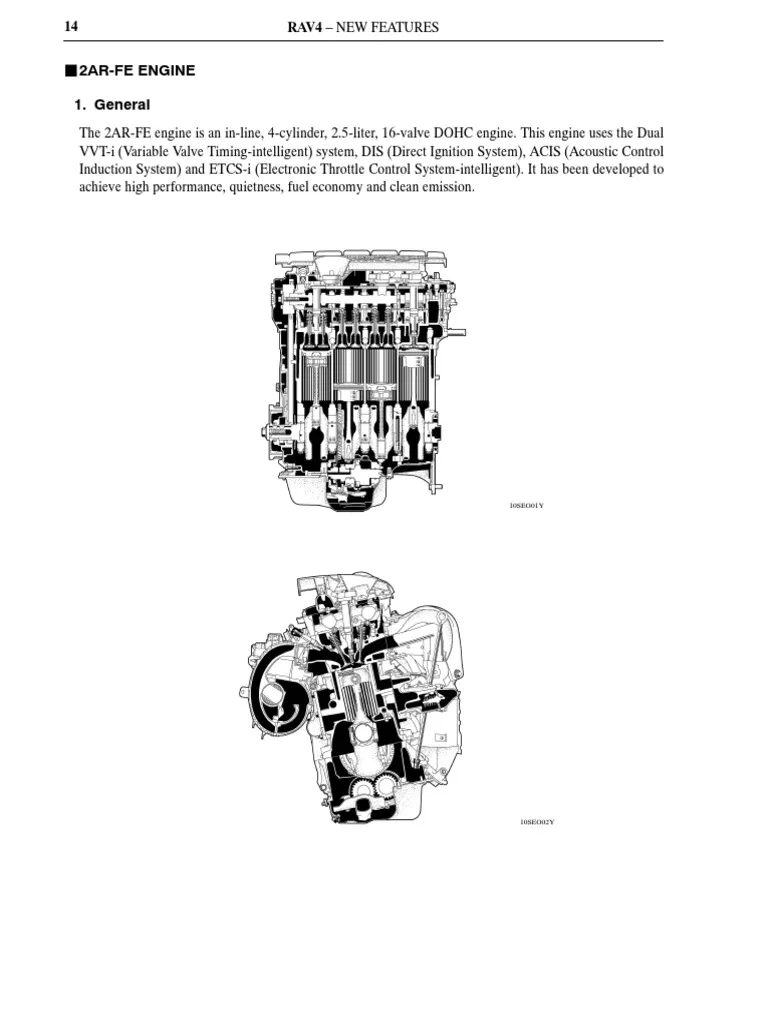
The 2AR-FE uses low-tension oil control rings to reduce friction. The original rings allow oil to migrate past the piston into the combustion chamber. Toyota revised the ring profile in 2014 production but early build cars got the old design.
The revised rings have a stepped scraper face and a thinner expander. The difference is visible in a side-by-side comparison.
The warranty extension ZJB/ZJC applies to 2007 through 2014 models with the 2AR-FE. Coverage runs ten years or 120000 miles from the date of first use. The remedy is piston and ring replacement.
The dealer performs a measured oil consumption test over 1200 miles. You bring the car in. They top the oil to the full mark.
You drive 1200 miles under normal conditions. You return. They measure the drop.
One quart or more in 1200 miles passes the test. Less than one quart fails and you pay.
The test has strict rules. No topping off between visits. No racing.
No extended idling. The dealer documents mileage and date. If the car passes the repair is free.
If it fails you own the bill. Some owners report dealers discouraging the test. Call Toyota Customer Experience at 800-331-4331 before you schedule.
They can authorize the test and override a reluctant dealer.
Piston replacement takes two days. The engine comes out. The block is honed.
New pistons and rings go in. The rings are the updated design. The repair uses genuine Toyota parts.
Aftermarket rings do not carry the warranty. If you pay out of pocket expect five thousand to seven thousand dollars. A remanufactured long block with labor hits the same range.
Transmission Shift Flare and Torque Converter Shudder: What the Software Update Actually Fixes
The U760E and U760F six-speed units are generally stout. The flare comes from solenoid calibration and valve body wear. The two-three shift overlaps the off-going and on-coming clutches.
The TCM commands the overlap but the hydraulic response lags. Engine speed rises. The shift completes with a bump.
Drivers feel a pause then a shove.
TSB TC008-14 released a TCM reflash. The new logic adjusts solenoid timing and line pressure. Most cars shift cleanly after the update.
The flare returns when the valve body bores wear oval. Aluminum bores and steel valves create clearance over time. Pressure leaks past the spools.
The TCM compensates until it cannot. Then the flare reappears.
Torque converter shudder feels like driving over rumble strips at light throttle. The lock-up clutch chatters. The fluid degrades or the clutch facing glazes.
A drain and fill with Toyota WS fluid helps temporarily. The permanent fix is a remanufactured torque converter or valve body. Cost runs eighteen hundred to twenty-four hundred dollars.
The software update is free at any dealer. Bring the VIN. Ask for TC008-14.
The flash takes thirty minutes. Test drive after. If the flare persists ask for the valve body inspection.
Some dealers will replace the valve body under goodwill if the car is close to the warranty extension mileage. There is no formal transmission warranty extension. Goodwill is at the district manager discretion.
Electric Power Steering Loss: The Module Failure Pattern and the Recall Remedy
The EPS system uses a rack-mounted assist motor and a separate control module. The module mounts on the rack housing. Heat cycles and vibration crack solder joints inside the module.
The assist cuts out. The EPS light illuminates. The steering effort jumps to manual levels at parking speeds.
Highway effort is manageable but sudden loss in a turn is dangerous.
Recall 15V-580 covers the remedy. The dealer reprograms the module or replaces it. Early remedy was reprogram only.
The reprogram raises the thermal threshold. It does not fix cracked solder. The module fails again.
The updated module part number ends in 0R010. It has reinforced solder pads and conformal coating. Insist on the replacement not the reprogram.
Replacement takes two hours. The rack stays in the car. The module unbolts from the housing.
The new module plugs in. The dealer calibrates the torque sensor with Techstream. Cost is zero under recall.
Out of warranty the module runs nine hundred to thirteen hundred dollars. Independent shops with Techstream can do the work. Verify they use the updated part number.
Some owners report intermittent loss before the light comes on. The wheel gets heavy then light again. This is the module overheating and recovering.
Do not wait for the light. Schedule the recall remedy immediately. If the dealer claims the recall is complete ask for the repair order.
Reprogram only is not a complete fix.
Takata Driver Airbag: The One Recall You Cannot Afford to Ignore
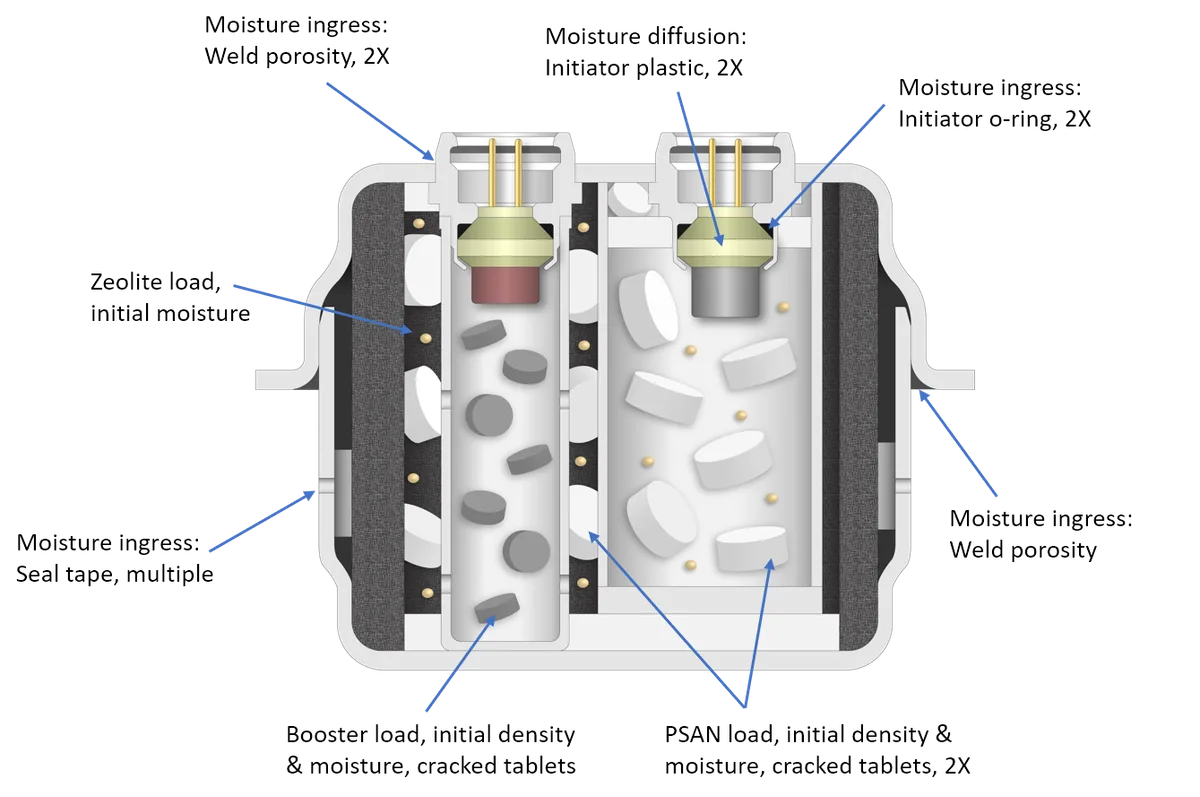
The Takata PSDI-5D driver inflator uses ammonium nitrate propellant without a desiccant. Moisture degrades the propellant over time. In a crash the inflator can rupture and spray metal fragments into the cabin.
NHTSA Zone A covers Florida, Hawaii, Puerto Rico, US Virgin Islands, Texas, Alabama, Georgia, Louisiana, Mississippi, and South Carolina. These states see the highest heat and humidity. Rupture risk there is exponentially higher.
Recall 20V-480 is mandatory and free. The dealer replaces the inflator with a non-Takata unit. The repair takes one hour.
Parts are in stock nationwide. As of 2026 the completion rate sits at 88 percent in Zone A. That means roughly one in eight 2014 RAV4s still carries the defective inflator.
A salvage or rebuilt title vehicle may have missed the recall entirely. Insurers in some states will not write comprehensive coverage on a car with an open Takata recall.
Check the VIN at NHTSA.gov or Toyota.com/recall. The report shows recall status and remedy date. If the recall shows open call any Toyota dealer.
They schedule the repair at no cost. If the dealer claims parts are unavailable escalate to Toyota Customer Experience at 800-331-4331. Do not drive the car daily with an open Takata recall.
The risk is real and the fix is free.
Secondary Defects That Add Up: Tailgate Struts, Dashboard Melt, Control Arm Bushings, Water Leaks
Four smaller defects affect daily ownership. None are safety critical but each costs money and annoyance.
The rear tailgate struts fail prematurely. The hatch falls without warning. Recall 16V-400 covers both struts with updated part number 68950-0R010.
The repair is free. Some dealers replace only the failed side. Insist on both.
The dashboard surface melts and turns sticky in hot climates. Toyota extended coverage to ten years unlimited mileage under ZJB. The dealer replaces the entire dash pad.
The repair takes a day. Out of warranty the parts and labor exceed fourteen hundred dollars.
Front lower control arm rear bushings wear by 80000 miles. A clunk over bumps and alignment drift are the signs. The bushing presses into the arm.
Most shops replace the entire arm. Cost runs three hundred to four hundred dollars per side including alignment.
Water intrudes the cargo area through the taillight gaskets and rear body seams. The carpet smells musty. The spare tire well fills with water.
Resealing the taillights and applying seam sealer fixes it. Cost is two hundred to three hundred dollars at a body shop.
These issues stack up. A car with all four needs two thousand dollars in repairs. Budget accordingly when negotiating price.
Verifying Recall Completion and Warranty Eligibility Before You Buy or Repair
Run the VIN through three sources. NHTSA.gov shows all safety recalls and completion status. Toyota.com/recall shows the same data plus warranty extension eligibility.
Carfax or AutoCheck may show recall repairs but often lag by months.
Print the Toyota recall report. It lists each recall, the remedy, and the date completed. Open recalls show "Incomplete." Completed recalls show the dealer code and date.
The oil consumption warranty extension ZJB/ZJC does not appear as a recall. It appears as a "Special Service Campaign." The report shows if the consumption test was performed and the result.
Ask the seller for the consumption test paperwork. The dealer issues a worksheet with mileage, date, and oil level measurements. No paperwork means the test was not done.
You can request the test after purchase but the ten-year clock started at the original in-service date. A 2014 model is at or past the ten-year mark as of 2026. Time is critical.
If the dashboard melt is present take photos. Call Toyota Customer Experience before visiting the dealer. They open a case and authorize the repair.
The dealer cannot deny the claim if the case is open.
Real-World Repair Costs at 100K–150K Miles: What Owners and Shops Actually Pay
| Repair | Dealer Price | Independent Shop | DIY Parts |
|---|---|---|---|
| Piston and ring replacement (oil consumption) | $5,500–$7,200 | $4,000–$5,500 | $1,200–$1,800 |
| Transmission valve body | $1,800–$2,400 | $1,300–$1,800 | $600–$900 |
| EPS module replacement | $900–$1,300 | $700–$1,000 | $400–$600 |
| Dashboard replacement (melt) | $1,400+ | $1,000–$1,200 | $500–$700 |
| Lower control arms (pair) | $800–$1,000 | $600–$800 | $300–$450 |
| Tailgate struts (pair) | $0 (recall) | $0 (recall) | $120–$180 |
Labor rates drive the spread. Dealers charge $150, $190 per hour. Independents charge $100, $130.
DIY saves labor but requires tools and skill. The piston job needs an engine hoist, stand, and torque wrenches. The valve body needs a Techstream scanner for adaptation.
The EPS module needs Techstream for torque sensor calibration.
Many owners defer the piston job and add oil weekly. That works until the catalytic converter clogs. A new converter adds $1,200.
The transmission flare can be managed with fluid changes every 30,000 miles using Toyota WS. The EPS module fails without warning. Budget for it.
Pre-Purchase Inspection Checklist: Cold-Start, Shift Quality, Steering Assist, VIN Status
Bring a scan tool that reads live data. A $50 Bluetooth adapter and Torque Pro work. Check these items in order.
Cold start the engine. Listen for a rattle at the timing chain tensioner. It quiets in two seconds.
A persistent rattle means the tensioner or chain guide is worn. Rev to 2,500 rpm. Watch for blue smoke.
Blue smoke equals oil burning.
Check the oil level. Pull the dipstick. Wipe.
Reinsert. Pull again. Low oil on a car for sale is a red flag.
Ask for the last oil change receipt. Look for 0W-20 synthetic.
Drive the car. Accelerate gently from a stop. Feel the 1-2 and 2-3 shifts.
A flare feels like a pause then a bump. A shudder feels like a vibration at light throttle. Both indicate transmission wear.
Turn the wheel lock to lock at idle. The effort should be light and even. A notch or heavy spot means the EPS module or rack is failing.
The EPS light may not be on yet.
Run the VIN on your phone at the lot. Confirm Takata recall complete. Confirm EPS recall complete.
Confirm tailgate strut recall complete. Ask the seller for the consumption test worksheet. No worksheet means you own the risk.
Check the dashboard for stickiness. Press the surface. If your finger tacks the melt is active.
Check the cargo carpet for dampness. Lift the spare tire cover. Water in the well means leak repairs needed.
Negotiate $1,500, $2,500 off for each unverified major defect. Walk away if the seller refuses a pre-purchase inspection.
When to Involve a Dealer, a Specialist, or Toyota Corporate
Dealer for recall work and warranty extensions. They have the Techstream scanner for TCM reflash and EPS calibration. They honor ZJB/ZJC piston repairs.
They replace Takata inflators free. They replace tailgate struts free. They replace melted dashboards under ZJB.
Independent Toyota specialist for out-of-warranty major repairs. They charge lower labor. They often stock reman valve bodies and EPS modules.
They can run the oil consumption test if the dealer refuses. Find one with Techstream access.
Toyota Customer Experience (800-331-4331) when the dealer denies a known defect. They open a case. They authorize goodwill repairs.
They override district manager denials. Call them before the dealer visit. Get a case number.
Give it to the service writer.
Verdict: Keep, Fix, or Walk Away — Decision Guide by Mileage and Problem Profile
Under 100k miles with all recalls done and oil consumption under a quart per 1200 miles: keep it. Change oil every 5000 miles. Monitor level weekly.
Budget $1500 for future EPS module.
100k, 130k miles with one major defect unrepaired: fix it if the price reflects the repair. Deduct $2500 for piston job risk. Deduct $1500 for transmission flare.
Deduct $1000 for EPS module. Walk if the seller refuses.
Over 130k miles with multiple defects: walk away. The combined repair cost exceeds resale value. A 2016 RAV4 with Toyota Safety Sense and CPO warranty is a safer buy.
Salvage or rebuilt title with any open recall: walk away. Insurers may deny coverage. Financing is difficult.
Resale is near zero.
Frequently Asked Questions
Does the oil consumption warranty cover a 2014 RAV4 in 2026?
The ZJB/ZJC extension covers ten years or 120000 miles from the original in-service date. Most 2014 models are past the ten-year mark. Coverage depends on the exact sale date.
Can I do the oil consumption test myself?
No. The dealer must perform and document the test for warranty eligibility. Self-reported data is not accepted.
Is the transmission software update free for life?
Yes. TSB TC008-14 is a free reflash at any Toyota dealer regardless of mileage or ownership.
Will a rebuilt title RAV4 pass the Takata recall check?
The recall repair is free regardless of title status. However insurers may still deny comprehensive coverage on a rebuilt title with any open recall history.
Does CPO cover oil consumption repairs?
Toyota CPO powertrain warranty covers engine internals for 7 years or 100000 miles from original in-service date. It does not extend the ZJB/ZJC consumption warranty.
What if the dealer says the EPS recall is complete but the light comes on?
Request the repair order. If it shows reprogram only ask for the updated module replacement. The reprogram is a temporary fix.
The module replacement is the permanent remedy.