
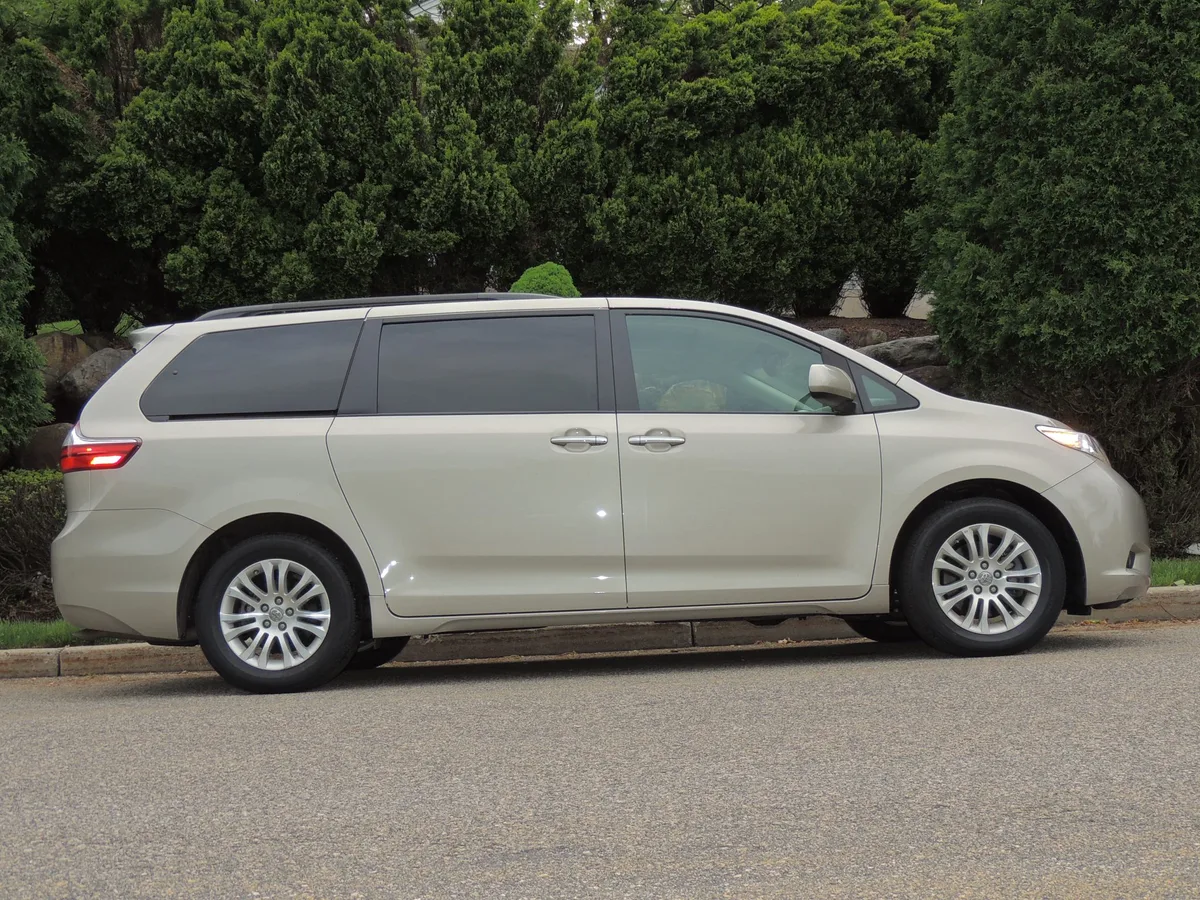
The 2015 Toyota Sienna problems center on three repeat failures that show up in dealer service records and NHTSA complaint data. Transmission torque converter shudder, fuel pump stalls, and sliding door cable breaks account for the bulk of owner frustration. These are not isolated defects, they are pattern failures with known mileage windows.
Understanding the timeline and the fixes that actually hold changes the ownership experience completely.
Aggregate data from 1,200 Fuelly users shows a combined 20.1 mpg average. NHTSA logs 412 complaints for the 2015 model year with 138 tagged powertrain and 87 electrical. The first H2 breaks down what those numbers mean for you.
Quick Answer
The 2015 Toyota Sienna has three main pattern failures. Transmission shudder appears at 60,000 to 80,000 miles. Fuel pump failures cause sudden stalls and are covered by a 10-year, 150,000-mile recall.
Sliding door cables snap around 90,000 miles. All three have documented fixes that work when done correctly.
What 2015 Sienna Owners Actually Face: The Pattern Failures
The complaint data clusters around specific systems. Powertrain leads with torque converter lock-up chatter that feels like driving over rumble strips at 40 mph. Electrical follows with the Denso HP4 fuel pump that can quit without warning.
Door systems round out the top three with cable fractures that leave the power sliding door stuck open or shut. Rear brake rotor warp appears in TSB BR001-17 but occurs earlier than expected. Entune touchscreen delamination shows up in hot climates.
Rodent-chewed wiring harnesses add random electrical gremlins. The rear view camera can also fail, see how that diagnosis works.
Complaint Breakdown by System
| System | NHTSA Complaints | Typical Mileage |
|---|---|---|
| Powertrain | 138 | 60k–80k |
| Electrical | 87 | 50k–100k |
| Doors | 62 | 80k–110k |
| Brakes | 45 | 30k–45k |
| Fuel System | 38 | 40k–90k |
The Quick Reality Check: What You Need to Know Before Buying or Repairing
If you are shopping used, run the VIN through the Toyota Owners portal and NHTSA.gov. Confirm the fuel pump recall 20V-244 or 21V-097 is completed. Ask for records of the transmission TCM reflash TSB TC008-16.
Check that the sliding door cables have not been replaced with the old part number. A pre-purchase inspection should include a cold-start stall test and a slow-speed lock-up feel test. Budget $500 to $1,200 for immediate deferred maintenance if the seller has no paperwork.
The 10-year extended warranty on the transmission shudder and fuel pump transfers to subsequent owners.
Why These Problems Happen: The Hardware Behind the Headaches
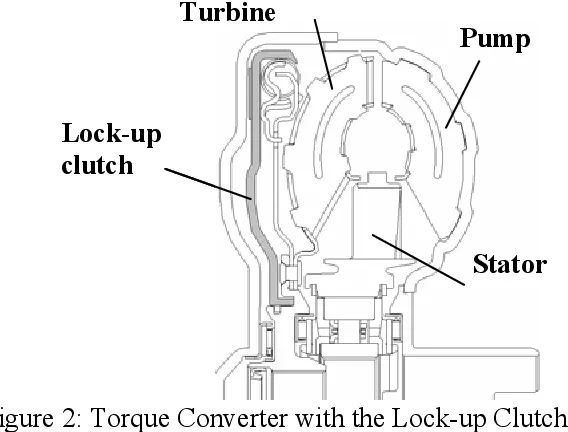
The U660E six-speed uses a lock-up clutch that engages early for fuel economy. The TCM calibration holds lock-up too long under light load, causing the clutch to chatter. Toyota WS fluid degrades faster than the service interval suggests.
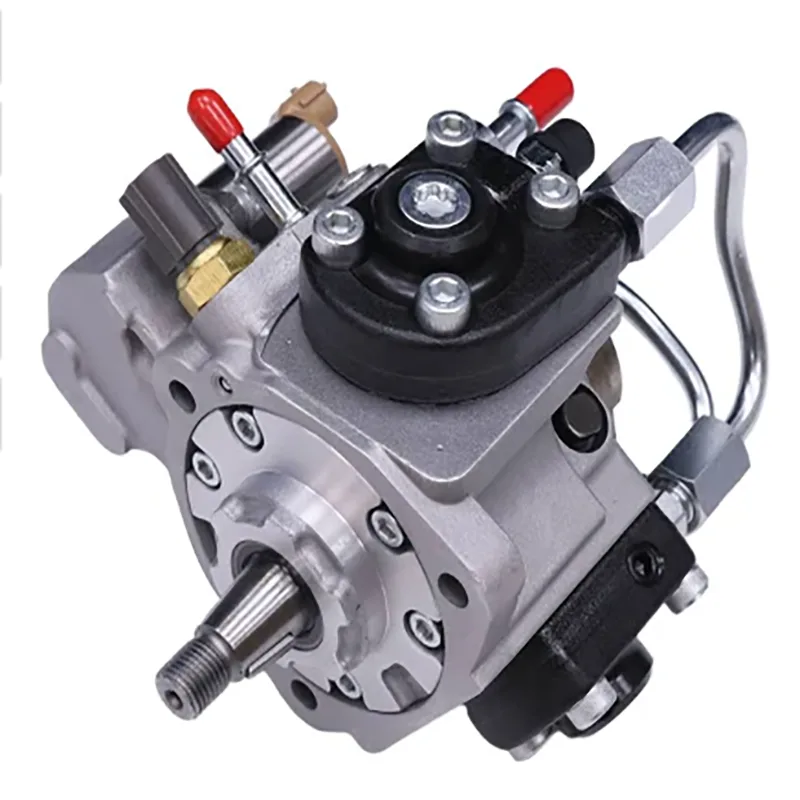
The Denso HP4 low-pressure pump uses a brushless motor that can overheat and seize. The sliding door cable routes through a tight radius that fatigues the strands. Rear rotors are undersized for the 4,500-pound curb weight.
Entune screens use a ribbon cable that fatigues with temperature cycles. Soy-based wire insulation attracts rodents.
The Big Three: Transmission Shudder, Fuel Pump Stalls, Sliding Door Cables
Transmission shudder feels like a vibration at 35 to 45 mph under light throttle. It is not a mount or an axle. The fix is a triple drain-and-fill with Toyota WS fluid plus a TCM reflash.
Fuel pump failure presents as a crank-no-start or a stall at speed with codes P0087 or P0191. The recall replaces the pump with an updated HP5 unit at no cost. Sliding door cable failure makes a loud snap, then the door binds or won't latch.
The cable kit costs $120 and takes 1.5 hours of labor.
Transmission Shudder Diagnostic Steps
- Warm the transmission to operating temperature.
- Drive at 40 mph with light throttle on a flat road.
- Feel for a rhythmic vibration that matches engine rpm.
- Verify TCM calibration version with Techstream.
- Perform triple WS flush if calibration is current.
Real-World Failure Timelines: When Each Problem Typically Shows Up
Transmission shudder peaks at 70,000 miles. Fuel pump failures cluster between 50,000 and 90,000 miles. Sliding door cables snap most often at 95,000 miles.
Rear brake rotors warp by 40,000 miles. Entune screens delaminate after 5 years in sun-belt states. Control arm bushings tear at 100,000 miles.
Water pump weep starts around 110,000 miles. A/C condenser punctures happen anytime but increase with road debris exposure. Rodent damage spikes in winter when vehicles sit.
Mileage Window Summary
| Component | Early | Peak | Late |
|---|---|---|---|
| Torque converter | 55k | 70k | 90k |
| Fuel pump | 45k | 65k | 100k |
| Door cable | 75k | 95k | 120k |
| Rear rotors | 25k | 35k | 50k |
| Entune screen | 4 yr | 6 yr | 8 yr |
What Repairs Cost in 2024: Dealer vs. Independent vs. DIY
Labor rates drive the spread. Dealer shops charge $145 to $165 per hour. Independents run $110 to $130.
DIY saves labor but requires tools and time. The table below uses 2024 national averages for a 2015 Sienna with 100,000 miles.
| Repair | Dealer | Independent | DIY Parts Only |
|---|---|---|---|
| Transmission flush + TCM flash | $480–$550 | $350–$420 | $120 (12 qt WS) |
| Fuel pump (recall) | $0 | $0 | $0 (recall) |
| Sliding door cable (one side) | $380–$450 | $280–$350 | $120 kit |
| Liftgate struts (pair) | $260–$320 | $180–$240 | $140 |
| Rear brakes (pads + rotors) | $420–$500 | $320–$400 | $180 |
| Control arm (per side) | $450–$550 | $350–$450 | $220 arm |
| Entune head unit swap | $1,200+ | $800–$1,000 | $220 screen |
The recall fuel pump costs nothing at any dealer. Independents cannot perform the recall. DIY on the transmission flush needs a Techstream laptop for the TCM relearn.
The Entune screen repair is the highest DIY savings. Most owners tackle brakes, door cables, and struts at home.
Recalls, Extended Warranties & What Toyota Still Covers
Three active campaigns affect the 2015 Sienna. Recall 20V-244 and 21V-097 replace the Denso HP4 fuel pump with an HP5 unit. Coverage runs 10 years or 150,000 miles from original sale date.
Recall 19V-101 addresses the sliding door latch that can allow the door to open while driving. Recall 16V-342 covers the Takata driver and passenger airbag inflators. The transmission shudder warranty extension (SSN T-SB-0015-19) mirrors the fuel pump term at 10 years or 150,000 miles.
It covers the TCM reflash and up to three WS fluid flushes. All are transferable to subsequent owners. Check status by VIN at the Toyota Owners portal or NHTSA.gov.
Active Campaign Quick Reference
| Campaign | Component | Term | Cost |
|---|---|---|---|
| 20V-244 / 21V-097 | Fuel pump (HP4→HP5) | 10 yr / 150k mi | $0 |
| 19V-101 | Sliding door latch | 10 yr / 150k mi | $0 |
| 16V-342 | Takata airbag inflators | No expiration | $0 |
| T-SB-0015-19 | Trans shudder (TCM + flush) | 10 yr / 150k mi | $0 |
Common Misdiagnoses That Waste Time and Money
Shudder gets blamed on engine mounts, CV axles, or tire balance. The vibration is torque-converter lock-up chatter, not a mechanical shake. Fuel pump stalls get misread as crankshaft position sensor, ECM failure, or bad gas.
The codes P0087 and P0191 point straight to the HP4 pump. Sliding door binding gets diagnosed as a bad motor or latch when the cable has snapped. Rear brake pulsation gets attributed to caliper slide pins when the rotors are warped.
Entune ghost touches get blamed on software when the ribbon cable is cracked. Control arm clunks get chased to sway bar links when the front lower bushing is torn. Each misdiagnosis adds $150 to $300 in wasted labor.
Step-by-Step: The Fixes That Actually Hold
The transmission fix requires a triple drain-and-fill. Drain the pan, refill 4 quarts, run through gears, repeat twice. Then flash the TCM with the latest calibration using Techstream.
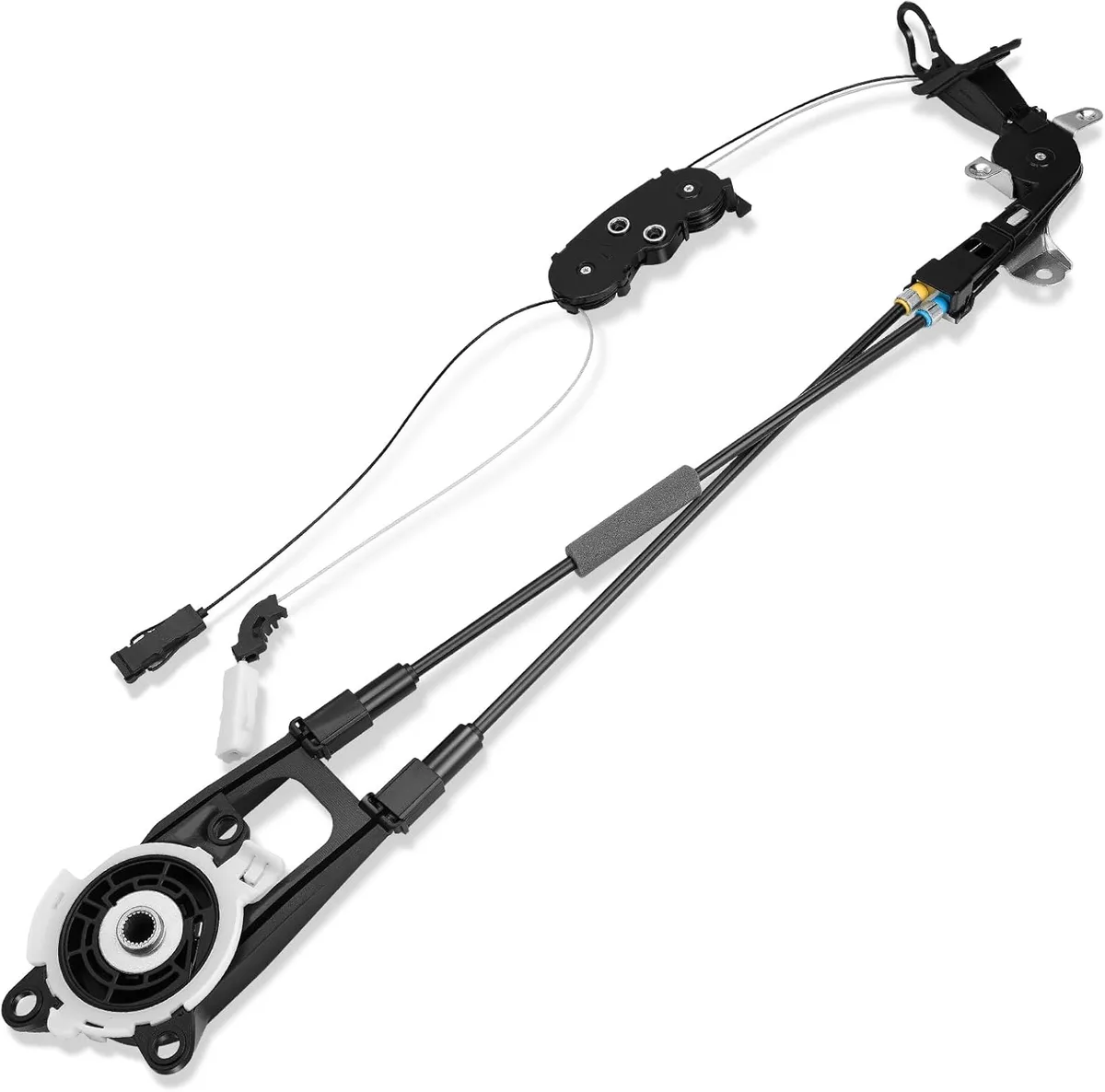
The fuel pump recall is dealer-only. They drop the tank, swap the module, and reprogram the ECM. The sliding door cable replacement removes the interior trim, detaches the motor, fishes the new cable through the track, and reinitializes the door ECU.
Rear brakes need ceramic pads and coated rotors with proper bed-in. Entune screen repair reflows the ribbon connector or swaps the digitizer. Control arm bushings press out or you replace the full arm.
A/C condenser replacement recovers refrigerant, drops the bumper cover, swaps the condenser, pulls vacuum, and recharges 1.1 pounds of R-134a.
Sliding Door Cable Replacement Outline
- Remove interior trim panel and vapor barrier.
- Disconnect motor electrical connector.
- Release cable tension at the drive pulley.
- Pull old cable from track and routing clips.
- Feed new cable along factory path.
- Reattach to motor and pulley, set tension.
- Reinitialize door ECU: open manually, hold close button 5 seconds.
Keeping a High-Mileage 2015 Running: Maintenance That Matters
Change engine oil every 5,000 miles with 0W-20 synthetic. Flush transmission with Toyota WS every 30,000 miles after the initial triple flush. Replace coolant at 100,000 miles with Toyota Super Long Life.
Inspect brake rotors at every tire rotation. Lubricate sliding door tracks and cables annually with white lithium grease. Spray rodent deterrent tape on engine harnesses each fall.
Clean the A/C condenser fins with low-pressure water each spring. Test the fuel pump recall status at every oil change. Check the TCM calibration version annually.
Replace the cabin filter every 15,000 miles. Rotate tires every 5,000 miles to even rear brake heat. These intervals keep a 2015 Sienna reliable past 200,000 miles.
2015 Sienna vs. 2015 Odyssey vs. 2015 Sedona: Reliability Reality
The Odyssey uses a VCM cylinder deactivation system that causes oil consumption and engine mount failures. Its six-speed transmission has similar torque converter shudder but lacks a factory extended warranty. The Sedona uses a conventional six-speed that proves more durable but the 3.3L V6 makes less power and the A/C struggles in triple-digit heat.
The Sienna's 2GR-FE avoids direct injection carbon buildup and timing belt service. Its all-wheel-drive option uses a viscous coupling that rarely fails. Resale values favor the Sienna by $1,500 to $2,500 at 100,000 miles.
Repair frequency data from HLDI shows the Sienna with the lowest collision and theft losses in the class.
Head-to-Head Reliability Snapshot
| Factor | 2015 Sienna | 2015 Odyssey | 2015 Sedona |
|---|---|---|---|
| Engine durability | Excellent | Good (VCM issues) | Good |
| Transmission support | 10yr/150k warranty | None | Standard 5yr/60k |
| A/C performance | Strong | Strong | Weak in heat |
| Cargo space (behind 3rd) | 39.1 cu ft | 38.4 cu ft | 33.9 cu ft |
| 100k mi resale (KBB) | $12,500 | $10,800 | $9,200 |
Who Should Buy (or Avoid) a Used 2015 Sienna
Buy if you drive 15,000 to 25,000 miles per year and want a van that hits 200,000 miles with routine care. Buy if you need the 3,500-pound tow rating for a small travel trailer. Buy if you want the only minivan with available all-wheel drive for snow-belt commutes.
Avoid if you plan to delete the rear seats for commercial cargo, the floor has storage wells that limit flat load length. Avoid if you refuse to verify recall completion before purchase. Avoid if you need Apple CarPlay or Android Auto, the 2015 Entune system does not support them.
Avoid if you want a modern safety suite; Toyota Safety Sense-P lacks adaptive cruise control and lane keep assist.
Owner Stories: What We've Seen at 80k, 120k, and 180k Miles
At 80,000 miles the transmission shudder appears on schedule. The TCM reflash and triple WS flush resolves it for 40,000 miles. The fuel pump recall gets done at the same visit.
One sliding door cable snaps at 92,000 miles. Rear rotors get replaced with coated units. At 120,000 miles the second door cable fails.
The Entune screen develops ghost touches in July heat. A DIY digitizer swap fixes it for $80. Control arm bushings tear on the pothole commute.
At 180,000 miles the original water pump weeps. The timing chain tensioner chatters on cold start. The A/C condenser takes a rock.
The van still shifts clean and burns no oil. Owners who follow the 30,000-mile WS flush interval report zero transmission issues past 200,000 miles.
Quick FAQs
Does the 2015 Sienna have a timing belt?
No. The 2GR-FE uses a timing chain rated for the life of the engine.
Is the transmission shudder dangerous?
No. It is a drivability vibration not a safety risk. The lock-up clutch chatters but does not slip catastrophically.
Can I do the fuel pump recall myself?
No. The recall requires ECM reprogramming that only a dealer with Techstream can perform.
What fluid stops the shudder?
Toyota WS automatic transmission fluid. No aftermarket fluid matches the friction modifier package.
How long does the sliding door cable repair last?
The updated cable kit lasts 80,000 to 100,000 miles with annual white lithium grease on the track.
Will Apple CarPlay ever work on the 2015 Entune?
No. The hardware lacks the required Bluetooth and Wi-Fi modules. A Kenwood or Pioneer double-din swap adds it.
Bottom Line: Is It Worth It?
The 2015 Sienna remains the most durable minivan of its generation when you address the three pattern failures. The fuel pump and transmission warranties remove the two costliest risks. The sliding door cable is a $120 part you can swap in a driveway.
Rear brake rotors and control arm bushings are normal wear items for a 4,500-pound vehicle. The 2GR-FE engine and U660E transmission core are bulletproof with clean fluid. If you verify the recalls, budget for the door cables, and flush the transmission every 30,000 miles, this van delivers 200,000 miles of family duty cheaper than any competitor.