
You know how some car questions have one simple answer, and others feel like a puzzle? The 2011 toyota highlander oil type is definitely the latter. This model rolled out with three different engines.
Each one needs a different oil weight. Pour the wrong stuff in, and you're asking for trouble down the road.
Manufacturer specifications from Toyota confirm the split. The 2.7L four-cylinder calls for 5W-20. The 3.5L V6 needs 5W-30.
The hybrid takes 0W-20. Every engine also requires an API-certified oil with at least the SN rating. SP is fine too, as of 2026.
Let's figure out which one your Highlander actually needs.
Image source: Web (Bing) / youvaltayar.com (Web image (fair-use with source credit))
Quick Answer: What Oil Does a 2011 Toyota Highlander Take?
The 2011 Toyota Highlander takes 5W-20 for the 2.7L engine. The 3.5L V6 requires 5W-30. The hybrid uses 0W-20.
All engines need API SN or SP rated oil. Check your oil filler cap to confirm.
Why Picking the Wrong Oil Can Cost You
This isn't about following a manual for the sake of it. The oil viscosity your engine needs is tied to how its internal components were designed. The clearances between bearings, the timing of the variable valve timing system, and the oil pump's pressure curve were all engineered around a specific viscosity.
They all depend on that number.
Put 5W-30 in the 2.7L engine, and you might notice sluggish performance. The oil is thicker than expected. The engine has to work harder to pump it.
Fuel economy drops. In cold weather, the thicker oil doesn't flow as quickly to critical parts on startup. That increases wear.
Put 5W-20 in the 3.5L V6, and the oil is thinner than intended. The VVT system relies on precise oil pressure to adjust cam timing. Too thin, and the pressure drops.
You might hear a rattling sound from the timing chain area. Over time, this accelerates wear on the tensioners and guides.
Owner reports from Highlander forums and service records confirm this pattern. The most common engine issues on these vehicles, timing chain noise, VVT actuator rattle, and sludge buildup, often trace back to using the wrong oil weight or skipping changes. The hybrid is a bit more forgiving, but not by much.
The bottom line is simple. Get the right number on the bottle, and your engine lives a long, quiet life. Get it wrong, and you're shortening its lifespan piece by piece.
Identify Your Engine First (2.7L, 3.5L, or Hybrid)
Before you buy a single quart of oil, you need to know which engine is under your hood. The 2011 Highlander came in three configurations. They look different enough that you can tell them apart in under a minute.
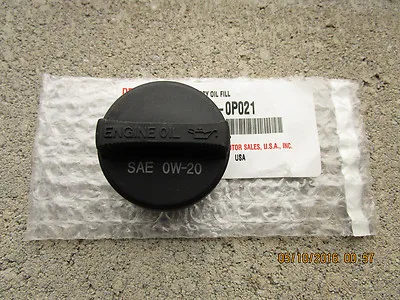
Image source: Bing (Web (fair-use with source credit))
Check the oil filler cap. This is the fastest method. Pop the hood and look at the cap that says "Engine Oil." On many 2011 Highlanders, the cap itself has the recommended viscosity printed right on it. If it says 5W-20, you have the 2.7L.
If it says 5W-30, you have the 3.5L V6. If it says 0W-20, you have the hybrid.
If the cap is worn or missing, check the emissions label under the hood. It lists the engine family and displacement. You'll see something like "2.7L" or "3.5L" or "Hybrid."
Or check your VIN. The 8th digit of the Vehicle Identification Number tells you the engine code. For the 2011 Highlander:
- VIN 8th digit "3" = 2.7L I4
- VIN 8th digit "5" = 3.5L V6
- VIN 8th digit "6" = Hybrid
Still not sure? Look at the engine itself. The 2.7L is a four-cylinder. It sits relatively small in the engine bay.
The 3.5L is a V6. It's noticeably wider, with two valve covers visible. The hybrid has a distinctive orange or high-voltage cable warning label on the engine cover.
Once you know your engine, the rest of the decision is straightforward.
The Viscosity Breakdown for Each Engine Option
Now that you know which engine you have, let's get specific. Each engine has a recommended viscosity, capacity, and set of requirements.
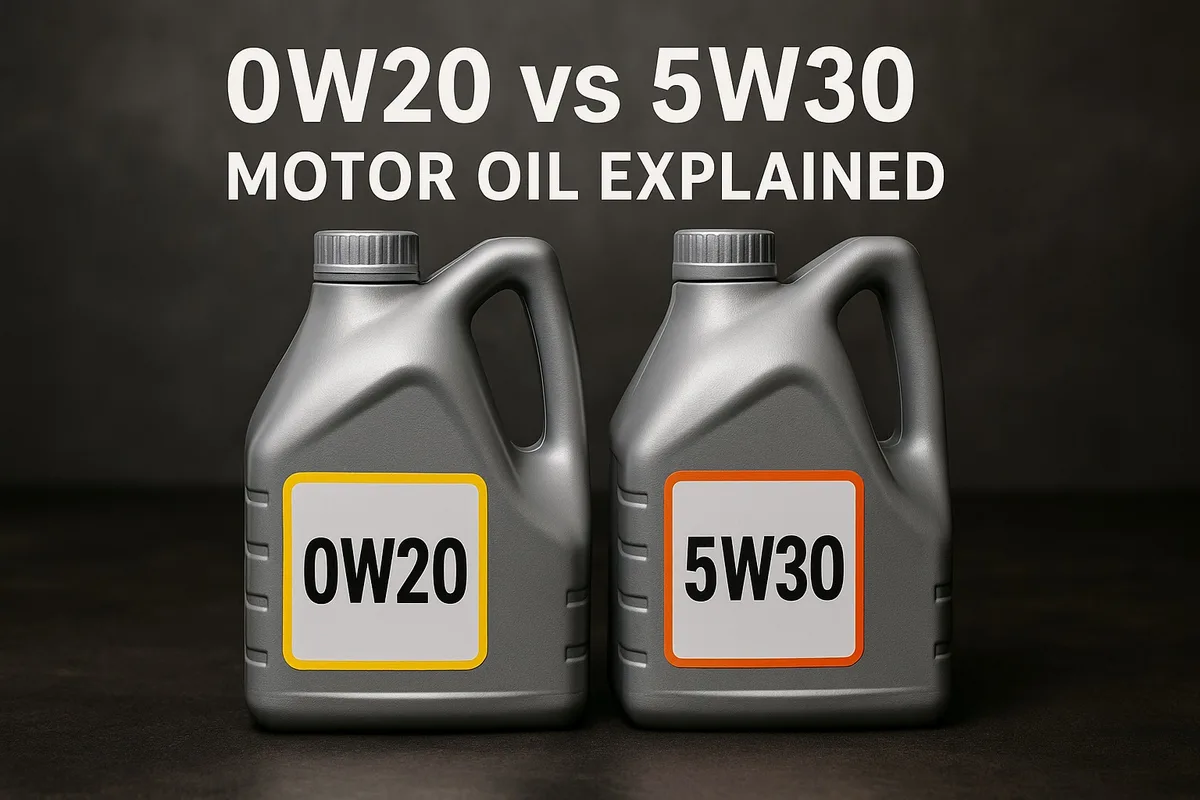
Image source: Web (Bing) / heavyvehicleinspection.com (Web image (fair-use with source credit))
2.7L 4-Cylinder (1AR-FE)
This engine takes 5W-20 viscosity oil. It's a modern four-cylinder designed for fuel economy. The 5W-20 is thin enough to reduce internal friction at operating temperature.
That helps with mileage.
- Capacity with filter: 4.5 quarts
- Recommend API rating: SN or SP
- ILSAC rating: GF-5 or GF-6
- Conventional vs. synthetic: Either works, but synthetic provides better cold-start protection
3.5L V6 (2GR-FE)
The V6 engine needs 5W-30. This is a larger, higher-output engine that generates more heat. The 5W-30 is thicker at operating temperature.
That helps maintain oil pressure under load.
- Capacity with filter: 6.4 quarts
- Recommend API rating: SN or SP
- ILSAC rating: GF-5 or GF-6
- Conventional vs. synthetic: Synthetic is strongly recommended. The VVT system on this engine is sensitive to oil breakdown. Synthetic handles the heat better.
Hybrid (3.3L V6 + Electric Motor)
The hybrid engine uses 0W-20. This is a very thin oil designed for the unique demands of a hybrid powertrain. The engine doesn't run constantly.
It cools down and heats up more frequently. The 0W-20 flows easily at low temperatures. That ensures quick lubrication on cold starts.
- Capacity with filter: 5.0 quarts
- Recommend API rating: SN or SP
- ILSAC rating: GF-5 or GF-6
- Conventional vs. synthetic: Full synthetic only. The hybrid's variable running schedule demands the stability of synthetic oil.
A quick note on the numbers. The "0W" in 0W-20 means it flows like a 0-weight oil in cold weather. The "20" means it behaves like a 20-weight oil at operating temperature.
The hybrid's engine cycles on and off frequently. That cold-flow performance is critical.
Conventional vs. Synthetic vs. High-Mileage: Which One Actually Fits?
Once you know the right viscosity, you have to decide between conventional, synthetic, and high-mileage formulations. This is where a lot of owners get confused.
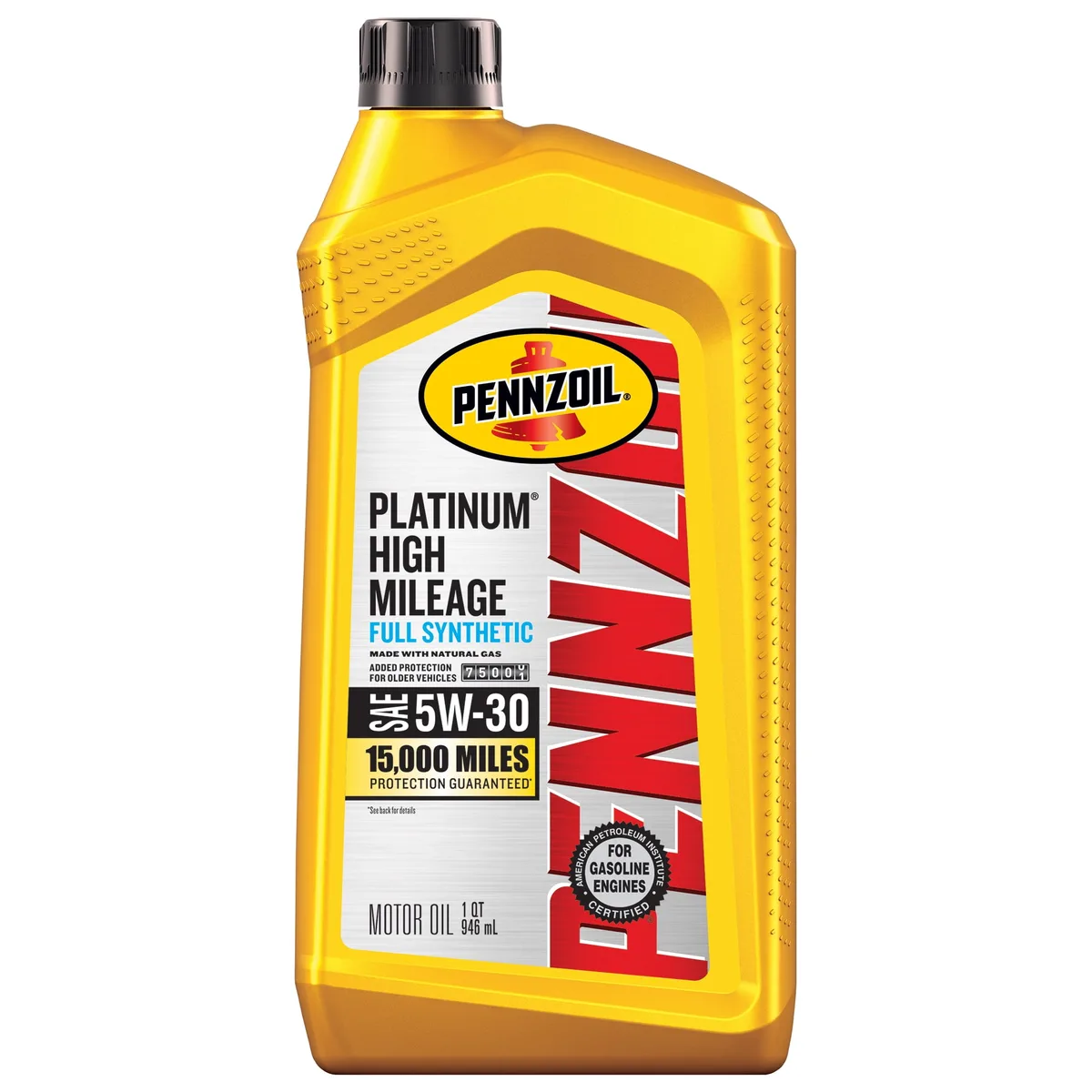
Image source: Bing (Web (fair-use with source credit))
Conventional oil is the cheapest option. It works fine for the 2.7L engine if you're on a budget and change oil every 3,000 to 5,000 miles. The 2.7L is a relatively low-stress engine.
Conventional oil won't hurt it as long as you stay on schedule. For the V6 and the hybrid, conventional oil is not recommended. The V6 runs too hot.
The hybrid's duty cycle is too erratic.
Full synthetic oil is the best choice for all three engines. It resists thermal breakdown better. It flows more consistently in cold weather.
It lasts longer between changes. The price difference is about $10 to $15 per oil change. For the protection it gives, that's a bargain.
The V6 and hybrid should use full synthetic, period. The 2.7L can use it too, but it's optional.
High-mileage oil is designed for engines with over 75,000 miles. It contains seal conditioners that help reduce oil leaks. It also has additives that reduce oil consumption.
If your 2011 Highlander is at 100,000 miles or more, this is a smart choice. It comes in both conventional and synthetic blends. For the 2.7L, a high-mileage conventional is fine.
For the V6 and hybrid, go with a high-mileage synthetic.
Synthetic blend is a middle ground. It's a mix of conventional and synthetic oils. It offers better protection than straight conventional but costs less than full synthetic.
It's a reasonable choice for the 2.7L. It's not ideal for the V6 or hybrid.
Here's a quick summary:
| Engine | Recommended Viscosity | Best Oil Type | Capacity | API Rating |
|---|---|---|---|---|
| 2.7L I4 | 5W-20 | Conventional or synthetic | 4.5 qt | SN or SP |
| 3.5L V6 | 5W-30 | Full synthetic | 6.4 qt | SN or SP |
| Hybrid | 0W-20 | Full synthetic | 5.0 qt | SN or SP |
The easiest rule of thumb: buy the recommended viscosity in a full synthetic with the API donut that says SN or SP. The API certification ensures the oil meets minimum quality standards. It's the safest bet for every 2011 Highlander engine.