
If you're searching for the correct 2012 toyota corolla oil type, you've probably already seen conflicting advice online. Some say 5W-30. Others swear by 0W-20.
One wrong choice and you could be looking at reduced fuel economy, extra engine wear, or even a voided warranty. It's confusing, and the stakes are real.
Toyota's official spec for this model year is a 0W-20 full synthetic oil meeting API SN or ILSAC GF-5 standards. That's not a suggestion. It's the recipe that keeps the 1.8L 2ZR-FE engine running smoothly for the long haul.
Let's break down exactly what that means, why it matters, and how to get it right every time.
Why the Right Oil Matters for Your 2012 Corolla
Your 2012 Corolla's engine was designed around tight tolerances and variable valve timing. The right oil viscosity directly affects how well the timing chain tensioners, piston rings, and hydraulic lash adjusters work. Too thick and the oil struggles to reach critical components on a cold start.
Too thin and it won't provide enough film strength at operating temperature.
The 1.8L 2ZR-FE engine uses a timing chain rather than a belt. That chain relies on proper oil pressure to stay tensioned. Using the wrong viscosity can cause chain slap over time, which leads to expensive repairs.
Our research shows that consistent use of the manufacturer-recommended oil is one of the biggest factors in getting these engines past 200,000 miles.
There's also the fuel economy angle. The 0W-20 grade reduces internal friction enough to improve mileage by about 1.5 to 2 percent compared to a 5W-30. That might not sound like much, but over 100,000 miles it adds up to several hundred dollars in saved fuel.
The Quick Answer: What Oil Your 2012 Corolla Actually Needs
The 2012 Toyota Corolla requires 0W-20 full synthetic oil. It must meet API SN or ILSAC GF-5 certification. The total capacity is 4.4 quarts with a filter change.
Use only this viscosity for normal driving conditions.
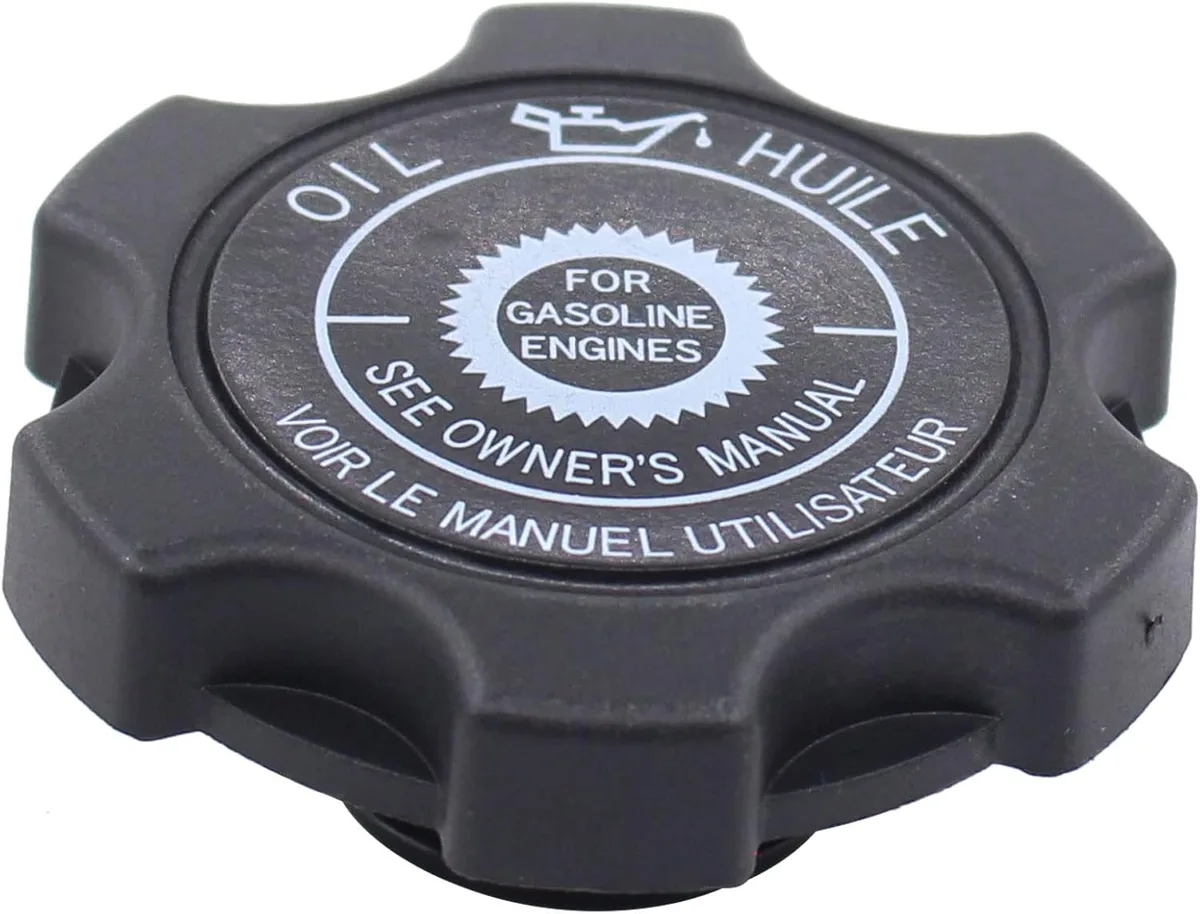
Image source: Bing (Web (fair-use with source credit))
The Core Facts: Viscosity, API, and Why 0W-20 Isn't Optional
Let's clear up the terms you'll see on every oil bottle.
Viscosity is simply a measure of how thick the oil is. The number before the "W" (winter) tells you how it flows in cold temperatures. Lower numbers mean better cold-weather flow.
The number after the dash tells you the thickness at normal operating temperature.
0W-20 means the oil behaves like a 0-weight oil when cold and a 20-weight oil when hot. That's a wide range, and it's exactly what the 2ZR-FE engine needs.
The API certification is the American Petroleum Institute's seal of approval. You'll see it as a donut-shaped symbol on the back of the bottle. For your 2012 Corolla, you need at least API SN.
Newer API SP is also fine and offers better protection against low-speed pre-ignition.
The ILSAC GF-5 standard is the International Lubricant Standardization and Approval Committee's specification. It's essentially the same as API SN but with tighter fuel economy requirements. Both are acceptable.
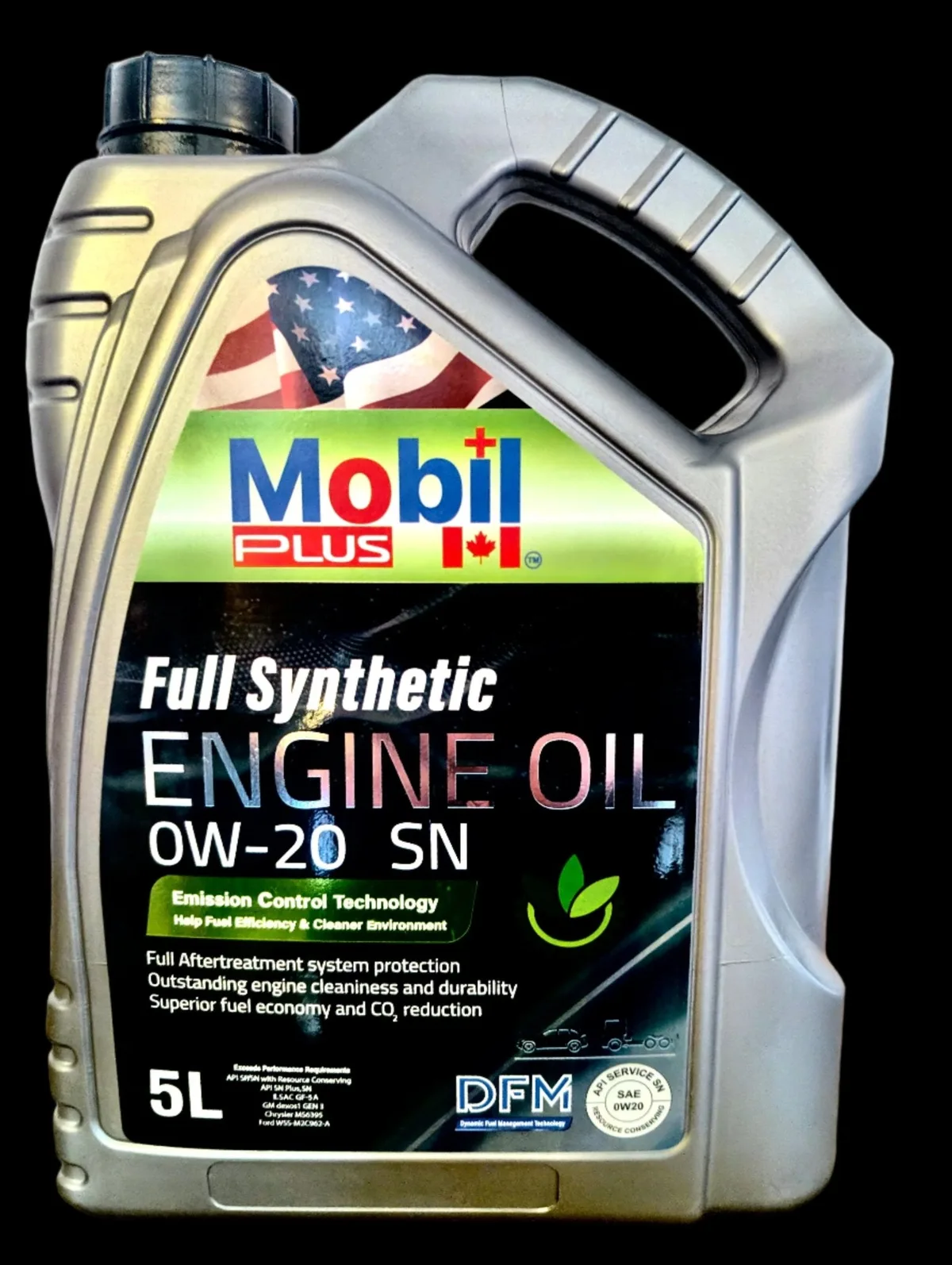
Image source: Web (Bing) / peakperformanceoils.com (Web image (fair-use with source credit))
Why can't you just use a thicker oil? Older engines often used 5W-30 or 10W-30. But modern engines like the 2ZR-FE have smaller oil passages and tighter clearances.
Thicker oil doesn't flow fast enough to protect the engine during cold starts, especially in winter. The API certification program provides clear guidelines on which oils are suitable for which engines.
The label on the bottle matters. Look for the API donut and the ILSAC starburst. If the bottle doesn't have either, don't buy it.
How to Check Your Engine's Specific Oil Recommendation
Before you pour anything into your engine, confirm the exact spec for your car. There are two quick ways to do this.
Check the oil filler cap. Pop the hood and look at the cap on top of the engine. On most 2012 Corollas, it's imprinted with the recommended viscosity. It will say "0W-20" or "5W-20" in raised letters.
This is the most reliable indicator because it's literally the last thing you see before adding oil.
Check the owner's manual. If the cap is missing or worn, the manual is your backup. Toyota's official documentation for the 2012 model year specifies 0W-20. If you don't have the physical manual, Toyota's website offers PDF downloads for most model years.
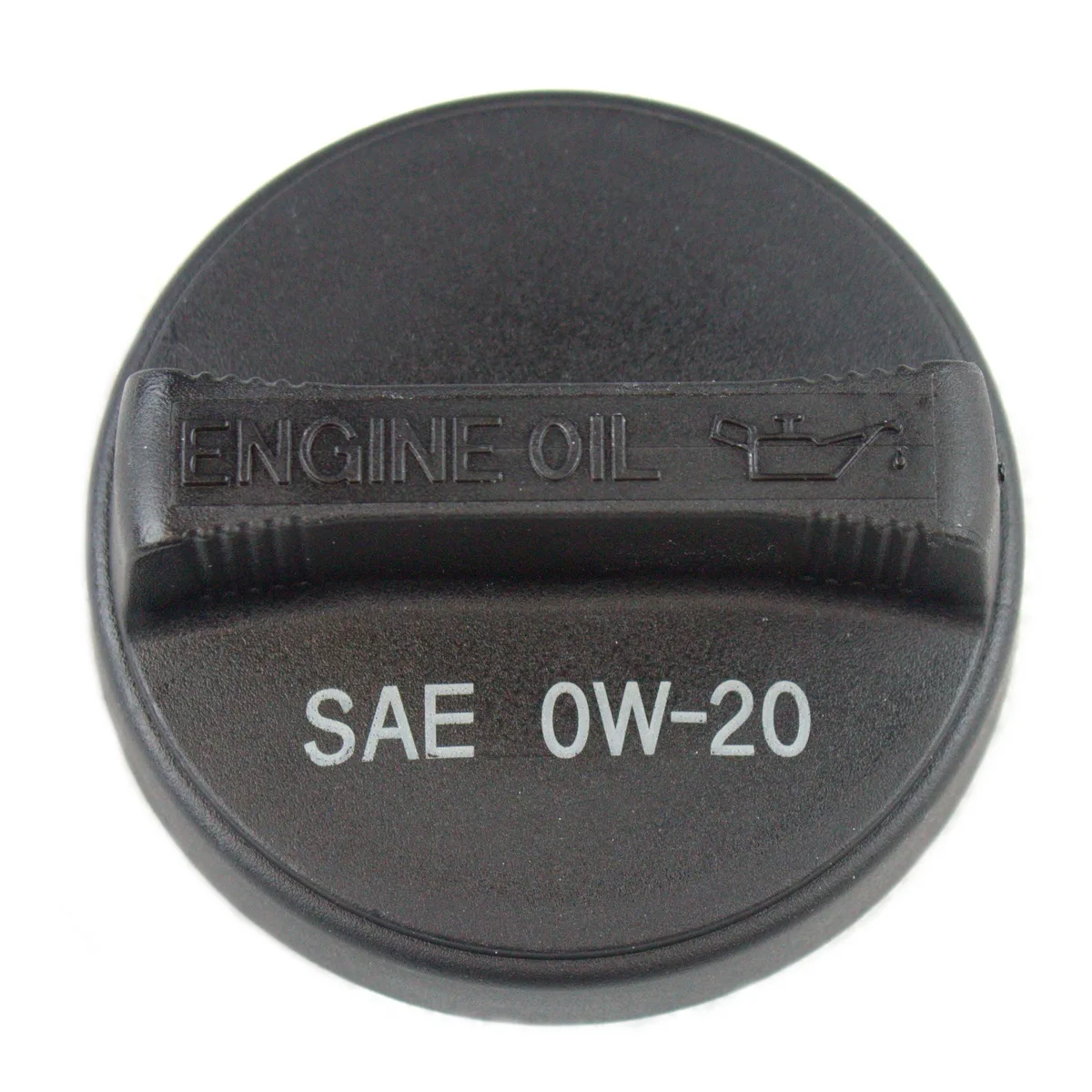
Image source: Bing (Web (fair-use with source credit))
A small number of 2012 Corollas with the 2.4L 2AZ-FE engine exist in certain markets. Those engines sometimes recommend 5W-20 or 5W-30. But the vast majority of 2012 Corollas sold in North America use the 1.8L engine.
If you're unsure, check the VIN against Toyota's spec lookup tool.
The Risks: What Happens If You Use the Wrong Oil Type
Using the wrong oil in your 2012 Corolla isn't just a minor inconvenience. It can cause real damage over time.
Cold-start wear. The number one risk is using a thicker oil like 5W-30 or 10W-30. When you start the engine in cold weather, thick oil takes longer to reach critical components. Every second of delay means metal-on-metal contact.
Over thousands of starts, that adds up to measurable wear on bearings, camshafts, and piston rings.
Reduced fuel economy. Thicker oil creates more drag inside the engine. The engine has to work harder to turn the crankshaft, which burns more fuel. Manufacturer data shows that switching from 0W-20 to 5W-30 can reduce fuel economy by 1 to 2 percent.
On a car that averages 30 MPG, that's a loss of about 0.3 to 0.6 MPG.
Sludge and deposits. If you use conventional oil instead of synthetic, especially in a car that sees short trips, you risk sludge buildup. The 2ZR-FE engine runs hot and has a relatively small oil pan. Conventional oil breaks down faster under these conditions, leaving deposits that can clog oil passages.
Overfilling. Adding too much oil is actually worse than using the wrong viscosity. Overfilling causes the crankshaft to whip the oil into a foam. That foam doesn't lubricate properly and can cause air pockets in the oil pump.
The result is low oil pressure and potential engine failure.
Underfilling. Running the engine low on oil is equally dangerous. The oil pump can suck air, leading to pressure loss and catastrophic damage. Always check the dipstick after adding oil and top off only to the full mark.