
Image source: Bing (Web (fair-use with source credit))
You are driving a 2012 Toyota Sienna, and you need to know exactly what oil to pour into that engine. Maybe you are about to do your own oil change for the first time, or maybe you just want to make sure the shop is using the right stuff. Either way, using the wrong oil in this specific minivan can lead to expensive repairs.
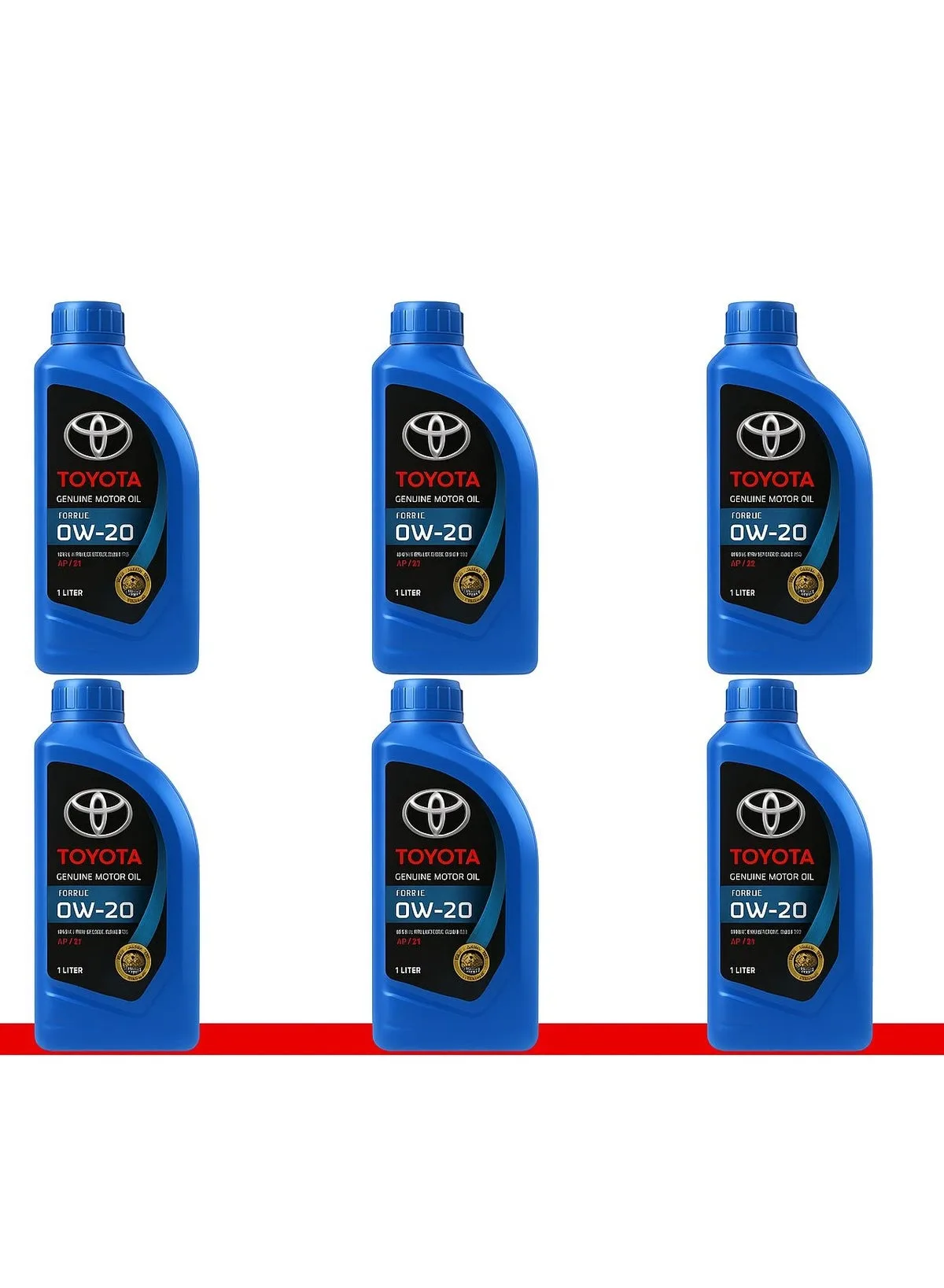
The 2012 Toyota Sienna came with two engine options, and both require a specific viscosity and certification. Per Toyota's official specifications, the recommended 2012 toyota sienna oil type is SAE 0W-20 meeting API SN or ILSAC GF-5 standards. A 5W-20 oil is also acceptable in warmer climates, but 0W-20 is preferred for year-round use in most conditions.
Let us walk through exactly what that means for your van.
Quick Answer
The 2012 Toyota Sienna takes 0W-20 full synthetic oil. It needs API SN or ILSAC GF-5 certification. The 3.5L V6 holds 6.4 quarts with filter.
The 2.7L four-cylinder holds 4.5 quarts. Use 5W-20 only if 0W-20 is unavailable. Change it every 5,000 miles for severe driving.
Why Getting the Right Oil Matters for a 2012 Sienna
This is not about following the manual for the sake of it. The 2012 Sienna uses a timing chain and variable valve timing system. Both rely on the right oil pressure and flow.
Toyota designed the 2GR-FE V6 engine to run on thinner oil. The 0W-20 viscosity is intentionally thin when cold so it reaches every bearing and cam phaser within seconds of startup. Thicker oil, like 10W-30, takes longer to circulate.
Over time, that delay causes measurable wear on the timing chain tensioners and VVT-i actuators.
A Sienna that has always used the correct 0W-20 oil will have a clean, sludge-free engine at 150,000 miles. One that has been fed whatever was on sale often shows varnish buildup under the valve cover. That is a $4,000 engine repair waiting to happen.
The factory fill from Toyota was 0W-20 full synthetic. That is what the oil cap says. That is what the owner's manual says.
And that is what every Toyota dealership puts in when you bring it in for service.
The Two Recommended Viscosities: 0W-20 vs. 5W-20
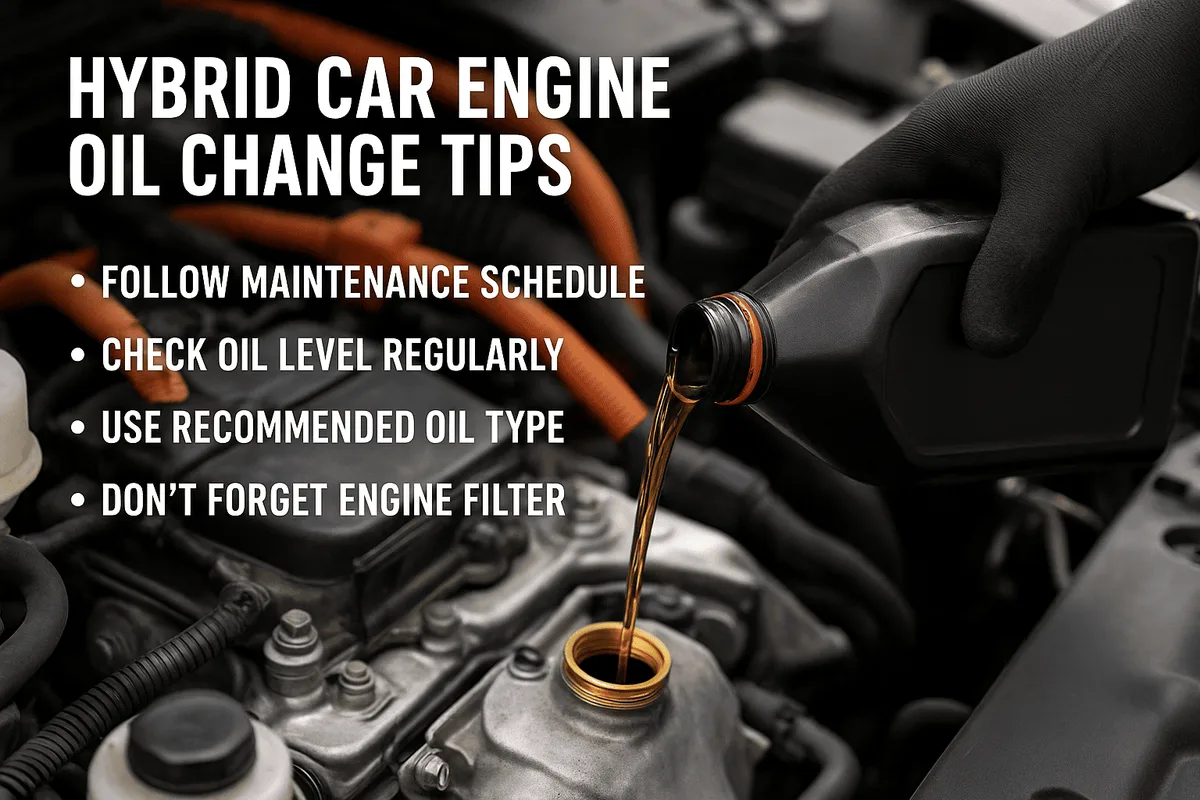
Image source: Web (Bing) / heavyvehicleinspection.com (Web image (fair-use with source credit))
Toyota lists two acceptable viscosities in the owner's manual for the 2012 Sienna. But they are not equally recommended for all situations.
What the Numbers Mean
The "0W" in 0W-20 tells you how the oil flows at cold temperatures. The lower the number, the thinner it is when you start the engine on a freezing morning. A 0W oil flows significantly better at 0°F than a 5W oil does.
Most engine wear happens in the first 30 seconds after startup.
The "20" is the viscosity at operating temperature. Both 0W-20 and 5W-20 have the same hot viscosity. Once the engine is warm, they behave identically in terms of film strength and protection.
The real difference is purely at cold startup. The 0W-20 gets where it needs to go faster.
Which One Should You Actually Use
If you live anywhere that sees winter temperatures below 40°F, use 0W-20. That covers most of the United States and Canada. The thinner cold flow protects your engine during those critical startup moments.
If you live in a consistently hot climate like Arizona or Texas and you cannot find 0W-20, 5W-20 is perfectly fine. Toyota officially approves it. But you should still use 0W-20 if it is available.
| Condition | Best Viscosity | Why |
|---|---|---|
| Cold climate (below 40°F) | 0W-20 | Faster cold flow, less startup wear |
| Hot climate (above 90°F year-round) | 0W-20 or 5W-20 | Both work, 0W-20 still preferred |
| 0W-20 not available | 5W-20 | Acceptable substitute per Toyota |
| Towing or heavy loads | 0W-20 | Keep the factory spec, change more often |
| High mileage (over 100k) | 0W-20 or high-mileage 0W-20 | Stick with the correct viscosity |
The safest bet is always 0W-20. That is what Toyota specifies as the primary recommendation. Use 5W-20 only as a backup.
What About Synthetic vs. Conventional
Toyota recommends full synthetic 0W-20 for the 2012 Sienna. The distinction matters more than you might think.
Why Most Owners Should Go Synthetic
The 2GR-FE V6 runs hot, especially under load. Conventional oil breaks down faster at high temperatures. Once it breaks down, it loses viscosity and stops protecting the timing chain and VVT components.
Full synthetic oil resists thermal breakdown much better. It also flows better at cold temperatures, which is exactly why Toyota chose 0W-20 in the first place. A good synthetic 0W-20 will maintain its viscosity for the full oil change interval.
Conventional will not.
There is also a fuel economy benefit. Per API testing standards, synthetic 0W-20 offers a measurable improvement in fuel economy compared to conventional 5W-30 or 10W-30. For a vehicle that can get 24 mpg on the highway, that difference adds up.
When Conventional Oil Is Still Fine
If you have the 2.7L four-cylinder engine, conventional 5W-20 is technically acceptable. Toyota states this in the manual. But even then, synthetic is better for long-term protection.
The only time conventional oil makes sense is if you plan to sell the vehicle within 6 months. For any long-term ownership scenario, the few extra dollars for synthetic are cheap insurance.
The Danger of Using the Wrong Oil
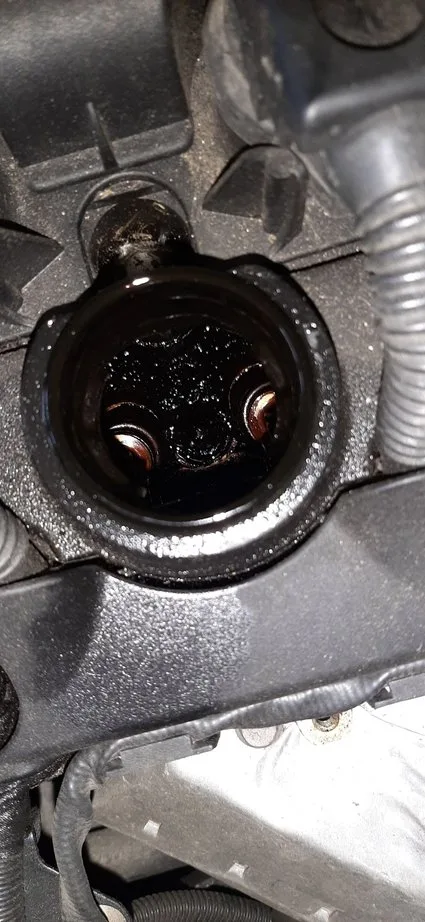
Image source: Web (Bing) / northamericanmotoring.com (Web image (fair-use with source credit))
Using the wrong oil in a 2012 Sienna can cause real damage. It is not theoretical. The results are well documented.
Sludge and VVT-i System Damage
The most common problem from using heavier oil like 10W-30 is sludge buildup. The 2GR-FE engine has narrow oil passages in the variable valve timing system. When sludge forms, it restricts oil flow to the cam phasers.
The phasers stop working correctly. You get a check engine light, rough idle, and reduced power.
Fixing that requires removing the valve covers and cleaning the passages by hand. That is a 4 to 6 hour labor job at a shop. If the sludge is bad enough, the timing chain tensioners fail.
That means a full timing chain replacement, which runs $1,500 to $2,500 on this engine.
Using oil without the correct API certification is another risk. API SN and ILSAC GF-5 oils have specific detergents and additives that prevent sludge formation. Older API certifications or cheap off-brand oils may lack those additives.
The engine eventually pays the price.
Cold-Start Wear and Fuel Economy Loss
Thicker oil like 5W-30 or 10W-30 takes longer to reach the top of the engine on a cold start. Every second of delay means metal-on-metal contact in the valvetrain. Over 100,000 miles, those extra seconds add up to measurable wear.
Fuel economy also takes a hit. The 2012 Sienna was designed around 0W-20 for efficiency. Switching to 5W-30 can drop highway fuel economy by 1 to 2 mpg.
Over 15,000 miles a year, that is 30 to 60 extra gallons of gas.
How Much Oil Your Sienna Needs (Exact Capacities)
Getting the quantity right is as important as the type. Too little oil and you risk bearing damage. Too much and you risk foaming and oil leaks.
3.5L V6 (Most Common)
The vast majority of 2012 Siennas have the 3.5L V6. This engine takes 6.4 quarts of oil with a filter change. That includes the oil that stays in the filter housing and the engine passages.
Buy a 6-quart jug and a separate 1-quart bottle. You will use almost all of the 6-quart jug and then add from the quart until the dipstick reads correctly. Do not dump the entire 7 quarts in.
The oil filter for this engine is a cartridge type. It lives in a plastic housing on the front of the engine. You need a special socket or a large ratchet to remove it.
The replacement filter element costs about $8 to $12.
2.7L 4-Cylinder
The four-cylinder Sienna is less common but exists. This engine takes 4.5 quarts with a filter change. It uses a conventional spin-on oil filter, which is easier to change than the cartridge type on the V6.
For either engine, always check the oil level after filling. Run the engine for 30 seconds, shut it off, wait 2 minutes, and check the dipstick. Top off as needed.
Never overfill.
Oil Type by Driving Conditions
Your driving habits affect how often you change the oil. Toyota defines two service schedules in the owner's manual.
Severe Service (Stop-and-Go, Towing, Cold Weather)
Most Sienna owners fall into the severe service category. Toyota defines severe service as frequent short trips under 5 miles, stop-and-go traffic, towing a trailer, driving in dusty conditions, or operating in extreme cold or heat.
For severe service, Toyota recommends changing the oil every 5,000 miles. Stick with 0W-20 full synthetic. Check your oil level every time you fill up with gas.
The 2GR-FE V6 can consume a small amount of oil between changes, especially as it passes 100,000 miles.
Normal Highway Driving
If you drive mostly long highway miles at steady speeds, you can stretch to Toyota's normal service interval of 10,000 miles. But be honest with yourself. Very few Sienna owners meet the criteria for normal service.
Normal service means trips over 30 minutes, moderate speeds, no towing, and clean air. Even then, changing at 7,500 miles is a good compromise. Oil is cheap.
Engines are not.
Step-by-Step: How to Change the Oil Yourself
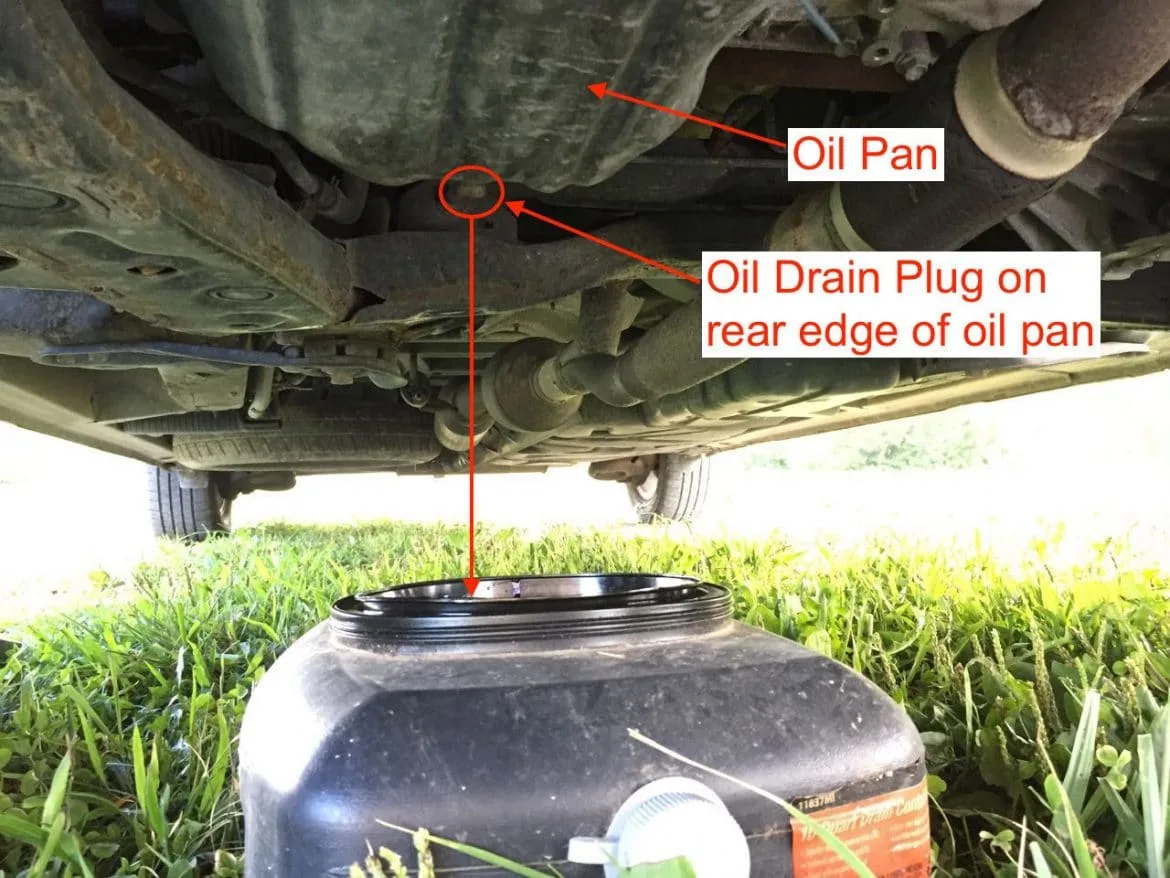
Image source: Bing (Web (fair-use with source credit))
Changing the oil on a 2012 Sienna is straightforward. You will save about $40 to $60 per change compared to a shop.
Tools and Parts You'll Need
| Item | Details |
|---|---|
| 0W-20 full synthetic oil | 6 quarts for V6, 4.5 quarts for 4-cylinder |
| Oil filter | Cartridge type for V6, spin-on for 4-cylinder |
| Filter socket | 64mm or 65mm for the V6 cartridge housing |
| Drain plug crush washer | 14mm, replace every time |
| 15mm socket or wrench | For the drain plug |
| Drain pan | At least 8 quart capacity |
| Funnel | Long neck preferred |
| Jack and jack stands | Or ramps, never just the jack |
| Gloves and rags | Oil is messy |
The Process in Simple Steps
Warm the engine slightly before you start. A 2 minute idle is enough. Warm oil drains faster and more completely.
- Park on level ground. Engage the parking brake. Lift the front with ramps or jack stands.
- Place the drain pan under the oil pan. Remove the 15mm drain plug. Let the oil drain for 5 minutes.
- While the oil drains, remove the oil filter. For the V6, use the socket on the black plastic housing. Pull the old filter element out and replace the O-ring.
- Install the new filter element. Tighten the housing to 18 ft-lbs. Do not overtighten it.
- Reinstall the drain plug with a new crush washer. Torque to 29 ft-lbs. Never reuse the old washer.
- Fill with new oil. Add about 5.5 quarts to start on the V6, then check the dipstick. Add more slowly until the level reaches the full mark.
- Run the engine for 30 seconds. Check for leaks around the drain plug and filter. Shut the engine off and wait 2 minutes.
- Recheck the oil level. Top off if needed. Reset the maintenance light.
Torque Specs and Filter Info
The drain plug torque is 29 ft-lbs. That is about a quarter turn past hand tight. If you do not have a torque wrench, snug it firmly and stop.
The V6 filter housing torque is 18 ft-lbs. Hand tight plus a quarter turn works here too. The housing is plastic.
Overtightening cracks it.
The V6 filter element is Toyota part number 04152-YZZA1 or equivalent. The 4-cylinder uses a standard spin-on filter, part number 90915-YZZD3.
Common Mistakes DIY Owners Make
Forgetting to replace the crush washer is the top mistake. The old washer deforms and does not seal properly. You get a slow drip that leaves a puddle.
A new washer costs about 50 cents.
Overfilling the oil is another frequent issue. The V6 takes 6.4 quarts, but you should add slowly and check the dipstick. Adding all 6 quarts and then a full quart from the second bottle can put you over.
Overfilled oil foams and loses lubricating ability.
Using the wrong filter is also common. The V6 uses a cartridge filter, not a spin-on. Some parts stores sell a spin-on conversion kit.
Avoid it. Stick with the factory cartridge design.
Cross-threading the drain plug happens when you rush. Start the plug by hand. If it does not turn smoothly, back it out and try again.
Forcing it strips the oil pan threads.
Not warming the engine before draining leaves old oil in the pan. Cold oil drains slowly and leaves sludge behind. A 2 minute idle makes a real difference.
When to Take It to a Shop Instead
If you do not have a level place to work, pay a shop. A sloped driveway means the oil does not drain fully.
If you cannot easily reach the oil filter, pay a shop. The V6 cartridge housing is awkward to access for some people.
If you are uncomfortable with jack stands, pay a shop. Lifting a 4,500 pound minivan is dangerous if done wrong.
If you live in a cold climate without a heated garage, pay a shop. Changing oil in 20 degree weather is miserable and the oil drains slowly.
The peace of mind is worth something. Just confirm they use 0W-20 full synthetic.
How Often to Change the Oil
Toyota gives two schedules. Pick the one that matches your reality.
Severe vs. Normal Service Intervals
If you drive mostly short trips, sit in traffic, or tow anything, change the oil every 5,000 miles or 6 months. That covers most Sienna owners.
If you drive long highway miles at steady speeds, you can go 10,000 miles. Be honest with yourself. A good compromise is 7,500 miles if you are on the fence.
Track your oil changes on a sticker or in your phone. The Sienna does not remind you aggressively.
When to Consider High-Mileage Oil
Once your Sienna passes 100,000 miles, high-mileage oil is worth considering. These formulations have extra seal conditioners that reduce minor leaks and oil consumption.
Buy a high-mileage 0W-20 full synthetic instead of the standard version. It costs about the same. Do not change the viscosity.
Keep using 0W-20.
If your engine already uses oil between changes, high-mileage oil can slow the consumption. It helps with leaking valve stem seals and gaskets.
The Bottom Line: Simple Recommendation for Any Owner
Use 0W-20 full synthetic oil with API SN or ILSAC GF-5 certification. Change it every 5,000 miles. Use the correct filter.
Check the level monthly. That is it.
Do not overthink this. The 2GR-FE V6 is a durable engine when maintained properly. It becomes a headache when neglected.
The oil is the single most important maintenance item on the entire vehicle.
A case of 0W-20 synthetic costs about $30 to $40. An oil change at a shop runs $60 to $90. Compare that to a $4,000 timing chain repair.
The math is simple.
Your Sienna will run for 250,000 miles or more with proper care. Stick with the factory spec. Change it on time.
Frequently Asked Questions
Can I use 5W-30 in my 2012 Sienna?
No. Toyota does not recommend 5W-30 for the 2012 Sienna. It is too thick at cold temperatures and can cause VVT-i system issues and reduced fuel economy.
Stick with 0W-20 or 5W-20 at most.
How much oil does a 2012 Sienna 3.5L V6 take?
The 3.5L V6 takes 6.4 quarts of oil with a filter change. Buy a 6 quart jug and a separate 1 quart bottle. Fill slowly and check the dipstick.
Do not overfill.
What happens if I put the wrong oil in my Sienna?
Using thicker oil like 10W-30 can cause sludge buildup, VVT-i actuator failure, and reduced fuel economy. Using oil without the correct API certification lacks necessary detergents. Both shorten engine life.
Should I use synthetic or conventional oil in my 2012 Sienna?
Use full synthetic 0W-20. Toyota recommends it. Synthetic resists thermal breakdown better, flows faster at cold starts, and protects the timing chain longer.
Conventional oil works in a pinch but is not ideal.
How do I reset the oil change light on a 2012 Sienna?
Turn the ignition to the ON position without starting the engine. Press the trip reset button until the oil maintenance light flashes. Hold it for 5 seconds until it resets.
The process takes about 30 seconds.