
If you own a 2017 Toyota Sienna, the 2017 toyota sienna oil type isn't a suggestion. It's a firm requirement. Use the wrong viscosity or a low-grade conventional oil, and you're gambling with the 2GR-FKS V6 engine's timing chain tensioners and variable valve timing actuators.
The factory fill and every Toyota spec since day one calls for SAE 0W-20 full synthetic oil carrying an API SN or SN Plus certification mark.
Manufacturer specifications indicate the total capacity lands at 6.4 quarts when you also swap the oil filter. Grab a 6-quart jug and a separate quart bottle. You'll use most of both.
Skimp on the filter quality, and you might as well pour the new oil down the drain. As of 2026, there's no reason to second-guess this. Let's walk through why the engine demands synthetic, what actually happens when you cheat, and how to do the job without cussing at a stuck filter housing.
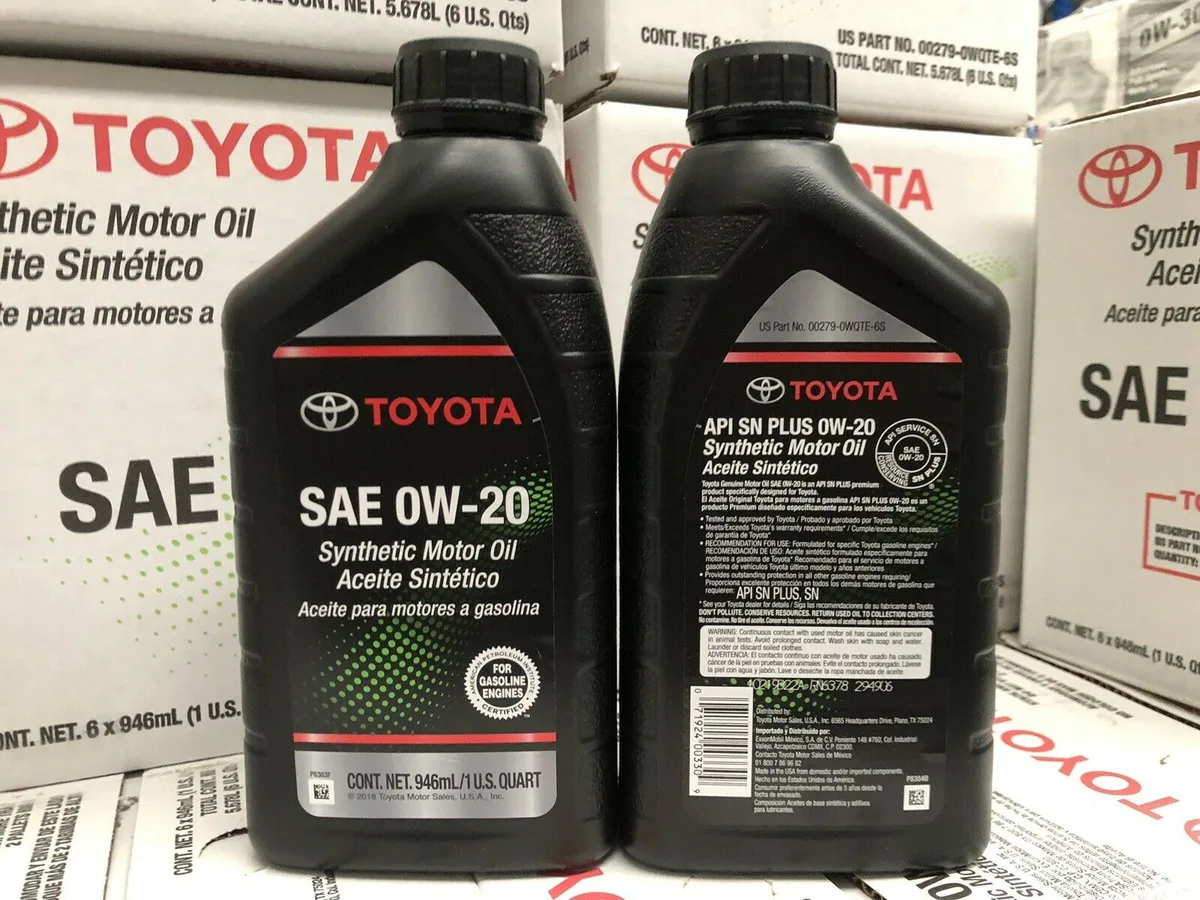
Image source: Bing (Web (fair-use with source credit))
Quick Answer
The 2017 Toyota Sienna takes SAE 0W-20 full synthetic oil. API SN or SN Plus certified. ILSAC GF-5 rated.
Total capacity with filter is 6.4 quarts. Without the filter, it's 5.9 quarts. Toyota Genuine Motor Oil works perfectly.
Mobil 1, Pennzoil Platinum, and Valvoline Advanced Synthetic also meet the spec. Never use conventional oil. Never use 5W-30.
The engine was designed around 0W-20.
The 2GR-FKS Engine: Why It's Picky About Oil
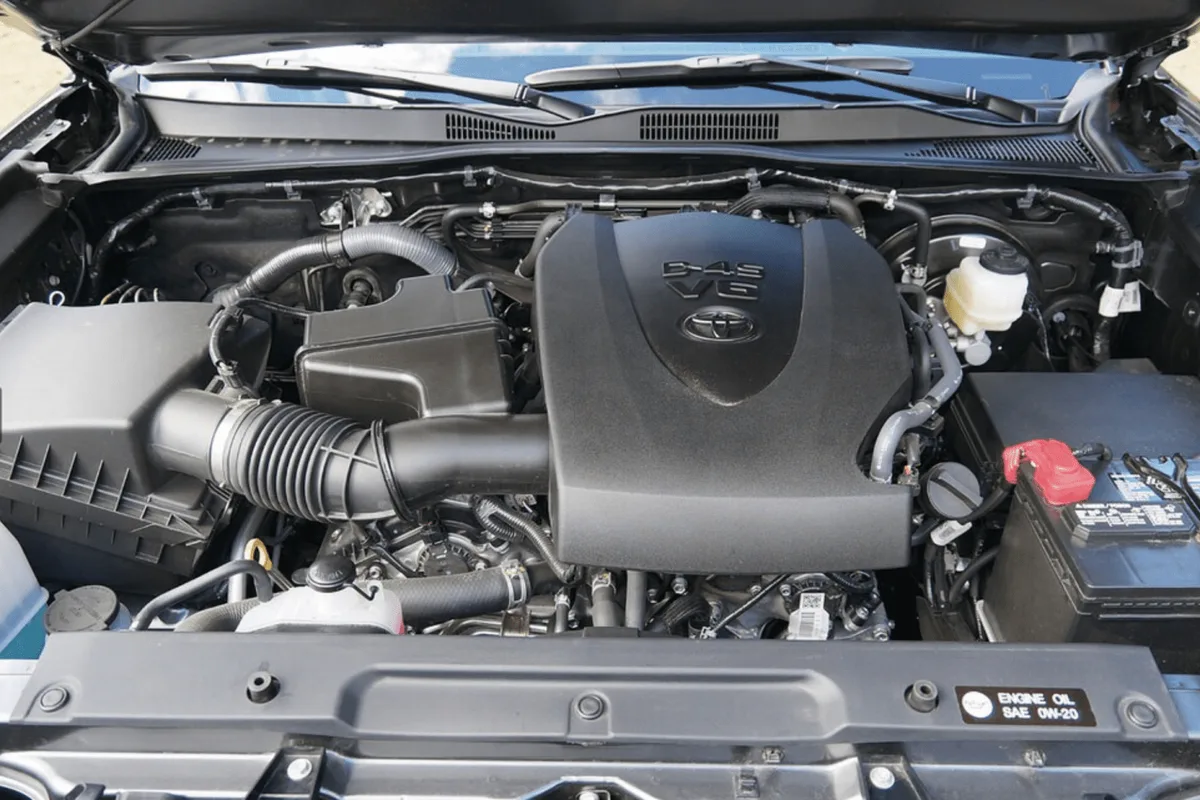
Image source: Web (Bing) / tuningpro.co (Web image (fair-use with source credit))
The 2017 Sienna runs the 3.5-liter 2GR-FKS. That's a dual-injection V6 combining direct injection with port injection. It's a refined engine, not a tractor motor.
And it relies on oil pressure to actuate the VVT-i (Variable Valve Timing with intelligence) phasers on both camshafts.
Those phasers are hydraulic. They need a specific oil viscosity to move the cam timing precisely. 0W-20 flows thin enough at cold startup to reach the phasers instantly, yet thick enough at operating temperature to maintain oil pressure under load. If you pour in 5W-30, the extra thickness at cold start delays oil delivery.
The phasers rattle. You get a brief timing chain slap on startup that sounds like a diesel for a second or two. Over time, that wears out the timing chain tensioner seals and the phaser locking pins.
What does "full synthetic" actually mean here?
Group III hydrocracked base oils. Not Group IV PAO necessarily, but a proven synthetic formulation that meets the API SN resource-conserving standard. You don't need to overthink the chemistry.
Just buy a well-known brand that prints "API SN" and "0W-20" on the front label. If it also says "Full Synthetic" and carries the ILSAC starburst symbol, you're good.
What Happens When You Use the Wrong Oil
This isn't theoretical. Using conventional 10W-30 or 5W-30 in a 2017 Sienna leads to a few predictable outcomes.
- VVT actuator rattle. The most common complaint. You start the engine cold, and there's a brief metallic chatter from the front of the engine. That's the timing chain slapping the slack side because the tensioner hasn't built pressure yet.
- Reduced fuel economy. The 2GR-FKS was designed to run on thin oil. Thicker oil increases internal drag. Expect a drop of 2 to 4 percent on the highway.
- Sludge formation. Conventional oil oxidizes faster under the high heat of a modern V6. Sludge builds up in the oil control rings and the VVT solenoids. Once the solenoids clog, you get a check engine light with codes like P0011 or P0022.
Can you switch back after using 5W-30?
Yes. Drain it completely. If the engine has sludge, you may need a mild engine flush or a shorter first interval (3,000 miles) on the correct 0W-20 to clean things out.
The VVT rattle may already have accelerated wear on the tensioner gasket. That's a deeper repair.
The Two Driving Schedules and What They Mean for You
Toyota classifies driving into "Normal" and "Severe". Your oil change interval depends on which bucket you fall into.
| Driving Condition | Recommended Interval | Oil Required |
|---|---|---|
| Normal (highway, moderate temps, no towing) | 10,000 miles or 12 months | 0W-20 full synthetic |
| Severe (stop-and-go, towing, extreme heat/cold, mountain roads) | 5,000 miles or 6 months | 0W-20 full synthetic |
Most people who daily-drive a Sienna in a city are on the severe schedule. Stop-and-go traffic, short trips where the engine never fully warms up, and idling at school pickup lines all count. If you tow a boat or a small camper, that's severe too.
Toyota's 10,000-mile recommendation is valid only under ideal conditions. Aggregate reviews from Sienna owners suggest that 7,500 miles is a safer sweet spot for mixed driving. It's cheap insurance.
Step-by-Step: How to Change Your Sienna's Oil the Right Way
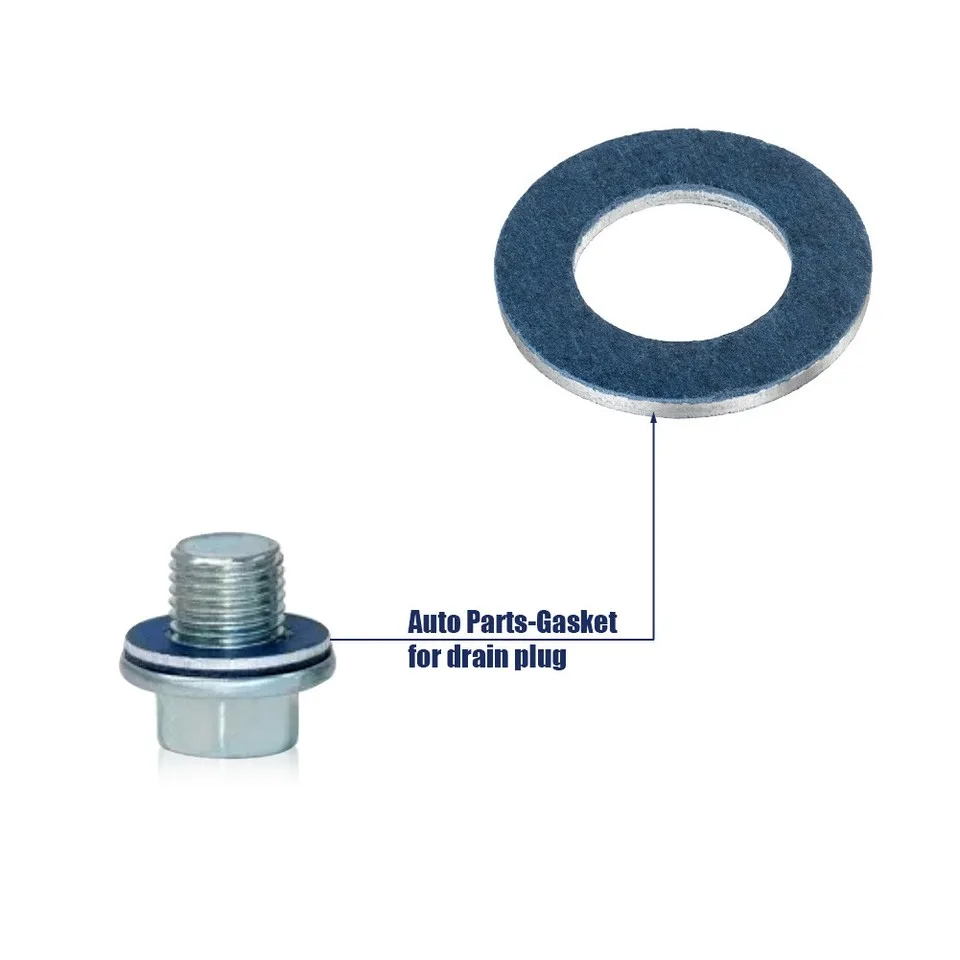
Image source: Web (Bing) / ebay.com (Web image (fair-use with source credit))
Doing it yourself saves about $40 over a quick-lube shop. More importantly, you control the oil quality and the filter. Here's the exact process for a 2017 Sienna.
Tools and materials you'll need
- 6 quarts of 0W-20 full synthetic oil (buy a 6-quart jug plus a single quart)
- OEM Toyota oil filter or equivalent (part 04152-YZZA1 or 04152-38010)
- Oil filter wrench (64mm cap-style or 24mm hex socket for the housing)
- 14mm socket or wrench for the drain plug
- Torque wrench (recommended, not optional for the filter housing)
- Drain pan, funnel, nitrile gloves, shop rags
Step 1: Warm the engine
Run the engine for 2 to 3 minutes. Warm oil flows faster and carries more suspended sediment out of the pan. Don't do it on a stone-cold engine unless you enjoy watching oil drip at one drop per minute.
Step 2: Lift and secure the vehicle
Park on level ground. Use ramps or a floor jack with jack stands. Never crawl under a car supported only by the factory scissor jack.
The Sienna weighs over 4,500 pounds. Respect that.
Step 3: Drain the old oil
Place the drain pan under the oil pan. Locate the drain plug on the passenger side of the engine. Use the 14mm socket to remove it.
The plug has a copper crush washer. Replace that washer every other change or whenever it looks deformed. Let the oil drain for at least 5 minutes.
Step 4: Remove the oil filter housing
The oil filter on the 2GR-FKS is a cartridge style, not a spin-on can. It sits on the front of the engine, lower left, inside a black plastic housing. Use the 64mm cap or the 24mm hex socket to loosen the cap.
Turn counterclockwise. The housing will spill some oil when it breaks free. That's normal.
Pull the old filter element and the two O-rings (one large, one small) out of the cap.
Step 5: Install the new filter
Lube the new O-rings with fresh oil. Push them into the grooves on the cap. Insert the new filter element into the housing.
Thread the cap back on by hand until it seats. Torque it to 18 ft-lbs. Over-tightening cracks the plastic housing.
Under-tightening causes a leak.
Step 6: Replace the drain plug
Clean the drain plug and the mating surface on the oil pan. Install a new crush washer. Thread the plug in by hand, then torque to 29 ft-lbs.
Don't guess. A loose plug drips oil. An over-tightened plug strips the aluminum pan threads.
Step 7: Fill with oil
Remove the oil fill cap on the valve cover. Insert a funnel. Pour in about 5.5 quarts to start.
Replace the cap. Start the engine and let it idle for 30 seconds. The oil pressure light should turn off within 2 seconds.
If it stays on, shut it off and check for leaks.
Step 8: Check the level
Turn off the engine. Wait 3 minutes for the oil to drain back into the pan. Pull the dipstick, wipe it, reinsert, and pull again.
The level should be between the low and full marks, closer to full. Add the remaining oil in small increments until the dipstick reads full. You'll use about 6.2 to 6.4 quarts total depending on how much drained out.
Step 9: Reset the oil maintenance light
With the odometer showing, turn the ignition off. Hold the trip reset button. Turn the ignition to "ON" (don't start the engine).
Continue holding the button until the maintenance light flashes and turns off. Release. Done.
The Most Common Mistakes DIY Owners Make
Even experienced home mechanics trip up on a few details with this specific engine.
- Using a cartridge filter without lubing the O-rings. The dry rubber binds against the housing. Next time you try to remove it, the cap cracks or the O-ring tears, causing a leak.
- Over-tightening the plastic filter housing. That cap is plastic. It's not a steel oil pan plug. 18 ft-lbs is a light tug with a 3/8-inch ratchet. If you reef on it like a lug nut, you'll split the housing or strip the threads.
- Forgetting the crush washer. The copper washer seals the drain plug. Reuse a crushed one and you'll have a slow weep. You'll find a puddle on your driveway eventually.
- Filling 6 quarts without checking the dipstick. The spec says 6.4 quarts, but residual oil in the engine changes the exact amount. Overfilling causes foaming, reduced oil pressure, and potential seal leaks.
- Ignoring the severe schedule. If you only drive 5,000 miles per year of short trips in traffic, you're on the severe schedule. Change it annually at minimum. Moisture and fuel dilution accumulate in the oil even if the mileage is low.
OEM vs Aftermarket: Oil and Filter Options That Work
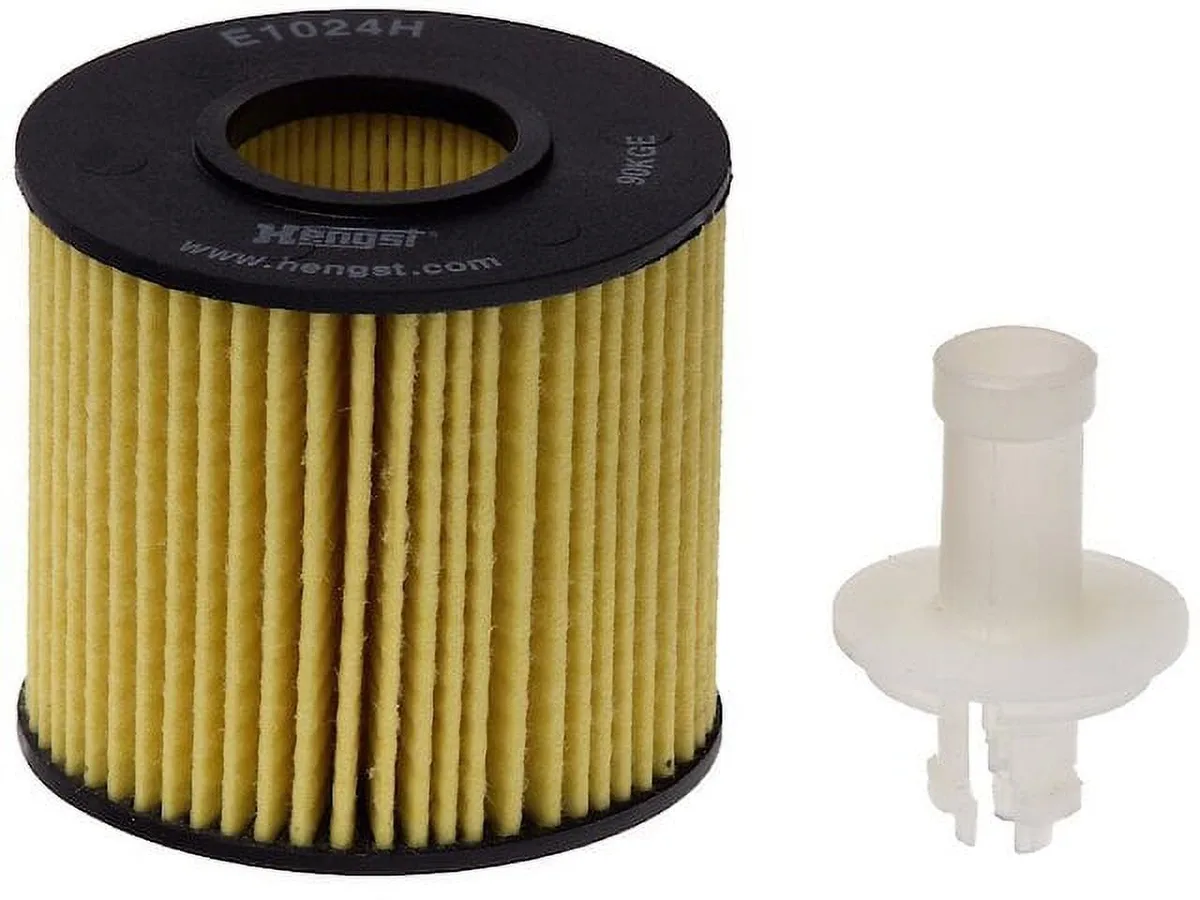
Image source: Bing (Web (fair-use with source credit))
You don't have to buy Toyota-branded oil at the dealership. But the oil filter is a different story. Here's how to choose.
Oil brands that meet the spec
Any 0W-20 full synthetic from a major refiner works. Examples include Mobil 1 Advanced Fuel Economy, Pennzoil Platinum, Valvoline Advanced Synthetic, Castrol EDGE, and Amazon Basics Full Synthetic. All of these carry the API SN Plus certification and the ILSAC GF-5 starburst.
The filter decision
| Filter Option | Price Range | Quality | Risk |
|---|---|---|---|
| Toyota Genuine (04152-YZZA1) | $6 – $10 | Excellent | None |
| WIX 57047 | $7 – $11 | Excellent | None |
| Mobil 1 M1-110A | $8 – $12 | Very good | O-ring compatibility can vary |
| Fram Ultra (XG6607) | $9 – $13 | Good | Higher bypass pressure vs OEM spec |
| Cheap white-box filter | $3 – $5 | Unknown | Bypass valve may open at wrong pressure |
The OEM Toyota filter costs about the same as a good aftermarket filter. Buy the Toyota one. It fits perfectly, the O-rings are sized correctly, and the bypass valve opens at the pressure the engine expects.
Can you use a spin-on adapter?
Avoid them. The cartridge system is designed for the oil cooling circuit and the oil pressure regulation path. A spin-on adapter changes the oil flow dynamics and the bypass configuration.
Stick with the factory setup.
When to Consider High-Mileage Oil
If your Sienna has crossed 75,000 miles, you might wonder if high-mileage oil is worth it. The answer is yes, with a caveat.
High-mileage oils have seal conditioners that soften and re-swell dried-out rubber seals. The 2GR-FKS has several oil seals including the front crankshaft seal and the camshaft seals. After 75,000 miles, those seals lose flexibility.
A high-mileage 0W-20 can reduce small leaks that haven't started yet.
Stick with 0W-20 high-mileage full synthetic. Brands like Mobil 1 High Mileage and Valvoline MaxLife are solid options. Don't switch to a thicker weight.
The 0W-20 viscosity is non-negotiable regardless of mileage.
What if your engine already leaks?
High-mileage oil won't fix a visible drip. You have a bad gasket that needs replacement. Common leak points on the 2GR-FKS include the valve cover gaskets, the timing chain tensioner gasket, and the oil pan gasket.
High-mileage oil can slow a seep, but a drip means hardware replacement.
How Often Should You Really Change It?
Toyota says 10,000 miles for normal driving. Many independent mechanics say 5,000 miles for severe conditions. Who's right?
Both are. But here's the practical advice.
| Driving Profile | Recommended Interval | Reasoning |
|---|---|---|
| Suburban mixed (50/50) | 7,500 miles | Safe middle ground. Oil analysis shows usable life remaining |
| Urban stop-and-go, short trips | 5,000 miles or 6 months | Fuel dilution and moisture accumulation are higher |
| Highway commuter | 8,000 – 10,000 miles | Oil stays at operating temp longer |
| Towing or heavy cargo | 4,000 – 5,000 miles | High load increases oil temperature |
| Garage queen (rarely driven) | Once per year | Condensation builds up in the crankcase |
If you want certainty, send an oil sample to a lab after your first change at 7,500 miles. They'll tell you the viscosity breakdown, wear metal content, and remaining additive package.
Frequently Asked Questions
Can I use 5W-30 in a 2017 Toyota Sienna in an emergency?
If you're stranded and 0W-20 is simply not available, 5W-30 will get you to a shop. Drive gently and avoid sustained high RPM. Drain and replace it with the correct 0W-20 as soon as possible.
Extended use of 5W-30 will eventually cause VVT system issues.
Does the 2017 Sienna require synthetic oil or can I use conventional?
Full synthetic is required. The 2GR-FKS engine was designed around the flow characteristics and thermal stability of synthetic 0W-20. Conventional oil in this engine leads to sludge formation and accelerated wear.
Never use it.
How many quarts of oil does a 2017 Toyota Sienna take?
6.4 quarts (6.0 liters) when replacing the oil filter. Without the filter change, it takes 5.9 quarts. Always buy a full 6-quart jug plus one separate quart.
What is the oil filter part number for a 2017 Sienna?
Toyota part number 04152-YZZA1 or 04152-38010. Aftermarket equivalents include WIX 57047 and Mobil 1 M1-110A. The OEM filter is recommended for best fit and O-ring compatibility.
Why does my Sienna have a ticking noise after an oil change?
A brief ticking at cold startup usually means the oil filter wasn't pre-filled or the oil is too thick. If you used the correct 0W-20 and the filter was installed correctly, check the oil level on the dipstick. Low oil can cause hydraulic lifter noise.
How do I reset the oil maintenance light on a 2017 Sienna?
Turn the ignition off. Hold the trip odometer reset button. Turn the ignition to ON (do not start).
Keep holding the button until the maintenance light flashes and turns off. Release the button. The light may flash several times before turning off permanently.