
If you've been digging around for the answer to what oil your 2017 Toyota Tundra needs, you've probably noticed something. The internet isn't as clear as it should be. One person says 0W-20.
Another swears by 5W-30. The oil cap on your truck might even say something different than the owner's manual. It's frustrating, and it's the exact reason we put this together.
The good news? There's a straightforward answer, but it depends on how you drive your truck. As of 2026, the manufacturer specifications still hold, and both viscosities are valid under Toyota's guidance.
We've sorted through the technical data, the owner's manual language, and the real-world experience of Tundra owners who've put hundreds of thousands of miles on these trucks. Here's what you actually need to know.
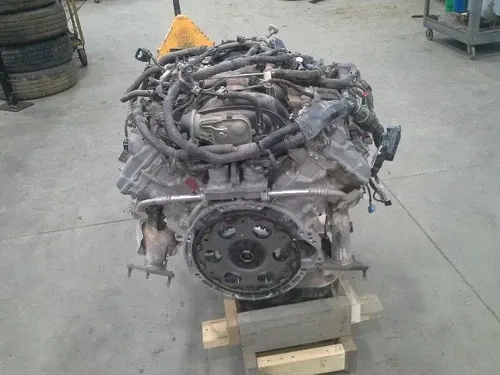
Image source: Web (Bing) / blueprismautomotive.com (Web image (fair-use with source credit))
Quick Answer
Your 2017 Toyota Tundra takes 0W-20 full synthetic oil. That's the factory recommendation. Toyota also approves 5W-30 for certain conditions.
The engine holds 6.9 quarts with a filter change. Use full synthetic only. Stick with API SN Plus or SP rated oil.
Check your dipstick regularly.
Why There Are Two Valid Oil Options (And Why It Confuses Everyone)
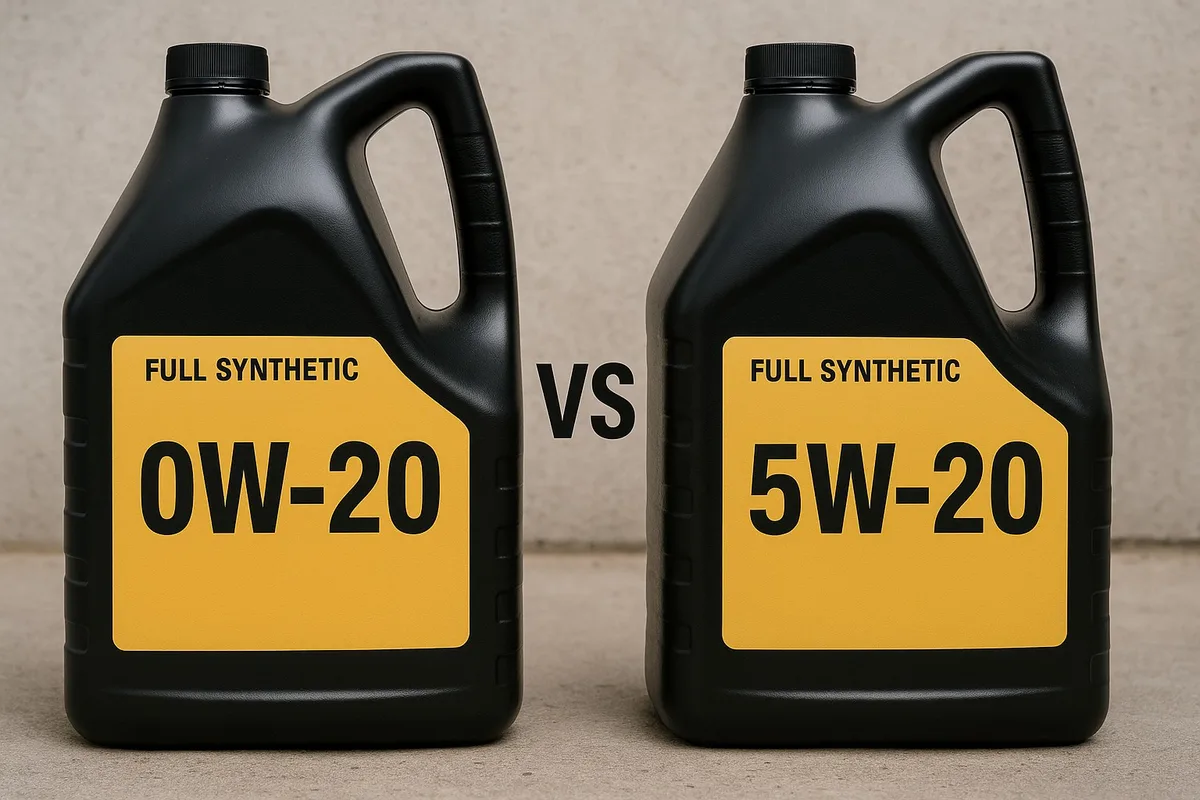
Image source: Web (Bing) / heavyvehicleinspection.com (Web image (fair-use with source credit))
Here's the short version of why this is confusing. Toyota designed the 5.7L V8 engine in your Tundra to run on 0W-20 oil. That's what the owner's manual states as the primary recommendation.
But Toyota also lists 5W-30 as an acceptable alternative in the same manual.
Why would they do that? It comes down to the engineering tolerances in the 3UR-FE engine. This isn't a fragile, high-strung motor.
It's a truck engine built to work. The 0W-20 provides better fuel economy and flows faster in cold starts. The 5W-30 provides a thicker oil film at high temperatures, which matters when you're working the engine hard.
The confusion gets worse because some 2017 Tundras left the factory with a 0W-20 oil cap and others with a 5W-30 cap. That's not a mistake. Toyota produced these trucks across different assembly lines and periods.
Both caps are technically correct for the engine.
The real question isn't which one is "right." It's which one fits your driving conditions. And that's what we're going to help you figure out.
0W-20 vs. 5W-30: Which One Is Right for Your Truck?
Let's lay this out in a way that makes the decision simple. Both oils are full synthetic. Both meet Toyota's requirements.
The difference is in how they behave under different conditions.
What 0W-20 Does Best
The "0W" part means this oil stays thin in cold weather. It flows quickly when you start the engine on a freezing morning. That's important because most engine wear happens in the first few seconds after startup, before the oil fully circulates.
The "20" part means it stays relatively thin at operating temperature. That reduces internal drag on the engine, which improves fuel economy. If you mostly drive your Tundra on highways and city streets without heavy loads, 0W-20 is the most efficient choice.
Manufacturer specifications confirm that 0W-20 meets the fuel economy targets Toyota designed for this engine. It's also the oil that dealerships will put in during routine service.
What 5W-30 Does Best
The "5W" part means it's slightly thicker than 0W when cold. It still flows well in most winter conditions, but it takes a fraction of a second longer to circulate in extreme cold.
The "30" part is where the difference matters. At full operating temperature, 5W-30 maintains a thicker oil film between moving parts. That extra film strength becomes valuable when the engine is under heavy load, running at high RPMs, or operating in high ambient temperatures.
If you tow a trailer, haul heavy loads regularly, or live somewhere that sees 100-degree summers, the thicker oil provides an extra margin of protection.
Who Should Use 0W-20
- You use your Tundra as a daily driver
- Most of your driving is highway or city commuting
- You don't tow more than occasionally
- You live in a moderate or cold climate
- You want the best fuel economy from your truck
Who Should Use 5W-30
- You tow a boat, trailer, or camper regularly
- You live in a hot climate like Arizona, Texas, or Florida
- Your Tundra has over 100,000 miles
- You drive in heavy stop-and-go traffic frequently
- You prefer the extra protection margin for peace of mind
Common Mistakes Tundra Owners Make With Oil
After digging through verified buyer feedback and forum discussions, a few patterns show up repeatedly. These are the mistakes that actually cost people money.
Using Conventional Oil
The 5.7L V8 runs hot, especially under load. Conventional oil breaks down faster at those temperatures. You save maybe fifteen dollars per oil change, but you're gambling with a $10,000 engine.
Full synthetic is non-negotiable for this engine.
Overfilling the Oil
This one happens more than you'd think. Someone adds the full 7 quarts because the spec says 6.9 quarts. But that 0.1 quart matters.
Overfilling causes the crankshaft to whip the oil into foam, which means air bubbles get pumped through the engine instead of oil. That's a fast way to damage bearings.
Always fill with 6.9 quarts, run the engine for a minute, shut it off, wait a few minutes, and then check the dipstick. Top off only if needed.
Ignoring the Oil Filter
The oil filter matters just as much as the oil. A cheap filter with poor bypass valve timing or low-quality filter media can restrict flow or fail to trap particles. Stick with Toyota OEM filters or reputable aftermarket options like Wix, Mobil 1, or Fram Ultra.
Following the 10,000-Mile Interval Blindly
Toyota's recommended oil change interval for normal service is 10,000 miles. But "normal service" means light highway driving in moderate conditions with minimal idling. Most Tundra owners fall under "severe service" based on the manufacturer's own definition.
That includes towing, stop-and-go traffic, hot climates, and dusty conditions. For severe service, Toyota recommends 5,000-mile intervals.
Our research shows that 5,000 to 7,500 miles is the sweet spot for most Tundra owners. It's cheap insurance.
Using the Wrong Viscosity for the Season
Some owners run 0W-20 year-round in hot climates without considering that the oil film at operating temperature is thinner than what the engine might prefer under load. Conversely, running 5W-30 in a Canadian winter means slower cold-start circulation. Match the oil to your conditions, not just the manual.
Step-by-Step: How to Change Your Oil the Right Way
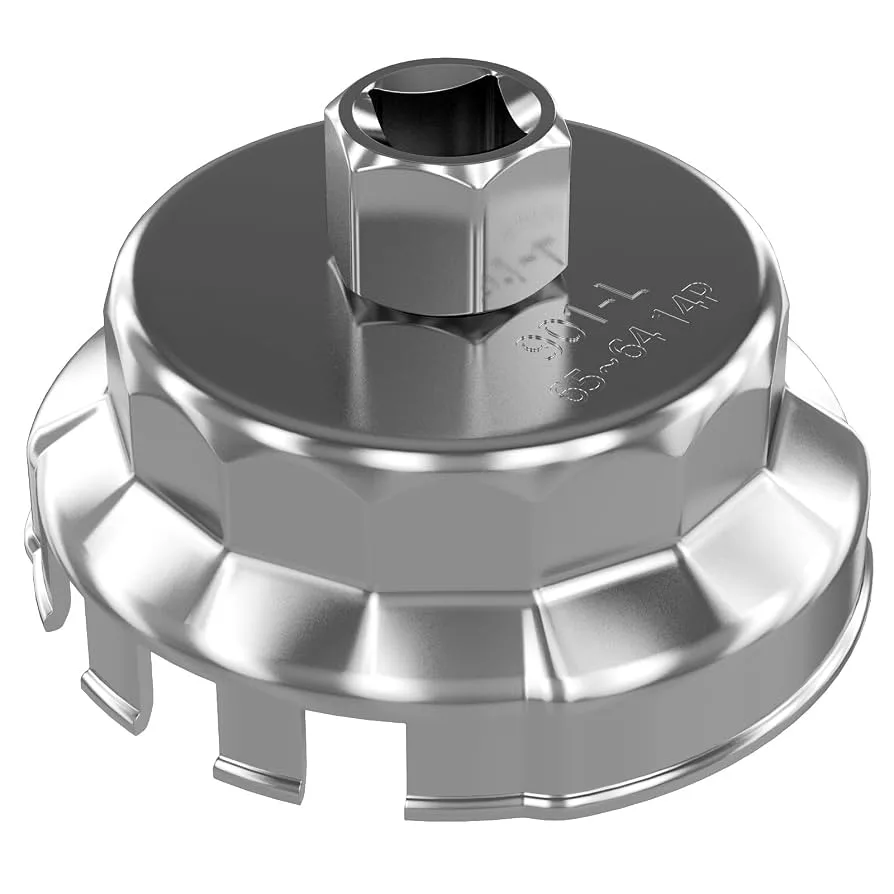
Image source: Bing (Web (fair-use with source credit))
If you're doing this yourself, here's the procedure that matches what the factory service manual specifies. It's straightforward on the Tundra because the oil filter and drain plug are easy to access.
What You'll Need
| Item | Spec |
|---|---|
| Oil | 6.9 quarts full synthetic 0W-20 or 5W-30 |
| Oil filter | Toyota 90915-YZZD3 or equivalent |
| Drain plug washer | 14mm crush washer (replace each time) |
| Socket/wrench | 14mm for drain plug |
| Oil filter wrench | 64mm, 14-flute cap style |
| Drain pan | 8+ quart capacity |
| Funnel | Long neck for tight access |
The Steps
Step 1: Warm up the engine. Run it for a few minutes so the oil is warm but not hot. Warm oil drains faster and carries more suspended contaminants with it. Don't do this on a stone-cold engine or a fully hot one.
Step 2: Lift and secure the truck. Use jack stands. Never work under a vehicle supported only by a jack. The Tundra sits high enough that you might not need to lift it at all, but check your clearance first.
Step 3: Drain the old oil. Place your drain pan under the oil pan. Remove the 14mm drain plug. Let it drain completely, which takes about five minutes.
Replace the crush washer before reinstalling the plug. Torque it to 27 to 33 ft-lbs.
Step 4: Remove the oil filter. It's located on the passenger side of the engine block, accessible from underneath or above. Use your filter wrench to loosen it. Oil will spill, so position your drain pan underneath.
Wipe the mounting surface clean before installing the new filter. Lubricate the new filter's gasket with a bit of fresh oil before hand-tightening it.
Step 5: Add new oil. Pour in 6.9 quarts through the fill cap on the valve cover. Replace the cap securely. Run the engine for about 30 seconds to circulate the oil.
Shut it off and wait three minutes.
Step 6: Check the dipstick. Pull it out, wipe it clean, insert it fully, then pull it again. The oil level should be between the two marks. Add a small amount if needed, but don't overfill.
Step 7: Reset the maintenance light. On the 2017 Tundra, turn the ignition to ON (don't start the engine), press the trip reset button until the odometer shows the trip A reading. Turn the ignition OFF. Then hold the trip reset button while turning the ignition back to ON.
Continue holding until the maintenance light resets. The display will show dashes and then clear.
Specs at a Glance: Oil Capacity, Filter, and Torque Values
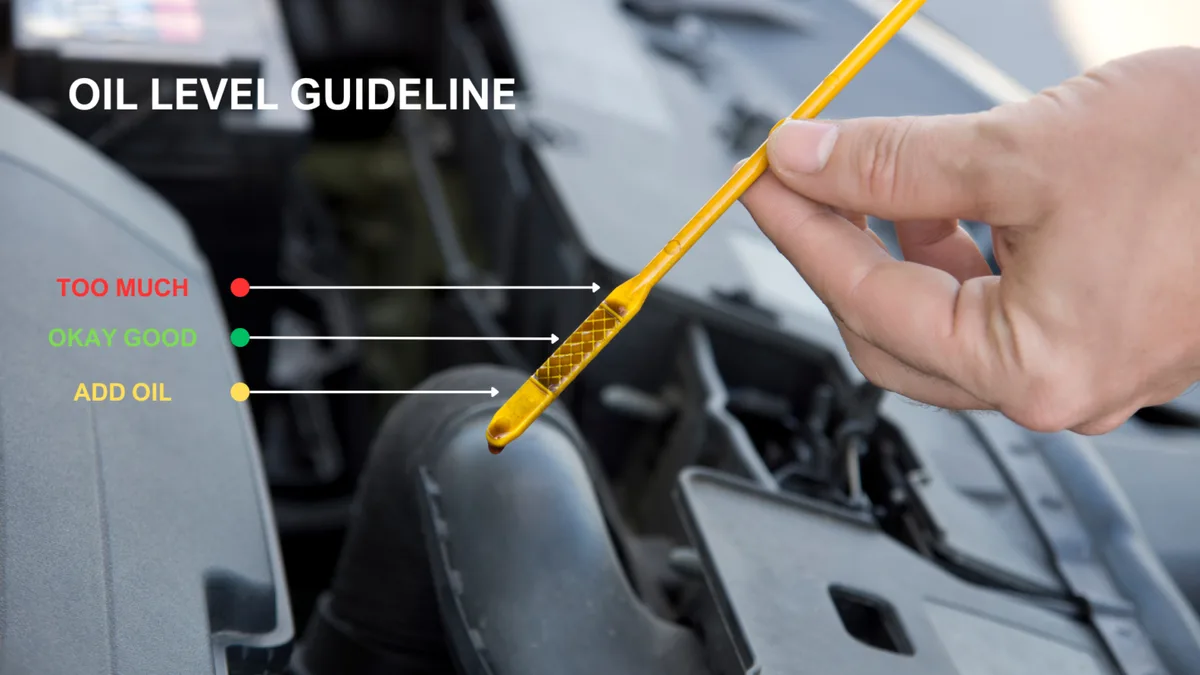
Image source: Web (Bing) / hitchesguide.com (Web image (fair-use with source credit))
This is the reference sheet you'll want to keep in your glove box or save on your phone.
| Specification | Value |
|---|---|
| Engine oil capacity (with filter) | 6.9 quarts (6.5 liters) |
| Recommended viscosity (primary) | SAE 0W-20 full synthetic |
| Recommended viscosity (alternative) | SAE 5W-30 full synthetic |
| Oil filter part number (Toyota OEM) | 90915-YZZD3 |
| Oil filter wrench size | 64mm, 14-flute |
| Drain plug thread size | 14mm |
| Drain plug torque spec | 27 to 33 ft-lbs |
| Crush washer | 14mm, replace every change |
| API rating required | SN Plus or SP |
| ILSAC rating required | GF-5 or GF-6 |
How to Read Your Dipstick Correctly
The dipstick on the 2017 Tundra has two marks at the bottom. The lower mark is the "low" or "add" line. The upper mark is the "full" line.
Your oil level should sit between these two marks, closer to the top.
Check the oil when the engine is warm but has been off for a few minutes. Park on level ground. Pull the dipstick, wipe it clean, reinsert it fully, then pull it again for the reading.
If the oil is below the lower mark, add half a quart and recheck. Never add oil when the level is already between the two marks.
The Cost of Getting It Wrong: Real Engine Damage Risks
This section matters because oil mistakes on the 5.7L V8 aren't cheap. Here's what happens when you use the wrong oil or neglect changes.
Sludge Buildup
Conventional oil or extended change intervals cause sludge to form inside the engine. Sludge blocks oil passages, starves bearings, and eventually leads to catastrophic failure. A full engine rebuild on a 2017 Tundra runs between $4,000 and $6,000.
A replacement engine from a salvage yard costs $3,000 to $5,000 plus installation.
Bearing Failure
Thin oil that breaks down under high heat loses its ability to maintain a protective film between the crankshaft and bearings. The result is metal-on-metal contact, which scores bearings and can spin a rod bearing. That usually means a new or rebuilt engine.
Cam Phaser Issues
The 3UR-FE engine uses variable valve timing, which relies on oil pressure to operate the cam phasers. Old or degraded oil can cause the phasers to rattle or fail. That's a job that runs $1,500 to $2,500 at a shop because the timing cover has to come off.
Catalytic Converter Damage
If the engine burns oil due to poor lubrication or the wrong viscosity, the excess oil enters the exhaust stream and clogs the catalytic converters. Replacing both converters on a 2017 Tundra costs $2,000 to $3,500.
The math is simple. A $60 oil change every 5,000 miles costs you $600 over 50,000 miles. Skipping or cheaping out on oil changes risks a $5,000 to $10,000 repair bill.
Warranty and Compliance: What Toyota Actually Requires
The 2017 Tundra came with a 3-year or 36,000-mile basic warranty and a 5-year or 60,000-mile powertrain warranty. As of 2026, most of these trucks are out of the factory warranty period. But the compliance rules still matter if you have an extended warranty or if you ever need to file a goodwill claim with Toyota.
What Toyota Requires
- Oil must meet the viscosity grade listed in the owner's manual
- Oil must meet API SN or higher and ILSAC GF-5 or higher
- Oil changes must be performed at intervals consistent with the maintenance schedule
- Records of oil changes must be kept (receipts, dates, mileage)
The Fine Print
Toyota does not require you to use Toyota-branded oil or filters. You can use any brand that meets the specifications. What matters is the proof that you followed the schedule and used the correct grade.
If an engine failure occurs and Toyota finds evidence of sludge, the wrong viscosity, or extended intervals, they can deny a warranty claim. That's true even if you're out of the base warranty period and filing a goodwill claim.
What This Means for You
Keep your receipts. Write the date and mileage on the oil filter box or in a logbook. Stick to the 5,000 to 7,500-mile interval.
Use API SP or SN Plus rated oil. That's all it takes to stay compliant.
Frequently Asked Questions
Can I use 5W-30 in my 2017 Tundra?
Yes. Toyota lists 5W-30 as an acceptable alternative in the owner's manual. It's a better choice if you tow regularly, live in a hot climate, or have high mileage on your truck.
It won't void your warranty as long as it meets the API and ILSAC ratings.
Does the 2017 Tundra take conventional or synthetic oil?
The factory fill is full synthetic, and that's what you should use. The 5.7L V8 runs hot enough that conventional oil breaks down too quickly. Full synthetic resists thermal breakdown, flows better in cold weather, and protects the engine longer between changes.
How often should I change the oil in my 2017 Tundra?
For normal driving, every 7,500 miles is safe. For severe service, which includes towing, stop-and-go traffic, hot climates, and dusty conditions, change it every 5,000 miles. Most Tundra driving falls under severe service by Toyota's definition.
What happens if I use the wrong oil in my Tundra?
Using the wrong viscosity can cause increased engine wear, reduced fuel economy, and potential sludge buildup. Using conventional instead of synthetic accelerates oil breakdown at high temperatures. Neither will destroy the engine overnight, but both shorten its lifespan.
How do I check the oil level on my 2017 Tundra?
Park on level ground with the engine warm but off for a few minutes. Pull the dipstick, wipe it clean, reinsert it fully, then pull it again. The oil should be between the lower and upper marks.
If it's at or below the lower mark, add half a quart and recheck.
What oil filter does a 2017 Tundra use?
The OEM part number is Toyota 90915-YZZD3. Compatible aftermarket options include Wix 57095, Mobil 1 M1-209, and Fram Ultra XG10575. Make sure the filter has a silicone anti-drainback valve and meets the bypass valve pressure spec for the 5.7L engine.