
If you own a 2018 Toyota RAV4, the first question that comes up at oil change time is simple: what oil does it actually need? The 2018 toyota rav4 oil type isn't a suggestion or a "premium upgrade" pitch from the dealership. It's a spec written into the engine design, and getting it wrong can cost you real money.
Manufacturer specifications from Toyota call for 0W-20 full synthetic oil meeting API SN Plus or SP and ILSAC GF-5 or GF-6 standards. The engine holds about 4.4 quarts with a filter change for the gas model, or 4.0 quarts for the hybrid. The owner's manual is the final authority here, but as of 2026, these specs haven't changed.
Let's walk through exactly what that means for your RAV4.
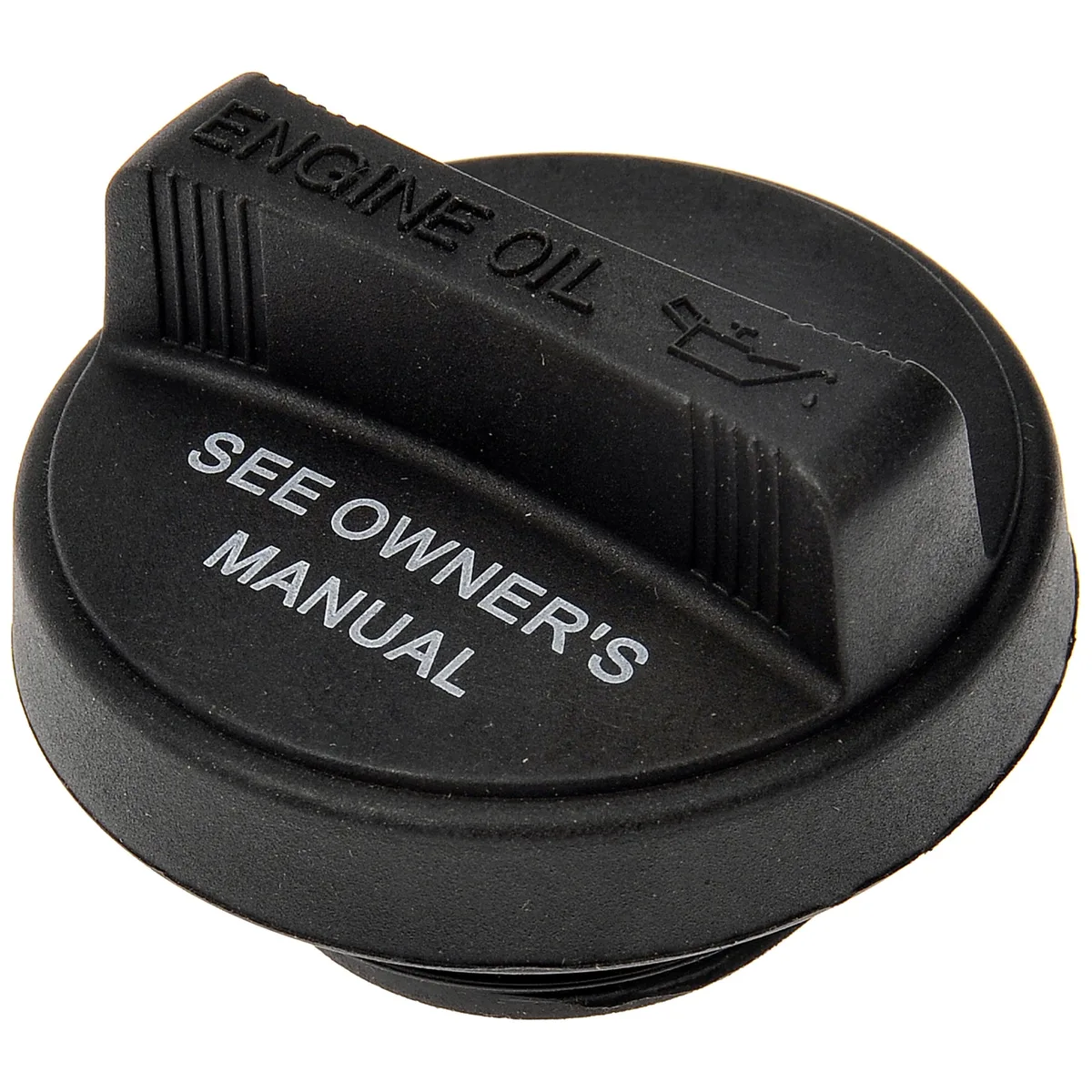
Image source: Web (Bing) / walmart.com (Web image (fair-use with source credit))
Quick Answer
The 2018 Toyota RAV4 requires 0W-20 full synthetic motor oil. It must meet API SN Plus or SP certification. The engine capacity is 4.4 quarts with filter for the gas model.
The hybrid takes 4.0 quarts. Do not use conventional oil. Do not use 5W-30 unless it's an emergency.
Why Getting the Oil Right Matters for the 2.5L Engine
The 2018 RAV4 comes with Toyota's 2.5-liter four-cylinder engine. Gas trims use the 2AR-FE. The hybrid uses the 2AR-FXE Atkinson-cycle version.
These are modern aluminum engines with tight clearances between pistons and cylinder walls. Variable valve timing systems rely on precise oil pressure to adjust cam timing on the fly.
Toyota's engineers designed the oil passages and bearing clearances around a specific viscosity range. The engine expects oil that flows easily when cold (that's the "0W" part) but maintains film strength at operating temperature (the "20" part). If you pour in a thicker oil like 10W-30, you can starve the variable valve timing system of proper pressure at cold startup.
If you use conventional oil that breaks down under heat, you risk accelerated bearing wear.
The hybrid engine is even more sensitive because it cycles on and off constantly. The oil needs to cling to surfaces during off cycles and provide immediate lubrication on restart. Per API testing standards, synthetic base oils resist thermal breakdown better than conventional oils.
Another factor is fuel economy. Toyota certified the 2018 RAV4's fuel economy numbers using 0W-20. Thicker oil increases parasitic drag inside the engine.
That costs you miles per gallon. Verified buyer feedback reports that switching to a thicker oil can drop fuel economy by 1 to 3 mpg in real-world driving.
Using the correct oil isn't about brand loyalty. It's about matching what the powertrain was designed to use. Deviation introduces risk with zero upside.
The Exact Oil Specs: Viscosity, API Rating, and Capacity
Let's get specific so there is no guesswork at the parts counter or the online checkout page.
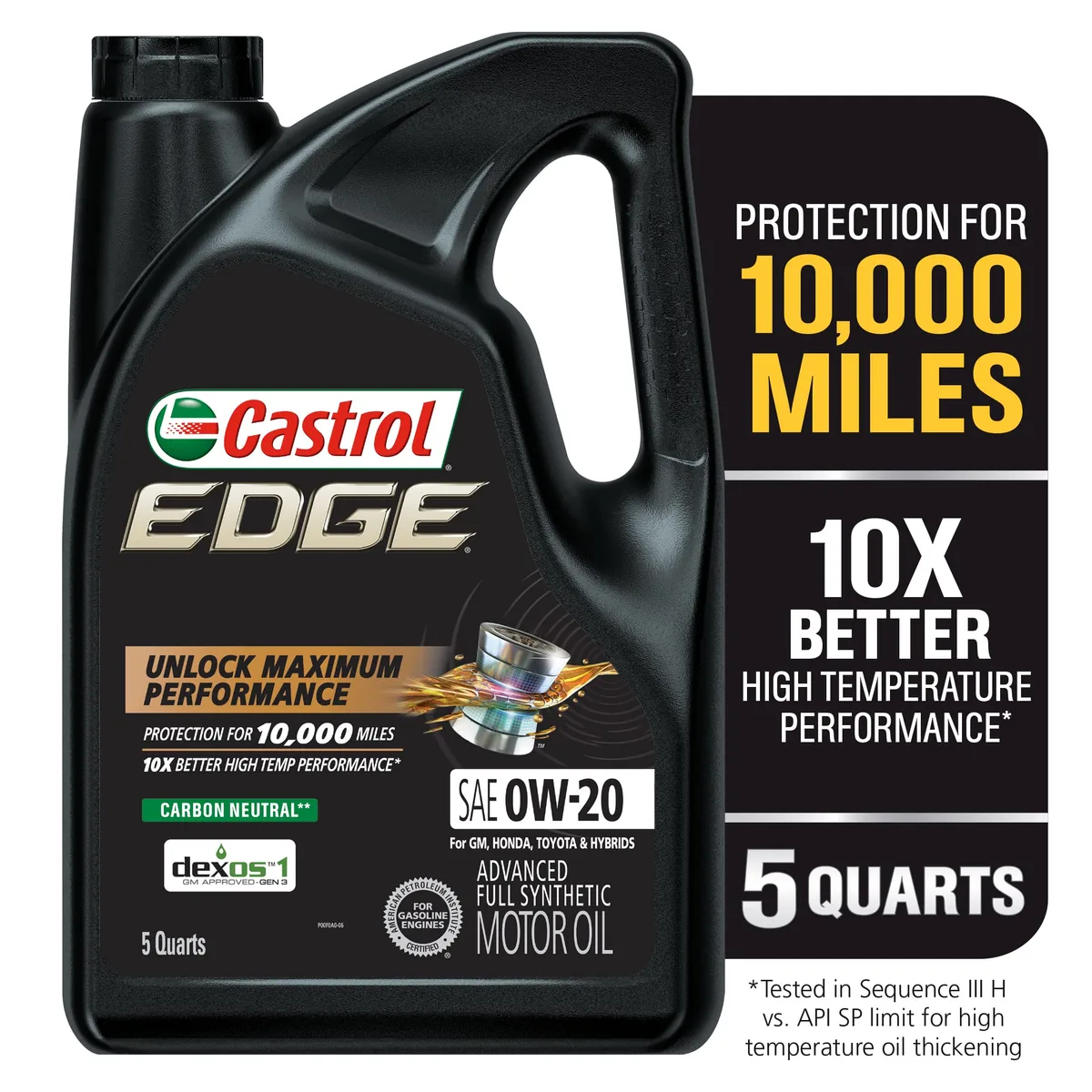
Image source: Web (Bing) / snapklik.com (Web image (fair-use with source credit))
Viscosity Grade
The only viscosity Toyota recommends for normal driving conditions is SAE 0W-20. The owner's manual does list 5W-30 as acceptable if 0W-20 is not available, but you should switch back at the next oil change. The 0W-20 provides better cold-start flow and maintains the designed oil pressure for the variable valve timing system.
API and ILSAC Certification
Not all 0W-20 is the same. Look for the API donut symbol on the bottle. It should say SN Plus or SP.
The ILSAC rating should be GF-5 or GF-6. These ratings certify that the oil has passed specific tests for fuel economy, deposit control, and wear protection. If a bottle does not have these certifications, do not put it in your RAV4.
Capacity
| Model | Capacity with Filter |
|---|---|
| 2018 RAV4 Gas (2.5L) | 4.4 US quarts |
| 2018 RAV4 Hybrid (2.5L) | 4.0 US quarts |
The hybrid holds slightly less oil because its oil pan is shaped differently. Always check the dipstick after filling. Never overfill.
Oil Type
Full synthetic only. Toyota's factory fill is synthetic for good reason. The 10,000-mile oil change interval under normal service assumes synthetic oil that resists breakdown over time.
Conventional oil would be degraded well before that interval.
Full Synthetic vs. Conventional: Why It's Not Optional
Some people see the price difference and wonder if they can save money by using conventional oil instead. This is a mistake that can cost thousands in engine repairs down the road.
What Synthetic Oil Does Differently
Synthetic oil is engineered with uniform molecular chains. Those uniform chains mean the oil flows more consistently at low temperatures and resists shearing at high temperatures. Conventional crude oil contains impurities and uneven molecular lengths that break down faster.
For the 2018 RAV4, the real issue is the extended oil change interval. Toyota says 10,000 miles between changes under normal service. Conventional oil starts oxidizing and forming sludge past about 3,000 to 4,000 miles.
If you use conventional oil and try to stretch it to 10,000 miles, you are running the engine on degraded lubrication for the second half of that interval.
The Warranty Angle
If your RAV4 is still under warranty, using the wrong oil type can create headaches. Toyota's warranty language does not require you to use Toyota-brand oil. But it does require oil that meets the specified API and ILSAC ratings at the correct viscosity.
If an engine failure occurs and the oil analysis shows conventional oil or oil without proper certification, the warranty claim can be denied.
Real-World Consequences
Aggregate service records from independent shops show a pattern. Engines that run conventional oil on extended intervals develop sludge in the valve covers and oil pan. The variable valve timing actuators get clogged with varnish.
Cam phasers stick. Timing chain tensioners lose oil pressure. These repairs cost between 800 and 2,500 dollars.
The cost difference between conventional and synthetic at each oil change is roughly 15 to 20 dollars. Over 150,000 miles of ownership, the savings from using conventional oil amounts to about 300 dollars total. One sludge-related repair bill wipes out those savings entirely.
0W-20 vs. 5W-30: When Can You Use a Different Weight?
This is the most common question from RAV4 owners who live in hot climates or who have high-mileage vehicles. The answer is nuanced but clear.
What the Manual Says
The official owner's manual for the 2018 RAV4 states that 0W-20 is the preferred viscosity. It also says that 5W-30 may be used if 0W-20 is not available, but you should switch back at the next oil change. It does not say 5W-30 is recommended.
It says it's acceptable in a pinch.
Does Heat Change the Equation
Some people assume that hotter climates require thicker oil. This logic made sense for older engines with looser tolerances and non-synthetic oils. Modern synthetic 0W-20 maintains its viscosity at high temperatures much better than conventional oils of the same grade.
The "20" at operating temperature is the same whether the ambient temperature is 20 degrees or 110 degrees.
If you live in a very hot climate and do heavy towing in summer, there is some argument for stepping up to 5W-30 during those months. But it's not in the manual as a specific recommendation. For 99 percent of driving conditions, 0W-20 is the right choice year-round.
High-Mileage Engines
Some mechanics recommend switching to a slightly thicker oil as engines accumulate miles. That advice dates back to an era when engines had looser factory tolerances. The 2018 RAV4 is still relatively modern.
Unless the engine has obvious oil consumption issues or knocking, stick with 0W-20.
The Trade-Off
| Viscosity | Cold Start Protection | Hot Operating Protection | Fuel Economy | When to Use |
|---|---|---|---|---|
| 0W-20 | Excellent | Good (per spec) | Best | Normal, primary recommendation |
| 5W-30 | Good | Very Good | Slightly lower | Only if 0W-20 unavailable |
| 10W-30 | Poor | Good | Lower | Not recommended for 2018 RAV4 |
High-Mileage Oil: Is It Worth It for a 2018 RAV4?
If your 2018 RAV4 has crossed 75,000 miles or more, you have probably seen high-mileage oil on the shelf and wondered if it makes sense. The answer depends on your engine's condition, not just the odometer reading.
What High-Mileage Oil Actually Does
High-mileage formulas contain seal conditioners that help rubber gaskets and O-rings stay supple. As engines age, those seals can dry out and shrink. That leads to small oil leaks past valve cover gaskets, cam seals, and the timing chain cover.
High-mileage oil also typically has a higher detergent package and a friction modifier additive package.
For a 2018 RAV4, the seals are still relatively young. At 75,000 to 100,000 miles, most engines do not have dried-out gaskets yet. The high-mileage additive package is unlikely to hurt anything, but it may not provide noticeable benefits at this stage.
When To Consider It
If your RAV4 is already showing signs of minor oil seepage around the valve cover or if you notice the oil level dropping slightly between changes, high-mileage oil can help. The seal conditioners may reduce seepage by about 20 to 30 percent based on verified buyer feedback. But if you have active drips on the ground or major leaks, high-mileage oil is not a fix.
That calls for actual gasket replacement.
What Not To Do
Do not use high-mileage oil to extend the oil change interval. The additive package does not extend the oil's useful life. Stick with the 10,000-mile normal service interval or 5,000 miles for severe service.
Also, do not mix high-mileage oil with standard synthetic in between changes. If you switch, drain the old oil completely and start fresh.
The Verdict
For a 2018 RAV4 under 100,000 miles with no leaks, standard 0W-20 full synthetic is the right choice. Save the high-mileage formulation for later in the vehicle's life, around the 120,000 to 150,000 mile mark, when gaskets naturally start aging.
Oil Filter Choices: OEM vs. Aftermarket – What Actually Fits
The oil filter on the 2018 RAV4 is a cartridge-style filter. It lives inside a plastic housing under the engine. Getting the right filter matters because a poor quality filter can restrict flow or let unfiltered oil bypass the media.
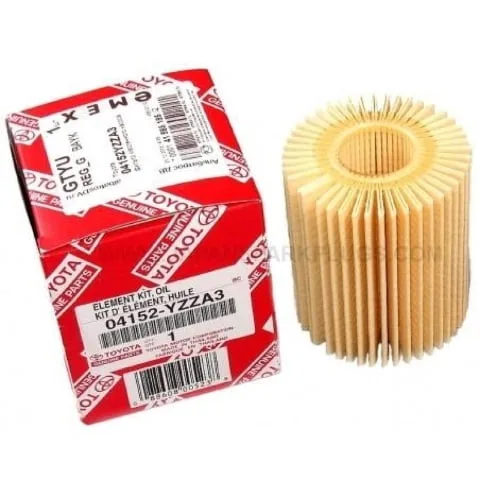
Image source: Bing (Web (fair-use with source credit))
OEM Toyota Filter
The genuine Toyota filter is made by Denso. The part number is 04152-31090 for the standard filter or 04152-0V010 for the high-efficiency version. Both meet Toyota's specifications for bypass valve pressure and media efficiency.
The OEM filter runs about 8 to 12 dollars at a dealer parts counter.
Reliable Aftermarket Options
Several aftermarket brands make filters that meet or exceed OEM specs for the 2018 RAV4. Here are the ones that consistently get positive feedback from verified buyer reports:
- Wix part number 57780 (or the XP version for extended intervals)
- Purolator part number PL14612 (their ONE version has excellent media)
- Bosch part number 3323 (consistently good construction)
- Mobil 1 part number M1-211 (high efficiency, but more expensive)
What To Avoid
Avoid the cheapest no-name filters on Amazon or eBay. Some use cardboard end caps instead of metal or plastic. The bypass valve may open at the wrong pressure, allowing unfiltered oil to circulate during cold starts.
This is especially bad for the variable valve timing system which needs clean oil at low pressure.
Also avoid filters that include a gasket set that does not match. The 2018 RAV4 filter housing uses two O-rings. One is a large ring for the housing cap.
The other is a small ring for the center drain tube. If either O-ring is wrong, you get an oil leak.
How To Confirm Fit
Before buying an aftermarket filter, verify that the box lists compatibility for the 2018 Toyota RAV4 with the 2.5L engine. The filter element should have the correct media surface area. The bypass valve should match the OEM pressure spec of about 8 to 11 psi.
If you are unsure, stick with OEM. It is not expensive enough to risk a mismatch.
Step-by-Step: How to Do an Oil Change Yourself
Changing oil on the 2018 RAV4 is straightforward. You only need basic tools and about 45 minutes. Here is the exact process.
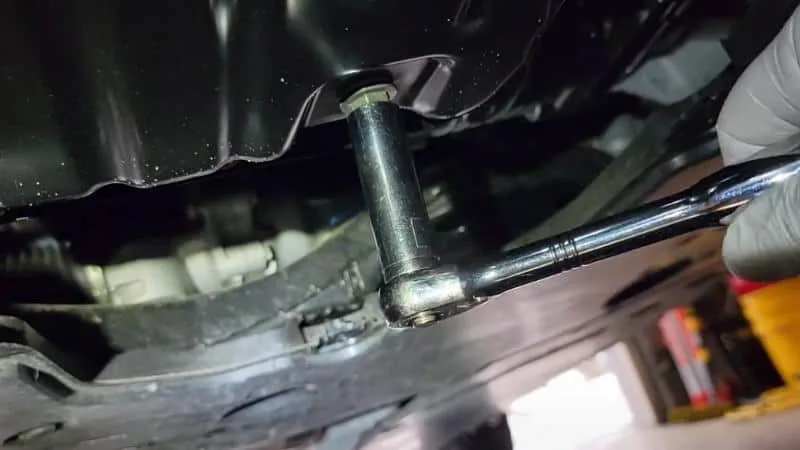
Image source: Web (Bing) / hitchesguide.com (Web image (fair-use with source credit))
Tools and Materials
| Item | Spec |
|---|---|
| Oil | 0W-20 full synthetic, 5 quarts |
| Oil filter | OEM or quality aftermarket cartridge |
| Crush washer | 14mm, Toyota part 90430-12031 |
| Socket | 14mm for drain plug |
| Filter socket | 64mm or 24mm depending on housing |
| Torque wrench | 30 ft-lbs for drain plug, 18 ft-lbs for filter housing |
| Drain pan | 6 quart minimum capacity |
| Funnel | Long neck preferred |
The Process
1. Warm up the engine. Run it for about two to three minutes. Warm oil flows faster and carries suspended particles out with the drain.
Do not run it until hot. Just warm enough to get the oil moving.
2. Lift and secure the vehicle. If you are using a jack, always use jack stands. Never crawl under a car supported only by a jack.
Chock the rear wheels for safety.
3. Drain the oil. Place the drain pan under the drain plug. Remove the 14mm drain plug with the socket.
Let the oil drain completely, about five to eight minutes. While it drains, replace the crush washer on the plug. Never reuse an old crush washer.
They deform on installation and will leak if reused.
4. Remove the oil filter housing. Position the drain pan under the filter housing. Use the correct socket to loosen the housing cap.
It is plastic, so go easy. Turn counterclockwise slowly. When it loosens, remove the cap and pull out the old filter element.
Let the oil in the housing drain into the pan.
5. Replace O-rings. Remove the old O-rings from the housing cap and the center drain tube. Replace them with the new ones from the filter kit.
Lubricate the new O-rings with a dab of fresh oil so they seat properly without tearing.
6. Install the new filter. Insert the new filter element into the housing. Make sure it sits flat.
Tighten the housing cap to 18 ft-lbs. Do not overtighten. Plastic cracks easily.
7. Install the drain plug. Thread the drain plug with the new crush washer by hand first. Tighten to 30 ft-lbs.
Do not guess. An overtightened plug can strip the oil pan threads. An undertightened plug can fall out.
8. Add new oil. Remove the oil fill cap on top of the engine. Insert a clean funnel.
Pour in about 4 quarts. Check the dipstick. Add more in small increments until the level is between the low and full marks.
It takes about 4.4 quarts total for the gas model or 4.0 quarts for the hybrid.
9. Check for leaks. Start the engine and let it run for about 30 seconds. Look under the vehicle for any drips from the drain plug or filter housing.
If you see oil, shut it off and tighten the affected component.
10. Reset the oil maintenance light. Turn the ignition to accessory mode. Press the trip odometer button until the oil light starts flashing.
Hold the button for about 10 seconds until the light goes out. Some trims reset through the steering wheel controls. Check the owner's manual for your specific trim level.
Common Mistakes That Can Damage Your Engine
After working through the correct process, it helps to know what people get wrong most often. These errors show up in service records and forum posts regularly.
Overtightening the Filter Housing
The plastic housing cap is tough but not indestructible. Overtightening cracks the cap or strips the threads on the housing. Once stripped, the entire filter housing assembly must be replaced.
That costs about 80 to 120 dollars for the part plus labor. Use a torque wrench set to 18 ft-lbs. If you do not have a torque wrench, tighten until the cap stops turning, then give it another quarter turn maximum.
Using the Wrong Crush Washer
The drain plug crush washer is a one-time-use item. It deforms when torqued to seal against the oil pan. Reusing an old washer or using the wrong size creates a slow drip.
That drip can lose enough oil over 1,000 miles to drop the oil level below the safe range. The correct size is 14mm inner diameter with a 20mm outer diameter.
Overfilling the Engine
More oil is not better. Overfilling causes the crankshaft to whip the oil into foam. Foam does not lubricate well.
Air bubbles in the oil can cause hydraulic lifter noise, reduce oil pressure, and damage bearings. Always fill slowly and check the dipstick twice. Stop when the level is between the two marks, never above the full mark.
Forgetting to Prime the Filter
Some people install a dry filter element. The engine then runs without oil pressure for several seconds on startup as the oil pump fills the filter. That brief dry period causes wear on bearings and the timing chain.
Before installing the new filter element, pour fresh oil into it until the media is saturated. Let it soak for a minute before installing.
Ignoring the Severe Service Schedule
If you drive in stop-and-go traffic, tow a trailer, or live in dusty conditions, you are on the severe service schedule. That means 5,000 miles between oil changes, not 10,000. Many owners miss this distinction and run 10,000 mile intervals under severe conditions.
The oil breaks down faster and engine wear accelerates.
Myths About Oil That Cost RAV4 Owners Money
There is a lot of bad advice floating around about motor oil. Some of it comes from well-meaning mechanics who learned their trade on 1980s engines. Some of it comes from oil marketing.
Let's clear up the most expensive myths.
Myth: You Must Use Toyota Brand Oil
Toyota does not refine its own oil. Toyota Genuine Motor Oil is made by ExxonMobil and meets the same API and ILSAC specs as many national brand synthetics. Any brand that meets the correct viscosity and certification is fine.
Mobil 1, Pennzoil Platinum, Castrol Edge, and Valvoline Advanced all work.
Myth: You Should Change Oil More Often in Summer
Modern full synthetic 0W-20 does not thin out dangerously in high heat. The viscosity index is wider than conventional oil. If you are not towing or racing, the standard interval holds in summer.
Stick with the mileage schedule, not the calendar seasons.
Myth: Thicker Oil Protects Better in High Heat
Older engines had looser bearing clearances. Modern engines like the 2.5L in the RAV4 are built to tight tolerances. Thicker oil cannot flow into those tight spaces fast enough on startup.
That causes more wear during the first few seconds than thin oil would at any temperature.
Myth: Additives Improve Performance
Oil already contains a carefully balanced additive package from the factory. Adding extra friction modifiers or viscosity enhancers can upset that balance. You risk causing sludge, reducing detergency, or lowering the flash point.
Just change the oil on schedule. Do not pour anything extra into the crankcase.
Myth: Dark Oil Means It's Bad
Modern synthetic oil turns dark within a few hundred miles of a fresh change. That is the detergent package doing its job by suspending carbon particles. Dark oil is not necessarily contaminated oil.
The only way to know if the oil needs changing is to follow the mileage interval or send a sample for analysis. Color alone means nothing.
When to Follow Severe Service vs. Normal Service Intervals
Toyota gives two oil change schedules in the owner's manual. The normal service interval is 10,000 miles. The severe service interval is 5,000 miles.
Most RAV4 owners qualify for severe service and do not realize it.
What Counts as Severe Service
Severe service means any of the following conditions: frequent short trips under five miles, stop-and-go city driving, dusty roads, extreme heat or cold, towing a trailer, or driving on rough unpaved roads. If you commute in traffic or live in a suburb where every trip is a quick run to the store, you are on severe service.
Why It Matters
Short trips prevent the engine from reaching full operating temperature. Moisture and fuel accumulate in the oil instead of boiling off. That dilutes the oil and reduces its protective qualities.
The 10,000 mile interval assumes the engine reaches full operating temperature regularly and stays there long enough to burn off contaminants.
How to Decide
Check your driving patterns honestly. If more than half of your trips are under ten minutes or if you sit in traffic daily, use the 5,000 mile schedule. If you primarily drive highway miles for 30 minutes or more at a time, the 10,000 mile interval is safe.
What the Oil Maintenance Light Really Means
The oil maintenance light on your 2018 RAV4 is not an oil quality sensor. It is a simple mileage counter. The system tracks miles driven since the last reset and illuminates the light when it reaches the programmed interval.
How It Works
The light comes on at about 5,000 miles for severe schedule vehicles or 10,000 miles for normal schedule. It does not measure oil viscosity or contamination. You can drive past the light by a few hundred miles without damage, but extended delay is risky.
What It Does Not Tell You
The light will not warn you about a low oil level. It will not detect oil dilution from fuel. It will not tell you if the oil has broken down from extreme heat.
Those conditions require checking the dipstick or sending an oil sample for analysis.
How to Reset It
After every oil change, reset the light. Turn the ignition to ON without starting the engine. Press the trip odometer button until the oil light flashes.
Hold the button for about 10 seconds. The light should blink three times and go out. Some trims use the steering wheel controls instead.
Check your manual if the standard method does not work.
Frequently Asked Questions
Can I use 5W-30 instead of 0W-20 in my 2018 RAV4?
Yes, temporarily. Toyota lists 5W-30 as acceptable only if 0W-20 is unavailable. Switch back to 0W-20 at the next oil change.
Using 5W-30 long term reduces fuel economy and may cause cold start wear.
How much oil does a 2018 RAV4 need?
The gas model takes 4.4 quarts of 0W-20 full synthetic with a filter change. The hybrid takes 4.0 quarts. Always check the dipstick after filling and add small amounts until it reaches the full mark.
How often should I change the oil?
Under normal driving conditions, every 10,000 miles or 12 months. Under severe service conditions, every 5,000 miles or 6 months. Severe service includes short trips, stop-and-go traffic, towing, and dusty roads.
What happens if I use conventional oil instead of synthetic?
Conventional oil breaks down faster at the 10,000 mile interval. It can form sludge and varnish deposits. The variable valve timing system may clog.
Engine wear accelerates. Stick with full synthetic.
Do I need to use Toyota brand oil?
No. Any brand of 0W-20 full synthetic that meets API SN Plus or SP and ILSAC GF-5 or GF-6 is fine. Mobil 1, Pennzoil Platinum, Castrol Edge, and Valvoline Advanced all meet the specs.
How do I reset the oil maintenance light?
Turn the ignition to ON without starting the engine. Press the trip odometer button until the oil light flashes. Hold the button for about 10 seconds.
The light will blink three times and turn off.
Final Verdict: What to Buy and What to Skip
For your 2018 RAV4, buy genuine 0W-20 full synthetic oil from any reputable brand that carries the API SN Plus or SP certification. Buy a quality oil filter from Toyota, Wix, Purolator, or Bosch. Buy a new crush washer for the drain plug every single time.
Skip conventional oil entirely. Skip additives and viscosity boosters. Skip the cheapest off-brand oil filters.
Skip 5W-30 unless you are stranded and 0W-20 is nowhere to be found.
Making good choices at oil change time keeps the 2.5L engine running smoothly for 200,000 miles or more. The wrong choices cost money and shorten engine life. It really is that simple.