
If you've been searching for the right 2019 toyota 4runner oil type, you've probably seen conflicting advice online. Some forums say 5W-30. Others say 0W-20.
Maybe your buddy swears by a different brand. It gets confusing fast.
Here's the simple truth. The 2019 Toyota 4Runner requires SAE 0W-20 full synthetic motor oil that meets API SN Plus or SP certification. That's not a suggestion.
It's the manufacturer's spec. Using anything else risks engine wear, reduced fuel economy, and potential warranty issues.
Quick Answer
The 2019 Toyota 4Runner takes 0W-20 full synthetic oil. It must meet API SN Plus or SP standards. The engine holds 6.5 quarts with a filter change.
Use a Toyota genuine oil filter for best results. Change it every 10,000 miles under normal driving conditions.
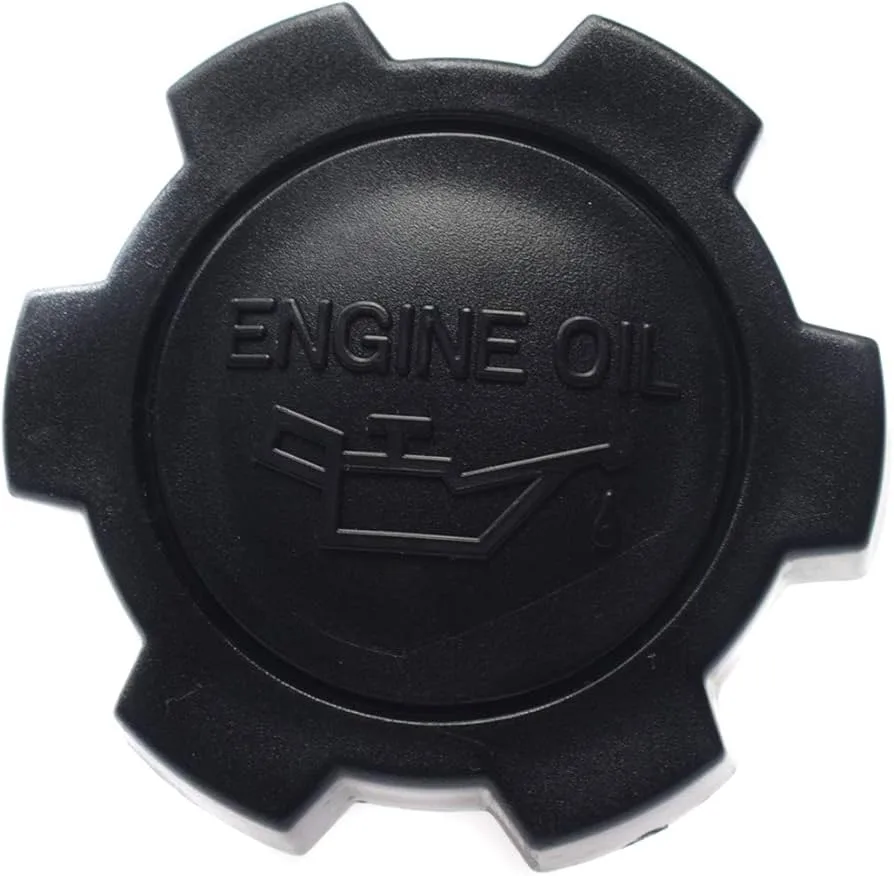
Image source: Web (Bing) / nemozconsult.com (Web image (fair-use with source credit))
Why Getting the Wrong Oil in Your 4Runner Is a Real Problem
This isn't a minor detail. The 1GR-FE engine in the 2019 4Runner is a proven workhorse, but it's also sensitive to oil viscosity. Toyota spent years engineering the dual VVT-i system to work with a specific oil pressure curve.
Change the viscosity, and you change that curve.
What happens when you use 5W-30 instead of 0W-20? The oil is thicker at cold start. That means slower flow to critical components like the timing chain tensioners and variable valve timing actuators.
Over time, this causes:
- Increased engine wear during cold starts
- Reduced fuel economy (typically 1-2 mpg loss)
- Sludge buildup from incomplete oil circulation
- Potential VVT-i system issues
The 0W-20 spec isn't about marketing. It's about maintaining the right oil pressure across the engine's operating range. Thicker oil doesn't mean better protection here.
It means the oil pump has to work harder, and the engine doesn't get the flow it needs when it matters most.
Toyota specifically chose 0W-20 for the 2019 model year to balance cold-start protection with high-temperature stability. The 2019 4Runner isn't a 2008 model. The spec changed for a reason.
The 1GR-FE Engine and Why Viscosity Matters
The 1GR-FE is a 4.0-liter V6 that's been around since 2002. Toyota updated it over the years. The 2019 version features dual independent variable valve timing (dual VVT-i).
This system relies on oil pressure to adjust cam timing on the fly.
Here's where viscosity comes into play. The VVT-i actuators use oil passages that are precisely sized. 0W-20 flows through these passages at the right rate. Thicker oil means slower response.
The engine computer compensates, but it's never as efficient.
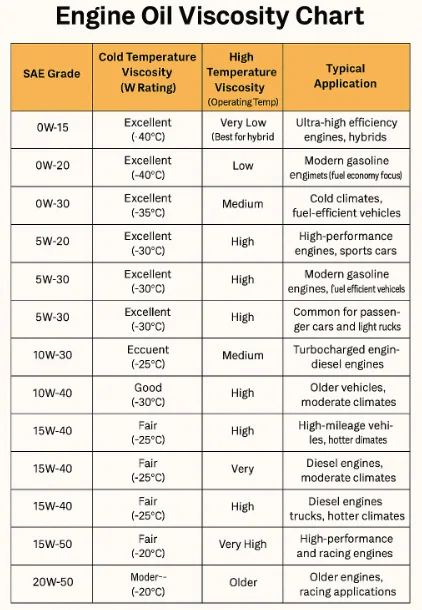
Image source: Web (Bing) / engineoiljournal.com (Web image (fair-use with source credit))
Think of it this way. Your engine's oil pump is designed to deliver a specific volume of oil at a given pressure. Thicker oil resists flow.
The pump works harder, pressure drops, and the VVT system gets less oil volume. It's a cascade of small problems that add up over 100,000 miles.
The "W" in 0W-20 stands for winter. The 0W rating means the oil stays fluid at -40°C. That's critical for cold starts.
The 20 rating means it maintains the right viscosity at operating temperature. Together, they give you the best of both worlds.
The Real Risks of Using the Wrong Oil
Let's be direct about what can go wrong. Using the wrong oil in a 2019 4Runner isn't a theoretical problem. There are real consequences.
Warranty issues. If you use 5W-30 and your engine develops a problem within the warranty period, Toyota can deny the claim. They check the oil grade during inspection. The owner's manual is clear.
The recommended oil is 0W-20.
Engine wear. The 1GR-FE engine depends on oil reaching the top end quickly. 0W-20 reaches the camshafts and timing chain within seconds of startup. Thicker oil takes longer. That extra time means metal-on-metal contact, especially in cold weather.
Reduced fuel economy. The 2019 4Runner is rated at 16-19 mpg combined. Using 5W-30 can drop that by 1-2 mpg. Over 15,000 miles a year, that's an extra 30 gallons of gas.
At $3.50 a gallon, that's over $100 a year wasted.
Sludge and deposits. The wrong viscosity can cause incomplete oil circulation. Hot spots develop. Oil breaks down faster.
Sludge forms. Once sludge starts, it's hard to reverse. Engines with sludge often need expensive repairs or replacement.
VVT-i failure. This is the expensive one. The variable valve timing actuators cost several hundred dollars each. Labor to replace them adds up.
The root cause is often poor oil circulation from the wrong viscosity.
What the API and ILSAC Certifications Actually Mean
You've seen the starburst symbol on oil bottles. That's the API certification mark. It's not just a sticker.
It means the oil has passed a battery of tests for engine protection, wear prevention, and sludge control.
For the 2019 4Runner, you need API SN Plus or SP. SN Plus was introduced in 2018 to address low-speed pre-ignition (LSPI) in modern engines. SP is the latest standard, released in 2020.
Both are acceptable for the 4Runner.
Image source: Web (Bing) / motoroilguide.com (Web image (fair-use with source credit))
ILSAC stands for International Lubricant Standardization and Advisory Committee. Their GF-5 and GF-6 standards align with API SN and SP. GF-5 focuses on fuel economy, emission system compatibility, and protection against sludge.
GF-6 adds stricter requirements for timing chain wear protection and LSPI prevention.
When you buy oil, look for the starburst symbol and the API SN Plus or SP text on the back label. That's your guarantee the oil meets Toyota's requirements. Generic oils without these certifications might save you a few dollars, but they're not worth the risk.
Stick with major brands like Mobil 1, Castrol, Pennzoil, or Valvoline. These companies invest heavily in testing and certification. Their 0W-20 full synthetic oils consistently meet the required standards.
Toyota's branded oil is also excellent.
According to the American Petroleum Institute, the certification mark is only valid on bottles that have actually passed the required tests. Counterfeit oil exists, so buy from reputable retailers.
Step-by-Step: How to Change the Oil Yourself
Changing the oil in a 2019 4Runner is a straightforward job. You'll need about 30 minutes and a few basic tools.
What you'll need:
- 6.5 quarts of 0W-20 full synthetic oil (API SN Plus or SP)
- Toyota genuine oil filter (04152-YZZA1 or 90915-YZZE1)
- Drain plug gasket (90430-12031)
- 17mm socket or wrench
- Oil filter wrench
- Torque wrench
- Oil drain pan
- Funnel
- Jack stands or ramps
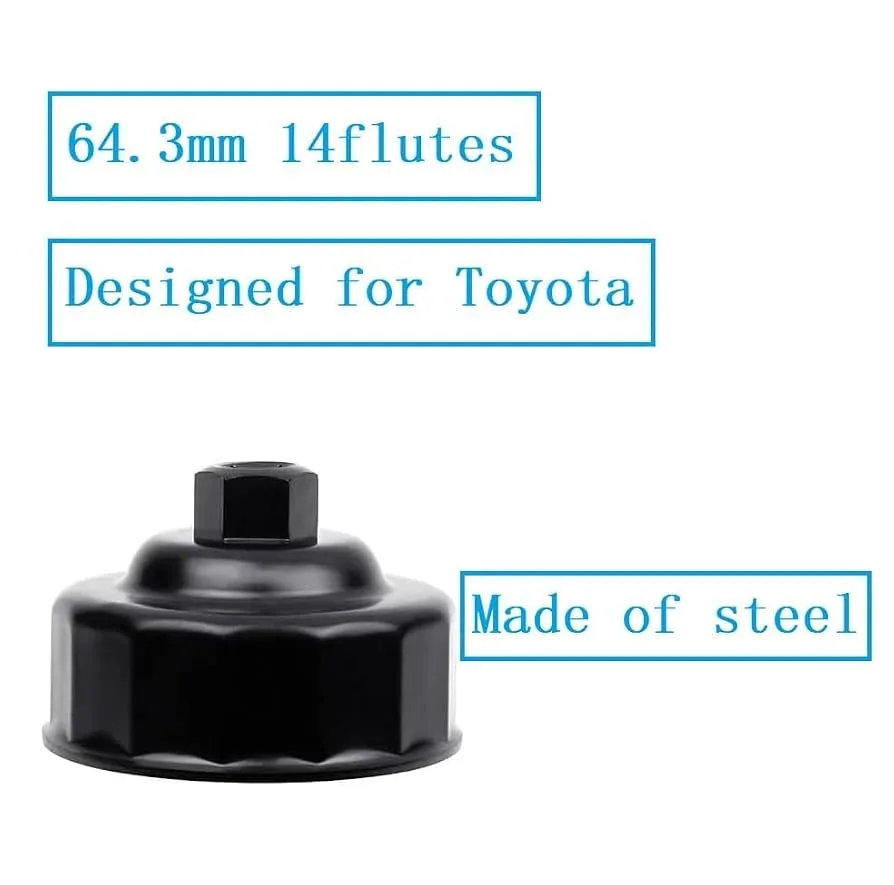
Image source: Web (Bing) / prestressconcrete.com (Web image (fair-use with source credit))
Step 1: Warm up the engine. Run it for 2 to 3 minutes. Warm oil drains faster and carries more contaminants. Don't work on a hot engine.
Warm is fine.
Step 2: Lift the vehicle. Use ramps or jack stands. Never work under a vehicle supported only by a jack.
Step 3: Drain the oil. Place the drain pan under the drain plug. Remove the 17mm drain plug and let the oil flow. Replace the crush washer with a new one each time.
Step 4: Remove the oil filter. It's on the passenger side of the engine block. Use an oil filter wrench if it's tight. Have the drain pan ready because oil will spill.
Step 5: Install the new filter. Lubricate the rubber gasket with fresh oil. Thread it on by hand until it contacts the mounting surface. Tighten it another 3/4 turn.
Don't overtighten.
Step 6: Reinstall the drain plug. Torque it to 27 ft-lbs. Over-torquing can strip the oil pan threads.
Step 7: Add the new oil. Using a funnel, add 6.5 quarts of 0W-20. Replace the oil fill cap.
Step 8: Check for leaks. Start the engine and let it run for 30 seconds. Check under the vehicle for drips. Turn off the engine and wait 2 minutes.
Step 9: Check the dipstick. Pull it out, wipe it clean, reinsert it fully, and check the level. Top off if needed.
That's the whole process. It takes about 30 minutes. You'll save $50 to $80 compared to a shop.
Mistakes to Avoid (Even Experienced DIYers Make These)
Even seasoned mechanics make mistakes on oil changes. Here are the most common ones for the 4Runner.
Using the wrong viscosity. This is the big one. The 1GR-FE needs 0W-20. Using 5W-30 or 10W-30 causes the issues we covered earlier.
Skipping the crush washer. The drain plug gasket is a one-time-use item. Reusing it leads to leaks. The part number is 90430-12031.
It costs about one dollar. Buy a pack of ten.
Over-tightening the drain plug. The spec is 27 ft-lbs. Going beyond that can strip the aluminum oil pan threads. A stripped pan means a new pan or a heli-coil repair.
Using a non-OEM oil filter. Toyota's filter has a specific bypass pressure. Aftermarket filters sometimes don't match. The Toyota filter costs about eight dollars.
Forgetting to lubricate the filter gasket. A dry gasket can stick and cause leaks. Put a thin film of fresh oil on the rubber ring before installing.
Not warming the engine. Cold oil drains slowly. You leave old oil in the engine. A two-minute warm-up makes a big difference.
Checking the dipstick incorrectly. Pull it out, wipe it clean, reinsert it fully, hold it for two seconds, then check. The oil level should be between the two dots.
Expert Tips for Long Engine Life
These tips go beyond the basics. They're what experienced 4Runner owners and mechanics do to keep these engines running past 200,000 miles.
Stick to the severe service schedule. Toyota says 10,000 miles for normal driving. But most 4Runners see severe service. Short trips, towing, off-road use, extreme temperatures, or dusty conditions all qualify.
For severe service, change the oil every 5,000 miles. It's cheap insurance.
Use the same brand consistently. While mixing brands is technically fine, sticking with one brand ensures consistent additive chemistry. The 1GR-FE responds well to consistency.
Consider a Fumoto valve. This simple mod replaces the drain plug with a valve that lets you drain oil by flipping a lever. It makes changes cleaner and faster. No more stripped drain plugs.
Keep records. Document every oil change. Note the date, mileage, oil brand, and filter part number. This helps with warranty claims and resale value.
Check the oil level weekly. The 4Runner's 1GR-FE can consume a small amount of oil as it ages. Get in the habit of checking the dipstick every time you fill up with gas. A low oil level is the most common cause of engine failure.
Use the right oil filter. The Toyota genuine filter (04152-YZZA1) is engineered for the 1GR-FE. It has the correct bypass pressure and anti-drainback valve.
Frequently Asked Questions
Can I use 5W-30 in a 2019 4Runner?
No. Toyota specifies 0W-20 for the 2019 model year. Using 5W-30 can cause increased wear, reduced fuel economy, and potential VVT-i system issues.
The manual is clear. Stick with 0W-20.
How much oil does a 2019 4Runner take?
The 1GR-FE engine holds 6.5 quarts of oil with a filter change. Without a filter change, it takes about 6.2 quarts. Buy a full 7-quart jug to have extra for topping off between changes.
What oil filter does a 2019 4Runner use?
The factory oil filter is part number 04152-YZZA1 or 90915-YZZE1. It's a cartridge-style filter. The cost is about $8 to $10.
Always use a new filter with every oil change.
How often should I change the oil in my 2019 4Runner?
Toyota recommends 10,000 miles or 12 months under normal driving conditions. For severe service, which includes towing, off-road use, short trips, or extreme temperatures, change it every 5,000 miles or 6 months.
What happens if I use conventional oil instead of synthetic?
The 2019 4Runner requires full synthetic 0W-20. Conventional oil doesn't have the same viscosity characteristics or thermal stability. Using conventional oil can cause increased wear, especially during cold starts.
Can I switch to a different brand of 0W-20?
Yes, as long as the oil meets API SN Plus or SP certification. Major brands like Mobil 1, Castrol, Pennzoil, and Valvoline all produce 0W-20 that meets the spec.
Final Verdict: What to Buy and What to Ignore
Let's simplify everything. Here's what you need for your 2019 4Runner.
What to buy:
- 0W-20 full synthetic motor oil (API SN Plus or SP)
- Toyota genuine oil filter (04152-YZZA1)
- Toyota drain plug gasket (90430-12031)
What to ignore:
- 5W-30 or any other viscosity
- High mileage formulas (not needed until 75,000 miles)
- Synthetic blend oils (go full synthetic or nothing)
- Aftermarket oil filters that don't specify OEM-equivalent specs
- Oil additives or treatments (the 1GR-FE doesn't need them)
The truth is simple. Use the right oil. Change it on time.
The 1GR-FE will run for hundreds of thousands of miles. It's a reliable engine. But it needs the right oil to stay that way.
If you're unsure about doing it yourself, a reputable shop can handle it. Just make sure they use 0W-20. Many shops default to 5W-30 for older Toyotas.
Specify the correct oil when you drop it off.
Your 2019 4Runner is a long-term investment. The oil you choose affects everything from fuel economy to engine longevity. Stick with the manufacturer's spec.
It's that straightforward.