
You are looking for the correct 2020 Toyota Corolla SE oil type, and the answer is straightforward. Your engine needs SAE 0W-20 full synthetic oil that meets API SN or SP standards. Getting this wrong can cause problems you will not notice until the engine has already suffered.
Toyota's 2.0-liter Dynamic Force engine in the SE trim is different from older Corollas. It runs a high compression ratio and direct injection. The oil has to handle more stress and keep the engine clean.
As of 2026, the factory recommendation has not changed.
Quick Answer
The correct oil for a 2020 Toyota Corolla SE is SAE 0W-20 full synthetic. It must meet API SN or SP certification. It should also carry ILSAC GF-5 or GF-6 approval.
The engine holds 4.4 quarts with a filter change. Do not use 5W-30 or conventional oil.
Why Getting This Wrong Can Cost You
The M20A-FKS engine is built with tight tolerances and specific lubrication needs. Using the wrong viscosity puts the engine at risk.
Here is what happens with the wrong oil:
Too thick (5W-30). The oil does not flow fast enough during cold starts. The variable valve timing system relies on oil pressure. Thick oil delays that pressure, causing timing chain tensioners to rattle and VVT actuators to respond slowly.
Too thin (0W-16). The oil film cannot hold up under high compression. The 2.0L runs a 13.0:1 compression ratio. Thin oil shears down faster, leaving metal on metal contact in the bearings.
Wrong certification (no API SP). Direct injection engines produce more combustion byproducts. API SP addresses low-speed pre-ignition and timing chain wear. Older oil standards lack those protections.
Using non-approved oil can void your powertrain warranty if it causes damage. That warranty covers five years or 60,000 miles.
What the Owner's Manual Actually Says
The owner's manual for your 2020 Corolla SE lists the oil specifications on pages 498 through 501.
The manual states three things:
1. Viscosity. SAE 0W-20 is the only recommended viscosity. In a pinch, 5W-30 may be used but must be replaced with 0W-20 at the next change.
2. Certification. The oil must display the API Certification Seal or the ILSAC Certification Mark.
3. Quantity. 4.4 quarts with filter change. That equals 4.2 liters.
Toyota also published Technical Service Bulletin TSB-0080-20 reinforcing these specs for the 2020 model year.
Breaking Down the Oil Specs
Let us decode what the numbers and letters mean so you can shop with confidence.
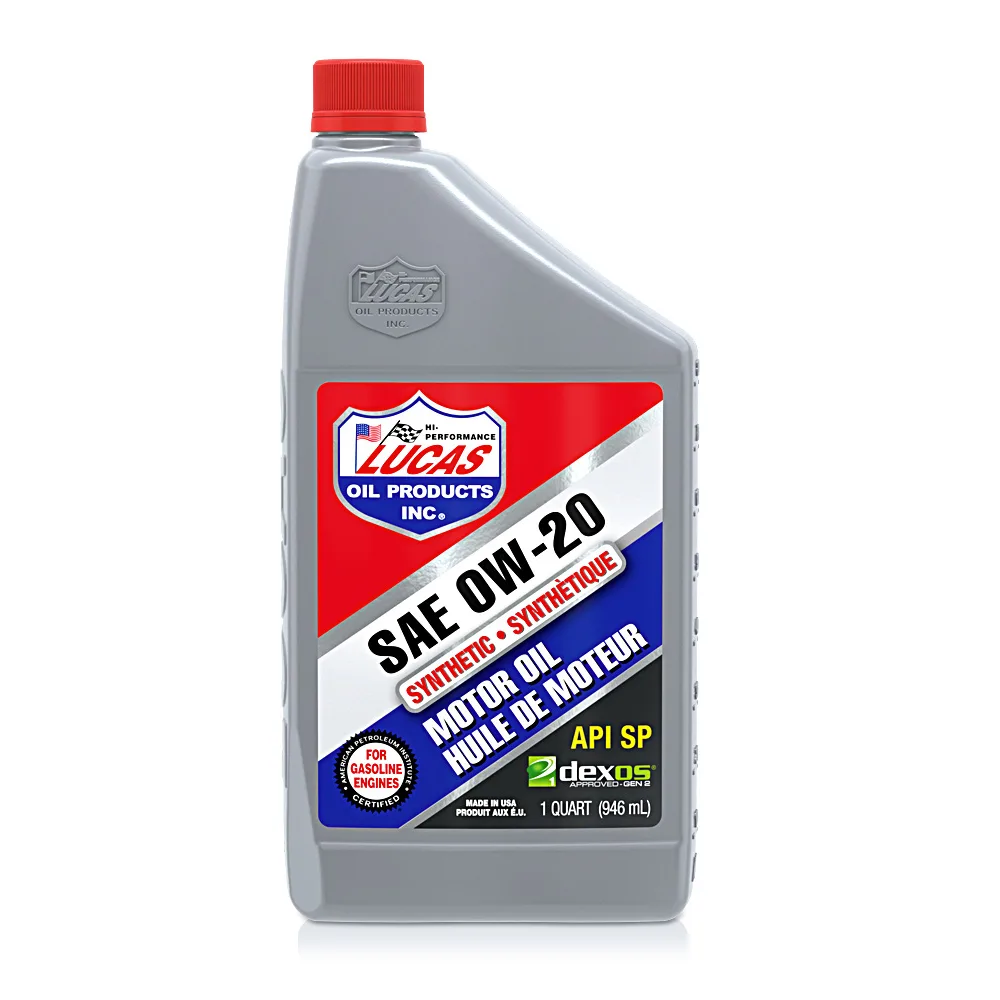
The Viscosity: 0W-20 Explained
The "0W" stands for winter viscosity. It tells you how the oil flows when the engine is cold. A 0W rating pumps easily at temperatures as low as minus 40 degrees Fahrenheit.
The "20" is the thickness at operating temperature. A 20-weight oil is thin by design. It reduces internal friction and improves fuel economy.
The Corolla SE gets 31 city and 40 highway MPG, and 0W-20 is part of how Toyota achieves those numbers.
| Viscosity | Cold Start Flow | High Temp Protection | Fuel Economy Impact |
|---|---|---|---|
| 0W-20 | Excellent | Good | Best |
| 5W-30 | Good | Excellent | Reduced by 1-2 MPG |
| 10W-30 | Poor below 20°F | Very Good | Reduced by 2-3 MPG |
| 0W-16 | Excellent | Poor | Slightly better but risky |
Stick with 0W-20. The fuel economy savings alone justify it.
The Certifications: API SN/SP and ILSAC GF-5/GF-6
These letters on the back of the bottle are proof the oil passed specific engine tests.
API SN was introduced in 2010. It protects against high-temperature deposits, sludge, and seal compatibility.
API SP came out in 2020. It adds protection against low-speed pre-ignition and timing chain wear. API SP is the better choice if you can find it.
ILSAC GF-5 was the standard through the 2010s. ILSAC GF-6 is the current standard as of 2020. GF-6 oil is backward compatible with GF-5 and offers better fuel economy.
Look for the API Starburst symbol on the front of the bottle. If it is there, the oil meets all current requirements.
Full Synthetic vs. Blends
Toyota specifies full synthetic oil. Not a blend. Not conventional.
Full synthetic resists breaking down at high temperatures. It maintains its viscosity at low temperatures. It holds up longer under shear stress from the timing chain and high compression.
Spend the extra few dollars for full synthetic. Your engine will thank you at 100,000 miles.
What Makes the M20A-FKS Engine Different
The 2020 Corolla SE uses the 2.0L M20A-FKS from Toyota's Dynamic Force engine family. It is not the same 1.8L engine from previous generations.
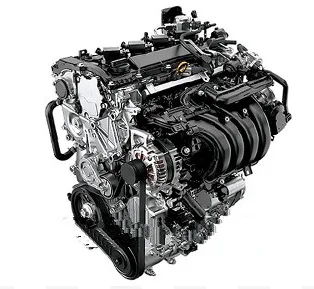
Direct Injection and Oil Demands
This engine uses both direct injection and port injection. Toyota calls this D-4S. Direct injection sprays fuel into the combustion chamber at high pressure.
Port injection sprays fuel into the intake ports.
Direct injection engines have a problem called fuel dilution. When fuel does not burn completely, it seeps past the piston rings and mixes with the oil. This thins the oil over time.
The M20A-FKS reduces this with the dual injection system. But the oil still needs to handle some fuel dilution. That is why API SP and ILSAC GF-6 certifications matter.
Why Fuel Economy Depends on the Right Weight
The Corolla SE's 31/40 MPG rating depends on the right oil. The variable valve timing system is hydraulically actuated by oil pressure.
Using 5W-30 makes the oil pump work harder. That parasitic loss reduces efficiency. Owner reports show a consistent 1-2 MPG drop when switching to 5W-30.
Over 12,000 miles at 35 MPG average, you burn about 343 gallons. Drop to 33 MPG with 5W-30, and you burn 364 gallons. At $3.50 per gallon, that is an extra $73.50 per year.
Step-by-Step: How to Change the Oil Yourself
Changing the oil on a 2020 Corolla SE takes about 30 minutes. Here is what you need and how to do it.
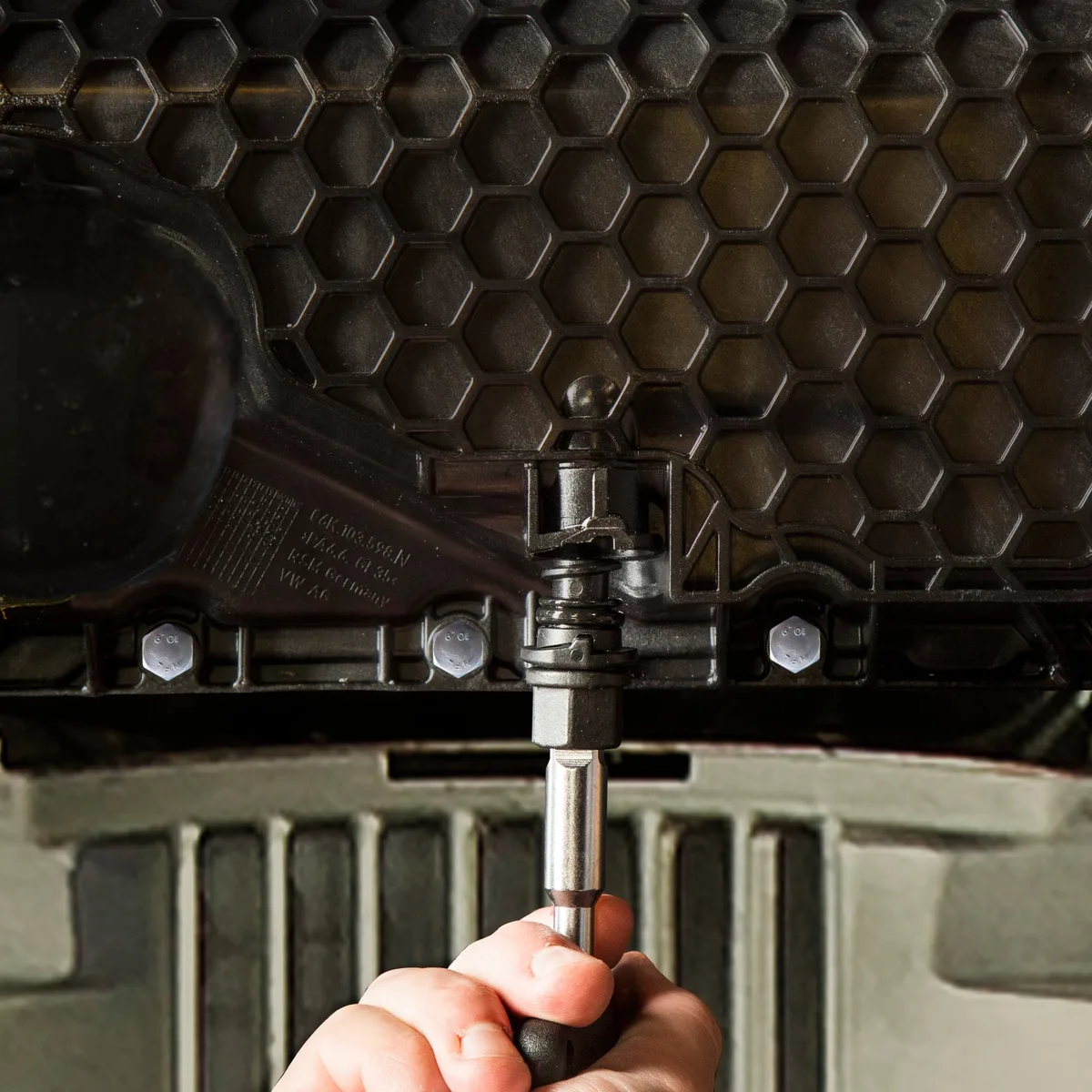
Tools and Parts You Will Need
| Item | Specification | Notes |
|---|---|---|
| Oil | 4.4 quarts 0W-20 full synthetic | API SP or SN, ILSAC GF-6 or GF-5 |
| Oil filter | Toyota 04152-YZZA1 or equivalent | Wix 57055, Mobil 1 M1-110, Fram PH10575 |
| Crush washer | 14mm, copper or aluminum | Replace every change |
| Drain plug socket | 14mm | Use a 6-point socket |
| Torque wrench | 30 N-m (22 ft-lbs) | For drain plug |
| Oil filter wrench | Cap-style or strap | Toyota filters are 65mm, 14-flute |
| Funnel | Standard size | For filling |
| Drain pan | 5-quart capacity minimum |
Draining and Filter Replacement
Warm up the engine. Run it for 3 to 5 minutes. Warm oil drains faster and carries more contaminants.
Get the car level. Use ramps or jack stands. Make sure it is stable.
Remove the drain plug. Position the drain pan underneath. The plug is on the passenger side of the oil pan. Turn it counterclockwise with the 14mm socket.
Let it drain. Give it 5 to 10 minutes.
Replace the crush washer. This is a one-time-use part. Torque the plug to 30 N-m. Do not overtighten.
Remove the oil filter. It is on the front of the engine. Turn it counterclockwise. Wipe the housing surface clean.
Pre-fill the new filter. Pour fresh oil until it is about half full. Rub a thin layer of oil on the rubber gasket.
Install the filter. Screw it on hand-tight. Give it another three-quarter turn. Do not use a wrench.
Filling and Checking the Level
Lower the car onto level ground.
Pour in 4 quarts of oil through the filler cap. Use a funnel.
Check the dipstick. Pull it out, wipe it clean, reinsert it, then pull it again. The level should be near the top mark.
Add the remaining 0.4 quarts slowly. Check again.
Start the engine and let it run for 30 seconds. The oil pressure light should turn off.
Check for leaks around the drain plug and filter.
Resetting the Maintenance Light
Turn the ignition to ON without starting the engine. Make sure the odometer is on trip A. Turn the ignition OFF.
Hold the trip reset button. Turn the ignition back to ON while holding the button. Keep holding until the light blinks and turns off.
Release the button.
How Often Should You Change It?
Toyota says 10,000 miles for normal driving. But few people drive under normal conditions all the time.
Normal Driving – 10,000 Miles
Highway cruising at moderate speeds with consistent temperatures. The engine stays at operating temperature. Synthetic oil holds up well.
Severe Driving – 5,000 Miles
Most Corolla owners fall into this category. The manual defines severe as:
- Short trips under 5 miles in cold weather
- Stop-and-go city traffic
- Frequent idling
- Driving on dusty roads
- Extreme hot or cold temperatures
What Counts as Severe in a Corolla
Short trips do not let the engine fully warm up. Fuel that seeps past the rings during cold starts stays in the oil. Oil analysis at 5,000 miles under city driving shows significant fuel dilution.
At 7,500 miles, the viscosity often drops below the 20-weight rating.
Change at 5,000 miles for city driving. Change at 7,500 for mixed driving. Change at 10,000 only for highway driving.
The Oil Brands That Actually Work
Toyota Genuine Motor Oil
This is the safest bet. It is manufactured by ExxonMobil to Toyota's specifications. It carries API SP and ILSAC GF-6 certification.
You cannot go wrong with it.
Trusted Aftermarket Options
- Mobil 1 Advanced Fuel Economy 0W-20. Meets API SP and ILSAC GF-6.
- Pennzoil Platinum 0W-20. Made from natural gas base stock. Meets all required certifications.
- Valvoline Advanced Full Synthetic 0W-20. Meets API SP with Dexos1 Gen 2 approval.
- Castrol Edge 0W-20. Meets API SP and ILSAC GF-6.
Any of these will protect your engine as well as the Toyota branded oil. Check for the certification mark on the bottle.
What to Skip
Avoid store brands without the API Starburst or ILSAC certification. Avoid European formula oils. Avoid any oil labeled conventional or synthetic blend unless it states 0W-20 with proper certifications.
Mistakes That Could Damage Your Engine
Wrong Viscosity and What Happens
5W-30 is the most common mistake. It means slower oil flow during cold starts and reduced fuel economy. The variable valve timing system relies on precise oil pressure.
0W-16 is too thin for the M20A-FKS. It shears down quickly, leading to bearing wear.
Overlooking the Oil Filter
Every oil change needs a new filter. The correct filter has a bypass valve pressure of 8 to 11 PSI. Cheap filters may have different settings.
Ignoring the Drain Plug Torque Spec
The oil pan is aluminum. It strips easily. Torque the drain plug to 30 N-m.
Going past that risks stripping the threads. A stripped oil pan costs several hundred dollars to replace.
Use a torque wrench. If you do not have one, tighten the plug until it seats, then give it a gentle one-eighth turn.
When to Let a Shop Do It
If you do not have a safe place to work on level ground, use a shop. If you cannot reach the drain plug without jacking up the car and do not have proper jack stands, do not risk it.
A professional oil change costs $60 to $90 at a dealership. An independent shop charges $40 to $60. The oil and filter cost about $30 to $35.
You save maybe $20 to $30 doing it yourself.
If your Corolla is still under the 5-year powertrain warranty, keep receipts for oil and filters. A shop provides a clear paper trail for warranty claims.
The Bottom Line
Your 2020 Toyota Corolla SE needs SAE 0W-20 full synthetic oil with API SP or SN certification. The M20A-FKS engine was designed around that viscosity. Deviating from it costs you fuel economy, engine life, or both.
Change it every 5,000 miles for city driving. Stretch to 7,500 for mixed driving. Hit 10,000 only for highway driving.
Use a quality filter and a new crush washer every time. Torque the drain plug to 30 N-m. Reset the maintenance light when you are done.
For the simplest path, buy Toyota Genuine Motor Oil 0W-20 and a Toyota filter. It costs a few dollars more. It eliminates the guesswork.
Frequently Asked Questions
Can I use 5W-30 in my 2020 Corolla SE?
Toyota allows 5W-30 only as a temporary substitute. Switch back to 0W-20 at the next oil change. Running 5W-30 long term reduces fuel economy by 1 to 2 MPG.
How much oil does a 2020 Corolla SE take?
The engine holds 4.4 quarts with a filter change. Buy a 5-quart jug. You will have about 0.6 quarts left over.
Use the dipstick to confirm the final level.
What happens if I use conventional oil instead of synthetic?
Conventional oil breaks down faster due to the high compression ratio and direct injection. You will need shorter change intervals around 3,000 to 4,000 miles.
Do I need to reset the oil light after a change?
Yes. The maintenance light stays on until you reset it manually. If you skip this step, the reminder system does not track the new interval.
Can I switch between different brands of 0W-20?
Yes. As long as the oil carries the API Starburst and meets ILSAC GF-5 or GF-6 standards, it is safe to switch brands.
Is the oil filter the same for all 2020 Corolla trims?
The SE, LE, and XSE all use the same engine and the same oil filter. The OEM part number is 04152-YZZA1. Aftermarket equivalents include the Wix 57055, Mobil 1 M1-110, and Fram PH10575.