
If you own a 2020 Toyota Corolla, the question of what oil to put in it is not something you want to guess at. The right oil keeps your engine running smoothly, protects your warranty, and saves you from expensive repairs down the road. Put the wrong stuff in, and you could be looking at sludge buildup, reduced fuel economy, or even internal damage.
Manufacturer specifications from Toyota call for a specific grade of synthetic oil. The recommended viscosity is SAE 0W-20, and it must meet API SN or SP certification standards. As of 2026, that remains the gold standard for this generation of Corolla engines.
Let's walk through exactly what you need, why it matters, and how to get it right every time.
Quick Answer
The 2020 Toyota Corolla takes SAE 0W-20 full synthetic motor oil. It must meet API SN or SP certification. The total capacity is 4.4 quarts with filter change.
Any major brand that meets the spec works fine. Check your oil filler cap for confirmation.
The Short Answer: What Oil Does a 2020 Corolla Take?
The 2020 Toyota Corolla takes SAE 0W-20 full synthetic engine oil that meets API SN or SP certification. The total capacity is 4.4 quarts (4.2 liters) when you also change the oil filter.
You can use Toyota Genuine Motor Oil if you want the factory fill. But you don't have to. Any major brand that carries the correct viscosity and API certification will do the job.
Mobil 1, Castrol EDGE, Pennzoil Platinum, Valvoline Advanced Synthetic, they all work as long as the bottle says 0W-20 and shows the API donut certification mark.
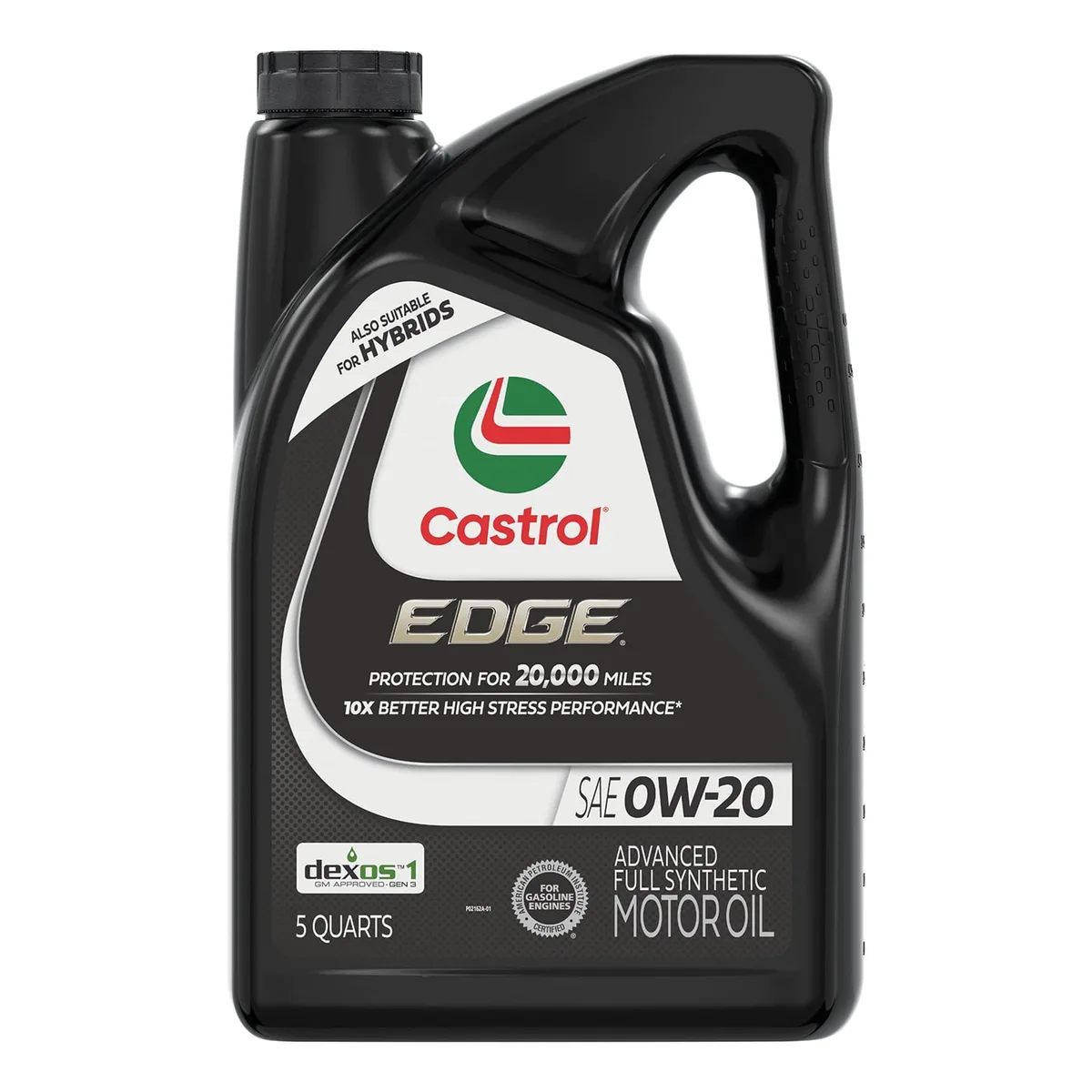
Image source: Web (Bing) / walmart.com (Web image (fair-use with source credit))
Toyota specifically recommends full synthetic, not a synthetic blend or conventional oil. The 0W-20 grade is thin enough that conventional oil does not hold up at those viscosities. Stick with full synthetic.
Why Getting This Right Actually Matters
The 2020 Corolla uses a 2.0-liter four-cylinder engine (the M20A-FKS) designed around the properties of 0W-20 oil. That oil is thin when cold so it flows instantly at startup, and it thickens enough at operating temperature to protect bearings and moving parts. Use a heavier oil like 5W-30, and you risk slower oil flow on cold starts, reduced fuel economy, and potential sludge formation.
Use conventional oil instead of synthetic, and the risks are even bigger. Conventional oil breaks down faster at high temperatures. It does not flow as well in cold weather.
And it can leave varnish deposits inside the engine over time.
Toyota's warranty also requires the correct oil type. If you have an engine problem and the dealer finds the wrong oil in the crankcase, they can deny your claim. That is a tough lesson when you are facing a $5,000 repair bill.
0W-20 vs. Everything Else: What Those Numbers Really Mean
The first number (0W) tells you how the oil behaves in cold temperatures. The "W" stands for winter. A 0W oil flows easily at temperatures well below zero.
That is critical for a modern engine that needs oil to reach the top end instantly on a cold morning.
The second number (20) tells you the oil's thickness at normal operating temperature. A 20-grade oil is relatively thin even when hot. The Corolla's engine has tight bearing clearances.
Thinner oil gets into all the tiny gaps and provides proper lubrication without creating drag.
| Viscosity | Cold Flow | Hot Protection | Fuel Economy | Recommended? |
|---|---|---|---|---|
| 0W-20 | Excellent | Adequate | Best | Yes |
| 5W-20 | Very good | Adequate | Very good | Only if 0W-20 unavailable |
| 5W-30 | Good | Better | Worse | No |
| 10W-30 | Fair | Better | Worse | No |
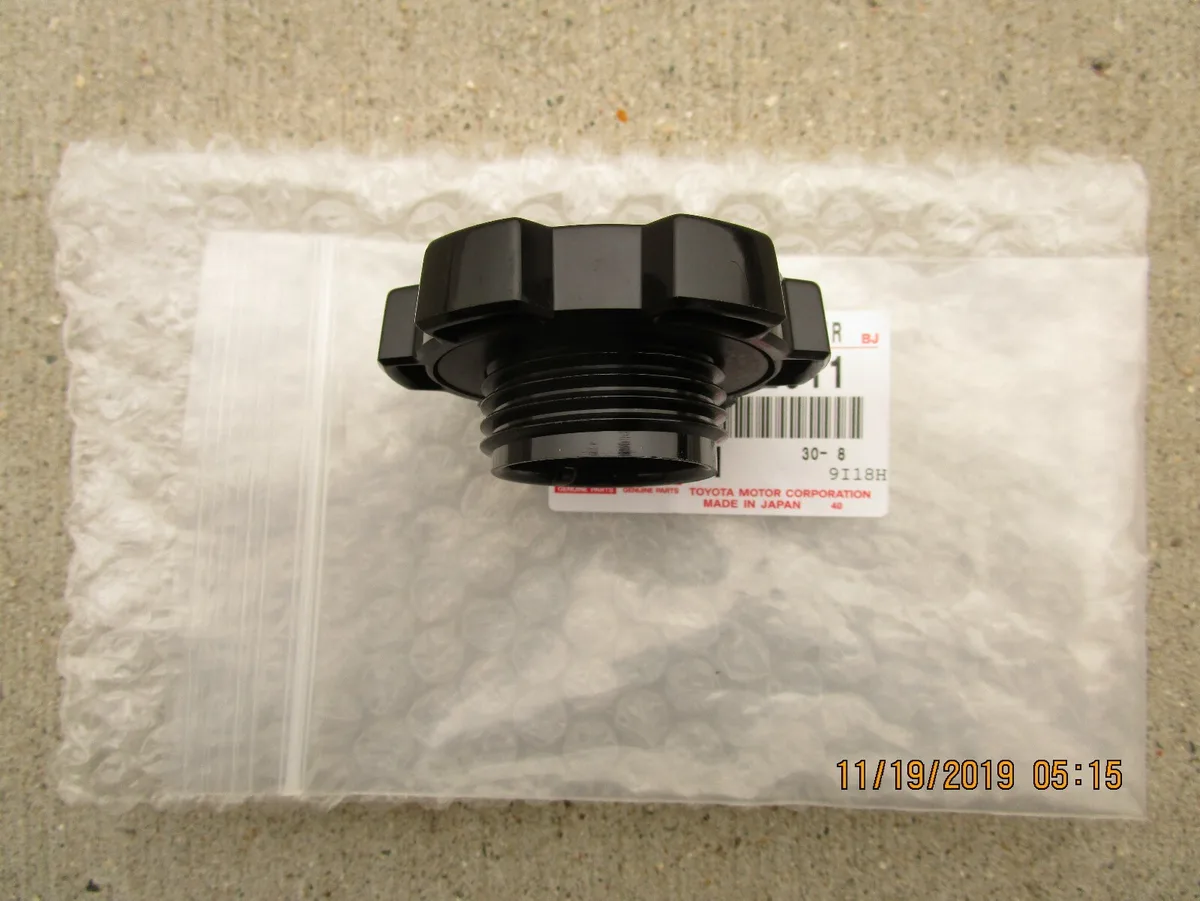
Image source: Bing (Web (fair-use with source credit))
The safest way to confirm? Pop your hood and look at the oil filler cap. Toyota prints the recommended viscosity right on top.
If it says 0W-20, that is what goes in.
Synthetic vs. Conventional: Can You Use Cheap Oil?
Short answer: no. The 2020 Corolla requires full synthetic oil. Toyota states this explicitly in the owner's manual.
Here is why conventional oil does not cut it:
- Thermal breakdown. Synthetic oil resists breaking down at high temperatures. The Corolla's engine runs hot enough to degrade conventional oil much faster.
- Cold flow. At 0 degrees Fahrenheit, conventional 0W-20 is thicker than synthetic 0W-20. That extra thickness means slower protection on startup.
- Sludge resistance. Synthetic oil has a more uniform molecular structure. It resists forming sludge and varnish. Conventional oil breaks down into deposits over time.
- Change intervals. With synthetic, you can safely go 7,500 to 10,000 miles between changes. Conventional oil needs changing every 3,000 to 5,000 miles.
The cost difference between a five-quart jug of conventional and a jug of synthetic is often less than $15. That is cheap insurance for an engine that costs thousands to replace.
The Official Spec: API, ILSAC, and Toyota's Own Stamps
API (American Petroleum Institute) Certification is the big one. Look for the API donut symbol on the back of the bottle. For the 2020 Corolla, you want at least API SN.
API SP is the newer standard and is backward compatible.
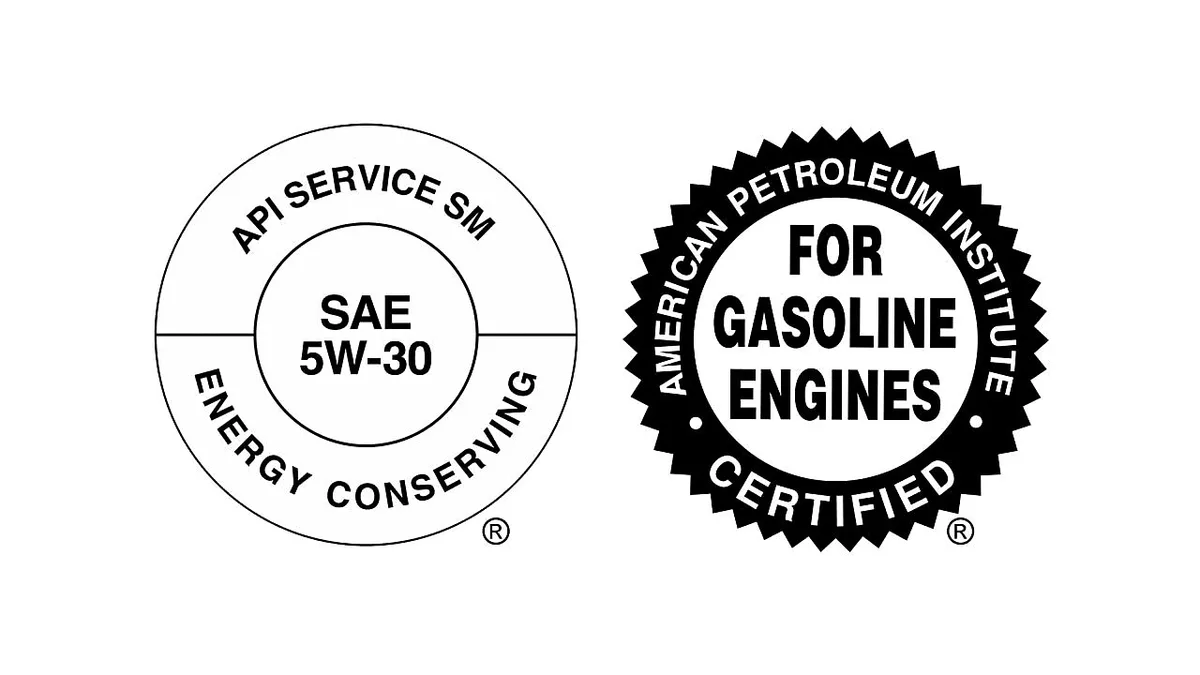
Image source: Bing (Web (fair-use with source credit))
ILSAC (International Lubricant Standardization and Approval Committee) appears as a starburst symbol on the bottle. For the 2020 Corolla, look for ILSAC GF-5 or GF-6.
Toyota Genuine Motor Oil is made to Toyota's exact specifications. It is a solid choice. But you are not losing anything by choosing Mobil 1 or Castrol as long as the certifications are there.
One last note: if you see an oil that claims to be "for Toyota" but does not carry an API or ILSAC mark on the bottle, be cautious. The certification marks are the proof.
How to Check Your Owner's Manual (and Your Oil Filler Cap)
You have two places to confirm the correct oil for your 2020 Corolla. The owner's manual is the definitive source. The oil filler cap under the hood is the quickest.
The owner's manual. Open it to the maintenance section. You will find a table listing recommended fluids. For engine oil, it specifies SAE 0W-20 with API SN or SP certification.
With filter replacement, the capacity is 4.4 quarts.
The oil filler cap. Pop the hood. Look at the black plastic cap on top of the engine that says "Engine Oil." The recommended viscosity is printed right on top.
If you bought the car used, the previous owner might have swapped the cap. Always double check that the cap matches the spec in your owner's manual.
Step-by-Step: How to Change the Oil Yourself
Changing the oil on a 2020 Corolla takes basic tools, about 30 minutes, and the right oil and filter.
What you will need:
| Item | Details |
|---|---|
| Oil | 5 quarts of 0W-20 full synthetic (you will use 4.4) |
| Oil filter | Toyota part number 04152-YZZA1 or equivalent aftermarket |
| Drain plug washer | New crush washer, 14mm, replace each time |
| Tools | 14mm socket or wrench, oil filter wrench, drain pan, funnel |
| Safety | Gloves, jack and jack stands |
Steps:
Warm the engine. Run it for a few minutes to warm the oil. Warm oil drains faster.
Jack up the front. Lift the front of the car and secure it on jack stands. Chock the rear wheels.
Locate the drain plug. It is on the bottom of the oil pan, facing the rear. Place your drain pan underneath.
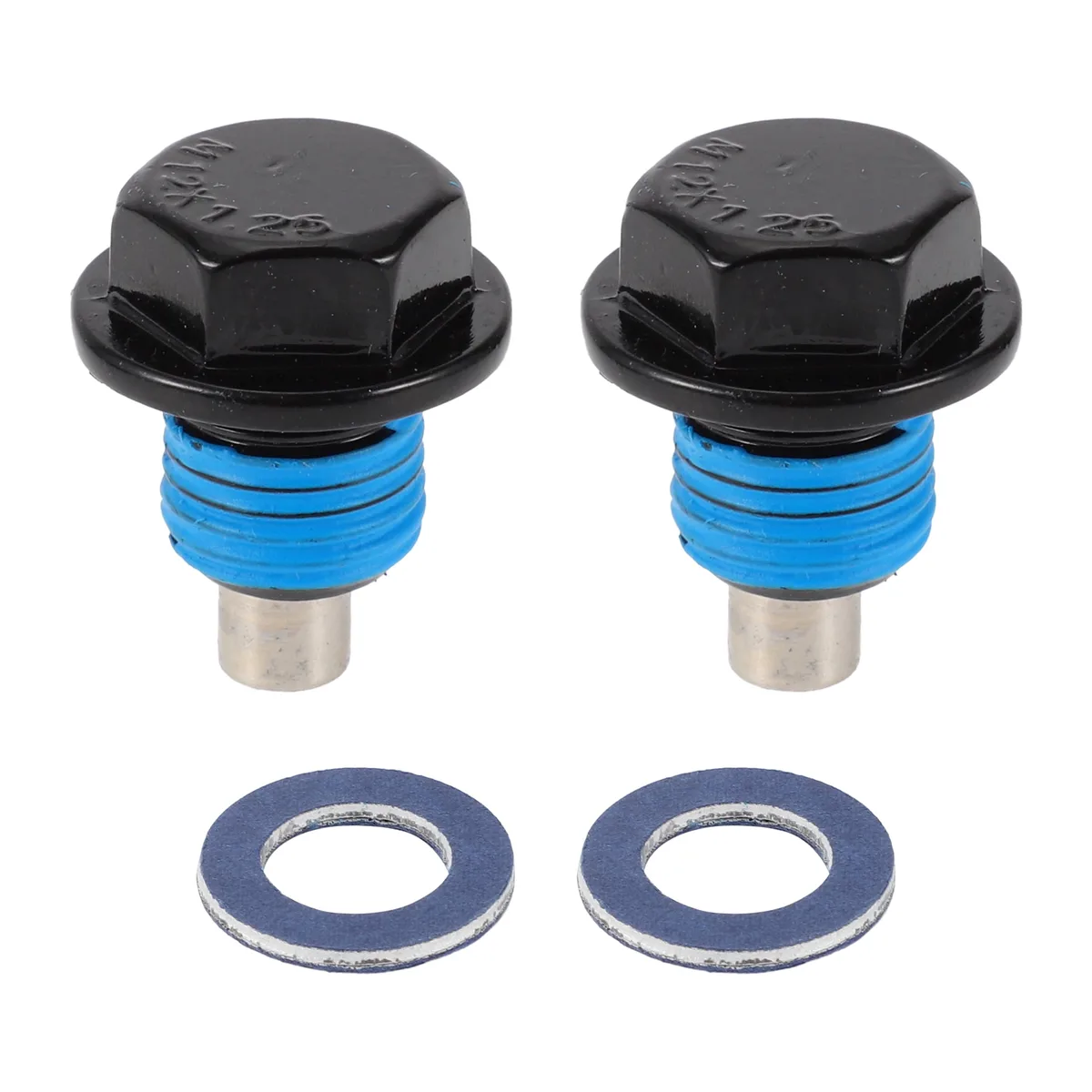
Image source: Web (Bing) / walmart.com (Web image (fair-use with source credit))
Remove the plug. Use your 14mm socket to loosen it. Let the oil drain completely.
Replace the crush washer. A new one ensures a proper seal. Torque the drain plug to 30 ft-lbs. Do not overtighten.
Remove the oil filter. It is on the front of the engine, accessible from underneath. Turn it counterclockwise.
Prep the new filter. Rub a thin layer of fresh oil on the new filter's rubber gasket. Screw it on hand tight, then give it another three-quarter turn.
Add the new oil. Pour in about 4.2 quarts. Check the dipstick. Add more if needed.
Check the level. Run the engine for 30 seconds. Shut it off. Wait a minute. Check the dipstick. It should be between the low and full marks.
Reset the maintenance light. Turn the ignition to ON without starting. Press the trip odometer button until the light stops flashing.
Common Mistakes People Make (And How to Avoid Them)
Using the wrong viscosity. Check the cap. Check the bottle. Make sure they match.
Overtightening the drain plug. The torque spec is 30 ft-lbs. If you crank it down too hard, you can strip the threads in the oil pan. Use a torque wrench if you have one.
Skipping the crush washer. The crush washer is a one-use part. Reusing an old one is a common cause of slow oil leaks. A pack of ten costs a few dollars.
Forgetting to check the old filter gasket. Sometimes the old filter's rubber gasket sticks to the engine block. If you install the new filter on top of two gaskets, it will leak. Run your finger around the mounting surface to make sure it is clean.
Adding too much oil. The Corolla takes 4.4 quarts. If you dump a full 5-quart jug in without checking, you will be overfilled. Too much oil causes foaming and reduces lubrication.
High Mileage? Hot Climate? Extreme Cold? When the Rules Change
High mileage engines. If your Corolla has over 75,000 miles, you can switch to a high mileage formulation of 0W-20. These oils have conditioning additives that help seal older engine gaskets and reduce oil consumption.
Hot climates. Toyota does not recommend switching to 5W-30 for the 2020 Corolla. The engine is designed for 0W-20, and modern synthetics handle high temperatures well within that grade's limits.
Extreme cold. This is where 0W-20 shines. The "0W" rating means it flows at temperatures well below minus 30 degrees Fahrenheit. Do not switch to a heavier oil.
It will just take longer to reach the parts that need it.
Frequent short trips. If most of your drives are under 10 minutes, that is a severe service condition. Stick with 0W-20 but reduce your interval to 5,000 miles instead of 10,000.
How Often Should You Change It?
Toyota's official recommendation for the 2020 Corolla under normal driving conditions is an oil change every 10,000 miles or 12 months, whichever comes first.
Normal conditions include mostly highway driving, moderate temperatures, and trips longer than 10 minutes where the engine fully warms up.
Severe conditions require cutting that interval in half. Toyota defines severe service as frequent short trips under 10 miles, extended idling, driving on dusty roads, towing, or operating in extreme cold or heat.
If you fall into any of those categories, change the oil every 5,000 miles or 6 months.
The oil life monitor. The Corolla has a built-in oil life monitoring system. You can trust it for normal driving. For severe conditions, ignore the monitor and follow the shorter interval.
The Cost Breakdown: What You'll Pay
A DIY oil change on a 2020 Corolla costs between $30 and $50.
| Item | Cost Range |
|---|---|
| 5 quarts 0W-20 full synthetic | $25 to $35 |
| Oil filter | $5 to $12 |
| Crush washer (pack of 10) | $3 to $5 |
| Total per change | $30 to $50 |
A dealership oil change runs $80 to $120. A quick lube shop charges $60 to $90. You save $30 to $70 each time you do it yourself.
Your Final Checklist: What to Buy
- 5 quarts of SAE 0W-20 full synthetic oil with API SN or SP certification
- One oil filter (Toyota part 04152-YZZA1 or equivalent)
- One new 14mm crush washer
- 14mm socket or combination wrench
- Oil filter wrench
- Drain pan
- Funnel
- Floor jack and two jack stands
- Disposable gloves and shop rags
Frequently Asked Questions
Can I use 5W-30 in my 2020 Corolla if 0W-20 is not available?
Toyota recommends against it for the 2020 Corolla. The engine is designed for 0W-20. Using 5W-30 reduces fuel economy and increases wear on cold starts.
If you cannot find 0W-20, use 5W-20 as a temporary substitute and change it back at your next service.
How many quarts of oil does a 2020 Corolla take?
The 2020 Corolla takes 4.4 quarts (4.2 liters) with a filter change. A standard 5-quart jug gives you enough with a little left over.
Is Toyota Genuine Motor Oil better than other brands?
Not better, just different. Toyota Genuine Motor Oil meets the exact specifications for the engine. So does any major brand of 0W-20 full synthetic with API SN or SP certification.
Do I really need to change the crush washer every time?
Yes. The crush washer deforms when you tighten the drain plug, creating a seal. Reusing it increases the chance of a slow leak.
Can I switch to high mileage oil at 60,000 miles?
You can, but it is not necessary until around 75,000 to 100,000 miles. High mileage oils contain seal conditioners that help reduce leaks in older engines.