
Getting the wrong oil in your 2021 Toyota Camry can cost you thousands down the road. The exact 2021 Toyota Camry oil type matters more than most owners realize. Toyota designed the Camry's Dynamic Force engines around a specific viscosity and additive package.
Use anything else and you risk knocking years off the engine's life.
Manufacturer specifications call for 0W-20 full synthetic oil that meets API SP and ILSAC GF-6A standards. These aren't marketing suggestions. They're engineering requirements baked into the engine's design.
Straying from them affects everything from cold-start protection to fuel economy ratings. Let's walk through exactly what your Camry needs and why.
Why Getting the Right Oil Matters for Your 2021 Camry
Your Camry's 2.5L four-cylinder and 3.5L V6 aren't your grandfather's engines. They use variable valve timing on both intake and exhaust cams, high compression ratios, and tight oil passages. These features demand low-viscosity synthetic oil to circulate fast on cold starts and maintain stable oil pressure.
Using the wrong oil doesn't just hurt performance. It can void your warranty. Toyota's warranty terms explicitly require the correct oil specification, as outlined on our terms page.
Beyond warranty concerns, there's the fuel economy factor. The EPA tests these cars with 0W-20 oil, and that viscosity directly contributes to the Camry's class-leading MPG numbers. Thicker oil increases drag inside the engine, costing you at the pump.
The One-Sentence Answer: 0W-20 Full Synthetic, API SP
Your 2021 Camry needs 0W-20 full synthetic oil. It must carry the API SP certification. It should also meet ILSAC GF-6A.
That's the complete recipe.
The "0W" means the oil stays fluid at very low temperatures. The "20" measures its thickness at operating temperature. Full synthetic offers better thermal stability and oxidation resistance compared to conventional oil.
API SP is the current standard for gasoline engine oils. It was introduced in 2020 to address low-speed pre-ignition (LSPI), timing chain wear, and sludge control. ILSAC GF-6A adds fuel economy tests on top of API SP.
You can check the API SP certification on the official site. While we stand by this answer, our disclaimer explains the limits of general guidance.
What Makes the 2.5L and 3.5L Engines Different (Oil-Wise)
Both the 2.5L four-cylinder and the 3.5L V6 in the 2021 Camry call for the exact same oil: 0W-20 full synthetic with API SP. The difference comes in capacity and a few service details.
The 2.5L holds 4.4 quarts with a filter change. The 3.5L holds 5.7 quarts. The oil filter design is the same cartridge style on both engines, though the part number differs.
You'll find the filter housing on the front of the engine, easy to access.
| Engine | Oil Capacity (with filter) | Oil Filter Part Number |
|---|---|---|
| 2.5L I4 | 4.4 quarts | 04152-YZZA1 |
| 3.5L V6 | 5.7 quarts | 04152-38020 |
If you drive a V6 and want to double-check your specific requirements, feel free to contact us.
The Real Risk: What Happens When You Use the Wrong Oil
Engine damage is the biggest risk. Thicker oil like 5W-30 slows down the variable valve timing actuators. This leads to poor throttle response and reduced fuel economy.
Over time, the added drag wears bearings and increases operating temperatures.
Conventional oil in place of synthetics accelerates sludge buildup. The Camry's long oil change intervals (up to 10,000 miles) compound this problem. Sludge clogs oil passages and starves critical components.
Low-speed pre-ignition (LSPI) is a particular concern for the 2.5L engine. Using oil without API SP certification increases the risk of LSPI, which can punch a hole through a piston. That's a new-engine-of-car-level repair bill.
Warranty claims are another consequence. Toyota can deny coverage if you can't prove you used the correct oil. The official requirements are clear on this.
We also cover the limits of this guidance in more depth.
Viscosity, Certifications, and Viscosity Index Improvers: What Actually Matters
Viscosity index (VI) measures how much an oil's thickness changes with temperature. A high VI means the oil stays stable across cold and hot conditions. 0W-20 has a naturally high VI because it's a synthetic base stock.
Viscosity index improvers are additives that help conventional oils maintain VI. But synthetics need fewer improvers, meaning they last longer without breaking down. That's why Toyota recommends full synthetic for the Camry.
Certifications matter even more than the viscosity number. API SP covers protection against LSPI, timing chain wear, and sludge. ILSAC GF-6A adds fuel economy benchmarks.
A cheap 0W-20 oil that's only API SN won't protect your engine the same way.
Always look for the API donut and ILSAC starburst on the bottle. If it's missing either, don't use it.
Step-by-Step: How to Check, Change, and Top Off Oil the Right Way
Checking your oil is something every Camry owner should do at least once a month. Park on level ground and wait a few minutes after turning off the engine. Pull the dipstick, wipe it clean, reinsert it fully, then pull it again.
The oil level should sit between the two marks. If it's below the lower mark, add a quarter quart at a time. Wait a minute between pours for the oil to settle, then recheck.
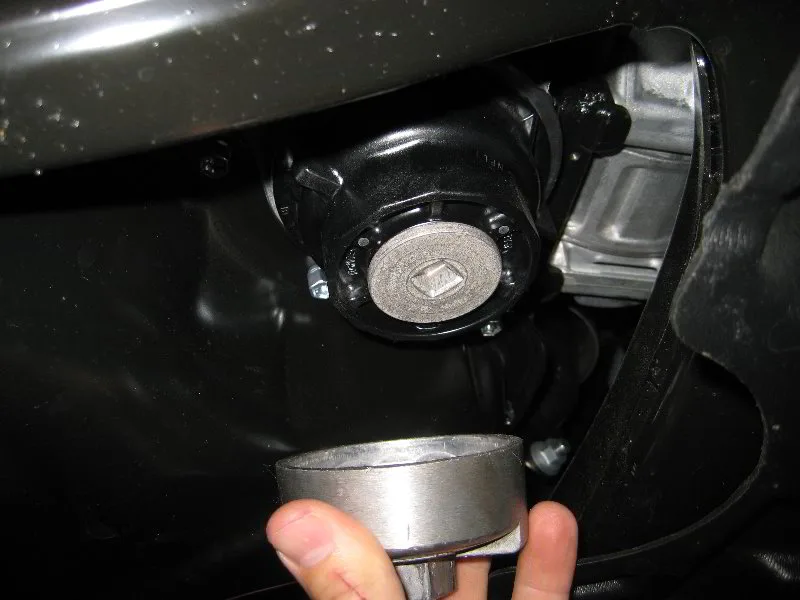
For a full oil change, the process is straightforward but requires care. Warm the engine for a minute or two so the oil flows easily. Then drain the old oil into a pan.
Replace the oil filter with a new one and tighten the housing to 18 N·m (13 ft-lb).
Use a torque wrench for the drain plug. The spec is 30 N·m (22 ft-lb). Over-tightening strips the threads.
Fill with the correct amount of oil: 4.4 quarts for the 2.5L, 5.7 quarts for the 3.5L. Check the dipstick after filling and adjust as needed.
Reset the oil maintenance light using the steering wheel buttons. The specific sequence is in the owner's manual. Dispose of the old oil at a local recycling center or auto parts store.
Common Mistakes That Cost Camry Owners Money and Engine Life
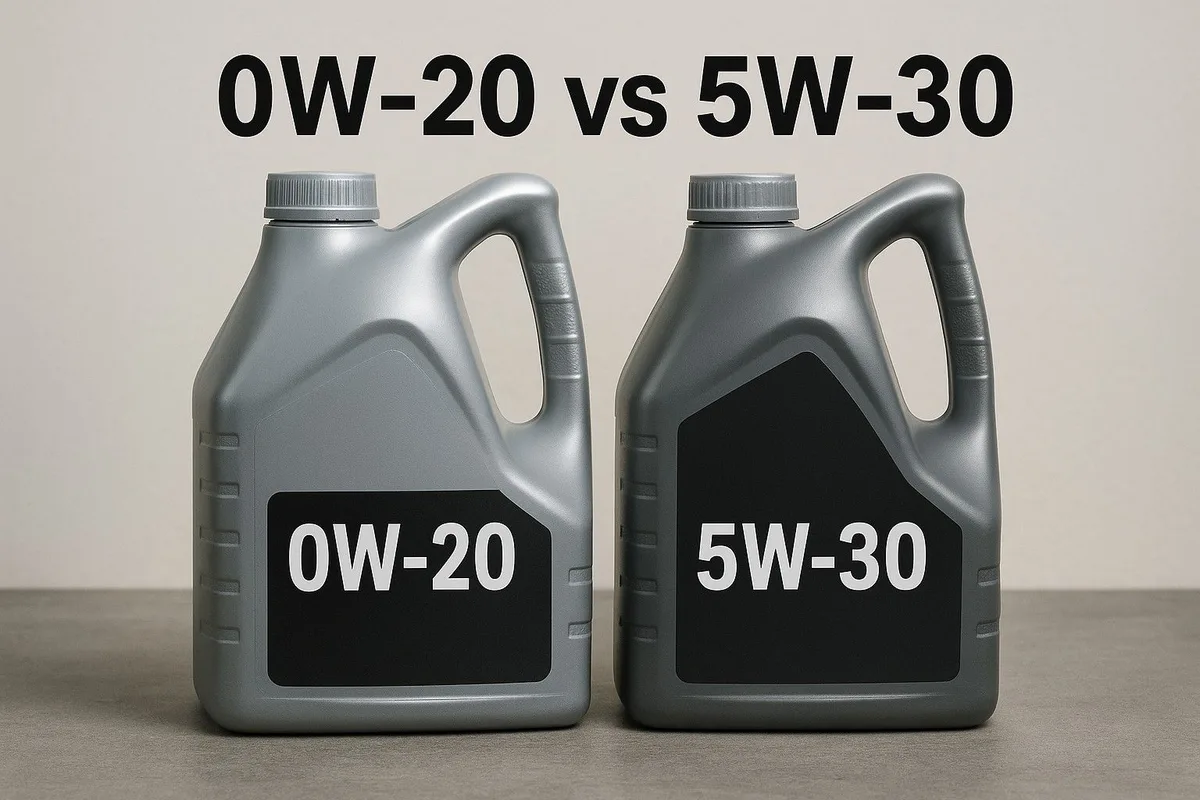
The most common mistake is using 5W-30 or 10W-30 thinking thicker oil offers better protection. This is wrong. The Camry's engine is designed for 0W-20.
Thicker oil increases wear on cold starts and can trigger the check engine light.
Another frequent error is using conventional oil instead of full synthetic. Conventional oil breaks down faster in the Camry's high-compression engine. It leaves sludge deposits that clog the variable valve timing solenoids.
Skipping the API SP certification is another trap. Some budget oils only meet API SN or older standards. They lack the additives to prevent low-speed pre-ignition.
That can cost you an engine.
Overfilling the oil is also bad. Too much oil creates foam that starves bearings. Underfilling is worse, since it leads to oil starvation during hard acceleration.
Always check the dipstick after filling.
A final mistake is reusing the old drain plug gasket. It compresses and can leak. Replace it with every oil change.
The part is cheap, the repair for a leak isn't.
What About High Mileage, Hybrid, or AWD Variants?
High mileage Camrys (over 75,000 miles) might benefit from a high mileage oil blend, but it's not necessary. Toyota's recommended 0W-20 full synthetic works perfectly for high mileage engines. The key is sticking with the correct viscosity.
Hybrid variants use the same 0W-20 oil as the standard models. The Atkinson-cycle 2.5L in the hybrid engine has similar oil requirements. There is no special hybrid-specific oil.
Don't let anyone sell you one.
AWD models also call for the same 0W-20 specification. The AWD system doesn't affect oil requirements. The only difference is the oil capacity remains the same as the FWD version.
If you live in an extremely hot climate, some owners ask about switching to 5W-30. Toyota does not recommend this for the 2021 Camry in any climate. The oil cooler and engine management are calibrated for 0W-20.
How Often Should You Change the Oil? (Severe vs. Normal Service)
Toyota's official interval is 10,000 miles under normal driving conditions. But many of us fall under severe service. Severe service includes frequent short trips, stop-and-go traffic, extreme temperatures, towing, or dusty roads.
If you check your driving habits and any of those apply, change the oil at 5,000 miles. The 2021 Camry's oil life monitor can help. It tracks driving conditions and alerts you when the oil needs changing.
| Service Type | Oil Change Interval | Filter Change Interval |
|---|---|---|
| Normal | 10,000 miles | Every oil change |
| Severe | 5,000 miles | Every oil change |
We recommend sticking with the severe schedule for most owners. It's easier to remember a 5,000-mile interval. Oil changes are cheaper than engine repairs.
Plus, the engine runs cleaner over the long term.
The oil life monitor is your best guide. It counts down from 100% based on actual driving conditions. Don't reset it without actually changing the oil.
That defeats the whole system.
Where to Buy the Right Oil and Filter (Without Getting Scammed)
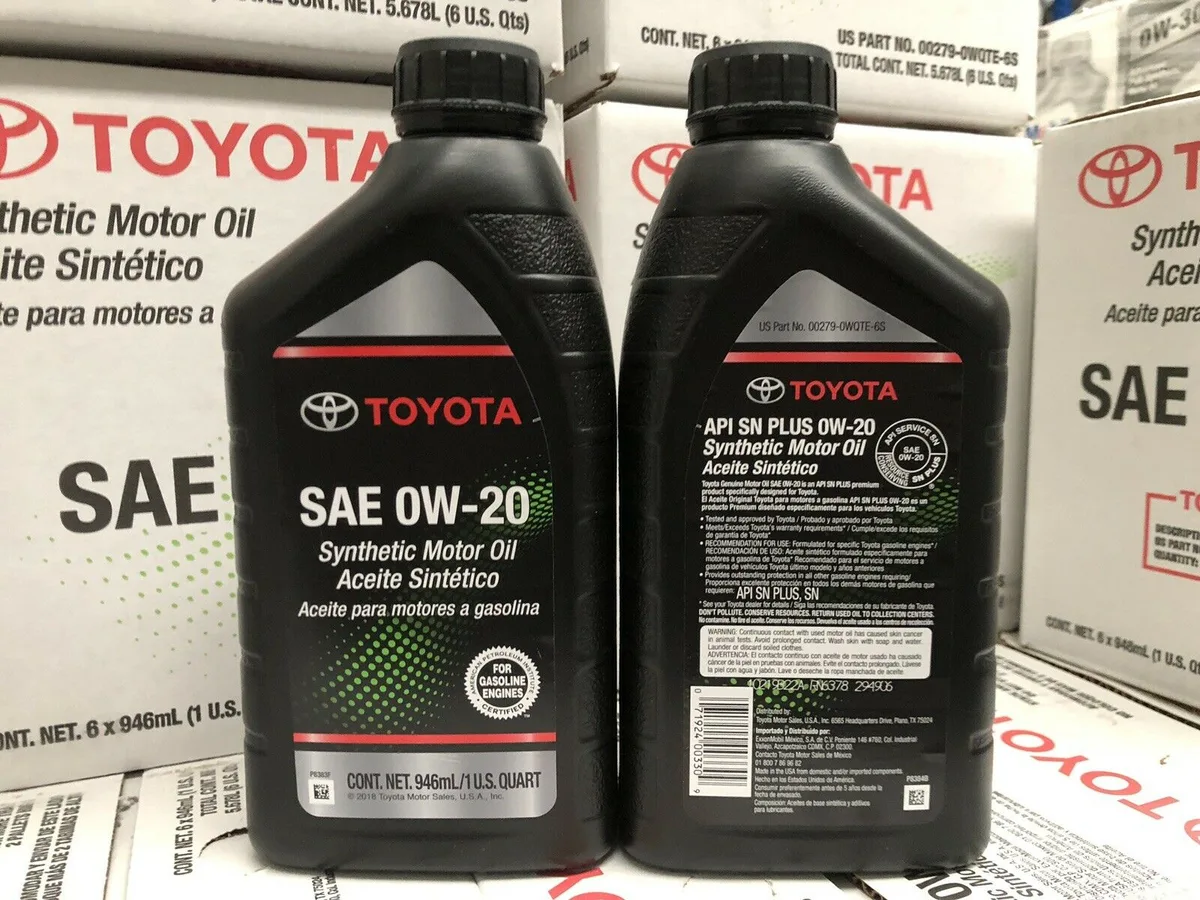
Buy from established retailers. Toyota dealerships sell genuine Toyota 0W-20 oil and filters. That's the safest choice.
Major auto parts stores stock name brands like Mobil 1, Pennzoil, and Valvoline that meet API SP.
Avoid no-name brands sold on marketplaces like random Amazon third-party sellers. Counterfeit oil is a real problem. Fakes often lack the proper additives or even have the wrong viscosity entirely.
Stick with a 5-quart jug of 0W-20 from a brand you recognize. Price typically runs between $25 and $40 per jug. The filter costs around $6 to $15.
That's a complete oil change for under $60.
If you order online, check that the seller is an authorized distributor. Look for Amazon's official storefront or the brand's own site. Read the reviews carefully.
Avoid listings with odd spelling or suspiciously low prices.
For the filter, Toyota's OEM part is 04152-YZZA1 for the 2.5L or 04152-38020 for the 3.5L. WIX, Purolator, and Fram make good aftermarket alternatives. Just make sure they meet Toyota's specifications.
When to See a Mechanic vs. Doing It Yourself
Changing oil on a 2021 Camry is one of the easiest DIY jobs. You need basic tools, a drain pan, and about 30 minutes. The oil filter is top-mounted on the 2.5L engine, which means you don't even need to crawl under the car for most of the work.
But some situations call for a professional. If you don't have a torque wrench for the drain plug, skip the DIY route. Over-tightening or under-tightening leads to leaks.
A stripped oil pan thread costs hundreds to repair.
If your Camry is still under warranty, consider having the dealer do the work. It keeps a record in Toyota's system. That makes warranty claims smoother if something goes wrong.
You can do it yourself and still keep the warranty, but you must save receipts and log the mileage.
For hybrid owners, the oil change is identical to the standard model. Don't let a shop upsell you on a "hybrid oil change package." There's no difference in procedure or oil type.
Quick Reference Specs: Capacities, Torque, and Part Numbers
Here's everything you need in one place. Save this table or take a screenshot before you head to the auto parts store.
| Spec | 2.5L I4 | 3.5L V6 |
|---|---|---|
| Oil capacity (with filter) | 4.4 quarts | 5.7 quarts |
| Oil viscosity | 0W-20 | 0W-20 |
| Oil certification | API SP / ILSAC GF-6A | API SP / ILSAC GF-6A |
| Oil filter part number | 04152-YZZA1 | 04152-38020 |
| Drain plug torque | 30 N·m (22 ft-lb) | 30 N·m (22 ft-lb) |
| Oil filter cap torque | 18 N·m (13 ft-lb) | 18 N·m (13 ft-lb) |
| Oil change interval (normal) | 10,000 miles | 10,000 miles |
| Oil change interval (severe) | 5,000 miles | 5,000 miles |
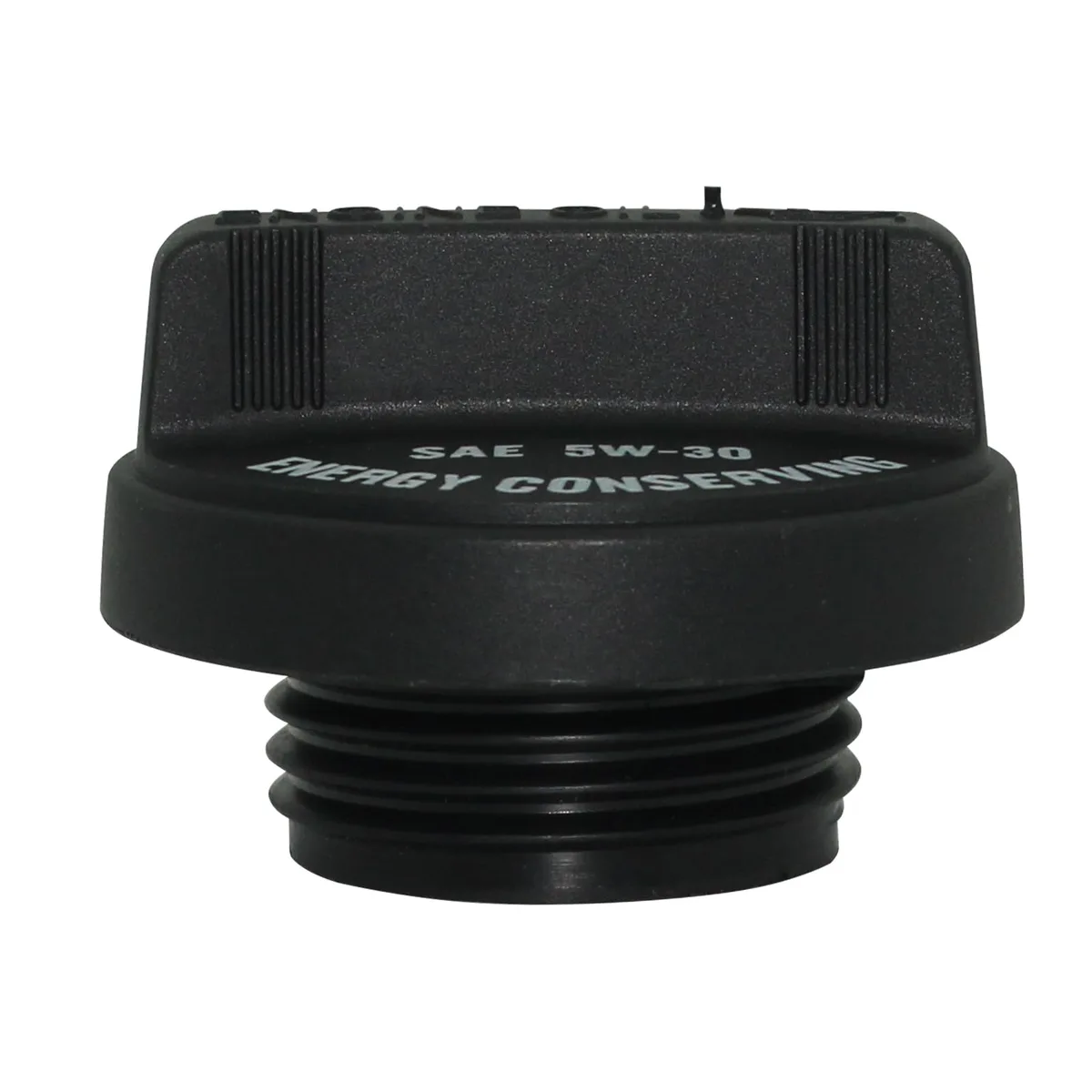
A few extra details worth remembering. The oil filler cap is marked 0W-20 on both engines. Don't ignore it.
The dipstick is yellow and sits near the front of the engine. Check it with the engine off and the car on level ground.
If you're topping off between changes, use the exact same oil you put in last time. Mixing brands is fine as long as the viscosity and certification match. Mixing viscosities is not fine.
FAQs – Quick Answers to What People Actually Ask
Can I use 5W-30 in my 2021 Camry?
No. Toyota specifically requires 0W-20 for the 2021 Camry. Using 5W-30 reduces fuel economy, slows variable valve timing response, and can increase engine wear on cold starts.
It may also void your warranty if Toyota discovers the wrong viscosity.
Does the Camry Hybrid need different oil?
No. The hybrid uses the same 0W-20 full synthetic oil with API SP certification. The engine is a variant of the 2.5L four-cylinder.
There is no special hybrid oil requirement. Ignore any shop that tries to sell you one.
How much does an oil change cost for a 2021 Camry?
DIY costs run $25 to $40 for a 5-quart jug of quality 0W-20 and $6 to $15 for a filter. Total under $60. A dealer oil change typically costs $70 to $100.
A quick-lube shop runs $50 to $80.
How do I reset the oil light after a change?
Turn the ignition on without starting the engine. Use the steering wheel controls to navigate to the settings menu. Select "Maintenance" then "Oil Maintenance." Press and hold "OK" until the percentage resets to 100%.
The exact steps are in the owner's manual.
What happens if I put conventional oil in my Camry?
Conventional oil breaks down faster in the Camry's high-compression engine. It creates sludge deposits that clog oil passages and solenoids. The variable valve timing system can fail.
Long-term use significantly reduces engine life and can void the warranty.
Can I switch to synthetic oil if the car had conventional?
Yes, and you should. The 2021 Camry came from the factory with synthetic oil. Switching to or from conventional is safe.
No special flush is needed. Just drain the old oil and fill with the correct 0W-20 synthetic.
Final Verdict: The Exact Oil to Use and Why
The 2021 Toyota Camry needs 0W-20 full synthetic oil that meets API SP and ILSAC GF-6A standards. Period. No substitutes, no exceptions.
This isn't a suggestion from the marketing team. It's an engineering requirement built into the engine's design.
Your 2.5L four-cylinder takes 4.4 quarts. Your 3.5L V6 takes 5.7 quarts. Both use the same oil specification.
Both need the same filter change interval. Both rely on the same certification for long-term protection.
Here's the bottom line. Buy a trusted brand of 0W-20 full synthetic with the API SP donut on the label. Change it every 5,000 miles if you drive in stop-and-go traffic or short trips.
Check the level monthly. Keep your receipts. Your Camry will reward you with hundreds of thousands of reliable miles.
As of 2026, these specifications haven't changed for the 2021 model year. Toyota continues to recommend the same oil for the eighth-generation Camry. Stick with what the engineers designed.
Your engine will thank you.