
If you've looked up "toyota highlander oil capacity" before, you probably noticed the numbers don't all say the same thing. Some sources say 4.6 quarts. Others say 5.7.
A few throw out 4.9. Here's the thing: they're all right. It just depends on which Highlander you're driving.
Toyota has sold the Highlander with three completely different engines over the past few years. The 3.5L V6, the 2.4L turbo four-cylinder, and the 2.5L hybrid powertrain each take a different amount of oil. And as of 2026, Toyota's moved toward the turbo engine on most new gas models, which makes the answer even less obvious.
Put the wrong amount in and you're either starving the engine or causing pressure problems that lead to leaks down the road. Let's sort out exactly which Highlander you have and get the right number.
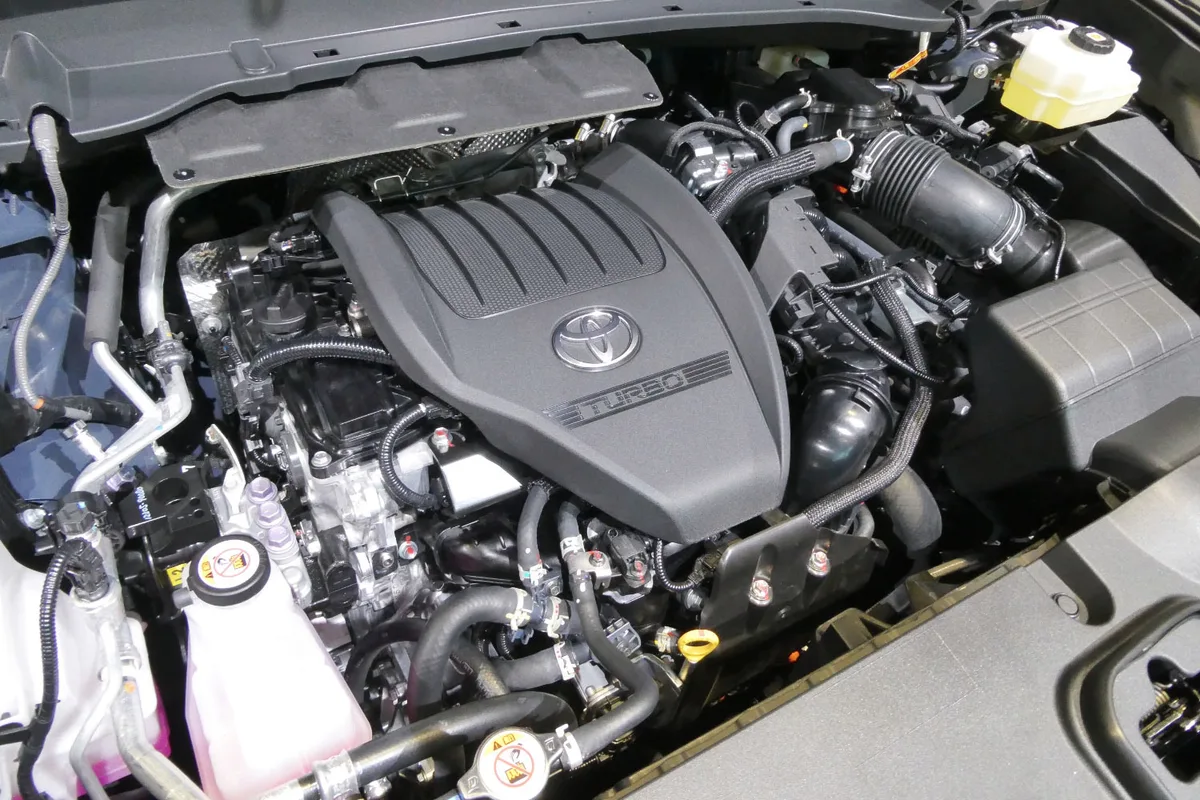
Image source: Web (Bing) / hitchesguide.com (Web image (fair-use with source credit))
Quick Answer
The Toyota Highlander oil capacity depends on the engine. The 3.5L V6 takes 5.7 quarts. The 2.4L turbo takes 4.9 quarts.
The 2.5L hybrid takes 4.6 quarts. All require full synthetic oil. Use 0W-20 for the V6 and hybrid.
Use 0W-16 for the 2.4L turbo.
First Thing: Know Which Highlander Engine You're Working With
Before you buy a single quart of oil, you need to identify your engine. This is where most DIYers make their first mistake. They assume every Highlander uses the same oil capacity because they share a nameplate.
That assumption gets expensive fast.
Here's how to figure out what's under your hood in about thirty seconds.
Check the Oil Fill Cap
Pop the hood. Look at the oil fill cap on top of the engine. Toyota prints the recommended oil viscosity right on the cap.
If it says 0W-16, you've got the 2.4L turbo. If it says 0W-20, you're looking at the V6 or hybrid. That single detail tells you which capacity chart to use.
Read the Owner's Manual
The manual lists the exact oil capacity with filter for every engine your vehicle was sold with. If you bought the car used and the glovebox is empty, Toyota makes PDFs available through their owner's portal for free. Just punch in your VIN.
Look Up Your VIN
Your 17-character VIN tells Toyota everything about your specific vehicle. The eighth character in particular identifies the engine. A quick VIN decode online or a call to any Toyota dealer's service department will confirm which powertrain you're working with.
Know the Generations
A quick shortcut: if your Highlander is a 2020 to 2023 gas model, you almost certainly have the 3.5L V6. The 2.4L turbo started appearing in 2023.5 and became standard on most gas trims by 2024. The hybrid has been using the 2.5L engine since the 2020 redesign.
This isn't perfect, but it narrows things down.
The Quick Answer: Oil Capacity by Engine Type
Here's where the rubber meets the road. These are the manufacturer specs straight from Toyota's service information. No rounding up, no estimation.
3.5L V6 (Gas-Only, Most 2023 and Older)
This is the engine that powered the vast majority of Highlanders from 2020 through early 2023. It's a proven, reliable 2GR-FKS or 2GR-FE engine depending on the exact year.
Capacity with filter: 5.7 US quarts (5.4 liters)
Oil type: 0W-20 full synthetic
If you're doing the change yourself, buy a full 5-quart jug and one additional quart. You'll use most of that second quart. Pour in the 5-quart jug first, then add about 0.7 quarts from the extra bottle.
Check the dipstick, then top off as needed. Most Highlander V6 engines land right at the full mark with 5.7 quarts.
2.4L Turbo (New for 2023+ Gas Models)
Toyota's T24A-FTS engine replaced the V6 in the latest Highlander generation. It's smaller, more fuel-efficient, and spools a turbocharger for power. But it has a different appetite for oil.
Capacity with filter: 4.9 US quarts (4.6 liters)
Oil type: 0W-16 full synthetic
This one catches people off guard. If you're used to the V6's 5.7 quarts and pour that much into a 2.4L turbo, you're overfilling by nearly a full quart. That causes foaming, aeration, and potential damage to the turbo's oil passages.
Buy a 5-quart jug and expect to leave about a tenth of it in the bottle.
2.5L Hybrid (All Model Years)
The Highlander Hybrid uses the A25A-FXS engine. It's an Atkinson-cycle four-cylinder designed for efficiency, not peak horsepower. It also holds less oil than its gas-only siblings.
Capacity with filter: 4.6 US quarts (4.4 liters)
Oil type: 0W-20 full synthetic
A single 5-quart jug covers the job with about half a quart left over. The hybrid's oil change interval runs 10,000 miles under normal conditions. Many owners prefer 5,000-mile intervals given the engine's start-stop nature, which is a reasonable call for severe service conditions.
Why Getting the Right Oil Type Matters Just as Much
Capacity gets all the attention, but viscosity mistakes cause more engine damage than getting the volume slightly wrong. Toyota engineers pick specific oil grades for specific engines. Ignoring that spec is a gamble.
Viscosity Breakdown: 0W-20 vs. 0W-16
0W-20 has been Toyota's go-to oil for years. It flows well in cold weather and maintains protection at operating temperature. The 3.5L V6 and 2.5L hybrid both use it.
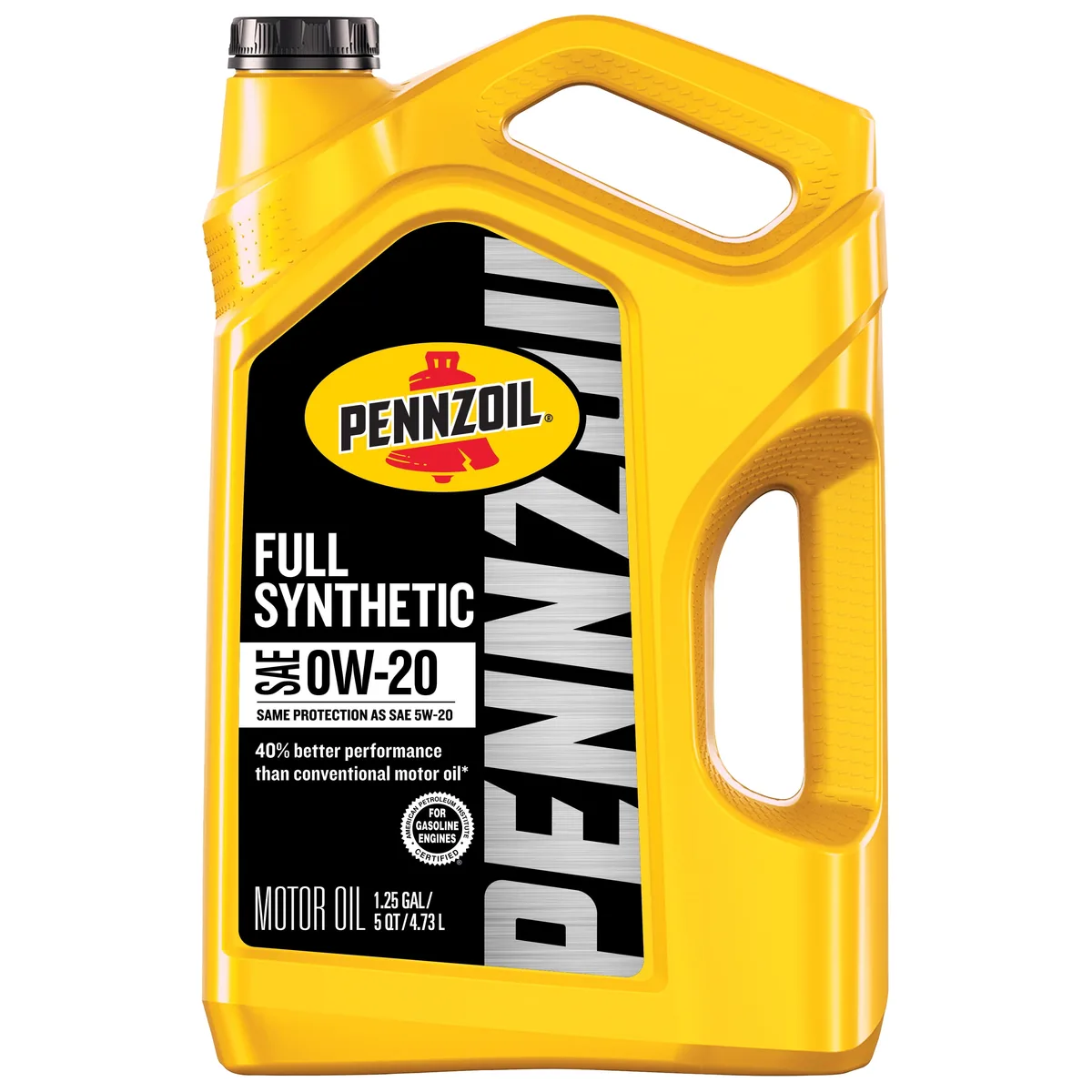
0W-16 is thinner. Toyota specified it for the 2.4L turbo to reduce internal friction and improve fuel economy. The engine's tighter bearing clearances are designed around this viscosity.
Using 0W-20 in a 0W-16 engine creates more drag, slightly worse fuel economy, and potentially slower oil flow to the turbo during cold starts.
You won't blow the engine up immediately. But over 100,000 miles, those small differences add up. Stick with what's printed on the oil fill cap.
API and ILSAC Ratings You Shouldn't Ignore
Look for the API Starburst symbol and the latest ILSAC rating on the bottle. As of 2026, that means API SP and ILSAC GF-6A. These ratings certify that the oil meets current fuel economy, sludge protection, and timing chain wear standards.
Older oils like API SN don't provide the same level of protection for modern engines, especially turbocharged ones. The turbo engine runs hotter and puts more stress on the oil. Cutting corners with a cheaper, outdated formulation risks coking the turbo bearings.
That's a repair that runs well over a thousand dollars. A few extra dollars per quart is cheap insurance. For more on Toyota engine oil types across the lineup, our complete guide covers the full family.
Step-by-Step: How to Check Your Highlander Before You Buy Oil
You've identified your engine and know the spec. Now let's confirm everything before you hand over your credit card.
Method 1: Check the Oil Fill Cap
We mentioned this earlier, but it's worth repeating. Pop the hood and look. The cap won't lie.
If it says 0W-16, you're buying 4.9 quarts. If it says 0W-20, you need to dig deeper into whether you have the V6 or hybrid.
Method 2: Read Your Owner's Manual
The manual's specifications section lists capacities for all fluids in your exact vehicle. Look for the "Lubrication System" subsection. It will say something like "5.7 qt (5.4 L, 4.9 Imp. qt.)" for the V6.
This is the authoritative source. Nothing on the internet overrides what Toyota printed for your specific VIN.
Method 3: Look Up Your VIN
If the manual is missing and you're not near the vehicle, use Toyota's VIN lookup tool. It takes about thirty seconds. The system returns your vehicle's exact build spec, including engine type and recommended fluids.
This is especially helpful if you're shopping for a used Highlander online and want to know what you're getting into before you make an offer.
Method 4: Ask the Dealer
Call the parts department at any Toyota dealer. Give them the last eight digits of your VIN. They can tell you the exact oil capacity, recommended viscosity, and even which oil filter part number your car uses.
This costs nothing and takes two minutes. It's the oldest trick in the book for getting accurate info without wading through forum arguments.
The Exact Oil Change Process (No Guessing)
Once you've confirmed your engine and bought the right oil and filter, the actual job is straightforward. But there are a few Toyota-specific details that trip people up.
Tools and Parts You'll Need
Let's gather everything before you get under the car.
- Oil: correct amount for your engine (see above)
- Oil filter: Toyota part number 04152-YZZA1 for V6, 04152-YZZA5 for turbo and hybrid, or equivalent quality aftermarket
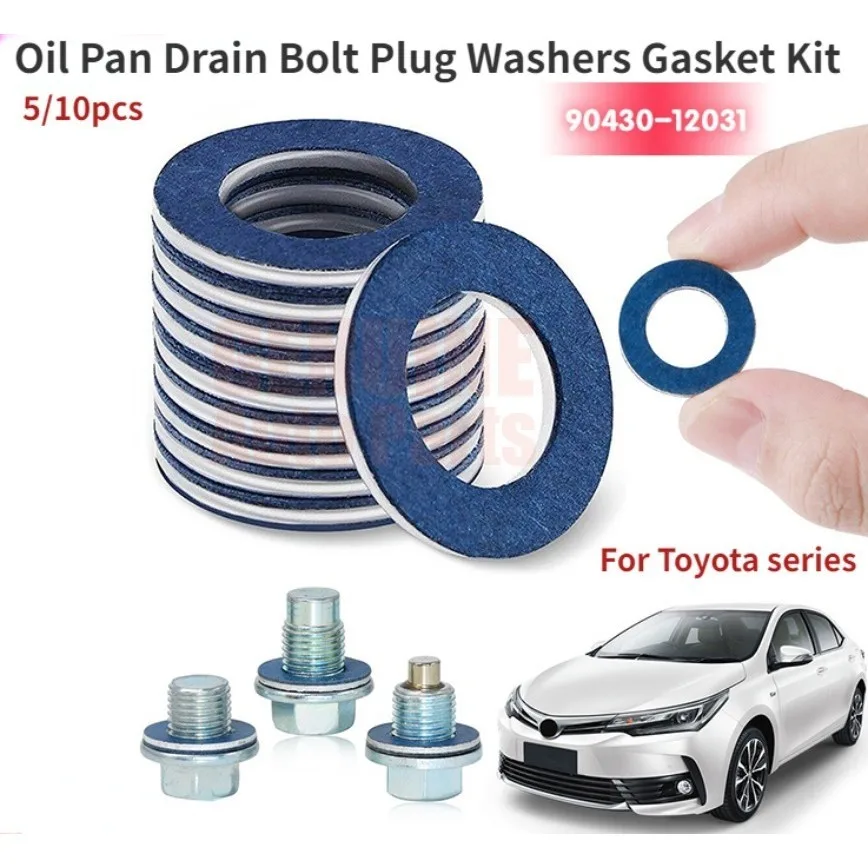
- Crush washer: 14mm for the drain plug, Toyota part number 90430-12031
- Socket set: 14mm socket for the drain plug, 24mm or 27mm cup-style socket for the oil filter housing (check your specific engine)
- Torque wrench: inch-pounds or foot-pounds, depending on what you're torquing
- Funnel: long neck preferred to hit the fill hole cleanly
- Drain pan: at least 8-quart capacity
- Jack and jack stands: or ramps, never work under a car supported only by a jack
- Shop towels: oil gets everywhere
Draining the Old Oil Safely
Warm oil drains faster and carries more suspended contaminants out with it. Run the engine for a minute or two to warm the oil. Then shut it off and give it five minutes to settle.
Hot oil burns badly, so let it cool just enough that you can touch the drain plug without flinching.
Get the car on level ground. Ramps work well for a Highlander since the ground clearance is decent. Jack stands are fine too, but make sure they're rated for the vehicle weight.
Never trust a hydraulic jack alone.
Position the drain pan under the oil pan. The drain plug points toward the passenger side on most Highlanders. Loosen it with a 14mm socket, then unscrew it by hand.
Keep pressure on the plug as you unscrew the last threads or it drops into the pan and splashes. That's a mess nobody enjoys.
Let the oil drain completely. This takes five to ten minutes. While it drains, inspect the old crush washer on the drain plug.
If it's flattened or deformed, that's why you're replacing it. A crushed washer is meant to seal only once.
Replacing the Oil Filter the Right Way
The oil filter housing location varies by engine. On the 3.5L V6, it's underneath on the passenger side near the front. The 2.4L turbo has a cartridge filter accessible from below as well.
The hybrid uses a similar cartridge setup.
You'll need a filter housing socket to remove the cap. Turn it counterclockwise. Some resistance is normal.
If it's really stuck, a filter housing wrench tool gives you better leverage than a regular socket.
Pull the old filter element out. Note which end faces up. The new element goes in the same orientation.
Lightly lubricate the new O-ring with fresh oil before installing it. This prevents the rubber from twisting or binding when you torque the housing back on.
Torque the filter housing cap to 25 Nm (18 ft-lbs) for most Highlander engines. Overtightening is worse than undertightening. It cracks the plastic housing, which means a new housing assembly and another oil change to replace it.
Filling and Checking the New Oil
Remove the oil fill cap. Insert your funnel. Pour in the bulk of your oil.
For the V6, that's the full 5-quart jug plus about 0.7 quarts from the second bottle. For the turbo, pour in 4.5 quarts first and check. For the hybrid, pour in 4 quarts first and check.
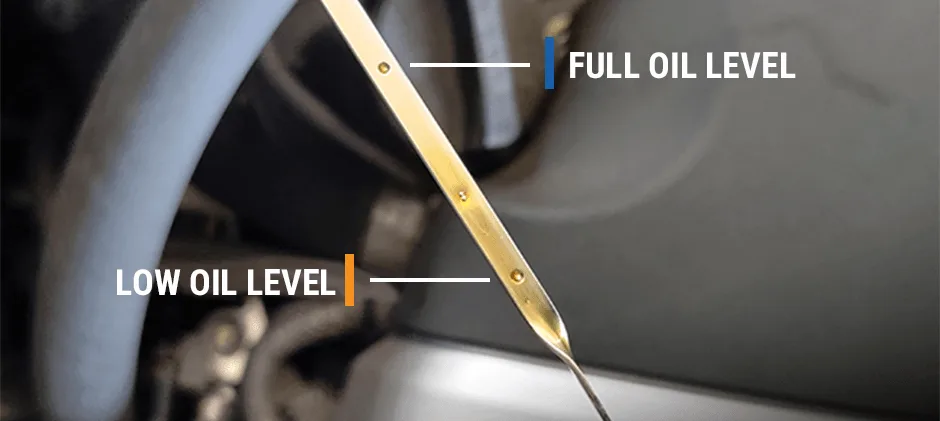
Wait a few minutes for the oil to drain into the pan. Then check the dipstick. Wipe it clean, insert it fully, pull it out, and read the level.
The oil should be between the low and full marks. Add small amounts until it reaches the full mark. Never overfill.
Overfilled oil gets churned by the crankshaft, aerates, and loses its ability to lubricate properly.
Replace the oil fill cap. Start the engine and let it idle for thirty seconds. The oil pressure light should turn off within a few seconds.
If it stays on, shut the engine down and check for leaks or a forgotten oil filter O-ring.
Shut the engine off. Wait five minutes. Check the dipstick one more time.
Top off if needed. Check under the car for any drips from the drain plug or filter housing.
Resetting the Maintenance Light
Toyota vehicles track oil life based on driving conditions, not just mileage. After an oil change, you need to reset the maintenance reminder. Here's how on most 2020 and newer Highlanders:
- Put the car in park with the ignition on but the engine off
- Navigate to the settings menu on the multi-information display
- Select "Vehicle Settings"
- Choose "Oil Maintenance"
- Select "Reset"
- Confirm the reset
The light should disappear. If it doesn't, the procedure varies slightly between model years. Your owner's manual shows the exact steps for your specific year.
Common Mistakes That Can Cost You an Engine
You've done the work. Now let's make sure you don't undo it with one small mistake.
Overfilling the Turbo or Hybrid
This is the number one mistake we see in research across owner forums and service records. Someone swaps from a V6 to a turbo Highlander and pours in 5.7 quarts out of habit. The 2.4L turbo engine holds 4.9 quarts.
The hybrid holds 4.6 quarts. That missing quart or more causes the crankshaft to whip the oil into foam. Foam doesn't lubricate.
It aerates, reducing oil pressure and starving bearings.
If you overfill, drain some out. A fluid extractor through the dipstick tube works well. Or loosen the drain plug slightly and let a little oil drip into your pan until the level drops.
Using the Wrong Viscosity
0W-16 engines will run on 0W-20 in a pinch. But it's not ideal. The thicker oil creates more drag, reduces fuel economy, and flows slower during cold starts.
For the turbo engine, that slower flow means less oil reaches the turbo bearings during the critical first few seconds after startup. Over time, that accelerates wear.
Similarly, putting 0W-16 in a V6 or hybrid that calls for 0W-20 is risky. The thinner oil may not maintain adequate film strength at high temperatures, especially under load or in hot climates.
Reusing the Crush Washer
The crush washer on the drain plug is a one-time-use part. Torquing the plug squishes it into the oil pan surface to create a seal. Once crushed, it won't seal again.
Reusing it causes slow drips. Over months, that drip turns into a puddle. Over years, it becomes a low oil condition that the driver never notices until the engine starts making noise.
A pack of ten crush washers costs about five dollars. Replace it every oil change. It's the cheapest insurance you'll ever buy.
Torquing the Drain Plug Incorrectly
The drain plug on most Highlander engines needs 29 ft-lbs of torque. That's not "really tight." That's "snug plus a quarter turn" for an experienced mechanic. If you don't have a torque wrench, err on the side of too loose rather than too tight.
A stripped oil pan thread means a new oil pan or a helicoil repair. Neither is fun.
If you feel resistance increase suddenly while tightening, stop. You may be cross-threading. Back the plug out and try again by hand before using tools.
Cross-Threading the Filter Housing
Plastic oil filter housings are common on modern Toyotas. They're lightweight and effective, but the threads strip easily. Always start the housing cap by hand.
Turn it counterclockwise until you feel the threads drop into place, then tighten by hand before using a socket. If it doesn't turn smoothly with your fingers, something is wrong. Don't force it.
Oil Change Frequency: Normal vs. Severe Service
Toyota recommends 10,000-mile oil change intervals for most Highlander engines under normal driving conditions. But here's what the manual won't tell you in bold letters: most driving counts as severe service.
Severe service includes:
- Short trips under five miles in cold weather
- Extended idling
- Frequent stop-and-go traffic
- Towing
- Dusty or sandy conditions
- Extreme temperatures
If any of these describes your daily commute, drop to 5,000-mile intervals. The oil doesn't cost that much more. An extra oil change every year or two adds up to maybe sixty dollars.
A new engine costs five figures.
The oil life monitor in your Highlander accounts for driving conditions, not just miles. If it tells you to change the oil at 7,500 miles, trust it. That means your driving pattern is harder on the oil than the average driver's.
When to Let a Pro Handle It
Oil changes are about as simple as car maintenance gets. But there are situations where the shop bay is worth the money.
- You don't have level ground: parking on a slope means the oil doesn't drain fully and the dipstick reading is wrong
- You can't get the filter housing loose: some filter housings seize on. A shop has better tools and leverage
- The drain plug is rounded off: a previous owner or shop overtightened it. A professional extraction tool saves you from drilling
- You're doing it in extreme cold: oil flows like honey at 20 degrees Fahrenheit. A warm shop bay makes the job faster and safer
- You're uncomfortable getting under the car: that's valid. A quick lube place charges forty to sixty dollars. Paying for peace of mind is smart
Quick Reference Table: All Highlander Oil Specs at a Glance
| Engine | Capacity (quarts) | Capacity (liters) | Oil Viscosity | Filter Part Number |
|---|---|---|---|---|
| 3.5L V6 | 5.7 | 5.4 | 0W-20 | 04152-YZZA1 |
| 2.4L Turbo | 4.9 | 4.6 | 0W-16 | 04152-YZZA5 |
| 2.5L Hybrid | 4.6 | 4.4 | 0W-20 | 04152-YZZA5 |
Bookmark this table. Print it. Tape it inside your glovebox.
It'll save you the headache of second-guessing yourself at the auto parts store.
Frequently Asked Questions
Can I use 5W-30 in my Highlander instead of 0W-20?
Not recommended. Toyota specifically engineered the V6 and hybrid engines for 0W-20 viscosity. Thicker oil like 5W-30 reduces fuel economy and may not flow quickly enough during cold starts, especially in northern climates.
The owner's manual does not list 5W-30 as an acceptable alternative for these engines.
How much oil does a 2023 Toyota Highlander take?
It depends on the engine. A 2023 Highlander with the 3.5L V6 takes 5.7 quarts of 0W-20. A 2023 Highlander with the 2.4L turbo takes 4.9 quarts of 0W-16.
The 2023 Highlander Hybrid takes 4.6 quarts of 0W-20. Check the oil fill cap or your VIN to confirm which engine you have.
What happens if I put too much oil in my Highlander?
Overfilling causes the crankshaft to whip the oil into foam. Foam aerates, reducing oil pressure and lubrication. In severe cases, overfilling can cause oil leaks past seals, catalytic converter damage from burning oil, or bearing failure.
If you overfill, drain the excess immediately before driving.
Does the Highlander Hybrid need special oil?
No. The Highlander Hybrid uses standard 0W-20 full synthetic oil just like the V6 gas model. There is no hybrid-specific additive requirement.
The key difference is capacity: the hybrid holds 4.6 quarts with filter, about a quart less than the V6.
How often should I change the oil in my Highlander?
Toyota recommends every 10,000 miles under normal driving conditions. If you drive in severe conditions like short trips, stop-and-go traffic, or dusty environments, change it every 5,000 miles. The oil life monitor in your dashboard accounts for your actual driving conditions and provides a reliable guide.
Can I switch from 0W-16 to 0W-20 in the turbo engine?
You can, but it's not ideal. The 2.4L turbo engine was designed around 0W-16 for fuel economy and cold-flow characteristics. Using 0W-20 increases drag, reduces fuel mileage slightly, and may slow oil delivery to the turbo during cold starts.
Stick with what the oil fill cap specifies for best performance and longevity.
If you're reading this, you're wading through conflicting numbers online and just want the straight answer. The Toyota Highlander has three different engines and each one takes a different amount of oil. Put the wrong amount in and you're either starving the engine or causing pressure problems.
Let's get this sorted.
Quick Answer
The Toyota Highlander oil capacity depends on the engine. The 3.5L V6 takes 5.7 quarts. The 2.4L turbo takes 4.9 quarts.
The 2.5L hybrid takes 4.6 quarts. All require full synthetic oil. Use 0W-20 for the V6 and hybrid.
Use 0W-16 for the 2.4L turbo.
First Thing: Know Which Highlander Engine You're Working With
Before you buy a single quart of oil, you need to identify your engine. This is where most DIYers make their first mistake. They assume every Highlander uses the same oil capacity because they share a nameplate.
That assumption gets expensive fast.
Here's how to figure out what's under your hood in about thirty seconds.
Check the Oil Fill Cap
Pop the hood. Look at the oil fill cap on top of the engine. Toyota prints the recommended oil viscosity right on the cap.
If it says 0W-16, you've got the 2.4L turbo. If it says 0W-20, you're looking at the V6 or hybrid. That single detail tells you which capacity chart to use.
Read the Owner's Manual
The manual lists the exact oil capacity with filter for every engine your vehicle was sold with. If you bought the car used and the glovebox is empty, Toyota makes PDFs available through their owner's portal for free. Just punch in your VIN.
Look Up Your VIN
Your 17-character VIN tells Toyota everything about your specific vehicle. The eighth character in particular identifies the engine. A quick VIN decode online or a call to any Toyota dealer's service department will confirm which powertrain you're working with.
Know the Generations
A quick shortcut: if your Highlander is a 2020 to 2023 gas model, you almost certainly have the 3.5L V6. The 2.4L turbo started appearing in 2023.5 and became standard on most gas trims by 2024. The hybrid has been using the 2.5L engine since the 2020 redesign.
This isn't perfect, but it narrows things down.
The Quick Answer: Oil Capacity by Engine Type
Here's where the rubber meets the road. These are the manufacturer specs straight from Toyota's service information. No rounding up, no estimation.
3.5L V6 (Gas-Only, Most 2023 and Older)
This is the engine that powered the vast majority of Highlanders from 2020 through early 2023. It's a proven, reliable 2GR-FKS or 2GR-FE engine depending on the exact year.
Capacity with filter: 5.7 US quarts (5.4 liters)
Oil type: 0W-20 full synthetic
If you're doing the change yourself, buy a full 5-quart jug and one additional quart. You'll use most of that second quart. Pour in the 5-quart jug first, then add about 0.7 quarts from the extra bottle.
Check the dipstick, then top off as needed. Most Highlander V6 engines land right at the full mark with 5.7 quarts.
2.4L Turbo (New for 2023+ Gas Models)
Toyota's T24A-FTS engine replaced the V6 in the latest Highlander generation. It's smaller, more fuel-efficient, and spools a turbocharger for power. But it has a different appetite for oil.
Capacity with filter: 4.9 US quarts (4.6 liters)
Oil type: 0W-16 full synthetic
This one catches people off guard. If you're used to the V6's 5.7 quarts and pour that much into a 2.4L turbo, you're overfilling by nearly a full quart. That causes foaming, aeration, and potential damage to the turbo's oil passages.
Buy a 5-quart jug and expect to leave about a tenth of it in the bottle.
2.5L Hybrid (All Model Years)
The Highlander Hybrid uses the A25A-FXS engine. It's an Atkinson-cycle four-cylinder designed for efficiency, not peak horsepower. It also holds less oil than its gas-only siblings.
Capacity with filter: 4.6 US quarts (4.4 liters)
Oil type: 0W-20 full synthetic
A single 5-quart jug covers the job with about half a quart left over. The hybrid's oil change interval runs 10,000 miles under normal conditions. Many owners prefer 5,000-mile intervals given the engine's start-stop nature, which is a reasonable call for severe service conditions.
Why Getting the Right Oil Type Matters Just as Much
Capacity gets all the attention, but viscosity mistakes cause more engine damage than getting the volume slightly wrong. Toyota engineers pick specific oil grades for specific engines. Ignoring that spec is a gamble.
Viscosity Breakdown: 0W-20 vs. 0W-16
0W-20 has been Toyota's go-to oil for years. It flows well in cold weather and maintains protection at operating temperature. The 3.5L V6 and 2.5L hybrid both use it.
0W-16 is thinner. Toyota specified it for the 2.4L turbo to reduce internal friction and improve fuel economy. The engine's tighter bearing clearances are designed around this viscosity.
Using 0W-20 in a 0W-16 engine creates more drag, slightly worse fuel economy, and potentially slower oil flow to the turbo during cold starts.
You won't blow the engine up immediately. But over 100,000 miles, those small differences add up. Stick with what's printed on the oil fill cap.
API and ILSAC Ratings You Shouldn't Ignore
Look for the API Starburst symbol and the latest ILSAC rating on the bottle. As of 2026, that means API SP and ILSAC GF-6A. These ratings certify that the oil meets current fuel economy, sludge protection, and timing chain wear standards.
Older oils like API SN don't provide the same level of protection for modern engines, especially turbocharged ones. The turbo engine runs hotter and puts more stress on the oil. Cutting corners with a cheaper, outdated formulation risks coking the turbo bearings.
That's a repair that runs well over a thousand dollars. A few extra dollars per quart is cheap insurance.
Step-by-Step: How to Check Your Highlander Before You Buy Oil
You've identified your engine and know the spec. Now let's confirm everything before you hand over your credit card.
Method 1: Check the Oil Fill Cap
We mentioned this earlier, but it's worth repeating. Pop the hood and look. The cap won't lie.
If it says 0W-16, you're buying 4.9 quarts. If it says 0W-20, you need to dig deeper into whether you have the V6 or hybrid.
Method 2: Read Your Owner's Manual
The manual's specifications section lists capacities for all fluids in your exact vehicle. Look for the "Lubrication System" subsection. It will say something like "5.7 qt (5.4 L, 4.9 Imp. qt.)" for the V6.
This is the authoritative source. Nothing on the internet overrides what Toyota printed for your specific VIN.
Method 3: Look Up Your VIN
If the manual is missing and you're not near the vehicle, use Toyota's VIN lookup tool. It takes about thirty seconds. The system returns your vehicle's exact build spec, including engine type and recommended fluids.
This is especially helpful if you're shopping for a used Highlander online and want to know what you're getting into before you make an offer.
Method 4: Ask the Dealer
Call the parts department at any Toyota dealer. Give them the last eight digits of your VIN. They can tell you the exact oil capacity, recommended viscosity, and even which oil filter part number your car uses.
This costs nothing and takes two minutes. It's the oldest trick in the book for getting accurate info without wading through forum arguments.
The Exact Oil Change Process (No Guessing)
Once you've confirmed your engine and bought the right oil and filter, the actual job is straightforward. But there are a few Toyota-specific details that trip people up.
Tools and Parts You'll Need
Let's gather everything before you get under the car.
- Oil: correct amount for your engine (see above)
- Oil filter: Toyota part number 04152-YZZA1 for V6, 04152-YZZA5 for turbo and hybrid, or equivalent quality aftermarket
- Crush washer: 14mm for the drain plug, Toyota part number 90430-12031
- Socket set: 14mm socket for the drain plug, 24mm or 27mm cup-style socket for the oil filter housing (check your specific engine)
- Torque wrench: inch-pounds or foot-pounds, depending on what you're torquing
- Funnel: long neck preferred to hit the fill hole cleanly
- Drain pan: at least 8-quart capacity
- Jack and jack stands: or ramps, never work under a car supported only by a jack
- Shop towels: oil gets everywhere
Draining the Old Oil Safely
Warm oil drains faster and carries more suspended contaminants out with it. Run the engine for a minute or two to warm the oil. Then shut it off and give it five minutes to settle.
Hot oil burns badly, so let it cool just enough that you can touch the drain plug without flinching.
Get the car on level ground. Ramps work well for a Highlander since the ground clearance is decent. Jack stands are fine too, but make sure they're rated for the vehicle weight.
Never trust a hydraulic jack alone.
Position the drain pan under the oil pan. The drain plug points toward the passenger side on most Highlanders. Loosen it with a 14mm socket, then unscrew it by hand.
Keep pressure on the plug as you unscrew the last threads or it drops into the pan and splashes. That's a mess nobody enjoys.
Let the oil drain completely. This takes five to ten minutes. While it drains, inspect the old crush washer on the drain plug.
If it's flattened or deformed, that's why you're replacing it. A crushed washer is meant to seal only once.
Replacing the Oil Filter the Right Way
The oil filter housing location varies by engine. On the 3.5L V6, it's underneath on the passenger side near the front. The 2.4L turbo has a cartridge filter accessible from below as well.
The hybrid uses a similar cartridge setup.
You'll need a filter housing socket to remove the cap. Turn it counterclockwise. Some resistance is normal.
If it's really stuck, a filter housing wrench tool gives you better leverage than a regular socket.
Pull the old filter element out. Note which end faces up. The new element goes in the same orientation.
Lightly lubricate the new O-ring with fresh oil before installing it. This prevents the rubber from twisting or binding when you torque the housing back on.
Torque the filter housing cap to 25 Nm (18 ft-lbs) for most Highlander engines. Overtightening is worse than undertightening. It cracks the plastic housing, which means a new housing assembly and another oil change to replace it.
Filling and Checking the New Oil
Remove the oil fill cap. Insert your funnel. Pour in the bulk of your oil.
For the V6, that's the full 5-quart jug plus about 0.7 quarts from the second bottle. For the turbo, pour in 4.5 quarts first and check. For the hybrid, pour in 4 quarts first and check.
Wait a few minutes for the oil to drain into the pan. Then check the dipstick. Wipe it clean, insert it fully, pull it out, and read the level.
The oil should be between the low and full marks. Add small amounts until it reaches the full mark. Never overfill.
Overfilled oil gets churned by the crankshaft, aerates, and loses its ability to lubricate properly.
Replace the oil fill cap. Start the engine and let it idle for thirty seconds. The oil pressure light should turn off within a few seconds.
If it stays on, shut the engine down and check for leaks or a forgotten oil filter O-ring.
Shut the engine off. Wait five minutes. Check the dipstick one more time.
Top off if needed. Check under the car for any drips from the drain plug or filter housing.
Resetting the Maintenance Light
Toyota vehicles track oil life based on driving conditions, not just mileage. After an oil change, you need to reset the maintenance reminder. Here's how on most 2020 and newer Highlanders:
- Put the car in park with the ignition on but the engine off
- Navigate to the settings menu on the multi-information display
- Select "Vehicle Settings"
- Choose "Oil Maintenance"
- Select "Reset"
- Confirm the reset
The light should disappear. If it doesn't, the procedure varies slightly between model years. Your owner's manual shows the exact steps for your specific year.
Common Mistakes That Can Cost You an Engine
You've done the work. Now let's make sure you don't undo it with one small mistake.
Overfilling the Turbo or Hybrid
This is the number one mistake we see in research across owner forums and service records. Someone swaps from a V6 to a turbo Highlander and pours in 5.7 quarts out of habit. The 2.4L turbo engine holds 4.9 quarts.
The hybrid holds 4.6 quarts. That missing quart or more causes the crankshaft to whip the oil into foam. Foam doesn't lubricate.
It aerates, reducing oil pressure and starving bearings.
If you overfill, drain some out. A fluid extractor through the dipstick tube works well. Or loosen the drain plug slightly and let a little oil drip into your pan until the level drops.
Using the Wrong Viscosity
0W-16 engines will run on 0W-20 in a pinch. But it's not ideal. The thicker oil creates more drag, reduces fuel economy, and flows slower during cold starts.
For the turbo engine, that slower flow means less oil reaches the turbo bearings during the critical first few seconds after startup. Over time, that accelerates wear.
Similarly, putting 0W-16 in a V6 or hybrid that calls for 0W-20 is risky. The thinner oil may not maintain adequate film strength at high temperatures, especially under load or in hot climates.
Reusing the Crush Washer
The crush washer on the drain plug is a one-time-use part. Torquing the plug squishes it into the oil pan surface to create a seal. Once crushed, it won't seal again.
Reusing it causes slow drips. Over months, that drip turns into a puddle. Over years, it becomes a low oil condition that the driver never notices until the engine starts making noise.
A pack of ten crush washers costs about five dollars. Replace it every oil change. It's the cheapest insurance you'll ever buy.
Torquing the Drain Plug Incorrectly
The drain plug on most Highlander engines needs 29 ft-lbs of torque. That's not "really tight." That's "snug plus a quarter turn" for an experienced mechanic. If you don't have a torque wrench, err on the side of too loose rather than too tight.
A stripped oil pan thread means a new oil pan or a helicoil repair. Neither is fun.
If you feel resistance increase suddenly while tightening, stop. You may be cross-threading. Back the plug out and try again by hand before using tools.
Cross-Threading the Filter Housing
Plastic oil filter housings are common on modern Toyotas. They're lightweight and effective, but the threads strip easily. Always start the housing cap by hand.
Turn it counterclockwise until you feel the threads drop into place, then tighten by hand before using a socket. If it doesn't turn smoothly with your fingers, something is wrong. Don't force it.
Oil Change Frequency: Normal vs. Severe Service
Toyota recommends 10,000-mile oil change intervals for most Highlander engines under normal driving conditions. But here's what the manual won't tell you in bold letters: most driving counts as severe service.
Severe service includes:
- Short trips under five miles in cold weather
- Extended idling
- Frequent stop-and-go traffic
- Towing
- Dusty or sandy conditions
- Extreme temperatures
If any of these describes your daily commute, drop to 5,000-mile intervals. The oil doesn't cost that much more. An extra oil change every year or two adds up to maybe sixty dollars.
A new engine costs five figures.
The oil life monitor in your Highlander accounts for driving conditions, not just miles. If it tells you to change the oil at 7,500 miles, trust it. That means your driving pattern is harder on the oil than the average driver's.
When to Let a Pro Handle It
Oil changes are about as simple as car maintenance gets. But there are situations where the shop bay is worth the money.
- You don't have level ground: parking on a slope means the oil doesn't drain fully and the dipstick reading is wrong
- You can't get the filter housing loose: some filter housings seize on. A shop has better tools and leverage
- The drain plug is rounded off: a previous owner or shop overtightened it. A professional extraction tool saves you from drilling
- You're doing it in extreme cold: oil flows like honey at 20 degrees Fahrenheit. A warm shop bay makes the job faster and safer
- You're uncomfortable getting under the car: that's valid. A quick lube place charges forty to sixty dollars. Paying for peace of mind is smart
Quick Reference Table: All Highlander Oil Specs at a Glance
| Engine | Capacity (quarts) | Capacity (liters) | Oil Viscosity | Filter Part Number |
|---|---|---|---|---|
| 3.5L V6 | 5.7 | 5.4 | 0W-20 | 04152-YZZA1 |
| 2.4L Turbo | 4.9 | 4.6 | 0W-16 | 04152-YZZA5 |
| 2.5L Hybrid | 4.6 | 4.4 | 0W-20 | 04152-YZZA5 |
Bookmark this table. Print it. Tape it inside your glovebox.
It'll save you the headache of second-guessing yourself at the auto parts store.
Frequently Asked Questions
Can I use 5W-30 in my Highlander instead of 0W-20?
Not recommended. Toyota specifically engineered the V6 and hybrid engines for 0W-20 viscosity. Thicker oil like 5W-30 reduces fuel economy and may not flow quickly enough during cold starts, especially in northern climates.
The owner's manual does not list 5W-30 as an acceptable alternative for these engines.
How much oil does a 2023 Toyota Highlander take?
It depends on the engine. A 2023 Highlander with the 3.5L V6 takes 5.7 quarts of 0W-20. A 2023 Highlander with the 2.4L turbo takes 4.9 quarts of 0W-16.
The 2023 Highlander Hybrid takes 4.6 quarts of 0W-20. Check the oil fill cap or your VIN to confirm which engine you have.
What happens if I put too much oil in my Highlander?
Overfilling causes the crankshaft to whip the oil into foam. Foam aerates, reducing oil pressure and lubrication. In severe cases, overfilling can cause oil leaks past seals, catalytic converter damage from burning oil, or bearing failure.
If you overfill, drain the excess immediately before driving.
Does the Highlander Hybrid need special oil?
No. The Highlander Hybrid uses standard 0W-20 full synthetic oil just like the V6 gas model. There is no hybrid-specific additive requirement.
The key difference is capacity: the hybrid holds 4.6 quarts with filter, about a quart less than the V6.
How often should I change the oil in my Highlander?
Toyota recommends every 10,000 miles under normal driving conditions. If you drive in severe conditions like short trips, stop-and-go traffic, or dusty environments, change it every 5,000 miles. The oil life monitor in your dashboard accounts for your actual driving conditions and provides a reliable guide.
Can I switch from 0W-16 to 0W-20 in the turbo engine?
You can, but it's not ideal. The 2.4L turbo engine was designed around 0W-16 for fuel economy and cold-flow characteristics. Using 0W-20 increases drag, reduces fuel mileage slightly, and may slow oil delivery to the turbo during cold starts.
Stick with what the oil fill cap specifies for best performance and longevity.