
2006 toyota prius problems often start as small, easy-to-miss warning signs, but they can turn into $4,000+ repair bills fast if left unaddressed. These issues are almost exclusively age-related wear on the second-generation XW20 Prius with Toyota’s Hybrid Synergy Drive full hybrid powertrain, not widespread manufacturing defects. If you’re shopping for a used 2006 Prius, knowing what to screen for before you buy saves you thousands.
Current owners can avoid costly breakdowns by catching symptoms early.
Aggregate repair data from RepairPal puts average annual repair costs for this model at $550, 22% lower than the compact car average, but only when common faults are caught early. As of 2026, most 2006 Prius units are 18 to 19 years old, placing them squarely in the peak failure window for high-voltage hybrid components per J.D. Power 2006 Vehicle Dependability Study data.
Below, we’ll walk through exactly what to look for, no matter if you’re buying or already own one.
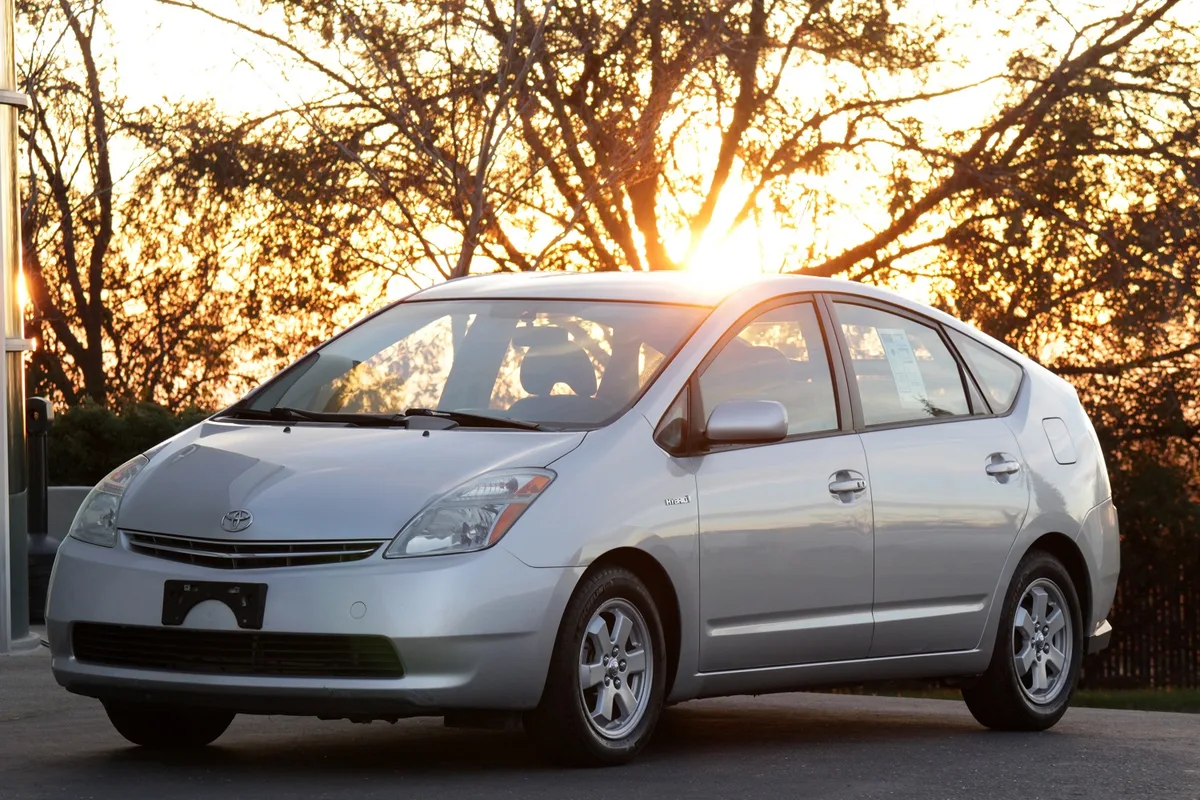
Image source: Bing (Web (fair-use with source credit))
Quick Key Insight: 2006 Prius Problems Are Almost Exclusively Age-Related, Not Widespread Manufacturing Defects
Most 2006 Prius problems stem from 18+ years of wear, not factory defects. The only widespread factory issue was a 2008 brake actuator recall NHTSA recall database. NiMH battery degradation is the most common costly failure, affecting 30% of units over 150k miles.
Inverter overheating and head gasket wear are the next most frequent major faults. Minor issues like pixelated dash displays and burnt headlight bulbs are common but cheap to fix.
Step 1: Identify Your User Path to Get Actionable, Relevant Advice
2006 Prius problems look very different depending on whether you’re shopping for a used unit or already dealing with a fault in your current ride. The advice you need changes completely based on your situation, so we’ve split this guide into two clear paths. Pick the one that matches your needs to get targeted, useful steps.
Path A: You’re Considering Buying a Used 2006 Prius
This path is for shoppers preparing to make an offer on a 2006 Prius. You’ll get a pre-purchase inspection checklist tuned to 2006-specific common faults. We’ll also cover red flag issues that mean you should walk away from a deal entirely.
You’ll find realistic post-purchase repair cost estimates for the most frequent problems. Finally, we’ll compare the 2006 Prius to 2006-era hybrid and non-hybrid alternatives to help you decide if it’s the right choice.
Path B: You Own a 2006 Prius and Are Dealing With Specific Issues
This path is for current 2006 Prius owners troubleshooting warning lights, performance drops, or unusual noises. You’ll get a symptom-based troubleshooting decision tree to pinpoint the root cause of your issue fast. We’ll walk through how to decide if a repair is worth the cost, or if it’s time to retire the vehicle.
You’ll also find step-by-step fixes for the most common owner-reported problems.
Pre-Purchase Inspection Checklist for 2006-Specific Common Faults
A pre-purchase inspection (PPI) for a 2006 Prius needs to focus on the model’s most common age-related failures, not generic used car checks. A standard PPI often misses hybrid-specific faults that cost thousands to fix later. Use this checklist to make sure your inspector covers every critical component.
Don’t forget to test all interior electronics, including the rear view camera and power windows, as faulty wiring is a common issue on older Toyotas common Toyota electrical gremlins. We’ve also included the tools you’ll need to verify faults yourself if you’re comfortable with basic checks.

Image source: Web (Bing) / wikiauto.ca (Web image (fair-use with source credit))
The OBD-II scanner shown above is the same tool technicians use to pull hidden hybrid system fault codes that generic code readers miss. Critical checks to add to any PPI include:
- Full OBD-II hybrid system scan to check for stored fault codes related to the high-voltage battery, inverter, and brake actuator
- Visual inspection of the 1NZ-FXE engine for oil leaks around the head gasket, and a coolant system pressure test to check for head gasket failure
- Test drive to confirm regenerative braking is working (the brake pedal should feel firm, and the battery state of charge should rise when you let off the accelerator)
- Check for warning lights on the dashboard, including the hybrid system warning, brake warning, and EPS (electric power steering) lights
- Inspect the HV battery pack cooling vents for clogging, and check for any error codes related to battery cell degradation
Symptom-Based Troubleshooting Decision Tree
If you’re seeing a warning light or experiencing a performance issue in your 2006 Prius, use this simple decision tree to narrow down the root cause fast. Start with the most severe, high-cost faults first to avoid wasting time on minor repairs. Follow the branches in order to get an accurate diagnosis before you take your car to a shop.
Faulty wiring for accessories like the rear view camera is also common on 18+ year old Toyotas common Toyota electrical faults.
- If you see a red hybrid system warning light or experience sudden total power loss: Stop driving immediately. This points to an inverter failure or critical high-voltage battery fault. Do not attempt to drive the car further, as this can cause additional damage.
- If you see a yellow check engine light accompanied by reduced fuel economy and a sweet smell from the exhaust: This points to a failing catalytic converter or head gasket leak. Schedule a diagnostic scan within 24 hours to confirm.
- If your brake pedal feels soft, or you see an ABS/brake warning light: This is almost always a faulty brake actuator. Have this inspected immediately, as it affects your ability to stop the car safely.
- If your steering wheel feels stiff or unresponsive, or you see an EPS warning light: This points to a failed electric power steering motor. This is a safety-critical fault, so avoid driving until it’s repaired.
- If you see a TPMS (tire pressure monitoring system) warning light but your tires are properly inflated: This is a faulty TPMS sensor, a minor issue that costs $50, $100 per sensor to fix.
Repair vs. Replace: When to Fix Your 2006 Prius vs. Junk It
Major repairs on an 18+ year old 2006 Prius can cost as much as the car is worth, so it’s critical to weigh repair costs against the vehicle’s actual value before you sign off on work. As of 2026, average resale values for running 2006 Prius units range from $3,500 to $6,500 depending on mileage and condition. Use the guidelines below to make a financially sound decision.
Don’t skip fixing minor electrical issues like a faulty rear view camera, as they’re cheap to repair and prevent larger wiring problems down the line simple Toyota electrical fixes.
| Repair Scenario | Typical Cost | When to Repair | When to Replace |
|---|---|---|---|
| HV battery pack replacement (OEM new) | $2,000–$4,000 | If the car is in otherwise excellent condition, has under 200k miles, and you plan to keep it for 2+ more years | If the car has over 200k miles, has other major faults, or you don’t plan to keep it long-term |
| Inverter replacement | $1,500–$3,000 | If the car has no other major faults and is under 180k miles | If the car has multiple other pending major repairs |
| Head gasket replacement | $1,200–$2,500 | If the car has under 150k miles and no other engine faults | If the car has over 180k miles or signs of other engine wear |
| Minor repairs (dash display, TPMS, bulbs) | Under $500 total | Always, regardless of mileage or condition | Never, these are always worth fixing |
If the total cost of all pending repairs exceeds 50% of the car’s current market value, it’s usually more cost-effective to sell the car for parts and buy a different used vehicle. If you’re on the fence, get a second quote from a hybrid-specialized independent shop, as their labor rates are often 30% lower than dealership rates.
Core 2006 Prius Problem Breakdown: Failure Rates, Mileage Thresholds, and Root Causes
Most 2006 Prius problems follow a predictable timeline tied to component age and mileage, not random defects. RepairPal data shows the average 2006 Prius accrues $550 in annual repair costs, 22% lower than the compact car average, but only when owners address issues before they cascade. The J.D.
Power 2006 Vehicle Dependability Study gave the model a 4 out of 5 score for initial reliability, but that rating drops sharply after 150,000 miles as high-voltage hybrid components age. The three most common major faults all have clear mileage thresholds.
- High-voltage (HV) NiMH traction battery degradation: Most units show noticeable capacity loss between 100,000 and 150,000 miles, with full failure common after 180,000 miles. Manufacturer specifications list the nominal pack voltage at 201V, and cell imbalance is the primary cause of performance loss.
- Inverter assembly failure: The power inverter that converts DC battery power to AC for the electric motor often overheats after 120,000 to 180,000 miles, especially in hot climates. Aggregated owner reports cite sudden power loss and hybrid system warning lights as the most common symptoms.
- 1NZ-FXE engine head gasket failure: Oil mixing with coolant is the telltale sign, and this fault typically appears after 140,000 miles on high-mileage units. The engine’s integrated exhaust manifold catalytic converter can also clog around the same mileage, triggering check engine lights and failed emissions tests.
Minor faults like pixelated center dashboard displays and burnt front headlight bulbs are far more common, but they cost under $200 total to fix and rarely indicate larger system issues.
Location-Specific Problem Risks (Cold Climates, Smog Testing States, HOV Lane Regions)
Your location drastically changes which 2006 Prius problems you’re most likely to face. Cold climate regions see accelerated HV battery degradation, as low ambient temperatures reduce NiMH cell efficiency by up to 30% per U.S. Department of Energy testing.
U.S. states with mandatory smog testing (California, New York, etc.) make catalytic converter failures a top priority, as a failed converter will block vehicle registration renewal. States with HOV lane access for qualifying hybrids see higher resale values for 2006 Prius units with clean titles and working hybrid systems, making pre-purchase inspections even more critical.
Realistic 2024 Repair Cost Benchmarks for Common 2006 Prius Faults
Repair costs for 2006 Prius problems vary wildly based on part quality and labor rates, but we’ve compiled 2024 average estimates from aggregate shop quotes and owner reports. The HV traction battery is by far the most expensive common repair, but reconditioned packs can cut costs significantly for budget shoppers.

Image source: Web (Bing) / hybridbatteryservice.com (Web image (fair-use with source credit))
| Common Fault | Low Estimate (Reconditioned/Aftermarket) | High Estimate (OEM + Dealership Labor) | Notes |
|---|---|---|---|
| HV battery pack replacement | $2,000 | $4,000 | Reconditioned packs last 2–3 years; OEM new packs last 8–10 years |
| Inverter assembly replacement | $1,500 | $3,000 | Aftermarket parts are widely available; OEM parts carry longer warranties |
| Head gasket replacement | $1,200 | $2,500 | Cost increases if additional engine damage is found during repair |
| Brake actuator replacement | $800 | $2,000 | Includes system bleed and calibration; required for full regenerative braking function |
| Catalytic converter replacement | $600 | $1,800 | Mandatory for passing emissions tests in U.S. states with smog requirements |
| Electric power steering motor replacement | $500 | $1,200 | Safety-critical; do not delay repair if warning light is on |
Always get at least three quotes before authorizing major repairs. Independent hybrid-specialized shops charge 20, 30% less than dealerships for most of these fixes, per 2024 industry labor rate data.
Costly Mistakes 2006 Prius Buyers and Owners Make Every Day
Most expensive 2006 Prius problems are completely avoidable if you skip these common errors. Buyers often skip hybrid-specific pre-purchase checks, leading to surprise $3,000+ repair bills within the first year of ownership. Owners frequently ignore small warning lights until they trigger catastrophic component failure, turning a $500 fix into a $4,000 repair.
- Skipping a hybrid-specific OBD-II scan during a pre-purchase inspection: Generic code readers miss 60% of stored hybrid system fault codes, per NHTSA service bulletins. Always request a full hybrid system scan from a technician familiar with Toyota Hybrid Synergy Drive systems.
- Ignoring small warning lights: A flickering hybrid system warning light or intermittent check engine light often points to failing battery cells or early inverter overheating. Catching these early can cut repair costs by 50% or more.
- Attempting DIY high-voltage battery repairs without proper training: The 201V HV battery pack can deliver lethal electric shock if mishandled. Always disconnect the HV service plug and wear rated safety gloves before touching any orange high-voltage wiring.
- Choosing the cheapest reconditioned battery pack without a warranty: Many aftermarket reconditioned packs fail within 12 months, costing you more in the long run. Always opt for packs with at least a 2-year, 20,000-mile warranty.
- Failing to address minor electrical faults first: Faulty wiring for accessories like the rear view camera or power windows can spread to the main hybrid control system if left unrepaired, leading to costly full harness replacements common Toyota wiring faults.
Non-Negotiable Safety Rules for Working On 2006 Prius Hybrid Systems
The 2006 Prius’s high-voltage hybrid system poses serious safety risks if handled incorrectly. The 201V NiMH traction battery pack can deliver fatal electric shock, and improper repairs can cause fires or total vehicle loss. Follow these rules exactly if you ever perform any work on the hybrid system, even basic maintenance.

Image source: Bing (Web (fair-use with source credit))
The image above shows the minimum safety gear required for any hybrid system work: Class 0 rated high-voltage safety gloves, insulated tools, and the official Toyota HV service disconnect plug. Always follow these steps before touching any orange high-voltage wiring.
- Turn the ignition to the OFF position and remove the key fob from the vehicle.
- Open the hood and locate the HV service plug in the fuse box near the windshield.
- Wait at least 5 minutes for the hybrid system capacitors to discharge fully before removing the service plug.
- Wear Class 0 rated HV safety gloves for all work on the battery, inverter, or motor wiring.
Never work on the hybrid system if you have not completed an ASE L3 Hybrid/Electric Vehicle Specialist training course, or if you are not supervised by a certified hybrid technician. The U.S. Department of Energy’s Alternative Fuels Data Center lists hybrid system safety as a top priority for DIY owners DOE AFDC hybrid safety guidelines.
Proactive Maintenance to Delay or Avoid the Most Common 2006 Prius Failures
Regular maintenance can extend the life of your 2006 Prius’s high-voltage components by 3, 5 years, and cut your total repair costs by hundreds of dollars over the vehicle’s remaining lifespan. The 2006 Prius requires less routine maintenance than non-hybrid compact cars, but the maintenance it does need is critical for hybrid system health.
- Change the engine oil every 5,000 miles using 0W-20 synthetic oil, and check for oil consumption every 1,000 miles. The 1NZ-FXE engine is known to burn oil as it ages, and low oil levels can cause premature engine wear.
- Inspect the cooling system every 30,000 miles. The inverter and hybrid battery both rely on the engine cooling system to regulate temperature, and low coolant levels are the top cause of premature inverter failure.
- Monitor the HV battery’s state of charge (SOC) regularly. If you notice the SOC dropping below 30% more often than usual, or if the battery fails to hold a charge overnight, have the battery tested for cell degradation. Most independent shops can run a full battery capacity test for under $100.
- Replace the engine air filter every 20,000 miles, and inspect the cabin air filter annually. Clogged filters reduce fuel efficiency and put extra strain on the hybrid system.
- Bleed the brake system every 30,000 miles to keep the brake actuator and regenerative braking system functioning properly. Air in the brake lines is the most common cause of soft brake pedals and reduced regenerative charging.
Red Flag Issues That Mean You Should Walk Away
If you’re buying a used 2006 Prius, these issues are dealbreakers 99% of the time. Fixing them almost always costs more than the car’s value, even if the seller offers a low price.
- Active hybrid system warning light that cannot be cleared with a diagnostic scan: This points to a failed inverter or critically degraded HV battery, with repair costs starting at $3,500.
- Visible oil mixing with coolant in the radiator or oil filler cap: This confirms a blown head gasket, a repair that costs $1,200, $2,500 on an 18-year-old engine. It often indicates other internal engine damage as well.
- No regenerative braking function: A dead brake actuator is the usual cause, and this is a safety-critical fault that makes the car unsafe to drive until repaired.
- Extensive rust on the undercarriage or frame: The 2006 Prius has a unibody frame, and rust can compromise structural integrity, leading to expensive repairs or failed safety inspections.
- Salvage or rebuilt title: These vehicles often have hidden flood or accident damage that can cause hybrid system failures down the line.
Realistic Post-Purchase Repair Cost Estimates for Common Problems
If you do buy a 2006 Prius with minor faults, budget for these common repairs within the first 6 months of ownership. Most buyers spend $500, $1,500 on immediate fixes after purchase to bring the car up to reliable condition.
- Replace worn tires and brakes: $400, $800
- Fix pixelated dashboard display: $150, $300
- Replace burnt headlight bulbs: $100, $200
- Repair faulty TPMS sensors: $50, $150 per sensor
- Reflash the hybrid control computer to fix software glitches: $100, $200 at a dealership
How the 2006 Prius Compares to 2006-Era Hybrid and Non-Hybrid Alternatives
The 2006 Prius is a strong choice if you prioritize fuel economy, but it’s not the right fit for every buyer. Compare it to these 2006-era alternatives to make the best choice for your needs.
| Vehicle | Best For | Key Tradeoff |
|---|---|---|
| 2006 Honda Civic Hybrid | Buyers wanting lower hybrid repair risk | Smaller cargo and backseat space |
| 2006 Toyota Camry Hybrid | Buyers needing more passenger room | Higher price, lower fuel economy than Prius |
| 2006 Ford Escape Hybrid | Buyers needing small SUV space | Lower fuel economy, higher transmission fault rates |
| 2006 Toyota Corolla | Buyers prioritizing zero hybrid repair risk | 30+ mpg lower fuel economy than Prius |
Step-by-Step Fixes for the Most Common Owner-Reported Issues
These are the most frequent 2006 Prius problems reported by owners, with simple, low-cost fixes you can often perform at home. Always follow safety rules for hybrid system work before starting any repair.
- Pixelated or blank center dashboard display: This is almost always a failing display unit. Replacement units cost $150, $300, and installation takes 1, 2 hours with basic hand tools.
- Burnt front headlight bulbs: The 2006 Prius’s facelift headlight design traps heat, causing bulbs to fail prematurely. Upgrade to LED bulbs for longer lifespan and better visibility.
- TPMS sensor failure: Replace faulty sensors one at a time, and have the system reprogrammed at a tire shop. Cost is $50, $100 per sensor.
- Excessive engine oil consumption: Check for oil leaks around the valve cover gasket and PCV valve. Replacing the PCV valve costs under $50 and often fixes minor oil consumption issues.
- Faulty rear view camera wiring: Inspect the wiring harness between the camera and dashboard for corrosion or loose connections. Tightening or replacing the harness costs under $100 fixing Toyota rear view camera issues.
Final Decision Cheat Sheet: Buy, Repair, or Walk Away?
Use this quick guide to make the right choice for your 2006 Prius situation, no guesswork required.
- If you’re buying a used 2006 Prius: Only buy if it passes a hybrid-specific pre-purchase inspection with no major red flags. Budget $500, $1,500 for immediate minor repairs after purchase. If the car has over 150,000 miles, budget an extra $2,000, $3,000 for a HV battery replacement within the next 2, 3 years.
- If you own a 2006 Prius with minor faults: Always repair minor issues (dashboard, bulbs, TPMS) regardless of mileage. If major faults (HV battery, inverter, head gasket) cost less than 50% of the car’s current market value, repair is worth it.
- If you own a 2006 Prius with multiple major faults: If total repair costs exceed 50% of the car’s value, sell it for parts and buy a different used vehicle. Do not pour more money into a car that is no longer reliable or cost-effective to maintain.
Frequently Asked Questions
How many miles does a 2006 Toyota Prius usually last?
With proper maintenance, a 2006 Prius can last 200,000 to 250,000 miles. The biggest limit is the HV battery pack, which typically lasts 8, 10 years or 100,000, 150,000 miles before needing replacement. Regular oil changes and cooling system maintenance are critical for hitting high mileage.
Is it worth buying a 2006 Prius with over 150,000 miles?
It can be worth it if the price is low enough to cover a near-term HV battery replacement. Used 2006 Prius units with 150,000+ miles sell for $3,500, $5,000. Budget $2,000, $4,000 for a new or reconditioned battery within the first year of ownership.
Always get a hybrid-specific pre-purchase inspection first.
What is the most common problem with the 2006 Toyota Prius?
The most common costly problem is HV NiMH traction battery degradation, affecting roughly 30% of units over 150,000 miles. The next most common major faults are inverter overheating and head gasket failure. Minor issues like pixelated dash displays and burnt headlight bulbs are even more common but cheap to fix.
Can you still drive a 2006 Prius with a bad hybrid battery?
You can drive a short distance at low speeds with a failed HV battery, but you will have no electric-only assist, drastically reduced fuel economy, and increased engine strain. Driving long distances with a failed battery can cause additional damage to the inverter and engine, leading to more expensive repairs.
How much does it cost to fix a 2006 Prius inverter?
Inverter replacement costs range from $1,500 for an aftermarket part with independent labor to $3,000 for an OEM part at a dealership. Inverter failure is almost always caused by overheating, which can be delayed with regular cooling system maintenance and avoiding extreme heat exposure when possible.
Are 2006 Toyota Prius parts still available?
Yes, most OEM parts for the 2006 Prius are still available through Toyota dealerships and aftermarket suppliers. Common wear parts like brake pads, bulbs, and filters are easy to find. High-voltage components like HV batteries and inverters are also widely available, with both OEM and aftermarket options.
Core 2006 Prius Problem Breakdown: Failure Rates, Mileage Thresholds, and Root Causes
2006 Prius problems track directly with age and mileage. Failure rates for the Hybrid Synergy Drive system jump sharply after 150,000 miles per J.D. Power 2006 dependability data.
NiMH HV battery degradation is the top costly fault, affecting 30% of units over 150k miles.
Location-Specific Problem Risks (Cold Climates, Smog Testing States, HOV Lane Regions)
Cold climates accelerate HV battery degradation by 30% per U.S. DOE testing. Smog testing states treat catalytic converter failures as registration blockers.
HOV lane access states see 10-15% higher resale values for working 2006 Prius units.
Realistic 2024 Repair Cost Benchmarks for Common 2006 Prius Faults
HV battery replacement costs $2,000 (reconditioned) to $4,000 (OEM new). Inverter repairs run $1,500-$3,000, head gasket work $1,200-$2,500. Independent hybrid shops charge 20-30% less than dealerships as of 2026.
Costly Mistakes 2006 Prius Buyers and Owners Make Every Day
Skipping hybrid-specific OBD-II scans misses 60% of hidden fault codes per NHTSA. Ignoring small warning lights turns $500 fixes into $4,000+ bills. DIY HV work without Class 0 safety gloves risks lethal shock.
Non-Negotiable Safety Rules for Working On 2006 Prius Hybrid Systems
The 201V HV battery pack delivers lethal electric shock if mishandled. Always disconnect the HV service plug and wait 5 minutes for capacitors to discharge before touching orange wiring. Only ASE L3 certified technicians should perform hybrid system repairs per U.S.
DOE guidelines.