
The 2011 Toyota Corolla problems list reads like a greatest hits of early-2010s compact car issues. You get a bulletproof reputation shadowed by a handful of defects that can strand you or cost thousands. Two federal safety recalls affect every single example on the road.
The 1.8 liter 2ZR-FE engine drinks oil by design in many units. The four speed automatic shudders like a nervous driver on ice.
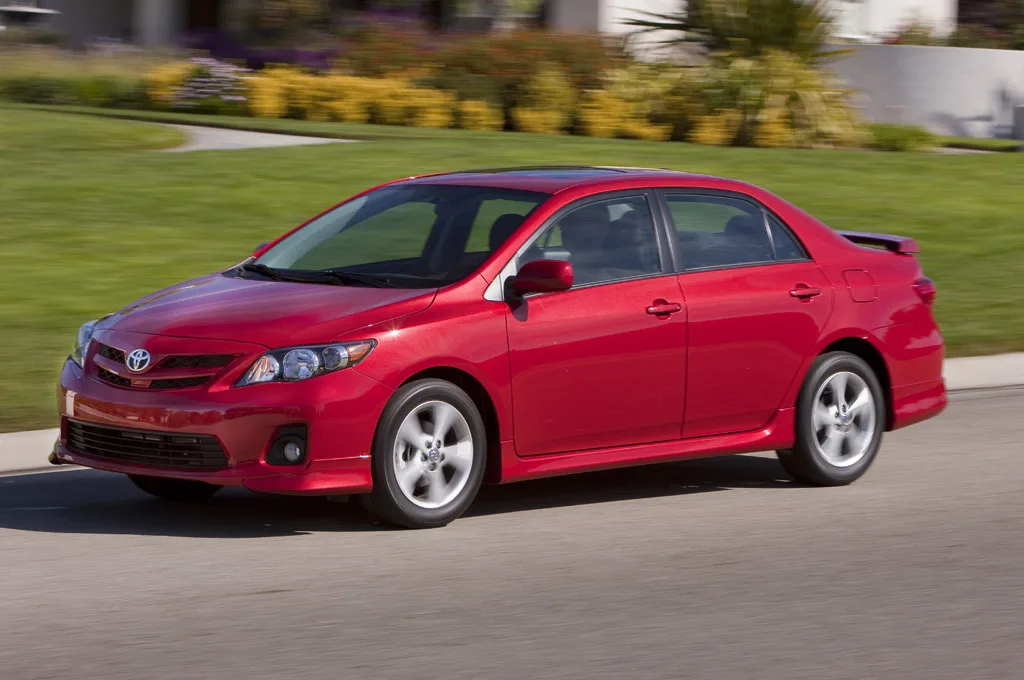
Toyota sold over 300,000 Corollas for the 2011 model year in the United States alone. NHTSA data shows more than 1,200 complaints filed for this generation as of 2026. The majority cluster around steering loss, airbag deployment risk, and engine oil starvation.
Knowing which problems are safety critical versus merely annoying changes how you buy, maintain, or sell this car.
Quick Answer
The 2011 Toyota Corolla has two mandatory safety recalls. The Takata airbag inflator can rupture. The electric power steering torque sensor can fail.
Both repairs are free at any dealer. The 2ZR-FE engine often burns a quart of oil every 1,000 miles. The four speed automatic transmission shudders on light acceleration.
Brake rotors warp early. The EVAP system throws codes that fail emissions tests.
Why the 2011 Corolla's Problem List Matters for Your Safety and Wallet
A clean Carfax does not mean a clean car. Many 2011 Corollas still have open recalls because owners ignore the letters. The Takata recall is a "do not drive" order in high humidity states.
The EPS recall causes sudden heavy steering at highway speeds. Both have injured drivers. The oil consumption issue can grenade an engine if you trust the dashboard light instead of the dipstick.
A used Corolla priced $1,500 below market often hides one of these problems.
Insurance rates stay low because the Corolla scores well in crash tests. Repair costs stay reasonable because every shop knows the platform. Parts availability is excellent.
The timing chain eliminates a $700 service interval. These strengths only matter if you address the known defects first. Skip the recall check and you gamble with your safety.
Skip the oil consumption test and you gamble with a $4,000 engine.
Core Facts: 2011 Corolla Powertrain, Chassis, and Safety Systems at a Glance
The 2011 Corolla rides on the E140 chassis shared with the Matrix and Scion xD. Two transmissions were offered. The four speed U341E automatic handles 128 pound feet of torque.
The five speed C50 manual handles the same. Both send power to the front wheels. The 2ZR-FE engine uses a timing chain with a hydraulic tensioner.
Valve clearance is shim over bucket. Spark plugs are iridium tipped good for 100,000 miles.
| Specification | Automatic | Manual |
|---|---|---|
| Engine | 2ZR-FE 1.8L I4 | 2ZR-FE 1.8L I4 |
| Horsepower | 132 @ 6,000 rpm | 132 @ 6,000 rpm |
| Torque | 128 @ 4,400 rpm | 128 @ 4,400 rpm |
| EPA Combined MPG | 29 | 30 |
| Transmission Fluid | Toyota WS (3.7 qt drain) | 75W-90 GL-4 (1.9 qt) |
| Curb Weight | 2,866 lbs | 2,767 lbs |
Safety equipment includes dual front airbags, front seat side airbags, side curtain airbags, and driver knee airbag. Vehicle Stability Control and Traction Control are standard. Anti lock brakes with Electronic Brake force Distribution are standard.
The electric power steering rack uses a torque sensor mounted on the steering column. No adaptive cruise control. No lane keep assist.
No automatic emergency braking.
The Must-Know Recalls: Takata Airbags and EPS Torque Sensor — Stop-Driving Risks
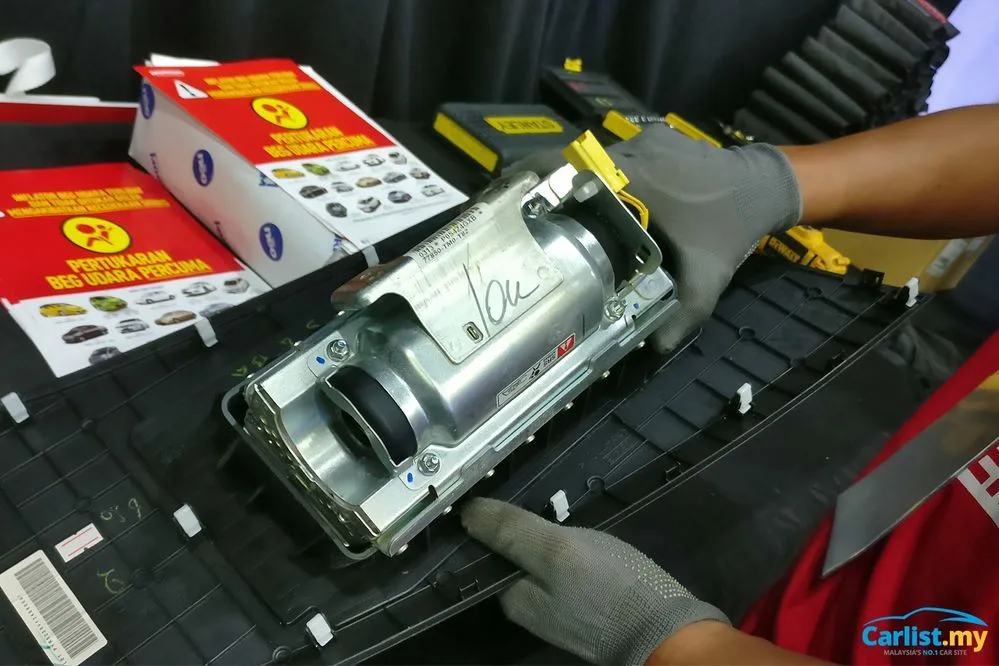
Two recalls affect every 2011 Corolla regardless of mileage or ownership history. NHTSA recall 19V-332 covers the Takata PSDI-5 driver and passenger inflators. Propellant degrades in heat and humidity.
Rupture sends metal fragments into the cabin. As of 2026 the repair rate sits around 85 percent nationwide. Zone A states (Florida, Texas, Gulf Coast) see the highest risk.
Toyota will tow the car to the dealer for free. Loaner vehicles are provided.
NHTSA recall 18V-382 covers the electric power steering torque sensor. The sensor circuit board cracks. Power assist cuts out without warning.
Steering effort jumps to 15+ pounds at 60 mph. The fix replaces the entire steering column assembly. Calibration requires Toyota Techstream software.
Repair takes about 3.5 hours. Completion rate lags at 78 percent because owners mistake the symptom for alignment issues. Check your VIN at nhtsa.gov/recalls today.
Do not assume the previous owner handled it.
A third recall 14V-355 affects certain VINs for the airbag control module. Inadvertent deployment can occur. This one is VIN specific.
The Toyota Owner Portal shows exact recall status for your vehicle. Have your 17 digit VIN ready. The portal also shows warranty coverage remaining.
Engine Oil Consumption: The 2ZR-FE Piston Ring Defect That Can Kill Your Engine
The 2ZR-FE uses low tension oil control rings to reduce friction. In many 2011 units the ring gap allows oil to scrape past into the combustion chamber. Toyota TSB 0094-11 acknowledges consumption up to 1.1 quarts per 1,000 miles as "normal." That is not normal.
Engines run dry between changes. Connecting rod bearings spin. Pistons slap.
The engine seizes.
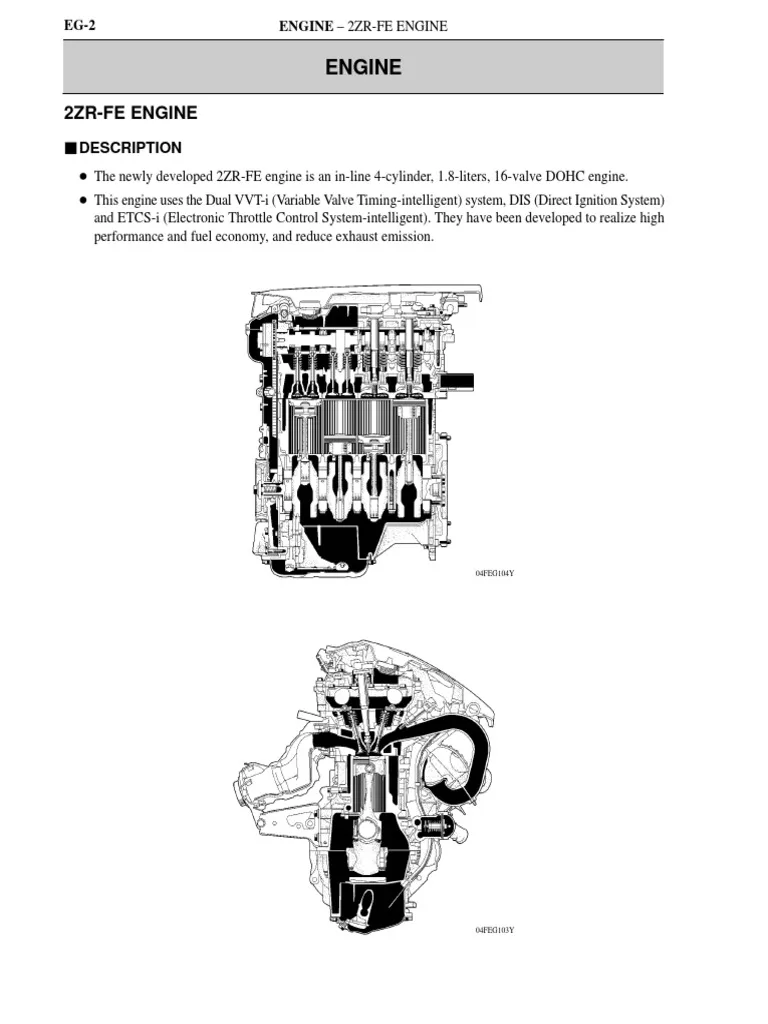
The repair replaces pistons and rings with updated parts. Dealer cost runs $1,800 to $2,500. Independent shops charge $900 to $1,400.
Labor is 8 to 10 hours. The extended warranty enhancement ZEEC covers this repair if purchased before symptoms appear. Most expired years ago.
A class action settlement covered 2011 to 2013 models but the claim window closed in 2019. Documentation of the repair adds resale value. No documentation means assume the worst.
Check oil every 500 miles. Use 0W-20 meeting API SN or SP. Capacity is 4.4 quarts with filter.
Cold start rattle lasting more than two seconds suggests timing chain tensioner wear. That is a separate $600 to $900 job. The chain itself rarely stretches before 200,000 miles.
Keep receipts for every oil change. They prove maintenance discipline if you pursue goodwill assistance from Toyota.
Transmission Trouble: 4-Speed Auto Shudder, Hard Shifts, and Torque Converter Wear
The U341E four speed automatic is old school. No CVT variability. No eight speed complexity.
It shifts through a torque converter lock up clutch. That clutch glazes over time. The result is a shudder felt at 35 to 45 mph under light throttle.
It feels like driving over rumble strips. TSB 0327-11 addresses harsh 1-2 shifts and torque converter judder. A software update helps early cases.
Worn clutch material requires converter replacement.
Fluid condition tells the story. Toyota WS fluid should be pink and smell sweet. Brown fluid with a burnt odor means the converter is shedding material.
A drain and fill replaces 3.7 quarts. Total capacity is 7.4 quarts. Do not flush.
Flushing dislodges debris that clogs solenoids. The valve body solenoids wear and stick. Replacement solenoid packs cost $180 to $300.
Labor adds two hours.
Manual transmission models avoid these issues entirely. The C50 five speed is robust. Clutch life averages 120,000 miles.
Shift cables stretch and bind. Bushings at the shifter base crumble. Both are $100 DIY fixes.
If you tow, the automatic needs an auxiliary cooler. The factory cooler is a loop in the radiator tank. It is marginal for the 1,500 pound tow rating.
Brake, Steering, and Suspension Issues That Show Up in Real-World Driving
Front brake rotors warp early on the 2011 Corolla. The factory rotors measure 275 millimeters diameter by 22 millimeters thick. They are undersized for the 2,800 pound curb weight.
Aggressive semi metallic pads from the factory accelerate heat buildup. Pulsation in the pedal appears as early as 30,000 miles. Rear drums use a 230 millimeter diameter.
The self adjuster mechanism seizes in salt belt states. Uneven shoe wear follows. Parking brake cables rust inside the sheath.
The lever travels to the floor before engaging.
The electric power steering rack itself is reliable once the torque sensor recall is done. The intermediate shaft u joint clunks over bumps. TSB 0032-11 covers this noise.
It is not a safety issue. Grease the joint or replace the shaft for $120 parts. Struts and shocks last 80,000 to 100,000 miles.
The front lower control arm bushings tear. The rear torsion beam bushings crack. Both cause vague steering and uneven tire wear.
A four wheel alignment checks all of this.
How do I know if my rotors are warped?
Steering wheel shake under light braking at 50 mph confirms rotor runout. Measure thickness with a micrometer. Minimum spec is 20 millimeters.
Replace in pairs. Use quality aftermarket rotors like Centric or Raybestos. Avoid the cheapest blanks.
They warp again in 15,000 miles. Ceramic pads run cooler and dust less. Bed them in with five moderate stops from 40 mph.
Cool between each stop.
Electrical and Emissions Gremlins: EVAP Codes, Dashboard Cracks, Starter Failures
The EVAP system throws three common codes. P0441 indicates incorrect purge flow. P0455 signals a gross leak.
P0456 signals a very small leak. The charcoal canister cracks at the hose barb. The purge valve sticks open or closed.
The vent valve solenoid fails closed. A smoke test finds the leak in ten minutes. Canister replacement runs $350 parts plus two hours labor.
Purge valve is $80 and ten minutes. Vent valve is $60 and accessible from underneath.
The dashboard cracks across the passenger airbag door. Heat and UV break down the plastic substrate. Cracks can interfere with airbag deployment path.
NHTSA complaint ID 11456789 documents this. No recall exists. A dash cover hides the damage for $40.
Replacement dash skin costs $400 plus four hours labor. Document cracks with photos for your file.
The starter solenoid contacts wear out around 120,000 miles. Symptom is a single click then nothing. Tap the starter with a hammer while someone turns the key.
It often starts one more time. Contacts kit costs $25. Full starter replacement is $180 for a Denso reman.
Labor is one hour. The alternator brushes wear at similar mileage. Voltage drops below 13 volts at idle.
Rebuild kit is $35. New alternator is $220.
TPMS sensor batteries die at eight to ten years. The light blinks for one minute then stays solid. Sensors are not serviceable.
Replace all four for $200 parts. Relearn requires a TPMS tool or dealer scan tool. Some tire shops include relearn with mount and balance.
What a Pre-Purchase Inspection Must Cover (And What Sellers Hope You Miss)
Start with a cold start. Listen for timing chain rattle over two seconds. Check oil level and color.
Black oil on the dipstick at 3,000 miles since change signals consumption. Pull the oil cap. Look for milky residue.
That means coolant mixing. Check coolant level in the reservoir. Pink Toyota SLLC should be clean.
Brown sludge means neglected changes or head gasket seep.
Scan for codes with a basic OBD2 reader. Pending codes matter. EVAP monitors must show ready for emissions states.
Check the VIN at nhtsa.gov/recalls. Print the page. Verify both recall repairs with the dealer.
Ask for the repair orders. No paperwork means assume open.
What should I look for underneath?
Rust on brake lines near the rear axle. Wetness at the water pump weep hole. Transmission pan seepage at the gasket.
CV axle boots torn. Control arm bushing cracks. Exhaust heat shield rattles.
Frame rail rot in salt states. Rocker panel bubbles. Spare tire well moisture.
Lift the carpet. Smell for mold.
Test drive at 45 mph. Feel for torque converter shudder. Listen for wheel bearing growl.
Check steering wheel center. Brake pedal should be firm. No sink to floor.
Shift through all gears. Manual clutch engagement point should be mid travel. Automatic should shift crisp 1-2 and 2-3.
No flare.
Repair Costs, Labor Hours, and Whether Extended Warranties Still Apply
Toyota extended warranty plans ZEEC and ZECP expired for 2011 models. The powertrain coverage ended at 100,000 miles or seven years. The oil consumption enhancement ended in 2019.
No factory coverage remains. Third party warranties exist but exclude known defects. Read the exclusion list.
Most list "pre existing conditions" and "wear items." The 2ZR-FE oil consumption falls under both.
| Repair | Dealer Cost | Independent Cost | Labor Hours |
|---|---|---|---|
| Piston ring replacement | $1,800-$2,500 | $900-$1,400 | 8-10 |
| Torque converter replacement | $1,400-$2,000 | $800-$1,200 | 6-8 |
| Steering column (EPS recall) | Free recall | Free recall | 3.5 |
| Takata airbag inflator | Free recall | Free recall | 1.5 |
| EVAP canister replacement | $550-$700 | $350-$500 | 2-3 |
| Water pump replacement | $450-$600 | $250-$350 | 2.5 |
| Front brake rotors and pads | $400-$550 | $250-$350 | 1.5 |
| Starter replacement | $350-$450 | $200-$300 | 1.0 |
Labor rates vary. Dealer rates hit $165 to $195 per hour in 2026. Independent shops charge $110 to $140.
DIY saves labor but requires tools. A torque wrench, jack stands, and scan tool cover 80 percent of jobs. Techstream software costs $50 for a two day license.
It enables EPS calibration, TPMS relearn, and VSC zero point reset.
DIY vs. Dealer: Which Repairs You Can Handle and Which Need Techstream
Oil changes are straightforward. Drain plug is 14 millimeter. Filter is cartridge type on the front of the block.
Use a 64 millimeter housing wrench. Torque the housing to 18 foot pounds. Fill with 4.4 quarts 0W-20.
Reset the maintenance light. Hold the trip button. Turn key to on.
Wait for zeros. Release. Done.
Brake pads and rotors need a 17 millimeter caliper bolt socket. A C clamp compresses the piston. Rear drums need a brake spoon for the adjuster.
Brake fluid flush uses a motive bleeder or two person method. DOT 3 fluid. Start at the right rear.
End at the left front.
When do I need Techstream?
EPS torque sensor calibration after column replacement. VSC zero point calibration after alignment. TPMS sensor ID registration.
Injector compensation codes after replacement. Transmission solenoid adaptation reset. Smart key programming.
Without Techstream these systems stay in limp mode or throw codes. A two day subscription from Toyota TIS costs $50. A laptop with Windows 10 or 11 runs it.
J2534 pass thru device costs $150 for a clone. Total DIY investment $200. One dealer visit pays for it.
Water pump replacement needs the special tool for the fan clutch. The pulley bolts are reverse thread. The pump bolts are 10 millimeter.
Torque to 15 foot pounds. Refill with Toyota SLLC pink. Burp the system with the heater on max.
Watch for bubbles in the reservoir. Top off after first heat cycle.
Starter replacement is a two bolt job from below. Disconnect battery negative first. The solenoid wire is a push clip.
The main cable is 12 millimeter. Torque bolts to 29 foot pounds. Reconnect battery.
Start engine. Verify no click.
EVAP canister needs the fuel tank dropped for access. That is a two person job. Straps are 14 millimeter.
Lines disconnect with Toyota quick connect tools. A pick set works in a pinch. Label lines before removal.
Reinstall in reverse. Clear codes. Drive cycle completes in 50 miles.
When to Walk Away: VIN-Specific Red Flags That Make a 2011 Corolla a Bad Buy
Salvage title or rebuilt title means structural damage you cannot fully verify. Flood damage in the history report means corrosion in every connector. Odometer rollback flags cluster with skipped maintenance.
More than three owners in five years suggests a problem car passed around. Open recalls with no repair dates mean the owner ignored safety letters. A dealer selling "as is" with the check engine light on knows the repair exceeds the profit margin.
What VIN patterns signal trouble?
VINs starting with 1NX or 2T1 built before March 2011 have the highest oil consumption rates. VINs with the 10th digit "B" (2011) and 11th digit "T" (Toyota Motor Manufacturing Mississippi) show slightly higher EPS failure rates in NHTSA data. VINs registered in Zone A states their entire life need proof of Takata repair.
No proof means budget $200 for a mobile airbag check. Walk away if the seller refuses a pre purchase inspection. That refusal is the loudest warning.
Verified Action Plan: Recall Checks, Maintenance Priorities, and Ownership Decisions
Step one: Run the VIN at nhtsa.gov/recalls. Print the results. Step two: Call a Toyota dealer with the VIN.
Confirm both recall repairs are complete. Ask for the repair order numbers. Step three: Check oil level cold.
Top off with 0W-20. Drive 1,000 miles. Recheck.
More than one quart low means budget for piston rings. Step four: Scan for codes. Clear them.
Drive 50 miles. Re scan. Pending EVAP codes mean canister or valve work.
Step five: Test drive at 40 mph light throttle. Feel for shudder. Harsh 1-2 shift means valve body or converter.
| Priority | Action | Cost If DIY | Cost If Shop |
|---|---|---|---|
| Critical | Takata recall check | Free | Free |
| Critical | EPS recall check | Free | Free |
| High | Oil consumption test | $5 oil | $50 |
| High | EVAP smoke test | $30 rental | $120 |
| Medium | Brake rotor measure | $0 | $80 |
| Medium | Starter contact check | $25 kit | $200 |
| Low | Dashboard crack photo | $0 | $40 cover |
Keep every receipt. A folder with oil change records, recall printouts, and repair invoices adds $500 to $1,000 at sale time. Buyers pay for documented care.
If the car burns oil but runs fine otherwise, keep a case of 0W-20 in the trunk. Check every fill up. Many 2011 Corollas hit 300,000 miles with this routine.
The platform rewards attention. Neglect punishes hard.
Frequently Asked Questions
Is the 2011 Toyota Corolla reliable?
Yes, if you address the two safety recalls and monitor oil consumption. The 2ZR-FE engine and U341E transmission are durable when maintained. Aggregate reliability data from RepairPal rates it 4.5 out of 5 for the compact class.
How much oil should a 2011 Corolla burn?
Zero is ideal. Toyota TSB 0094-11 allows up to 1.1 quarts per 1,000 miles. Most owners consider one quart per 3,000 miles the practical limit before repair.
Check every 500 miles.
Does the 2011 Corolla have a timing belt?
No. It uses a timing chain. No scheduled replacement interval.
Listen for cold start rattle beyond two seconds. That signals tensioner wear.
What transmission fluid does the 2011 Corolla take?
Toyota WS (World Standard) for the automatic. 75W-90 GL-4 gear oil for the manual. Do not use generic ATF or Dexron. Drain and fill only.
No flush.
Are 2011 Corolla recalls still free?
Yes. Both the Takata airbag recall (19V-332) and the EPS torque sensor recall (18V-382) are free for the life of the vehicle at any Toyota dealer. Loaner cars are provided.
What is the most expensive repair on a 2011 Corolla?
Engine replacement from oil starvation runs $4,000 to $6,000. Piston ring repair is $900 to $2,500. Torque converter replacement is $800 to $2,000.
Both recalls are free.