
The 2012 toyota rav4 problems list runs longer than most owners expect for a Toyota. NHTSA logs over 1,200 complaints for this model year alone. The 2.5L four-cylinder burns oil.
The V6 shudders at highway speeds. Recalls cover airbags seat heaters and steering cables. You need the real failure data before you shop.
Per EPA testing the 2.5L FWD returns 24 mpg combined while the V6 AWD manages 21 mpg. Both engines use a six-speed automatic not a CVT. That transmission choice shapes every reliability story that follows.
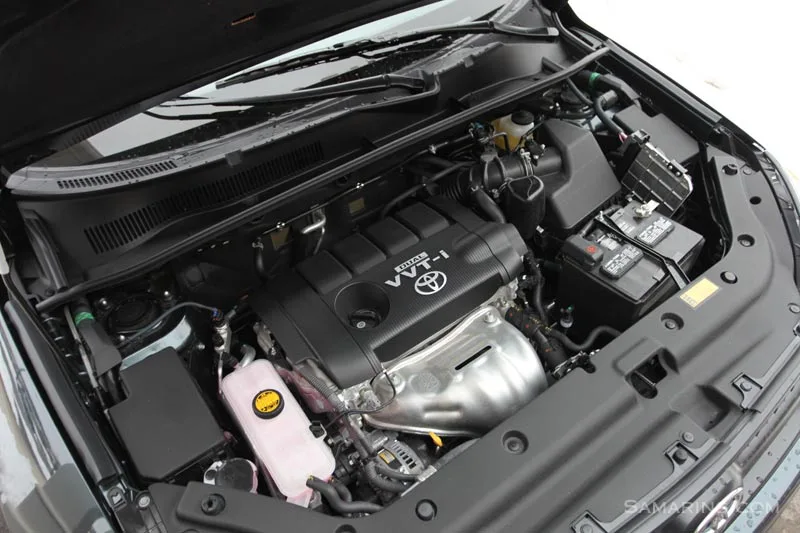
Image source: Web (Bing) / samarins.com (Web image (fair-use with source credit))
Quick Answer
The 2012 RAV4 has two engines with distinct failure patterns. The 2.5L four-cylinder consumes oil after 80000 miles. The 3.5L V6 develops torque converter shudder near 60000 miles.
Three active recalls affect safety systems. Repair costs range from 35 dollars for a purge valve to 3500 dollars for piston rings.
Why the 2012 RAV4 Still Shows Up on Used Lots (And What That Means for You)
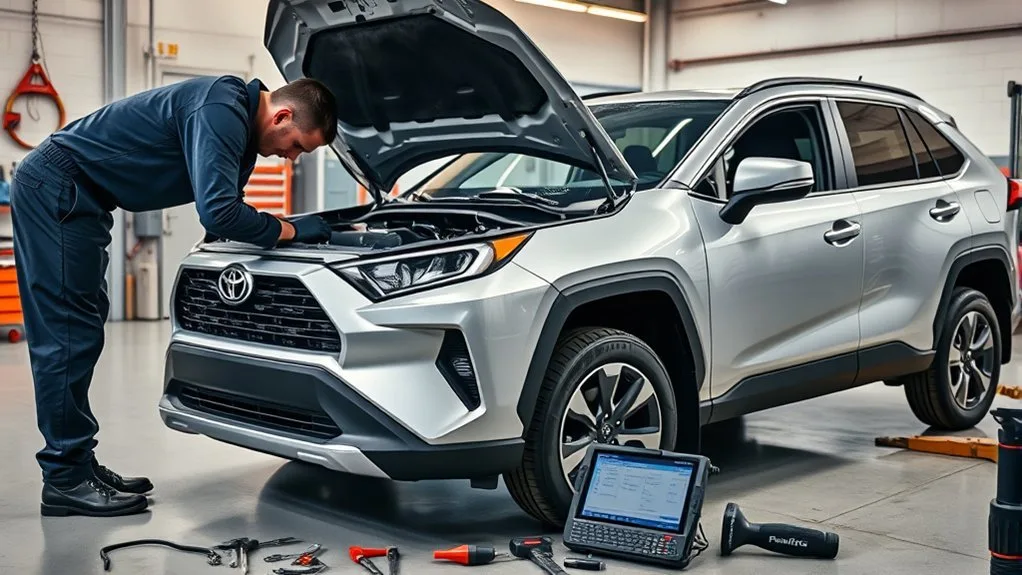
Toyota built nearly 160000 RAV4s for the 2012 model year. Many served as fleet vehicles before hitting retail lots. Rental history inflates mileage without matching wear patterns.
Idle hours on a rental car age seals and gaskets faster than highway miles. Check the Carfax for fleet designation before you negotiate.
Dealerships price these between 8000 and 14000 dollars as of 2026. The V6 AWD commands a premium near 13000 dollars. The 2.5L FWD with 120000 miles lists around 9500 dollars.
Both prices assume clean titles and completed recalls. Open recalls drop value by 1500 to 2000 dollars instantly.
The Two Engines, Two Different Problem Profiles
The 2.5L 2AR-FE inline-four produces 179 horsepower and 172 lb-ft of torque. It uses port injection and a timing chain. The 3.5L 2GR-FE V6 delivers 269 horsepower and 246 lb-ft.
Both share the U660E six-speed automatic. The transmission calibration differs by engine.
| Spec | 2.5L 2AR-FE | 3.5L 2GR-FE |
|---|---|---|
| Displacement | 2494 cc | 3456 cc |
| Valvetrain | DOHC 16V | DOHC 24V |
| Fuel system | Port injection | Port injection |
| Timing | Chain | Chain |
| Oil capacity | 4.6 qt | 6.4 qt |
| Tow rating (with pkg) | 1500 lb | 3500 lb |
The four-cylinder struggles with low-tension oil rings. The V6 fights torque converter lock-up clutch wear. Neither engine uses direct injection so carbon buildup stays minimal.
That saves you intake cleaning costs down the road.
Mileage Milestones: When Things Actually Break
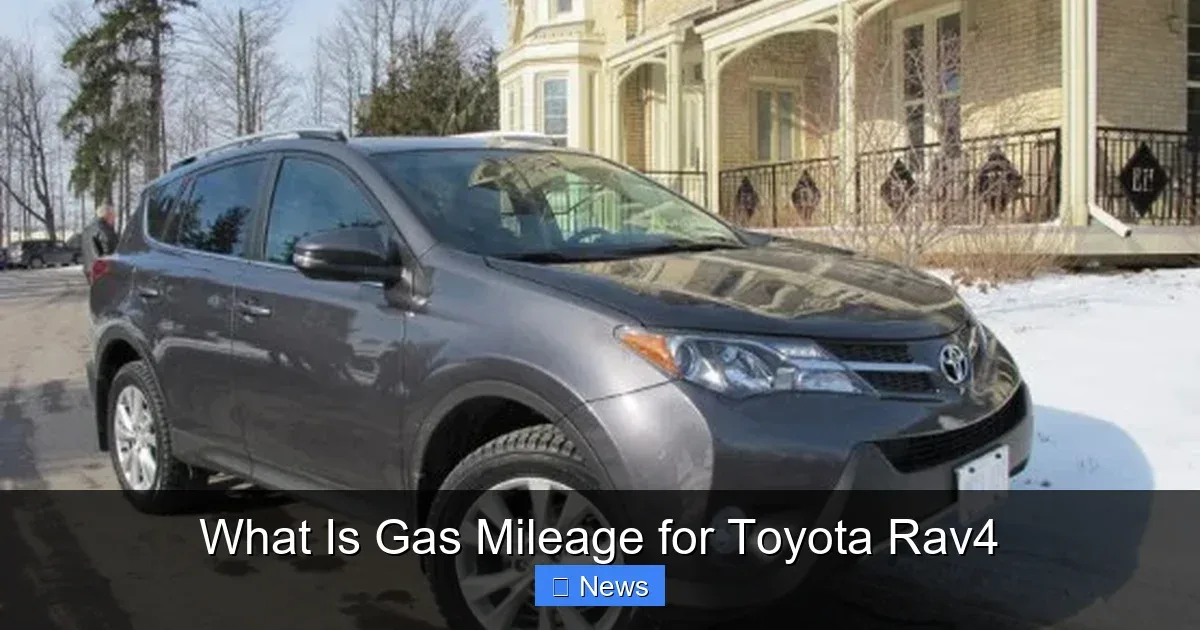
Failure clusters appear at specific mileage windows. Oil consumption typically starts between 80000 and 110000 miles. V6 shudder emerges at 60000 to 90000 miles.
A/C condenser leaks show up at 60000 to 90000 miles. Rear hatch struts fail at 70000 to 100000 miles. Water pump weep holes seep at 90000 to 120000 miles.
| Component | Onset Window | Typical Symptom |
|---|---|---|
| 2.5L oil rings | 80k–110k mi | 1 qt per 1k–3k mi |
| V6 torque converter | 60k–90k mi | Shudder 40–55 mph |
| A/C condenser | 60k–90k mi | Warm air then none |
| Hatch struts | 70k–100k mi | Hatch drops cold |
| EVAP purge valve | 80k–120k mi | P0441 code |
| Water pump | 90k–120k mi | Coolant weep hole |
Rust belt cars add rear subframe corrosion at 100000 miles. Brake lines rot at 120000 miles. Hot climates accelerate oil consumption and condenser failure.
Battery life drops to three years in Arizona Texas Florida.
Oil Consumption: The 2.5L's Signature Issue — Data, Fixes, and Reality
TSB 0094-13 documents the piston and ring update for 2007 through 2011 models. The 2012 MY falls under the same bulletin if the VIN lands in the affected range. Dealers performed the repair under warranty until 2019.
After that goodwill coverage varies by region and service history.
The root cause sits in the oil control ring design. Low tension rings combined with tiny drain holes trap carbon. Oil scrapes past into the combustion chamber.
You measure consumption by topping off every 1000 miles and recording quarts added. One quart per 1000 miles meets Toyota's threshold for repair.
A piston soak with Berryman B-12 or Sea Foam buys temporary relief. Soak overnight crank without starting repeat two to three times. Expect 30 to 50 percent reduction for a few thousand miles.
The permanent fix requires new pistons rings and often cylinder honing. Shop labor runs six to eight hours. Parts and labor total 2800 to 3500 dollars at 2024 rates.
Monitor oil every fill-up. Carry a quart in the cargo area. Switch to 0W-20 synthetic if not already specified.
The owner's manual allows 0W-20 for all temperatures. Thinner oil reaches the rings faster on cold starts.
V6 Torque Converter Shudder: Why Fluid Changes Only Buy Time
The 3.5L V6 pairs with the same U660E six-speed but calibrates lock-up engagement differently. The torque converter clutch applies at lower throttle angles to maximize fuel economy. Clutch material glazes under light-load slip.
You feel a vibration between 40 and 55 mph under light acceleration. It mimics an engine misfire but no codes set.
TSB 0329-12 outlines a three-step approach. First a TCM reflash adjusts lock-up timing. Second a drain-and-fill with genuine Toyota WS fluid replaces 3.2 quarts.
Third if shudder persists the valve body or torque converter gets replaced. Field data shows the reflash plus fluid change resolves roughly 30 percent of cases. Valve body replacement fixes another 50 percent.
Full converter replacement handles the rest.
| Step | Procedure | Success Rate | Cost (2024) |
|---|---|---|---|
| 1 | TCM reflash + WS ATF flush | ~30% | $250–$350 |
| 2 | Valve body #89667-42010 | ~50% | $900–$1200 |
| 3 | Torque converter replace | ~20% | $1800–$2200 |
Use only Toyota WS fluid. MaxLife and other multi-vehicle ATFs lack the correct friction modifiers. Shops that substitute fluid often see shudder return within 5000 miles.
Drain-and-fill every 30000 miles delays onset. Drop the pan clean the magnets replace the filter screen. Refill 3.2 quarts check level at 113°F per TIS procedure.
The Recalls You Can't Ignore: Takata, Seat Heaters, Spiral Cable
Three safety recalls remain active for the 2012 RAV4. NHTSA campaign 15V-344 covers the Takata passenger frontal inflator. Zone A states (Florida Hawaii Puerto Rico) got priority but all regions are included.
The inflator can rupture spraying metal fragments. Dealers replace the inflator free. Check your VIN at nhtsa.gov/recalls before purchase.
Campaign 13V-133 addresses the seat heater element. A short circuit can overheat the cushion creating a fire risk. Toyota installs a software limiter that caps maximum temperature and replaces the heater harness if needed.
The fix takes about an hour. Verify completion on the Carfax or ask the dealer for the repair order.
Campaign 14V-363 covers the spiral cable (clockspring) in the steering column. A fragile flex circuit can fracture disabling the driver airbag horn and steering wheel audio controls. The airbag warning light illuminates.
Replacement restores all functions. This repair also takes about an hour.
| Recall | NHTSA ID | Component | Risk | Fix Time |
|---|---|---|---|---|
| Takata inflator | 15V-344 | Passenger airbag | Shrapnel injury | 1 hr |
| Seat heater | 13V-133 | Heater element | Fire | 1 hr |
| Spiral cable | 14V-363 | Clockspring | Airbag inop | 1 hr |
Never buy a used 2012 RAV4 with open recalls. The dealer must perform repairs free regardless of ownership. If a private seller claims recalls are done ask for the paperwork.
No paperwork means assume they are open.
A/C Condensers Hatch Struts and the $500 Club
The A/C condenser sits low behind the grille. Road debris punctures the thin tubes. Leaks typically start at 60000 to 90000 miles.
You notice weak cooling then warm air. Aftermarket units from Denso or TYC use thicker tubes and hold up better than the revised OEM part. Replacement requires evacuating the system removing the bumper cover swapping the condenser pulling vacuum for 30 minutes and charging 1.1 pounds of R-134a.
Shop cost runs 600 to 800 dollars.
Rear hatch struts fail around 70000 to 100000 miles. The hatch drops unexpectedly in cold weather. A pair of quality aftermarket struts costs 40 to 60 dollars.
Installation takes 15 minutes with a socket set. Prop the hatch with a broom handle while you swap them.
The EVAP purge valve (VSV) sticks at 80000 to 120000 miles. The check engine light comes on with codes P0441 or P0455. The valve sits near the intake manifold.
A 35 dollar part and 20 minutes of labor fixes it. Dealer price runs 120 dollars for the same valve.
Steering intermediate shaft clunk appears on rough roads. TSB 0067-12 describes a grease kit that quiets it temporarily. The permanent fix replaces the shaft.
Cost runs 250 to 350 dollars at an independent shop.
Real Repair Bills: What Shops Charge in 2024–2025
Labor rates vary by region but parts prices stay consistent. The piston ring job on the 2.5L runs 2800 to 3500 dollars including machine work. V6 torque converter replacement lands at 1900 to 2200 dollars.
Valve body replacement sits at 900 to 1200 dollars. Water pump with timing chain cover reseal costs 900 to 1100 dollars. A/C condenser replacement 650 to 850 dollars.
Rear hatch struts 100 to 150 dollars installed. EVAP purge valve 80 to 150 dollars installed. Intermediate shaft 250 to 350 dollars.
| Repair | Parts | Labor | Total Range |
|---|---|---|---|
| 2.5L piston/ring job | $800–$1200 | $2000–$2300 | $2800–$3500 |
| V6 torque converter | $600–$800 | $1300–$1400 | $1900–$2200 |
| V6 valve body | $450–$550 | $450–$650 | $900–$1200 |
| Water pump + timing cover | $250–$350 | $650–$750 | $900–$1100 |
| A/C condenser | $180–$250 | $470–$600 | $650–$850 |
| Hatch struts (pair) | $40–$60 | $60–$90 | $100–$150 |
| EVAP purge valve | $35–$50 | $45–$100 | $80–$150 |
| Intermediate shaft | $120–$180 | $130–$170 | $250–$350 |
Independent Toyota specialists often charge 20 percent less than dealers for the same work. Ask for the TSB number when you authorize a repair. Shops that reference the bulletin tend to follow the correct procedure.
Pre-Purchase Inspection: 15-Minute Checks That Save Thousands
Start cold. Open the hood listen for timing chain rattle on startup. The 2AR-FE VVT-i gear wears allowing chain slack.
A loud rattle for two to three seconds means the tensioner or gear needs attention. Pull the dipstick. Oil should be amber not black.
Low level suggests consumption or neglect. Smell the oil. Gasoline odor confirms blow-by past worn rings.
Check the transmission fluid. Pull the dipstick (engine running warm in Park). Fluid should be pink not brown.
Burnt smell means overheated clutch packs. Wipe the dipstick on a white paper towel. Metal glitter indicates internal wear.
Test the A/C. Set to max cold recirculate. Vent temperature should drop below 45°F within two minutes.
Weak cooling points to condenser leak or low charge. Operate the rear hatch. It should stay up on its own.
If it sags the struts are done.
Scan for codes. A 20 dollar Bluetooth OBD2 reader paired with Torque Pro shows pending codes the dash hides. Look for P0441 P0455 (EVAP) P0300-P0306 (misfire) P0741 P0746 (torque converter).
Any active code becomes a negotiating point.
Verify recalls. Enter the VIN at nhtsa.gov/recalls. Screenshot the results.
Open recalls must be closed before you take delivery.
Inspect the A/C condenser through the grille. Bent fins or oily residue mean a leak is coming. Check the rear subframe mounting points for rust flaking.
Tap with a screwdriver. Soft metal means structural repair needed.
Living With It: Maintenance Habits That Push 250K Miles
Change the engine oil every 5000 miles with 0W-20 synthetic. Use a quality filter (Toyota OEM Denso Purolator Boss). Check the level every fuel stop.
Top off before it drops a quart. The 2.5L holds 4.6 quarts. The V6 holds 6.4 quarts.
Drain-and-fill the transmission every 30000 miles. Use only Toyota WS fluid. Replace the drain plug gasket each time.
Clean the pan magnets. Inspect the filter screen for debris. Refill 3.2 quarts check level at 113°F.
Flush the brake fluid every three years. Use DOT 3 from a sealed container. The clutch fluid (manual trans) shares the reservoir.
Flush both circuits.
Replace the engine air filter every 30000 miles. The cabin filter every 20000 miles. Clean the MAF sensor with CRC MAF cleaner at each air filter change.
Rotate tires every 5000 miles. Align annually or after pothole impacts. The double-wishbone rear suspension eats inner edges when toe drifts.
Test the battery every fall after three years. Cold cranking amps below 600 mean replace before winter. Interstate and Deka AGM units fit the Group 35 tray.
2012 vs. 2013: The Ring Revision That Changed Everything
Toyota revised the 2AR-FE piston rings for the 2013 model year. The new rings use higher tension and larger drain holes. Oil consumption complaints drop sharply in NHTSA data after the change.
The 2013 also gains a standard backup camera and Bluetooth audio streaming. The six-speed automatic carries over unchanged.
If you find a clean 2013 with similar mileage pay the 1000 to 1500 dollar premium. The ring revision alone saves thousands in potential repairs. The 2013 V6 gets the same transmission calibration so shudder risk remains identical.
Used market pricing as of 2026 shows 2013 2.5L FWD at 11000 to 13000 dollars versus 9000 to 11000 for the 2012. The V6 AWD 2013 lists at 13500 to 15500 dollars. Depreciation curves converge after 150000 miles.
Safety Non-Negotiables: VIN Checks Before You Sign
Run the VIN through three databases. NHTSA.gov/recalls for open safety campaigns. Carfax or AutoCheck for accident history title brands and service records.
The Toyota Owner portal (toyota.com/owners) shows dealer service history if previous owners registered the car.
Look for frame damage reports. The RAV4 unibody repairs poorly after moderate impacts. Salvage titles drop value 35 to 40 percent.
Flood cars from hurricane zones appear in northern auctions. Musty odor water lines in the carpet and corrosion under the dash are telltales.
Verify the airbag light illuminates at startup then extinguishes. A missing bulb hides a deployed airbag. Check the seat belt pretensioners.
They lock during hard braking. If they don't the system may have fired.
Confirm the VIN on the dash matches the door jamb and the title. Mismatches indicate a swapped dashboard or stolen vehicle.
FAQ: The Questions That Come Up Every Time
Does the 2012 RAV4 have a timing belt or chain?
Both engines use a timing chain. The 2.5L chain typically lasts 200000 miles. The V6 chain runs longer.
No scheduled replacement interval exists.
Can I tow with the 2.5L four-cylinder?
Yes up to 1500 pounds with the factory tow prep package. Without the package Toyota rates it at 1000 pounds. Install a transmission cooler for regular towing.
Is the V6 worth the extra fuel cost?
If you tow over 2000 pounds or live in mountains the V6 earns its keep. For flatland commuting the 2.5L saves 3 mpg combined and avoids the shudder issue.
How do I know if the oil consumption fix was done?
Check the Carfax for TSB 0094-13 repair. The dealer invoice lists piston and ring replacement. Absence of records means assume it was not done.
What is the real-world MPG?
Owners report 22 to 25 mpg combined for the 2.5L AWD. The V6 AWD averages 18 to 21 mpg. Winter blend fuel drops both by 1 to 2 mpg.
Should I buy one with 150000 miles?
Only if records show the piston rings were updated the transmission fluid was changed regularly and all recalls are closed. Budget 2000 dollars for immediate maintenance.
Bottom Line: Buy Walk Away or Negotiate Hard
Buy a 2012 RAV4 2.5L FWD with under 100000 miles complete service records and all recalls closed for under 10000 dollars. Negotiate 1500 dollars off for any open recall or missing maintenance. Walk away from V6 models with shudder symptoms unless the price reflects a 2000 dollar repair budget.
Walk away from any car with rusted subframe mounts or accident history. The 2.5L with documented ring repair is the sweet spot. The V6 demands a specialist pre-purchase inspection.