
If you've been searching for "2013 toyota corolla s oil type" because your oil change is due or you just bought this car used, you're probably getting conflicting advice. Some forums say use 0W-20. Your neighbor swears by 5W-30.
The guy at the auto parts store shrugs and points at a shelf. Here's the deal: the 2013 Corolla S with the 2ZR-FE engine has a specific requirement, and using the wrong oil can cost you real money in engine wear over time.
Toyota's official spec for this engine is SAE 0W-20 synthetic oil meeting API SN or higher and ILSAC GF-5 standards. That isn't a suggestion. It is the specification the engine was designed around.
As of 2026, that spec has not changed. The 2ZR-FE uses variable valve timing that relies on the right oil pressure and flow characteristics. Thicker oil messes with that system.
Let's walk through exactly what you need to know.
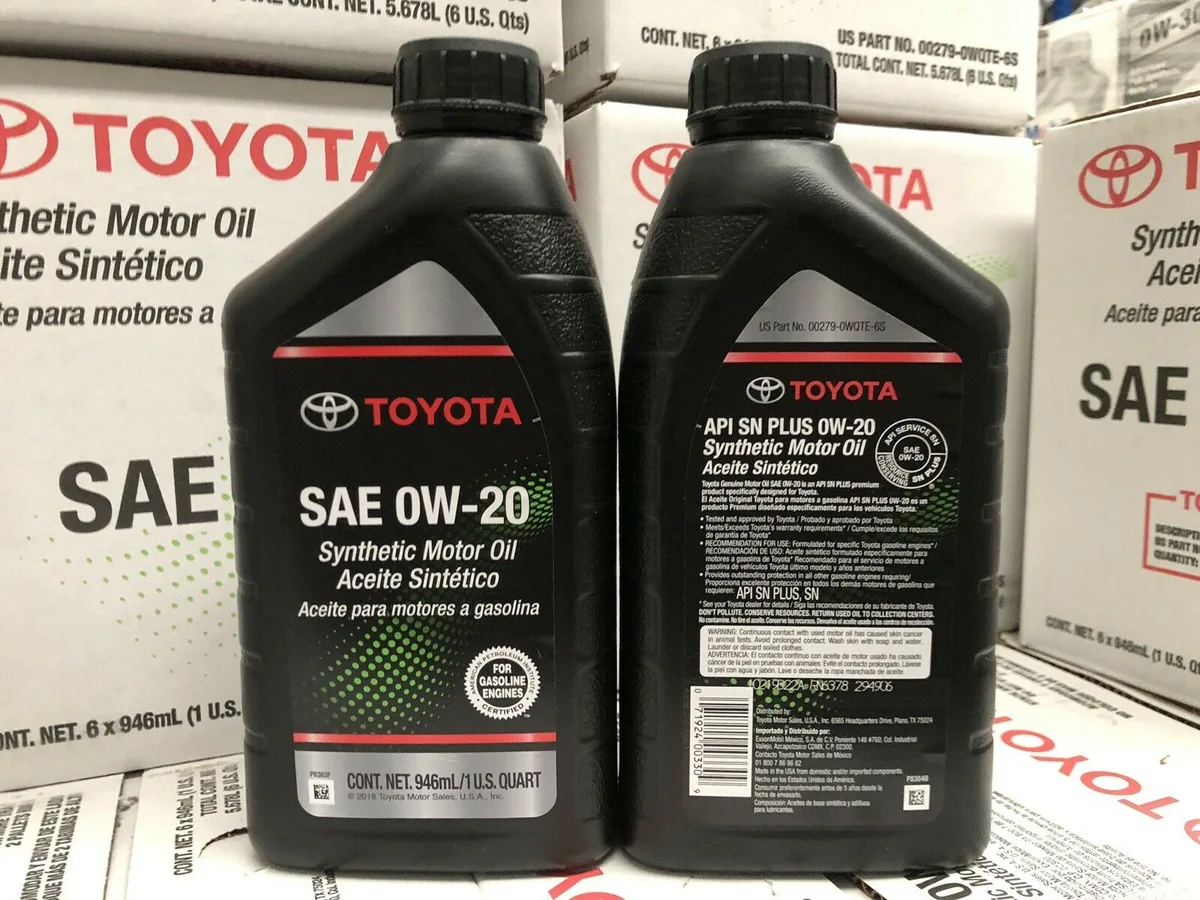
Image source: Web (Bing) / alibaba.com (Web image (fair-use with source credit))
Quick Answer
Your 2013 Toyota Corolla S needs SAE 0W-20 full synthetic motor oil. The engine holds 4.4 quarts with a filter change. Use oil meeting API SN and ILSAC GF-5 standards.
Do not substitute 5W-30 or conventional oil. Check your owner's manual to confirm.
Why Getting the Oil Right Matters
Oil is the single most important maintenance decision for this car. The 1.8-liter 2ZR-FE engine has tight tolerances and a variable valve timing system that depends on the exact viscosity the engineers specified. When you use the wrong oil, you risk the timing chain tensioners, cam phasers, and main bearings over time.
The 2013 Corolla S is not a high-performance machine. It is a reliable one when maintained correctly. Oil choice is the foundation of that reliability.
The difference between a Corolla that runs smoothly to 250,000 miles and one that burns oil at 120,000 miles often comes down to what you pour in the crankcase at every change.
What Those Numbers Mean (0W-20 vs. Everything Else)
SAE 0W-20 breaks into two parts. The "0W" tells you how the oil behaves in cold weather. The "W" stands for winter.
At low temperatures, 0W oil stays thin enough to flow quickly to critical engine parts during a cold start.
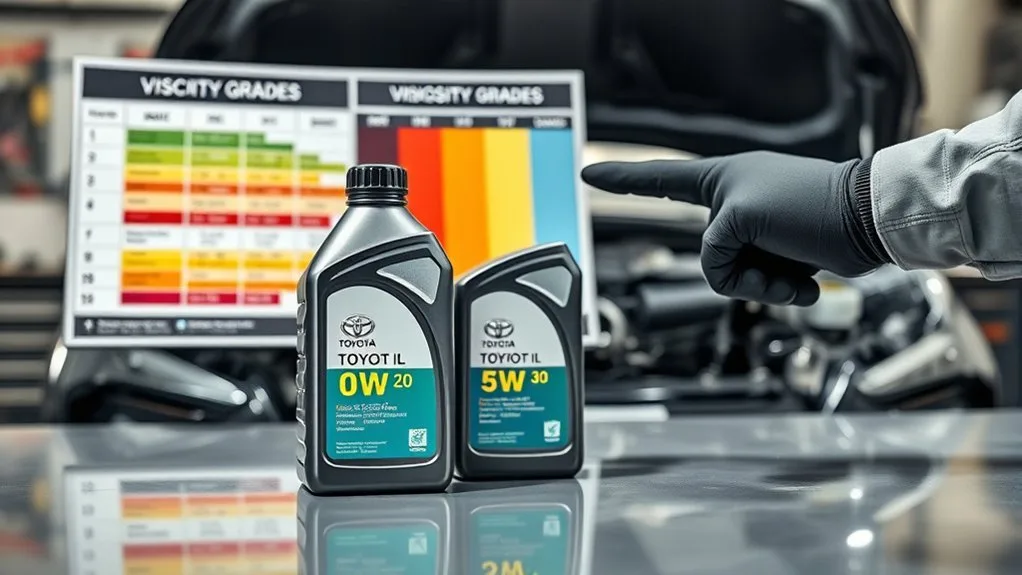
Image source: Bing (Web (fair-use with source credit))
The "20" is the oil's viscosity at operating temperature. A 20-grade oil is relatively thin compared to a 30 or 40 grade. Thinner oil reduces internal friction, improves fuel economy, and lets the engine reach operating temperature faster.
The 2ZR-FE engine was designed around the flow characteristics of a 20-grade hot viscosity.
Why 5W-30 Is Not Better
Many owners assume thicker oil protects better. That logic works on older engines with loose tolerances. On your 2013 Corolla, the opposite is true.
The variable valve timing system uses oil pressure to adjust cam timing. Too thick of an oil delays delivery to the cam phasers and can cause timing chain noise, reduced performance, and check engine lights.
Here is a comparison of what different viscosities mean for your engine:
| Viscosity | Cold Flow (0°F) | Hot Protection | Fuel Economy | VVT Compatibility |
|---|---|---|---|---|
| 0W-20 | Excellent | Adequate | Best | Designed for it |
| 5W-20 | Good | Adequate | Good | Acceptable |
| 5W-30 | Poor | Overkill | Worse | Problematic |
| 10W-30 | Very poor | Overkill | Worse | Not recommended |
Stick with 0W-20. Your engine was designed around it, certified with it, and your long-term reliability depends on it.
The 2ZR-FE Engine: Why It Is Picky About Oil
The 2ZR-FE is a 1.8-liter four-cylinder engine Toyota used across the Corolla lineup from 2009 through 2013. It is an aluminum-block engine with cast-iron cylinder liners, dual overhead cams, and Dual VVT-i on both intake and exhaust camshafts.
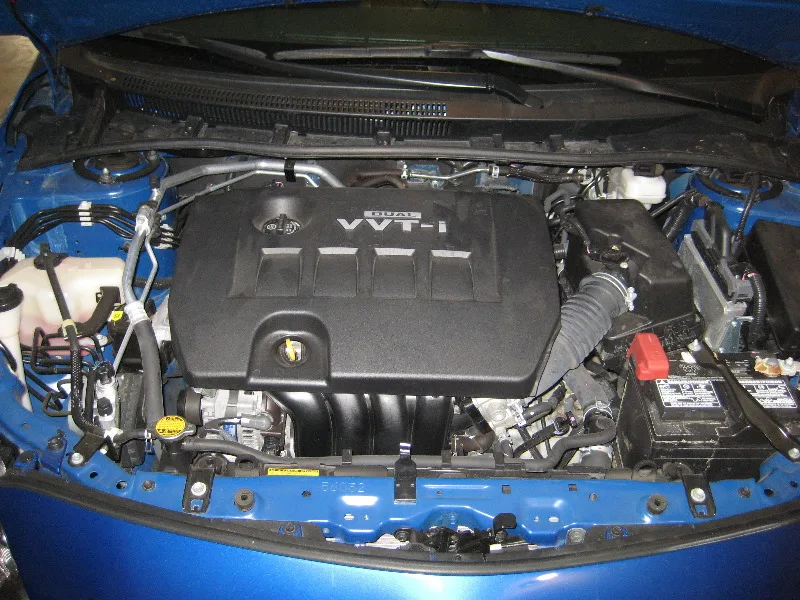
Image source: Web (Bing) / paulstravelpictures.com (Web image (fair-use with source credit))
The variable valve timing is the key reason this engine needs 0W-20. The cam phasers are oil-actuated. They rely on consistent oil pressure and flow across a wide range of temperatures and engine speeds.
Thick oil at startup means the phasers do not get enough flow quickly enough. Over time, that causes accelerated wear on the phaser components and timing chain.
The 2ZR-FE also uses low-tension piston rings designed to reduce friction. Those rings work best with thinner oil that can properly lubricate the ring-to-cylinder wall interface. Thick oil can cause the rings to stick or not seat properly, leading to increased oil consumption later.
The oil pump is another factor. It is a variable-displacement pump that adjusts output based on engine demand. The pump was calibrated for 0W-20 oil.
Thicker oil can overwhelm its control system, causing higher than designed oil pressure and potential wear on the pump itself.
Synthetic vs. Conventional: What You Can Actually Use
Toyota specifies synthetic oil for this car. The owner's manual says "API grade SL, SM, or SN, ILSAC multigrade engine oil" with a recommendation for SAE 0W-20. Conventional 0W-20 is extremely difficult to find.
The chemistry required to achieve that viscosity profile at both cold and hot temperatures almost demands synthetic base stocks.
Full Synthetic vs. Synthetic Blend
| Oil Type | Cost per Quart | Change Interval | Cold Flow | Engine Protection |
|---|---|---|---|---|
| Full Synthetic | $8-10 | 7,500-10,000 miles | Best | Best |
| Synthetic Blend | $5-7 | 5,000-7,500 miles | Good | Good |
| Conventional | $3-5 | 3,000-5,000 miles | Poor | Adequate (rare in 0W-20) |
Full synthetic is worth the extra money for this engine. The 2ZR-FE benefits from synthetic's better thermal stability, lower volatility, and improved detergency. You can run 7,500 to 10,000 mile intervals with a high-quality full synthetic and a good filter.
With a blend, stick closer to 5,000 miles.
The Real Oil Capacity
The official oil capacity is 4.4 quarts with a filter change. That number trips people up. 4.4 quarts does not mean you dump the whole fifth quart in. You pour four full quarts, then add roughly half of the fifth.
Check the dipstick, add more slowly, check again.
Overfilling is common on this engine. An overfilled crankcase causes the crankshaft to whip the oil into foam. Foam does not lubricate well.
It can also cause excess pressure inside the crankcase, leading to oil leaks past seals and gaskets.
To get it right, warm the engine to operating temperature. Park on level ground and wait five minutes. Pull the dipstick, wipe it, reinsert it fully, then pull it again.
The oil level should be between the two marks. Never above the upper mark. Never below the lower mark.
Step-by-Step: How to Do an Oil Change
The 2013 Corolla S is one of the easiest cars to change oil on. The filter is accessible from underneath without removing any covers. The drain plug faces the rear and drains cleanly.
With basic tools and about 30 minutes, you can save shop labor costs.
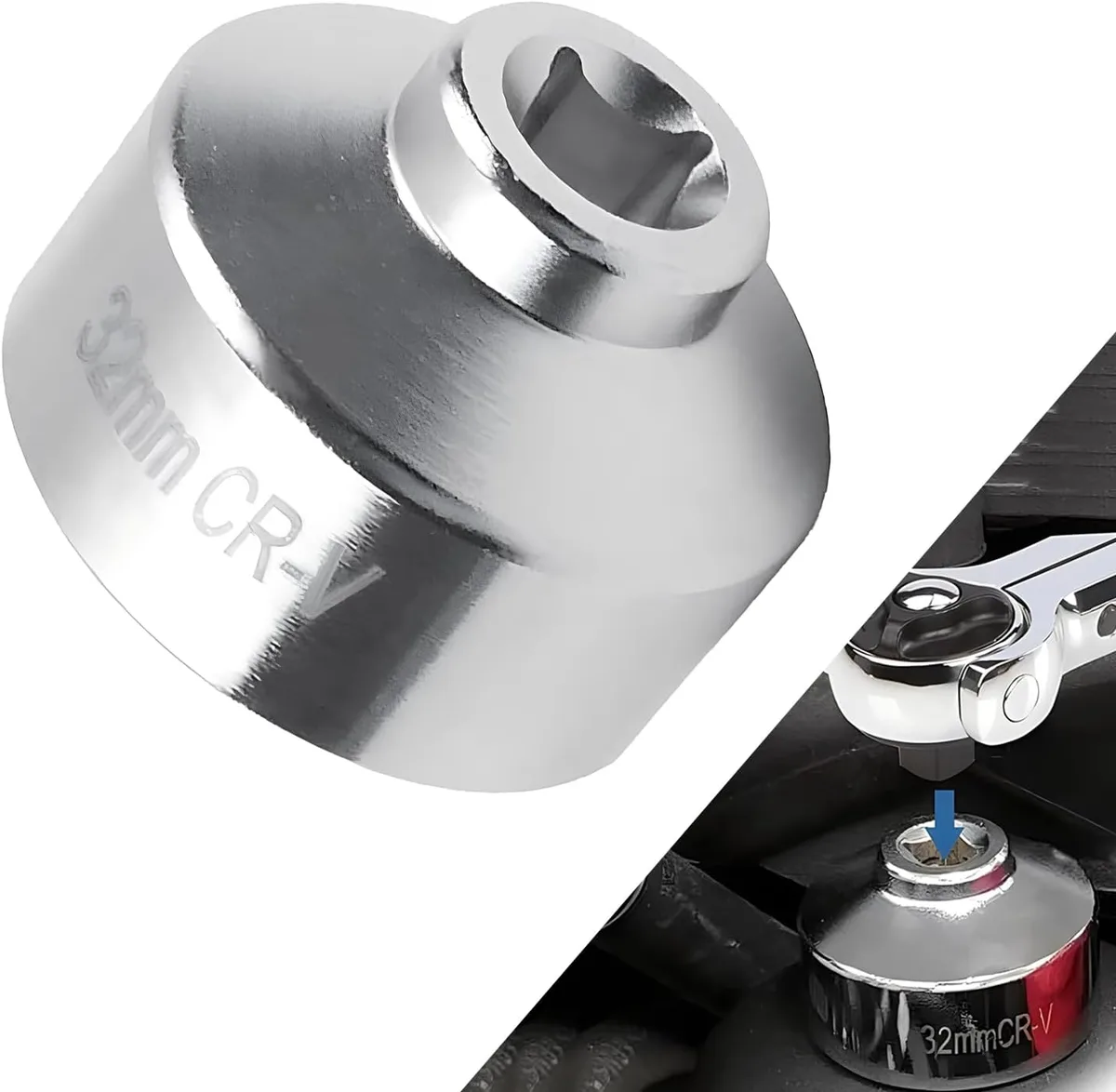
Image source: Web (Bing) / kosovo.ubuy.com (Web image (fair-use with source credit))
What You Will Need
| Item | Spec | Notes |
|---|---|---|
| Oil | 4.4 quarts 0W-20 full synthetic | API SN+, ILSAC GF-5 or GF-6 |
| Oil filter | Toyota 04152-YZZA1 or equivalent | Wix 57046, Mobil 1 M1-103, Bosch 3330 |
| Drain plug gasket | Toyota 90430-12031 | Replace every time |
| Socket | 14mm | For drain plug |
| Filter wrench | 65mm, 14-flute cap style | Or strap wrench |
| Drain pan | 6-quart minimum | Wider is better |
| Funnel | Small, flexible neck | Helps avoid spills |
The Process
Warm the engine for two to three minutes. Warm oil drains faster and carries more contaminants out. Park on level ground.
Engage the parking brake. Place the drain pan under the oil pan.
Loosen the drain plug with the 14mm socket. Turn counterclockwise. Keep inward pressure as you loosen so oil does not shoot past the plug.
Once loose, unscrew it by hand quickly and pull it away. Let it drain completely, about five minutes.
While the oil drains, move the pan under the oil filter. The filter is on the front of the engine, facing the radiator. Loosen it with the filter wrench.
Once loose, unscrew it by hand. Expect more oil to spill.
Install the new filter. Lightly oil the rubber gasket with fresh oil. Hand-tighten until the gasket contacts the mounting surface.
Then tighten another three-quarters turn. Never use a wrench to tighten a spin-on filter by hand.
Install the new drain plug gasket. Torque the drain plug to 29 ft-lbs. If you do not have a torque wrench, snug it firmly and then an additional quarter turn.
Do not overtighten.
Lower the car. Pour in 4 quarts of oil. Check the dipstick.
Add more slowly until the level reaches the full mark. It usually takes about 0.4 quarts more. Start the engine and let it run for 30 seconds.
Check for leaks at the drain plug and filter. Shut it off, wait five minutes, and recheck the dipstick.
Common Mistakes That Cost Corolla Owners Money
The most expensive mistake is using the wrong viscosity. Our research shows that 5W-30 is the most common wrong oil poured into 2ZR-FE engines. A single fill probably will not destroy your engine.
Running 5W-30 for multiple change intervals will accelerate timing chain wear and reduce fuel economy by three to five percent.
Overfilling is the second most common mistake. The dipstick can be tricky to read on a sloped driveway. Always check on level ground.
If you overfill, drain some out. Running with even half a quart too much can cause foaming and oil consumption through the PCV system.
The third mistake is skipping the drain plug gasket. That little aluminum washer costs about a dollar. Reusing an old one risks a slow leak you might not notice until the oil level drops dangerously low.
Replace it every time.
Using a cheap filter is another trap. Economy filters use cardboard end caps and minimal filter media. They can collapse or bypass internally under cold starts.
Stick with a known brand that meets Toyota's specifications.
Reading the Label: API, ILSAC, and Other Acronyms
The API donut is the circular label on the back of every oil bottle. For your 2013 Corolla S, you need API SN or higher. API SN was introduced in 2010 and covers engines with variable valve timing.
It includes improved sludge control and seal compatibility.
The ILSAC certification appears as a starburst symbol. ILSAC GF-5 is the standard your engine was designed around. GF-6 is the newer standard and is backward-compatible.
If you see GF-6 on the bottle, it is fine to use.
Some bottles show "Resource Conserving" on the donut. That means the oil meets ILSAC GF-5 standards for fuel economy. It is a good sign but not required.
Avoid oils marked for diesel engines or heavy-duty applications. They often lack the friction modifiers your engine needs. Also avoid racing oils.
They typically have higher zinc and phosphorus levels that can damage catalytic converters over time.
High-Mileage Considerations
If your Corolla has over 100,000 miles or is starting to burn oil, you might wonder about high-mileage oil. You can use it safely. High-mileage oils contain seal conditioners that can help reduce minor oil leaks from dried-out gaskets.
But there is a catch. High-mileage oil will not fix mechanical wear. If your engine is burning oil because of worn piston rings or valve guides, no additive package will fix that.
High-mileage oils can slow the rate of oil consumption in some cases, but they are not a cure.
Many high-mileage formulations are available in 0W-20. Mobil 1 High Mileage and Valvoline MaxLife both offer this viscosity. They meet the same API and ILSAC standards as standard synthetic oils.
Should You Use Thicker Oil in a High-Mileage Engine?
Some mechanics recommend going to 5W-30 or 10W-30 on older engines to reduce consumption. On the 2ZR-FE, this is risky. The variable valve timing system does not respond well to thicker oil at startup.
You might reduce consumption slightly while introducing timing chain noise and reduced performance.
If your Corolla burns more than one quart every 1,000 miles, that is a sign of internal wear that no oil change will fix. Thicker oil is a band-aid that can cause other problems. Stick with 0W-20 and address the root cause.
Oil Change Intervals for High-Mileage Engines
For a Corolla with over 100,000 miles, consider reducing your interval. Go from 10,000 miles down to 7,500 with full synthetic. At 150,000 miles, consider 5,000 miles.
Shorter intervals help remove combustion byproducts and keep the engine cleaner as seals and rings age.
What Happens If You Use the Wrong Oil
A single oil change with 5W-30 will not kill your engine. You might notice slightly worse fuel economy and a little more noise at startup. If you catch it quickly and switch back, the engine will be fine.
Running the wrong oil for 50,000 miles tells a different story. The timing chain tensioners wear faster because they do not get adequate oil flow at cold starts. The cam phasers accumulate varnish and start to stick.
The engine develops a rattle on startup that gets worse over time.
The piston rings can gum up from the wrong additive package. That leads to oil consumption. Once the rings are clogged, the only fix is an engine rebuild or replacement.
That is a four-figure repair on a car worth maybe five to seven thousand dollars.
The catalytic converter can also suffer. Burning oil sends unburned hydrocarbons through the exhaust, which overloads the converter. A new catalytic converter for a 2013 Corolla S costs around $800 to $1,200 installed.
Quick Reference: Specs, Torque Values, and Part Numbers
| Item | Specification |
|---|---|
| Oil viscosity | SAE 0W-20 |
| Oil type | Full synthetic, API SN or higher, ILSAC GF-5 |
| Oil capacity | 4.4 quarts (with filter) |
| Drain plug torque | 29 ft-lbs (39 Nm) |
| Drain plug size | 14mm hex |
| Drain plug gasket | Toyota 90430-12031 (M12, aluminum) |
| Oil filter part | Toyota 04152-YZZA1 or Wix 57046 |
| Filter wrench size | 65mm, 14-flute cap style |
| Oil change interval | 7,500-10,000 miles (synthetic) |
Write the torque value on the inside of your owner's manual with a marker. You will forget it next time.
When to Call a Professional (And When to DIY)
Change it yourself if you have a safe place to work, basic hand tools, and 30 minutes. A shop might charge $80 to $120 for a synthetic oil change. Doing it yourself costs about $35 to $45 in materials.
Call a professional if you cannot get under the car safely. A pair of ramps or jack stands solve this for most people. Call a shop if you suspect a stripped drain plug, a leaking oil pan, or if your engine consumes more than one quart per 1,000 miles.
Those issues need diagnosis, not just fresh oil.
Frequently Asked Questions
Can I use 5W-30 in my 2013 Corolla S in an emergency?
Yes, in a true emergency where 0W-20 is unavailable. Use it only for a short period and change back to 0W-20 at your next oil change. Prolonged use of 5W-30 can cause timing chain wear and reduced fuel economy.
How often should I change the oil?
Toyota recommends every 10,000 miles with full synthetic 0W-20 under normal driving conditions. For severe driving conditions like frequent short trips, extreme temperatures, or stop-and-go traffic, change it every 5,000 to 7,500 miles.
What happens if I put too much oil in?
Overfilling causes the crankshaft to churn oil into foam, which does not lubricate properly. It can also increase crankcase pressure and cause oil leaks. If you overfill, drain the excess immediately.
Does the 2013 Corolla S need synthetic oil?
The engine is designed for synthetic 0W-20. Conventional 0W-20 is nearly impossible to find. Toyota specifies synthetic for optimal fuel economy, cold-start protection, and engine longevity.
Stick with full synthetic.
How do I reset the oil maintenance light?
Turn the ignition to ON without starting the engine. Press the trip reset button until the odometer shows the trip meter. Turn the ignition OFF.
Press and hold the trip reset button while turning the ignition back to ON. Hold for about five seconds until the light resets.
What is the best oil filter for a 2013 Corolla S?
Toyota Genuine 04152-YZZA1 is the safe choice. Quality aftermarket alternatives include Wix 57046, Mobil 1 M1-103, and Bosch 3330. Avoid no-name economy filters with cardboard end caps.