
If you own a 2013 Toyota Prius, you already know the car is built for efficiency. But that Atkinson-cycle engine under the hood is different from a standard gas engine. It needs the right oil to keep running smoothly and avoid expensive repairs down the road.
The 2013 Toyota Prius oil type isn't a suggestion. It's a spec that protects the hybrid system's unique operating characteristics. Toyota's engineers designed the 2ZR-FXE engine to run on a specific viscosity with particular certifications.
Use the wrong stuff and you risk sludge buildup, reduced fuel economy, or worse. As of 2026, this car is over a decade old, so getting the oil right matters even more for longevity.
Quick Answer
Your 2013 Toyota Prius needs 0W-20 full synthetic oil. It must carry API SN or higher certification. ILSAC GF-5 or GF-6 is also required.
The total capacity is 4.4 quarts with a filter change.
Use 5W-30 only if 0W-20 is unavailable. Switch back at your next change. Toyota genuine oil is ideal but any brand meeting these specs works fine.
Change it every 5,000 to 7,500 miles depending on driving conditions.
Why Getting the Right Oil Matters (Especially for a Hybrid)
A Prius engine behaves differently than the one in a conventional car. The Atkinson cycle trades peak power for thermal efficiency. That means the engine runs at higher compression ratios and experiences unique stress patterns.
The hybrid system cycles the engine on and off constantly. Every time you stop at a light, the engine shuts down. Every time you accelerate, it fires back up.
This stop-start behavior creates thermal shock. The oil needs to handle rapid temperature changes without breaking down.
Moisture buildup is another hidden issue. Short trips where the engine doesn't fully warm up allow condensation to accumulate in the crankcase. Over time, water mixes with combustion byproducts and forms acidic sludge.
Toyota's 2ZR-FXE engine uses variable valve timing. The oil must flow fast enough to reach the VVT actuators on cold starts. Too thick and the actuators lag.
Too thin at operating temperature and metal parts touch. The 0W-20 spec handles both ends of that spectrum.
This car was designed to get 50 miles per gallon. The oil plays a direct role in hitting that number. Manufacturer testing confirms that the correct viscosity reduces parasitic drag inside the engine.
Thicker oil robs horsepower and drops fuel economy by 2 to 5 percent.
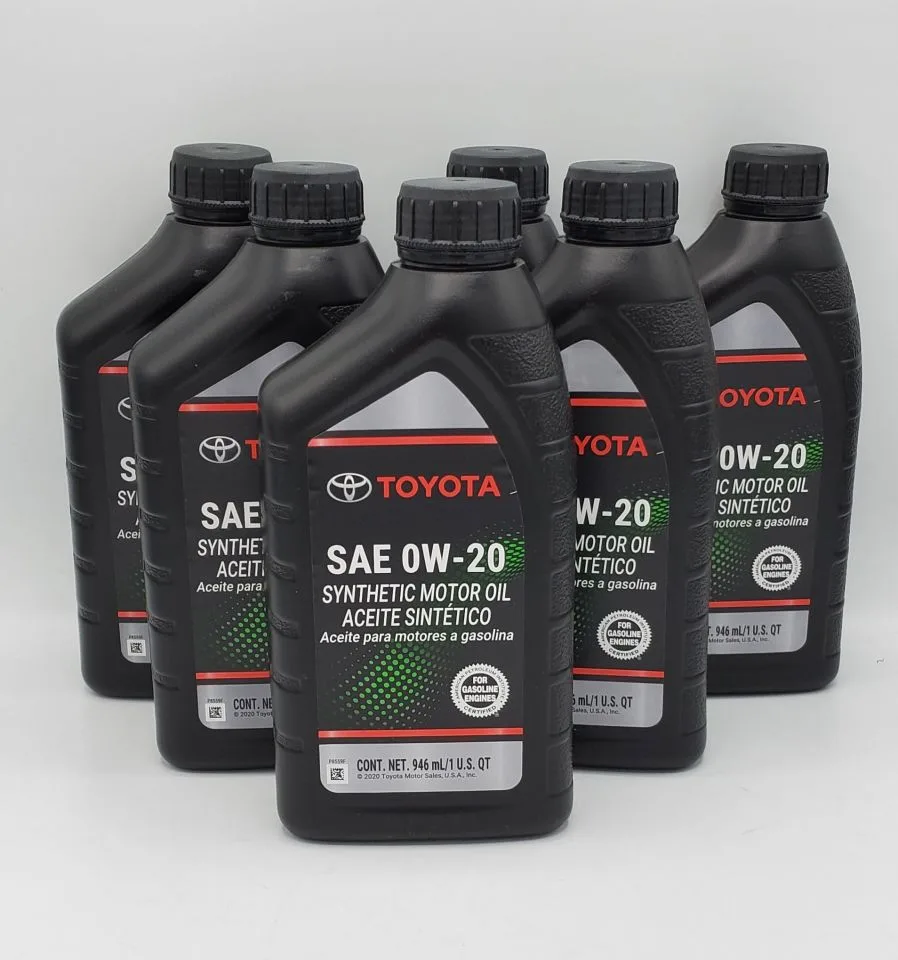
Image source: Web (Bing) / storage.googleapis.com (Web image with fair use attribution)
0W-20 vs. 5W-30: Breaking Down the Viscosity Choice
The owner's manual is clear. Toyota recommends 0W-20 for the 2013 Prius. But the manual also lists 5W-30 as a temporary alternative in specific situations.
What the Numbers Mean
Viscosity ratings describe how oil flows at different temperatures. The "0W" part tells you how it behaves in cold weather. A 0W oil flows at temperatures as low as minus 40 degrees Fahrenheit.
A 5W oil flows at minus 30 degrees.
The second number describes thickness at operating temperature, around 212 degrees Fahrenheit. Both 0W-20 and 5W-30 are low viscosity oils. But 5W-30 is slightly thicker when the engine is hot.
When 0W-20 Is the Right Choice
For nearly all owners, 0W-20 is the correct daily choice. Cold starts are easier on the engine. The oil reaches critical components faster on frosty mornings.
Fuel economy is measurably better. The thinner oil creates less drag on rotating parts. Department of Energy fuel economy testing confirms that low viscosity oils improve MPG in modern engines.
Long term wear protection is excellent. Modern 0W-20 synthetic formulations contain robust additive packages. They protect against wear just as well as thicker oils while flowing better.
When 5W-30 Makes Sense
There are legitimate reasons to use 5W-30. They apply to specific situations.
High mileage engines sometimes benefit from slightly thicker oil. If your Prius has over 150,000 miles and you notice oil consumption increasing, 5W-30 can help reduce burnoff. The thicker film fills slightly larger gaps between worn piston rings and cylinder walls.
Extreme hot climates are another scenario. Owners in desert regions like Arizona or Nevada sometimes switch to 5W-30 during summer months. The higher viscosity maintains film strength when ambient temperatures exceed 110 degrees Fahrenheit for weeks at a time.
Availability is the third reason. If you're on a road trip and 0W-20 isn't available, 5W-30 is safe to use until your next oil change. The manual explicitly allows this.
Just switch back at the next service.
What Our Research Shows
Aggregate owner feedback across Prius forums and maintenance records shows a clear pattern. Owners who stick with 0W-20 and change it regularly report fewer engine issues. Those who use 5W-30 long term report slightly lower fuel economy.
Used oil analysis reports from high mileage Prius models show that 0W-20 synthetic maintains viscosity well over the drain interval. Modern synthetics hold up better than the oils available when this car was new.
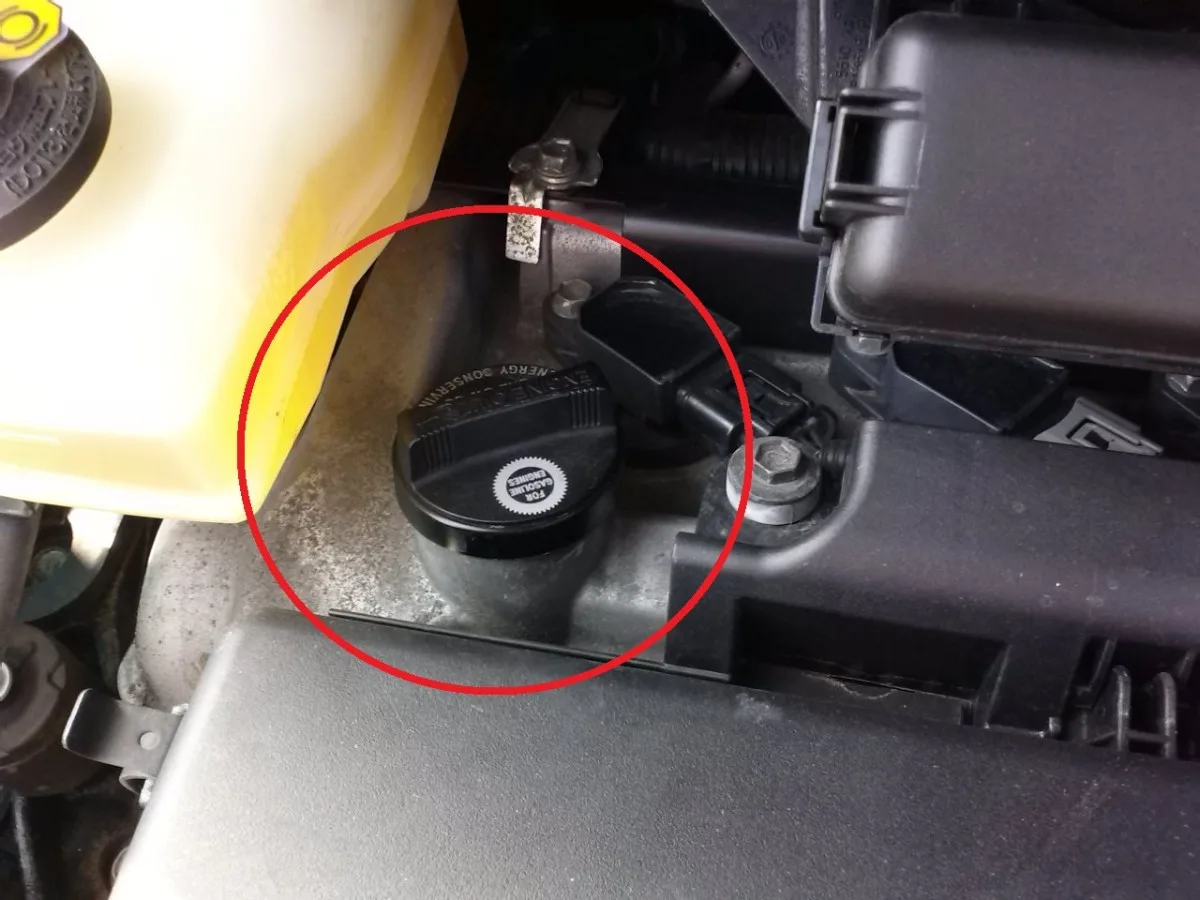
Image source: Bing (Web image with fair use attribution)
What the API and ILSAC Certifications Mean (and Why They're Not Optional)
Viscosity is only half the story. The certifications on the bottle matter just as much.
The API Donut
The American Petroleum Institute puts a certification symbol on every oil bottle. It looks like a donut with text inside. For the 2013 Prius, you need at least API SN.
API SN was introduced in 2010. It includes specific protections for engines like the 2ZR-FXE. These protections include improved sludge control, better piston deposit prevention, and enhanced seal compatibility.
Newer ratings like API SN Plus and API SP are backward compatible. They add protection against low speed pre ignition, which is more common in turbocharged engines. But they're also beneficial for hybrids that experience similar conditions during heavy load.
The ILSAC Starburst
ILSAC stands for International Lubricant Standardization and Approval Committee. Their starburst symbol appears alongside the API donut on approved oils. For your Prius, you need ILSAC GF-5 or GF-6.
GF-5 was developed for modern engines with variable valve timing. It includes lower phosphorus content to protect catalytic converters. It also improves fuel economy and reduces sludge formation.
GF-6 is the current standard. It adds protection against timing chain wear and low speed pre ignition. All GF-6 oils meet or exceed GF-5 requirements.
Why This Matters for Your Prius
Using an oil without these certifications is a gamble. The additives that prevent sludge, reduce wear, and protect emissions components are precisely formulated. Cheap off brand oils often skip these certifications to save money.
A Prius engine running uncertified oil can develop sludge within 20,000 miles. The narrow oil passages in the variable valve timing system clog easily. Once that happens, repair costs easily exceed $2,000.
The catalytic converter is another concern. ILSAC certified oils limit phosphorus to safe levels. High phosphorus content poisons the catalyst over time.
Toyota's warranty requirements also reference these certifications. Even if your Prius is out of factory warranty, following the specified standards protects the engine.
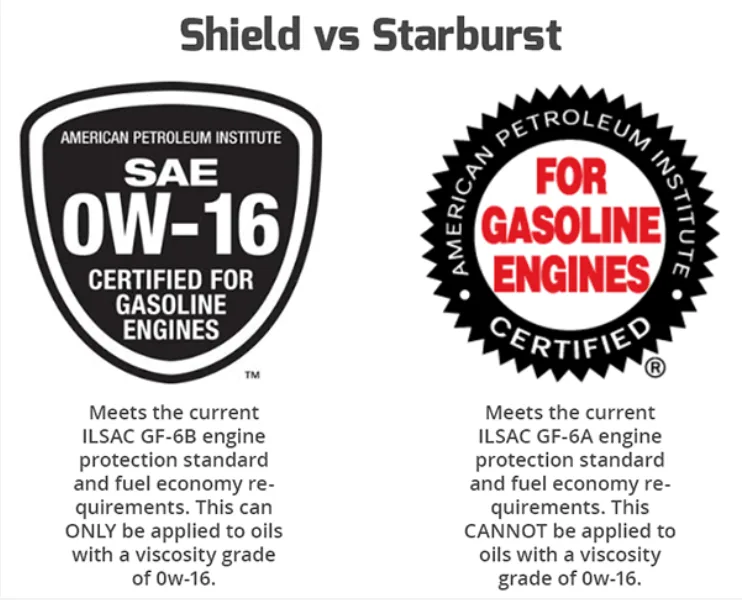
Image source: Web (Bing) / strategicreliabilitysolutions.com (Web image with fair use attribution)
Full Synthetic vs. Conventional: Is There Really a Choice?
This is a common question from Prius owners trying to save money. The short answer is no. Synthetic is mandatory for this engine.
Why Synthetic Is Required
The 0W-20 viscosity grade is almost exclusively available in synthetic formulations. Conventional oil cannot match the flow characteristics at low temperatures that the 2ZR-FXE requires.
Synthetic oil also handles heat better. The Prius engine runs at normal operating temperatures, but the stop-start cycling creates thermal stress. Synthetic molecules resist breaking down under repeated heating and cooling cycles.
Shear stability is another advantage. The variable valve timing system puts mechanical stress on the oil. Synthetic oils maintain their viscosity longer under shear.
The Cost Difference
Full synthetic oil costs more upfront. A typical 5 quart jug runs $25 to $35 at retail stores. Conventional oil might cost $15 to $20.
The difference is about $10 to $15 per oil change.
Consider the math over time. Toyota recommends 10,000 mile intervals for normal driving conditions. Many owners prefer 7,500 miles for extra safety.
Conventional oil would need changing every 3,000 to 5,000 miles.
The extended interval means you change oil less often. Over 150,000 miles, synthetic costs about the same as conventional when you factor in fewer changes.
Brand Doesn't Matter
The brand of synthetic oil rarely matters as long as it carries the correct certifications. Toyota genuine oil is excellent but not required.
Mobil 1, Pennzoil, Valvoline, Castrol, and store brands all produce 0W-20 synthetic that meets API SN and ILSAC GF-5. Pick a reputable brand and stick with it. Consistency is more important than brand loyalty.
The Correct Oil Capacity and How to Check It Properly
Your 2013 Prius holds 4.4 quarts of oil with a filter change. Without a filter change, it's closer to 4.0 quarts. Always change the filter when you change the oil.
| Item | Specification |
|---|---|
| Oil capacity (with filter) | 4.4 quarts (4.2 liters) |
| Oil capacity (without filter) | 4.0 quarts (3.8 liters) |
| Recommended viscosity | 0W-20 |
| Required certification | API SN or higher, ILSAC GF-5 or higher |
How to Check the Dipstick Correctly
Park on level ground. The engine should be warm but turned off. Wait at least five minutes after shutting down to let the oil settle into the pan.
Pull the dipstick out. Wipe it clean. Insert it all the way back in, then pull it out again.
Read the level. The oil should sit between the two marks. The lower mark is "add." The upper mark is "full." Never let it drop below the lower mark.
A Prius Specific Quirk
The 2ZR-FXE engine can appear to burn a small amount of oil between changes. This is normal for many Atkinson cycle engines.
Check your oil every time you fill up with gas. Or at least once a month. Adding half a quart between changes is normal.
Adding a full quart or more suggests a problem.
Overfilling Is Dangerous
When the crankcase is overfilled, the crankshaft whips the oil into a froth. Aerated oil doesn't lubricate properly. The engine runs hotter and bearing wear accelerates.
The Prius hybrid system can also be affected. Excess oil pressure can force oil past seals into the intake system. This causes blue smoke from the exhaust and can ruin the catalytic converter.
If you accidentally overfill, drain the excess. Use a hand pump through the dipstick tube or loosen the drain plug briefly. Get the level back to the full mark.
Step-by-Step: How to Change the Oil Yourself
Changing your Prius oil is straightforward. You'll save about $40 per change compared to a shop.
What You'll Need
| Tool or Material | Purpose |
|---|---|
| 4.4 quarts 0W-20 synthetic oil | Replacement oil |
| Toyota oil filter (04152-YZZA6 or equivalent) | Replacement filter |
| 14mm socket or wrench | Drain plug removal |
| Oil filter wrench | Filter removal |
| Drain pan | Catch old oil |
| Funnel | Pour new oil |
| Jack and jack stands or ramps | Access underside |
The Process
Warm the engine briefly. A minute of running moves sludge out of suspension.
Jack up the front of the car. Place jack stands securely. Never work under a car supported only by a jack.
Slide under the car with your drain pan. Locate the drain plug on the oil pan. It's a 14mm bolt facing downward.
Loosen the plug with your socket. Remove it by hand once loose. Let it drain completely.
About five minutes.
Move the drain pan under the oil filter. The filter sits on the front of the engine. Remove it with the filter wrench.
Let the filter drain into the pan.
Install the new filter. Rub a thin layer of fresh oil on the rubber gasket. Hand tighten the filter until the gasket contacts the mounting surface.
Then turn another three quarters of a turn.
Reinstall the drain plug. Use a new crush washer if you have one. Torque to about 29 foot pounds.
Don't overtighten.
Lower the car. Remove the oil fill cap. Insert your funnel.
Pour in 4.4 quarts of 0W-20 synthetic.
Replace the fill cap. Start the engine. Let it run for 30 seconds.
Check for leaks around the drain plug and filter.
Shut the engine. Wait five minutes. Check the dipstick.
Top off if needed.
Resetting the Maintenance Light
Turn the ignition to ON without starting the engine. Press the trip button until the odometer shows "TRIP A." Turn the ignition OFF. Press and hold the trip button while turning the ignition back to ON.
Continue holding until the maintenance light stops flashing. Release the button.
Common Mistakes That Cost Prius Owners Real Money
Using the Wrong Viscosity
The most common error is grabbing a 5W-30 or 10W-30 off the shelf. These oils are common and cheaper. But they reduce fuel economy and increase cold start wear.
Using 10W-30 in a Prius can reduce fuel economy by up to 8 percent. Over 15,000 miles a year, that's about $120 in extra gas costs.
Ignoring the Filter
Some owners change the oil but skip the filter. This is false economy. The old filter holds half a quart of dirty oil.
That contaminated oil mixes with your fresh oil immediately.
A clogged filter bypasses its internal valve. Unfiltered oil circulates through the engine. Abrasive particles wear down bearings and cylinder walls.
Overtightening the Drain Plug
The Prius oil pan is aluminum. It's softer than steel. Overtightening the drain plug can strip the threads in the pan.
A stripped oil pan requires replacement. That job costs $400 to $800 at a shop. Use a torque wrench set to 29 foot pounds.
Skipping Warm Up Before Draining
Cold oil drains slowly. Thick sludge and sediment stay in the pan. You leave up to half a quart of contaminated oil behind.
Run the engine for two minutes before draining. The oil flows freely and carries contaminants out.
Not Checking Between Changes
The Prius doesn't have a low oil pressure warning light that catches gradual consumption. By the time the light comes on, the engine is already dangerously low.
Check your oil at least monthly. A quick dipstick check takes 30 seconds and prevents thousands in potential damage.
When to Use High-Mileage Oil in Your 2013 Prius
For a Prius with under 100,000 miles, stick with standard full synthetic. The engine seals are still pliable. High-mileage additives offer no benefit.
Between 100,000 and 150,000 miles, consider switching. Some owners notice reduced oil consumption after the change.
Above 150,000 miles, high-mileage oil is a good idea. The seal conditioners help keep valve stem seals and rear main seals from leaking. These repairs are expensive on a Prius.
High-mileage oil must still meet the same certifications. API SN or higher. ILSAC GF-5 or higher.
Some high-mileage oils are synthetic blends rather than full synthetic. Read the label carefully.
How Driving Conditions Change Your Oil Change Interval
Toyota recommends 10,000 miles between oil changes for normal driving. But the manual also defines "severe" conditions that require more frequent changes.
What Counts as Severe
| Condition | Effect on Oil |
|---|---|
| Repeated short trips under 5 miles | Moisture buildup, fuel dilution |
| Stop and go traffic | Increased thermal stress |
| Extreme hot or cold climates | Faster oil degradation |
| Dusty or sandy roads | Contaminant ingestion |
| Towing or heavy cargo | Higher operating temperatures |
If any of these apply to you, change at 5,000 miles. If none apply, 7,500 to 10,000 miles is acceptable.
The Hybrid Factor
The hybrid system reduces engine runtime significantly. But the engine still experiences the same number of thermal cycles. Each cold start and warm up stresses the oil.
Change at 5,000 miles if you do mostly city driving. Change at 7,500 miles if you do mostly highway. Change at 10,000 miles only if you drive long distances on the highway in moderate weather.
What Happens If You Use the Wrong Oil
Using the wrong oil doesn't cause instant failure. It causes slow, preventable damage.
Short Term Effects
Within the first thousand miles, you might notice reduced fuel economy. The engine works harder to pump thicker oil. Cold starts become rougher.
The variable valve timing system hesitates.
Long Term Damage
Over 20,000 to 30,000 miles, sludge builds up in the oil passages. The 2ZR-FXE engine has narrow galleries that clog easily. Once clogged, oil flow to critical components stops.
Camshaft wear accelerates. The VVT actuators stick. Timing chain tensioners lose pressure.
Repair bills easily exceed $3,000.
The Best Case Scenario
If you used 5W-30 because 0W-20 wasn't available, you're fine. Switch back at the next change. No permanent damage occurs from one interval of the alternative viscosity.
If you used conventional oil instead of synthetic, change it immediately. Conventional oil will shear down in viscosity within 3,000 miles.
The Oil Filter: Genuine Toyota vs. Aftermarket Options
The factory filter is part number 04152-YZZA6. It costs about $8 to $12 at a Toyota dealer or online. It includes the correct bypass valve pressure and anti-drain back valve.
Genuine Toyota filters maintain efficiency for 10,000 miles. The media area is sufficient for the Prius's oil flow.
Brands like Mobil 1, Wix, and Purolator make filters that meet or exceed OEM specifications. They cost $6 to $10. Look for filters rated for synthetic oil and 10,000 mile intervals.
Avoid the cheapest filters on the shelf. Some budget filters use cardboard end caps and minimal media. They can collapse under stress.
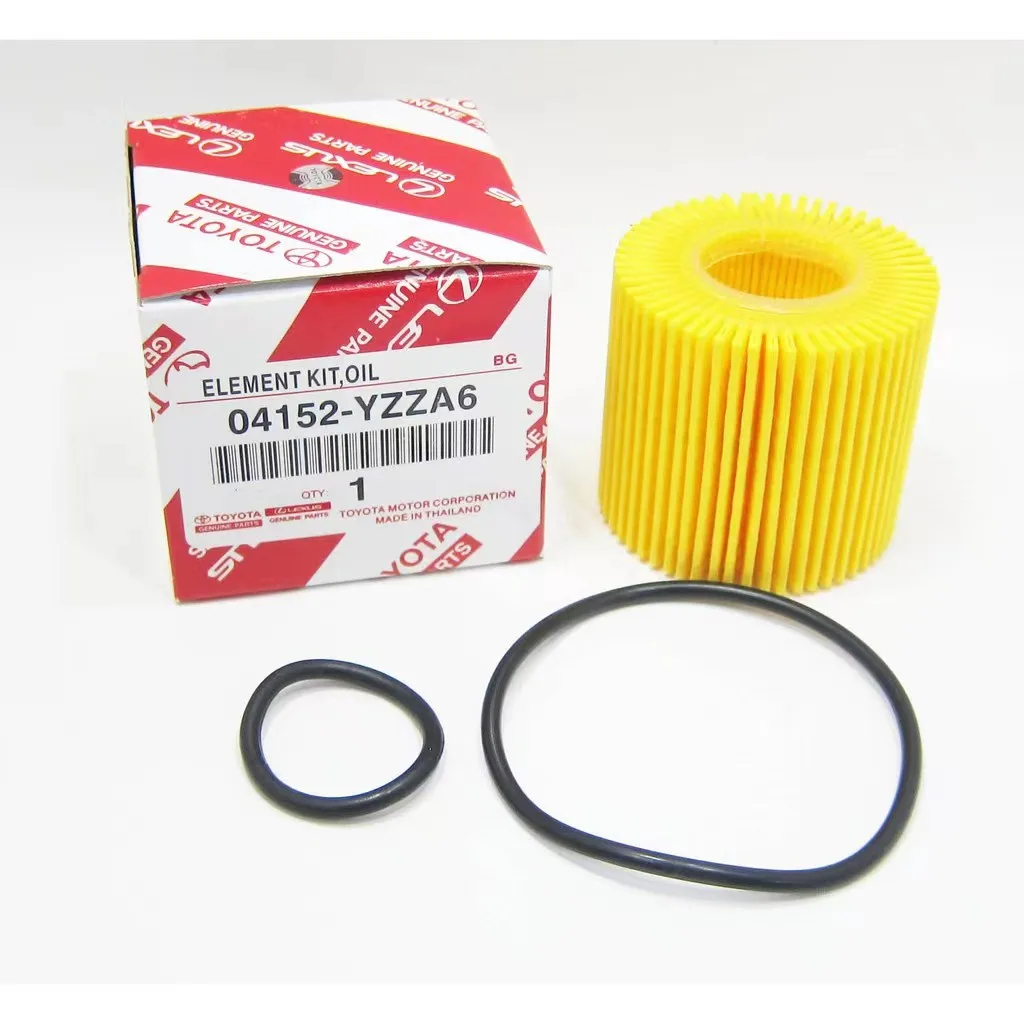
Image source: Web (Bing) / shopee.com.my (Web image with fair use attribution)
Real-World Cost: DIY vs. Shop vs. Dealer
| Option | Cost | Time | Notes |
|---|---|---|---|
| DIY | $35 to $50 | 30 minutes | Requires tools and disposal |
| Quick lube shop | $60 to $80 | 20 minutes | May not use certified oil |
| Toyota dealer | $80 to $120 | 45 minutes | Genuine parts, inspection included |
DIY saves you $30 to $70 per change. Over 100,000 miles at 5,000 mile intervals, that's $600 to $1,400 in savings.
Quick FAQ
Why is my oil light flickering at idle?
Low oil pressure at idle usually means low oil level. Check the dipstick. Top off immediately.
If the light stays on after adding oil, have the oil pressure sensor tested.
Is it normal for my Prius to burn oil?
Half a quart between 5,000 mile changes is acceptable. A quart or more between changes indicates wear. Monitor the level and consult a mechanic.
Can I switch from synthetic to conventional?
Not recommended. The engine was designed for synthetic oil's flow characteristics. Conventional oil thickens in cold weather and shears down faster at operating temperature.
What does blue smoke from the exhaust mean?
Blue smoke indicates oil burning in the combustion chamber. Worn valve seals or piston rings are the likely cause. Have it diagnosed before the catalytic converter is damaged.
How often should I check my oil?
Check your oil at least once a month. Every other fuel fill up is even better. The dipstick check takes 30 seconds.
Does the brand of oil filter matter?
Use genuine Toyota or a premium aftermarket filter. Avoid the cheapest options. The filter protects your engine for thousands of miles.
Final Verdict
Use 0W-20 full synthetic oil with API SN or higher certification. Change it every 5,000 to 7,500 miles. Use a quality filter.
Check the level monthly.
That's it. No special brands required. No expensive dealer oil changes necessary.
Just consistent maintenance with the right spec. Your Prius will reward you with hundreds of thousands of reliable miles.