
If you own a 2013 Toyota Tacoma, you already know it's a truck that'll run forever with the right care. But here's the thing that trips up more owners than you'd think: putting the wrong oil in it. The 2013 toyota tacoma oil type isn't just a suggestion in the owner's manual.
It's a spec that directly affects how long that 2.7L four-cylinder or 4.0L V6 keeps pulling.
Get it right, and you're looking at 200,000 miles without breaking a sweat. Get it wrong, and you're inviting sludge, premature wear, and cold-start clatter that'll cost you. Manufacturer specifications indicate that the Tacoma's engines were originally filled with SAE 5W-30 conventional oil.
But as of 2026, the conversation has shifted. Synthetic blends and full synthetics have become the norm. And there's a real debate about whether 0W-20 works just as well.
Let's settle it.
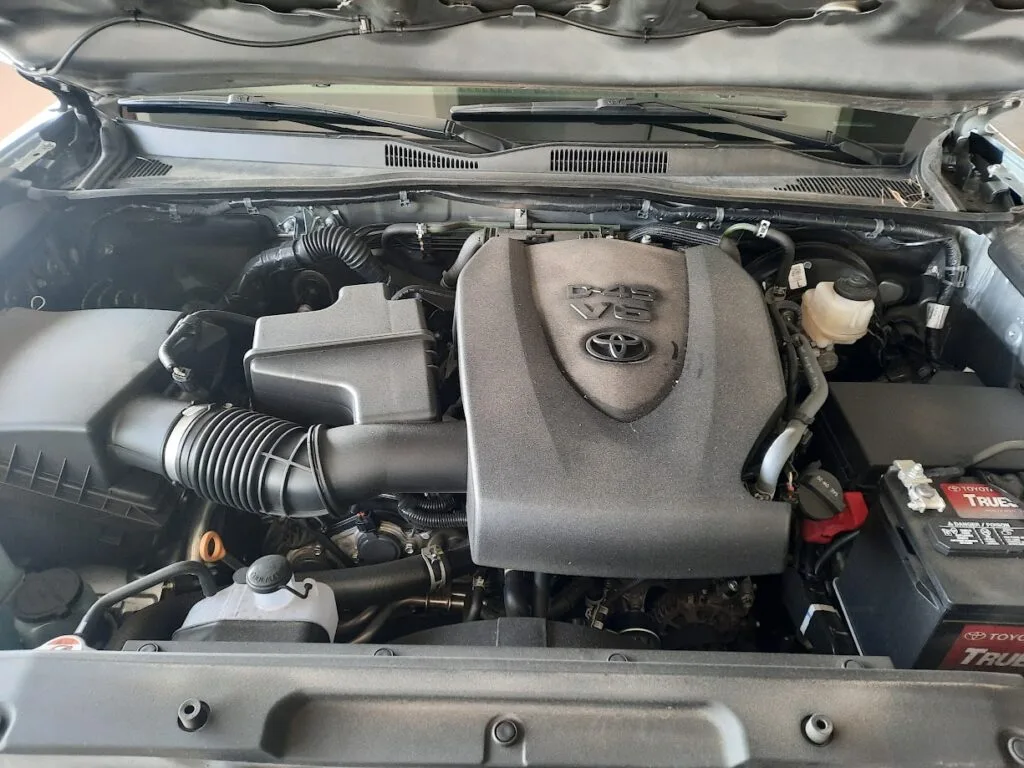
Image source: Web (Bing) / tacomaexplorer.com (Web image (fair-use with source credit))
Quick Answer
The factory recommendation for the 2013 Toyota Tacoma is SAE 5W-30. That's the safe bet. The 2.7L engine holds about 5.5 quarts.
The 4.0L V6 holds about 6.0 quarts. Both need oil meeting API SN certification or newer. You can use conventional, synthetic blend, or full synthetic.
Just make sure the viscosity matches. If you live in extreme cold, 0W-20 is an acceptable alternative. But 5W-30 is the standard.
Why Getting the Right Oil Matters for Your 2013 Tacoma
The Tacoma's 2TR-FE and 1GR-FE engines were built with tight tolerances. Toyota designed them around specific oil flow characteristics. When you pour in the wrong viscosity, you change how the oil behaves at startup and under load.
Too thick in cold weather, and the oil struggles to reach the top end. Too thin in summer heat, and the protective film breaks down.
The oil doesn't just reduce friction. It carries heat away from the pistons, cleans deposits, and seals the gap between rings and cylinder walls. The wrong oil compromises all of that.
We've seen Tacomas come into shops with sludged-up valvetrains because someone used a heavy 10W-40 thinking "more is better." The 2013 Tacoma is forgiving, but not that forgiving. Stick with what the engineers specified.
What Happens When You Use the Wrong Oil
- Cold start wear: Thicker oil moves slower. Every startup without proper lubrication shaves miles off the engine.
- Overheating: Oil that's too thin for summer temperatures loses its ability to cushion bearings.
- Sludge buildup: Non-certified oils or extended intervals allow varnish and deposits to form.
- Reduced fuel economy: The wrong viscosity makes the engine work harder. You lose 1 to 2 mpg easily.
- Warranty issues: If your truck still has a Toyota Certified Used Vehicle warranty, incorrect oil type can void claims.
The Two Engines and Their Oil Needs: 2.7L vs. 4.0L
The 2013 Tacoma came with two engine choices. They share the same oil recommendation but have different personalities.
The 2.7L 2TR-FE Four-Cylinder
This engine is a workhorse. It's not fast, but it's bulletproof. It runs cooler than the V6 and tends to be easier on oil.
Many owners report minimal oil consumption between changes, even past 150,000 miles. The 2.7L takes about 5.5 quarts with a filter change. It handles 5W-30 perfectly.
The 4.0L 1GR-FE V6
This is where most of the conversation happens. The 1GR-FE is known for being reliable, but it's also known for consuming a bit of oil as mileage adds up. Expect to check it every 1,000 to 2,000 miles once you're past 100,000 miles.
It holds about 6.0 quarts. The V6 runs hotter than the four-cylinder, especially under load. That makes oil quality more important.
| Engine | Displacement | Capacity (with filter) | Recommended Viscosity |
|---|---|---|---|
| 2.7L 2TR-FE | 2.7 liters | 5.5 quarts | SAE 5W-30 |
| 4.0L 1GR-FE | 4.0 liters | 6.0 quarts | SAE 5W-30 |
Both engines use the same oil filter thread and drain plug size. The V6 needs an extra half quart.
Understanding Viscosity: 5W-30 vs. 0W-20 vs. 10W-30
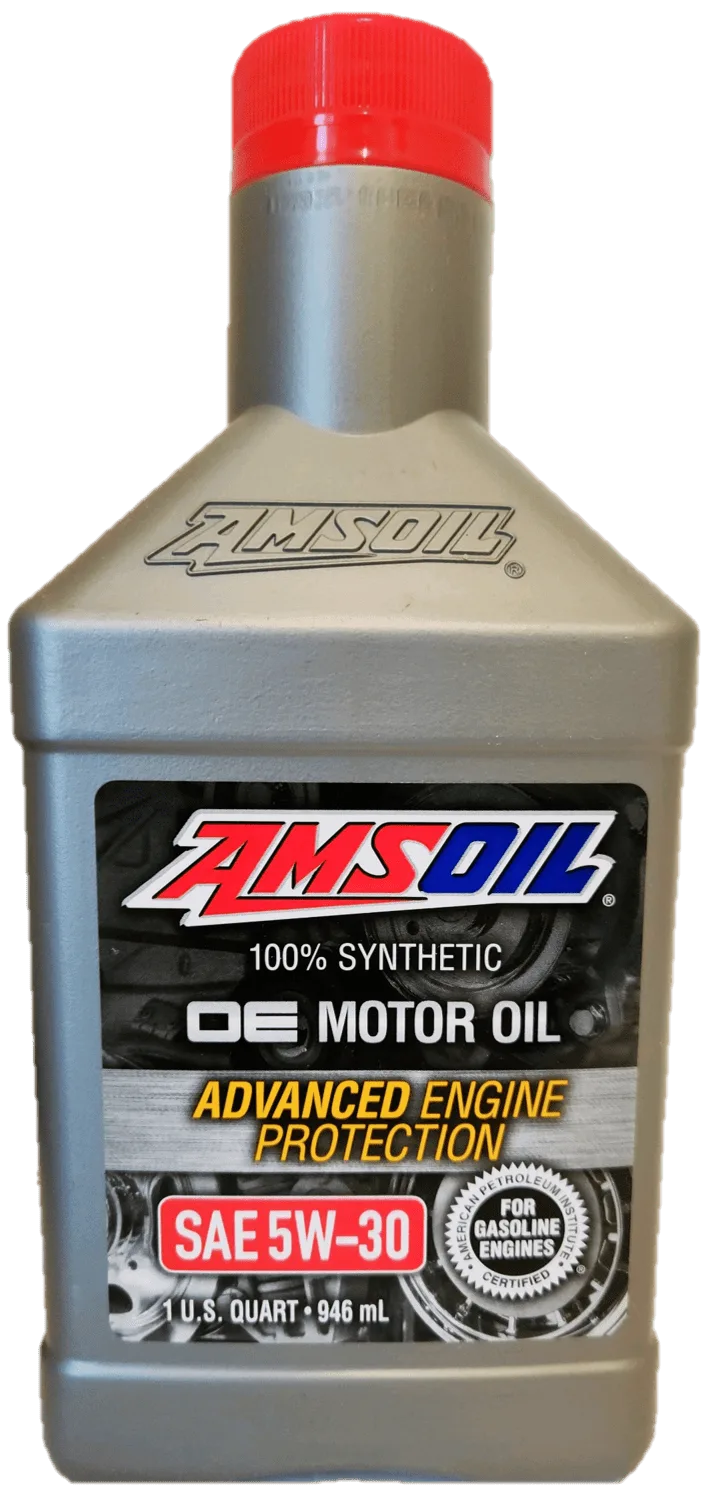
Image source: Web (Bing) / pqia.org (Web image (fair-use with source credit))
Viscosity measures how easily oil flows at different temperatures. The "5W" stands for winter. It tells you how the oil behaves when the engine is cold.
The lower the number, the thinner the oil at freezing temperatures. The "30" tells you how it acts at full operating temperature.
5W-30 (The Standard)
This is the factory recommendation. It's a middle-ground viscosity that works from below freezing up to hot summer days. The 5W rating means it flows well enough at cold starts to protect the engine quickly.
The 30 rating means it stays thick enough at operating temperature to maintain oil pressure. It's the safe choice for almost every driving condition.
0W-20 (The Fuel Economy Option)
Some owners recommend 0W-20 for better cold starts and slightly improved fuel economy. Toyota has moved toward 0W-20 in newer models. But for the 2013 Tacoma, it's not the official spec.
The thinner oil can work in mild climates or for short trips. But under heavy load, towing, or in hot weather, it may not provide enough film strength.
10W-30 (The Hot Climate Option)
This is thicker at startup than 5W-30. It's fine for high-mileage engines in desert climates. Some owners with oil consumption issues switch to 10W-30 to slow leakage past worn rings.
But it's not recommended for cold weather.
Which Viscosity Should You Use?
- Most drivers: 5W-30 conventional or synthetic blend. No need to overthink it.
- Extreme cold (below -20°F): 0W-20 full synthetic.
- Hot climate + high mileage: 10W-30 synthetic blend.
- Towing or off-roading regularly: 5W-30 full synthetic.
Conventional, Synthetic Blend, or Full Synthetic – What's Actually Best?
The 2013 Tacoma doesn't require synthetic oil. But it would still benefit from it. Let's break down each option.
Conventional Oil
This is what came in the truck from the factory. It works fine for the standard 5,000-mile oil change interval. It's cheap.
But it breaks down faster under high heat and doesn't handle extreme cold as well.
Synthetic Blend
This is a mix of conventional and synthetic base stocks. It offers better protection than straight conventional without the full synthetic price tag. For most Tacoma owners, this is the sweet spot.
Full Synthetic
Full synthetic oils are engineered from uniform molecules that resist breakdown, sludge, and thermal degradation. They flow better at low temperatures and maintain film strength at high temperatures. For Tacomas used for towing, off-roading, or living in extreme climates, full synthetic is worth the extra cost.
| Oil Type | Cost per Quart | Protection Level | Best For |
|---|---|---|---|
| Conventional | $3 to $5 | Adequate | Low-mileage, mild climates |
| Synthetic Blend | $5 to $7 | Good | Most daily drivers |
| Full Synthetic | $7 to $10 | Excellent | Towing, heat, cold, high mileage |
How Mileage Changes Your Oil Choice (The High-Mileage Factor)
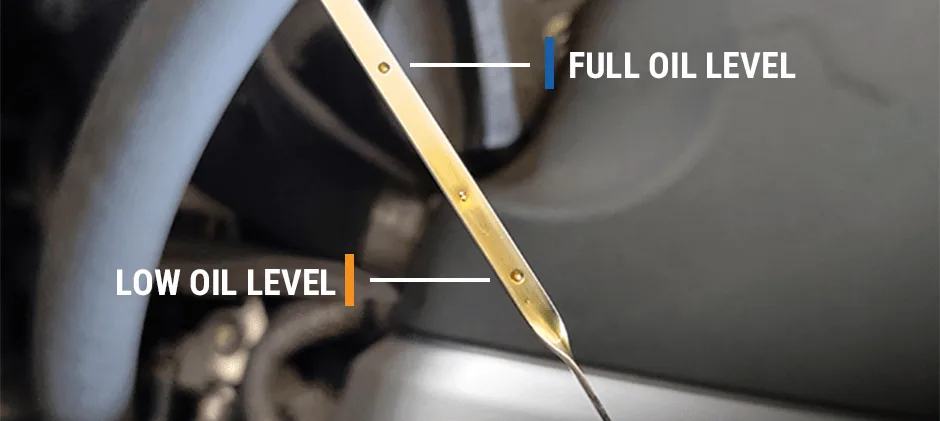
Image source: Web (Bing) / fridayparts.com (Web image (fair-use with source credit))
Once your Tacoma passes 75,000 to 100,000 miles, the engine changes. Seals harden. Rings wear slightly.
Clearances open up.
What High-Mileage Oil Does
High-mileage oils contain conditioners that help re-swell aged seals. They reduce oil consumption and slow leaks. They also have higher detergent levels to clean built-up deposits.
For the 2013 Tacoma, especially the 4.0L V6, switching to a high-mileage synthetic blend around 100,000 miles is a common recommendation.
When to Switch
- 75,000 to 100,000 miles: Consider a high-mileage synthetic blend.
- 100,000+ miles: High-mileage full synthetic is worth it if you tow or live in extreme temperatures.
- If you see visible leaks or smoke at startup: Switch to high-mileage oil immediately.
Your Climate and Driving Habits Matter More Than You Think
The same Tacoma behaves differently in Phoenix versus Anchorage. The oil needs to match where and how you drive.
Cold Climates (Below 20°F)
When temperatures drop, conventional 5W-30 thickens noticeably. Consider switching to 0W-20 full synthetic during winter months. It pumps faster at startup and reduces the time the engine runs without full lubrication.
Hot Climates (Above 90°F)
Heat thins oil and accelerates oxidation. In desert climates, a full synthetic 5W-30 handles the heat better than conventional. If you're towing in the heat, that synthetic protection becomes even more important.
Towing and Off-Roading
Towing pushes engine temperatures higher. Conventional oil breaks down faster under sustained heavy load. A full synthetic 5W-30 provides better film strength and thermal stability.
Oil change intervals should drop to 3,000 to 4,000 miles for severe off-road use.
Short Trips vs. Highway Driving
Short trips where the engine never fully warms up allow moisture and fuel to accumulate in the crankcase. If most of your driving is under 10 miles, change the oil every 3,000 miles with conventional or 5,000 with synthetic. Highway driving is the easiest life for an engine.
Step-by-Step: How to Pick the Right Oil for Your Specific Tacoma
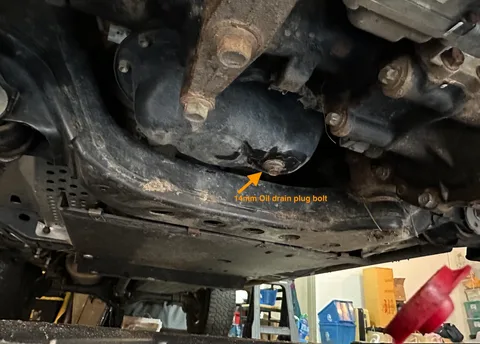
Image source: Web (Bing) / tacomavibes.com (Web image (fair-use with source credit))
Follow these steps and you won't second-guess yourself.
Step 1: Check Your Owner's Manual
The manual specifies SAE 5W-30 with API SN certification or newer. That's your baseline.
Step 2: Consider Your Climate
- Cold winters (below 20°F): Consider 0W-20 full synthetic for winter months.
- Hot summers (above 90°F): Stick with 5W-30, preferably synthetic blend or full synthetic.
- Mild year-round: 5W-30 conventional or synthetic blend. No changes needed.
Step 3: Evaluate Your Driving
- Mostly highway commuting: Conventional or synthetic blend at standard intervals.
- Towing or hauling weekly: Full synthetic 5W-30. Change every 4,000 to 5,000 miles.
- Off-road frequently: Full synthetic. Change every 3,000 to 4,000 miles.
- Short trips only: Synthetic blend or full synthetic. Change every 3,000 to 4,000 miles.
Step 4: Check Your Mileage
- Under 75,000 miles: Conventional or synthetic blend is fine.
- 75,000 to 100,000 miles: Consider switching to high-mileage synthetic blend.
- Over 100,000 miles: High-mileage full synthetic is a smart upgrade.
Step 5: Pick the Right Brand
Any major brand that meets API SN or SP certification works. Toyota Genuine Motor Oil is a safe bet. Avoid off-brand oils that lack API certification.
The certification seal on the bottle matters more than the brand name.
Step 6: Don't Forget the Filter
Use a quality oil filter. The OEM Toyota filter (part 04152-YZZA1) is the gold standard. Cheap filters with paper end caps or weak bypass valves can fail and starve the engine of oil.
Common Mistakes Tacoma Owners Make with Oil
Even experienced owners slip up.
Using the Wrong Viscosity
The biggest mistake is assuming thicker oil is better for high-mileage engines. The 1GR-FE V6 was designed around 5W-30. Jumping to 10W-40 doesn't help.
It just delays oil flow at startup and can increase wear.
Overfilling the Engine
Too much oil causes foaming. The oil pump picks up air instead of fluid. That leads to low oil pressure and accelerated wear.
Fill to the mark and stop.
Ignoring the Oil Filter
Some owners replace the oil but reuse the old filter. That traps old contaminants in the system. The filter costs under $10.
Replace it every time.
Sticking to the Same Oil Type for 200,000 Miles
Your Tacoma at 30,000 miles and your Tacoma at 150,000 miles have different needs. High-mileage oil exists for a reason. As seals age, the oil formulation should change.
Skipping Oil Changes
Even the best oil breaks down. The owner's manual recommends 5,000-mile intervals for normal service and 3,000 to 4,000 for severe service. Most Tacoma driving qualifies as severe service.
Oil Capacity, Filter Part Numbers, and Torque Specs
Here are the exact numbers for a DIY oil change.
Capacities
| Engine | Oil Capacity (with filter) |
|---|---|
| 2.7L 2TR-FE | 5.5 quarts |
| 4.0L 1GR-FE | 6.0 quarts |
Oil Filter
- OEM part number: 04152-YZZA1 or 04152-38020
- Thread size: M20 x 1.5
- Torque: 18 ft-lbs (hand tight plus 3/4 turn)
Drain Plug
- Size: 14mm
- Crush washer part number: 90430-12031
- Torque: 29 ft-lbs
Never reuse the old crush washer. It deforms during installation and won't seal properly the second time.
Expert Tips: What Experienced Tacoma Owners and Mechanics Recommend
Warm the Engine Before Draining
Run the engine for two to three minutes before draining. Warm oil flows faster and carries more suspended contaminants out with it.
Prime the New Oil Filter
Fill the new filter with fresh oil before installing it. This reduces the time the engine runs without oil pressure after startup. The 1GR-FE V6 is especially sensitive to dry starts.
Track Your Oil Consumption
Check the dipstick every 1,000 miles. If you're adding more than a quart between changes, something is changing. It might be time for high-mileage oil or a mechanic's inspection.
Don't Trust the Dashboard Light
The low oil pressure light comes on when damage is already happening. Check the level manually. Visual dipstick checks are the only reliable method.
When to Seek Professional Help
If you see metal flakes in the drained oil, stop driving immediately. That indicates internal bearing or component wear.
If oil pressure stays low after a fresh oil change, there could be a clogged pickup tube or a failing oil pump.
If the engine develops a tick or knock after an oil change, the wrong viscosity or a blocked filter could be the cause. Have it checked.
Frequently Asked Questions
Can I use 0W-20 in my 2013 Tacoma?
Yes, but only in specific conditions. 0W-20 works well in extreme cold, below negative 20 degrees Fahrenheit. In moderate climates or for towing, stick with 5W-30. The thinner oil doesn't provide enough film strength under heavy load.
How often should I change the oil in my 2013 Tacoma?
Toyota recommends every 5,000 miles for normal service. For severe service, which includes towing, off-roading, extreme temperatures, or short trips, drop to every 3,000 to 4,000 miles.
Is synthetic oil worth it for a 2013 Tacoma?
It depends on your goals. Full synthetic handles heat better, flows better in cold, and lasts longer. If you plan to keep the truck past 200,000 miles, synthetic is a smart investment.
For a daily driver you'll sell in a few years, conventional or synthetic blend is fine.
What happens if I use the wrong oil type?
Using the wrong viscosity can cause cold-start wear, overheating, and sludge buildup. Using non-certified oil can void any remaining warranty. Stick with API SN or SP certified 5W-30.
Does the 2013 Tacoma burn oil?
The 4.0L V6 is known for modest oil consumption as mileage adds up. Expect to add a quart between changes once you pass 100,000 miles. The 2.7L four-cylinder uses less oil.
Regular dipstick checks catch it early.
Should I use high-mileage oil?
Switch to high-mileage oil around 75,000 to 100,000 miles. It contains seal conditioners that reduce oil consumption and slow leaks. It's especially helpful for the 4.0L V6, which tends to develop small leaks as the seals age.