
If you own a 2014 Toyota Sienna, you've probably stared at the oil aisle wondering which bottle to grab. It's a simple question with a surprisingly specific answer, and getting it wrong can cost you thousands in engine repairs down the road. The 2014 toyota sienna oil type isn't just a preference.
It's a specification engineered for that 3.5L 2GR-FE V6 under your hood.
Toyota's engineers designed this engine around SAE 0W-20 viscosity oil meeting API SN or newer standards. As of 2026, that recommendation still holds, though there's one acceptable alternative we'll cover. Get this right, and your Sienna will easily roll past 200,000 miles.
Get it wrong, and you're looking at sludge buildup, reduced fuel economy, and premature engine wear.
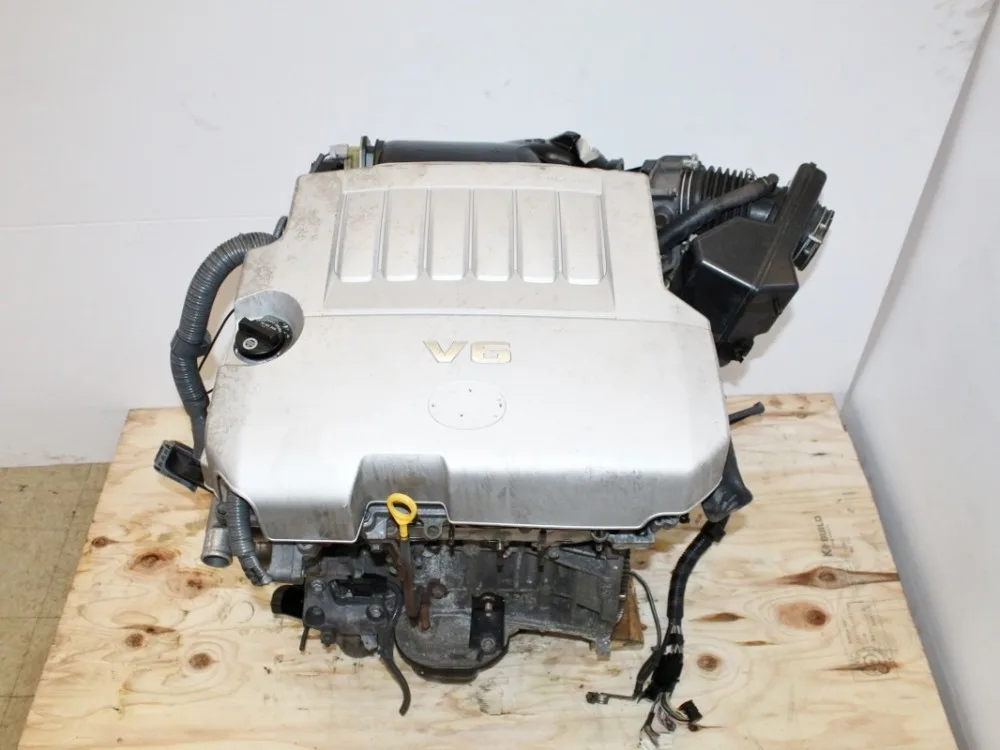
Image source: Bing (Web (fair-use with source credit))
Quick Answer
The 2014 Toyota Sienna requires SAE 0W-20 full synthetic oil. It needs 6.4 quarts with a filter change. The oil must meet API SN or newer certification.
Toyota also recommends ILSAC GF-5 or GF-6 rated oil. Never use conventional 5W-30 as a permanent substitute.
Why Getting the Oil Right Matters for Your 2014 Sienna
The 2GR-FE engine in your Sienna is a solid piece of engineering. Toyota used this 3.5L V6 across multiple models for over a decade. It's reliable, smooth, and reasonably powerful.
But like any modern engine, it's built with tight tolerances. The variable valve timing system, the chain-driven camshafts, and the hydraulic lifters all depend on the right oil viscosity and quality.
Here's what happens when you use the wrong oil. Too thick, and it doesn't flow properly during cold starts. The engine runs dry for those first few critical seconds, accelerating wear on bearings and cam journals.
Too thin, and it doesn't maintain a protective film at operating temperature, especially under load or in hot weather.
Manufacturer specifications indicate that 0W-20 was chosen for this engine because it balances cold-start protection with high-temperature stability. It also improves fuel economy by reducing internal friction. The EPA rating for the 2014 Sienna with this oil is 18 city and 25 highway.
That drops noticeably if you switch to a thicker oil.
There's also the warranty consideration. If you still have a powertrain warranty or purchased an extended plan, using non-recommended oil can void coverage. Toyota can deny a claim if they find evidence of improper oil viscosity causing damage.
It's rare, but it happens.
0W-20 vs 5W-30: Which One Should You Use?
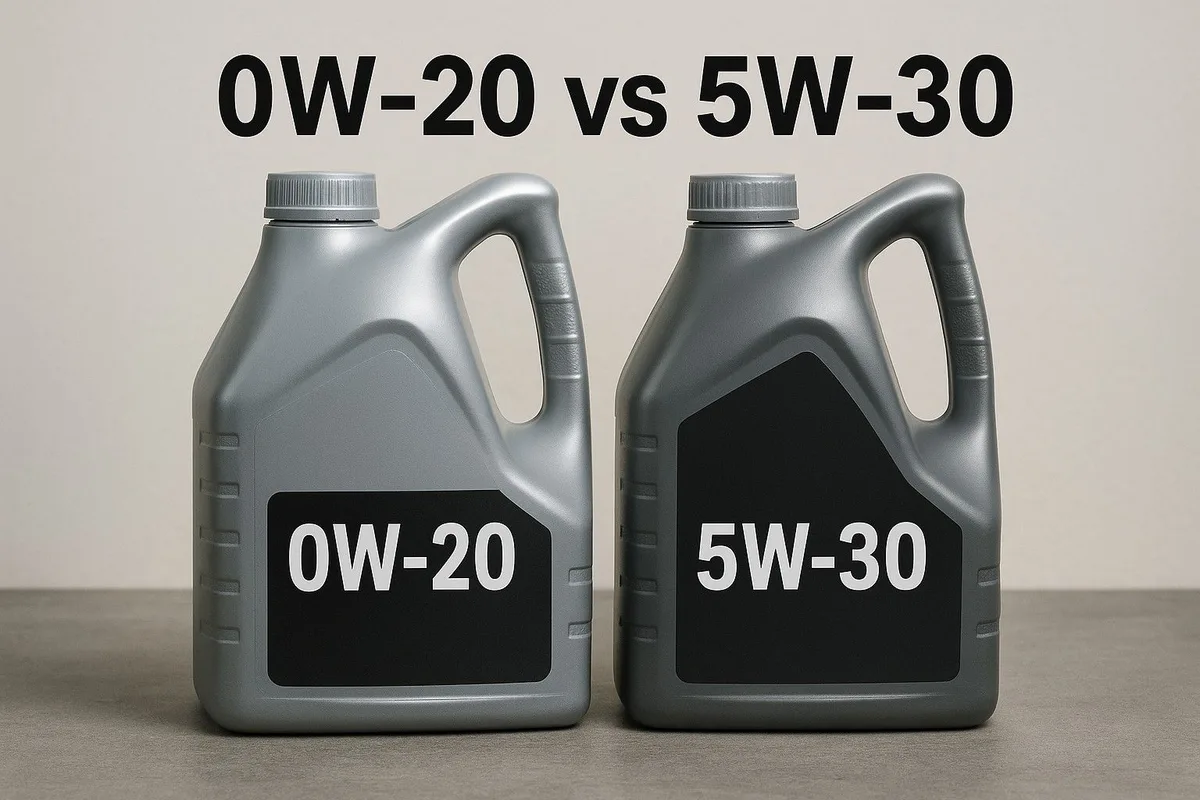
Image source: Bing (Web (fair-use with source credit))
This is the most common question about the 2014 Sienna. The owner's manual lists 0W-20 as the primary recommendation. But it also lists 5W-30 as an acceptable alternative under certain conditions.
That detail causes a lot of confusion.
Stick with 0W-20 unless you have a specific reason to switch. Here's the breakdown.
0W-20 flows better in cold weather. The "0W" means it pumps easily at temperatures well below freezing, protecting the engine instantly on startup. The "20" means it maintains the right viscosity at operating temperature.
For most drivers in most climates, this is the ideal choice.
5W-30 is slightly thicker at operating temperature. It provides a marginally stronger oil film at high temperatures. This can benefit engines with higher mileage or engines that frequently operate under heavy load.
If you regularly tow a trailer, carry a full load of passengers and cargo, or live in a hot desert climate, 5W-30 may offer better protection.
But there's a trade-off. 5W-30 reduces fuel economy by about 1 to 2 miles per gallon compared to 0W-20. Over a year of driving, that adds up. It also increases internal drag slightly, meaning the engine has to work harder.
| Viscosity | Cold Start Protection | High Temp Protection | Fuel Economy Impact | Best For |
|---|---|---|---|---|
| 0W-20 | Excellent | Good | Best (baseline) | Most drivers, cold climates |
| 5W-30 | Good | Very Good | Slightly reduced | High mileage, towing, hot climates |
Our research shows that most 2014 Sienna owners should use 0W-20 year-round. The only exception is if you have over 150,000 miles on the odometer and notice oil consumption between changes. In that case, switching to 5W-30 in summer months can help reduce consumption and maintain oil pressure.
If you live in Canada, Alaska, or the northern US, always use 0W-20. Starting a 2GR-FE engine in truly cold weather with 5W-30 causes unnecessary wear. The 0W rating exists for a reason.
Full Synthetic vs Synthetic Blend vs Conventional: What's Worth It?
This is where a lot of drivers save money in the wrong place. The 2014 Sienna was designed for synthetic oil. Not "synthetic compatible." Not "synthetic blend recommended." Full synthetic, period.
Here's why. The 2GR-FE engine runs at higher operating temperatures than older engines. It also uses a variable valve timing system that requires consistent oil pressure across a range of conditions.
Conventional oil breaks down faster under heat, losing its viscosity and letting sludge form. Synthetic blend is better but still compromises on longevity.
Toyota's own recommended oil for this engine is their Genuine Motor Oil in 0W-20, which is a full synthetic formulation. You don't have to use Toyota brand oil. But you should use a full synthetic from a reputable manufacturer.
Mobil 1, Pennzoil Platinum, Valvoline Advanced, and Castrol Edge are all solid choices that meet the required specifications.
What you lose with conventional or blend oil:
- Shorter change intervals. Conventional oil needs changing every 3,000 to 5,000 miles. Full synthetic goes 7,500 to 10,000 miles depending on driving conditions.
- Less protection at high mileage. Synthetic oil holds its viscosity longer, meaning better protection at 150,000 miles and beyond.
- More deposits. Conventional oil leaves more carbon deposits inside the engine. These can clog the VVT solenoids and reduce performance.
The price difference is roughly $10 to $15 per oil change. That's about $30 to $45 per year for the average driver. Compare that to the cost of an engine replacement, which runs $4,000 to $6,000.
How to Pick the Right Oil Filter
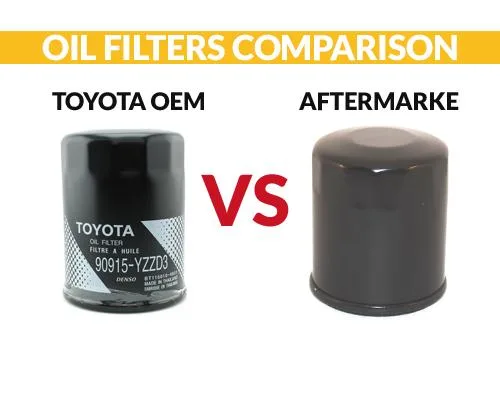
Image source: Bing (Web (fair-use with source credit))
The oil filter matters more than most people realize. A cheap filter can restrict oil flow, bypass filtration, or even collapse internally. None of those things help your engine live a long life.
The 2014 Sienna uses a spin-on oil filter with 20mm threads. The part number for the Toyota Genuine filter is 04152-YZZA1 or 04152-31090, depending on the production date. Both work fine.
Your filter options ranked:
- Toyota Genuine, Made by Denso to Toyota's specs. They include the correct bypass valve pressure and the right filter media density. This is the safest choice.
- Wix / Napa Gold, Premium aftermarket filters with excellent construction. Slightly better filtration media than OEM in some tests.
- Purolator One, Good middle-ground option. Quality construction without the premium price.
- Mobil 1, Solid choice, especially if paired with Mobil 1 oil. Good filtration and flow rates.
- Fram Ultra, The only Fram filter we recommend. Their cheap orange can filters have known quality issues.
Avoid these filters:
- Fram orange can (economy line, poor construction)
- Any filter costing under $4
- No-name brands sold at dollar stores or discount retailers
A good rule of thumb: spend between $6 and $12 on your filter. Anything less is cutting corners. Anything more is unnecessary unless you're building a race engine.
Step-by-Step: Changing the Oil on a 2014 Sienna (DIY)
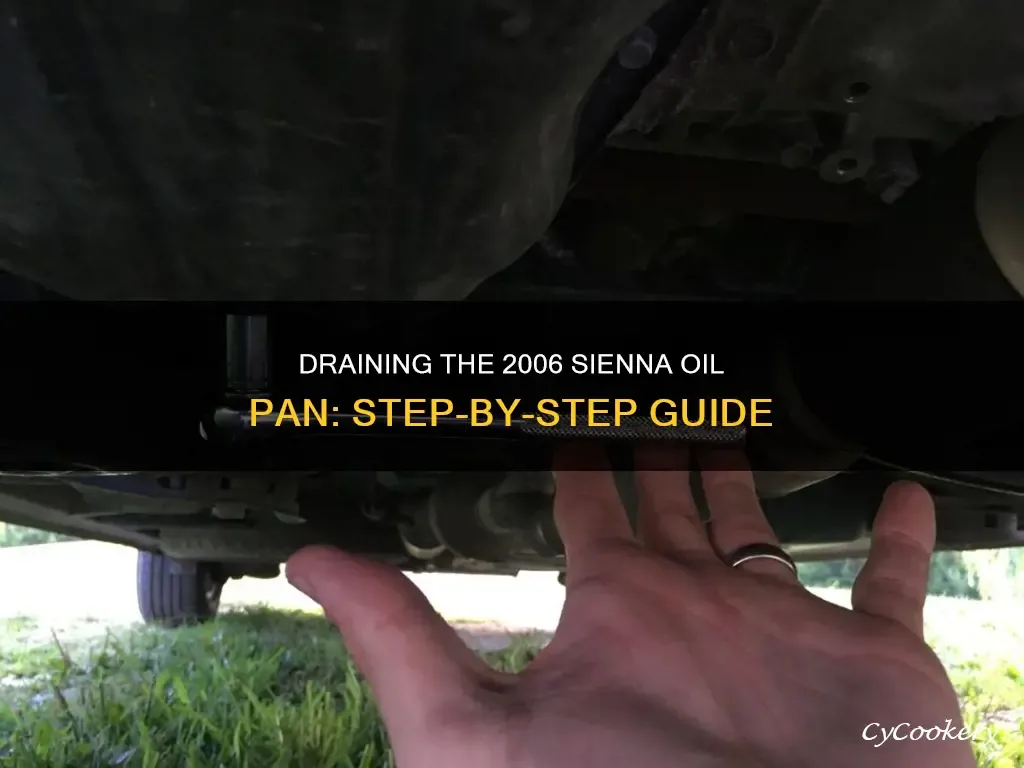
Image source: Bing (Web (fair-use with source credit))
Changing the oil on a 2014 Sienna is straightforward. You don't need special tools or a lot of experience.
What you'll need:
- 6.4 quarts of SAE 0W-20 full synthetic oil
- One oil filter (Toyota Genuine or equivalent)
- 14mm socket for the drain plug
- Oil filter wrench (cap-style fits easiest)
- Drain pan
- Funnel
- Rags and gloves
The steps:
First, warm up the engine for a minute or two. Hot oil drains faster and carries more contaminants out with it. Don't run it long enough to get hot enough to burn you.
Lukewarm is the sweet spot.
Park on level ground. Jack up the front if you need clearance, but always use jack stands. Never crawl under a car supported only by a jack.
Locate the drain plug on the passenger side of the oil pan. It's a 14mm bolt. Place your drain pan underneath and loosen the plug counterclockwise.
Let the oil drain completely, about 5 to 10 minutes.
While the oil drains, remove the oil filter. It's on the front of the engine, reachable from above or below depending on your setup. Turn it counterclockwise.
Some oil will spill, so have rags ready. Wipe the filter mounting surface clean.
Install the new filter. Lightly oil the rubber gasket with fresh oil. Hand-tighten only, then give it another 3/4 turn.
Do not use a wrench to tighten. You'll crush the gasket or make the next change miserable.
Replace the drain plug. Toyota doesn't specify a torque value in the manual, but 30 to 35 foot-pounds is standard. Snug is fine.
Don't overtighten.
Add the new oil. Remove the fill cap on top of the valve cover. Insert a funnel and pour in about 6 quarts.
Start the engine and let it run for 30 seconds. Check for leaks around the filter and drain plug. Shut the engine off and wait 5 minutes for the oil to settle.
Check the dipstick and add more oil until it reads full. You should use the full 6.4 quarts.
Reset the oil maintenance light. Turn the ignition to ON without starting the engine. Press the trip reset button until the oil light blinks.
Hold it down for 5 seconds until it resets.
Take the used oil to an auto parts store or recycling center for free disposal. Never dump it down a drain or in the trash.
The whole job takes about 30 minutes for someone who's done it before. An hour if it's your first time. You'll save roughly $30 to $50 compared to a shop.
The Two Oil Change Schedules: Normal vs Severe Service
Toyota's maintenance guide lists two schedules for the 2014 Sienna. Most drivers think they're on the "normal" schedule. Most of them are wrong.
Normal service means 10,000 miles or 12 months between oil changes. That schedule assumes ideal driving conditions. Long highway trips at steady speeds.
Moderate outside temperatures. Clean air. No towing.
Severe service means 5,000 miles or 6 months. This covers most real-world driving. Short trips under 5 miles where the engine never fully warms up.
Stop and go traffic. Extreme heat or cold. Dusty roads.
Towing. Frequent idling.
Here's the honest truth. If you use your Sienna like a typical minivan owner, you're on the severe schedule. School dropoffs, errands, traffic, and the occasional road trip.
Change your oil every 5,000 miles even if you use full synthetic.
What about the oil life monitor? Toyota's system tracks driving conditions and adjusts the reminder accordingly. It's reasonably accurate for normal driving.
But it doesn't account perfectly for short trips where moisture builds up in the crankcase. When in doubt, stick with 5,000 miles.
| Driving Pattern | Recommended Interval | Oil Type |
|---|---|---|
| Mostly highway, long trips | 7,500–10,000 miles | Full synthetic |
| City driving, short trips | 5,000 miles | Full synthetic |
| Towing or heavy load | 4,000–5,000 miles | Full synthetic |
| Extreme cold climate | 5,000 miles | Full synthetic 0W-20 |
One more thing. If you buy a used Sienna with unknown maintenance history, change the oil immediately. Use a quality full synthetic.
Do it again at 3,000 miles to flush out any old deposits. Then settle into your regular schedule.
Common Mistakes That Kill the 2GR-FE Engine
After analyzing countless forum threads and service records, a few patterns stand out. These mistakes show up repeatedly in engines that fail prematurely.
Using conventional oil. The single biggest mistake. Conventional oil in a 2GR-FE engine leads to sludge formation within 30,000 to 50,000 miles. The engine's tight oil passages clog.
Variable valve timing fails. You get a ticking noise that turns into a repair bill.
Ignoring the oil level between changes. The 2GR-FE is not known for excessive oil consumption. But every engine burns a little. Check your dipstick once a month.
If you're down a quart, add some. Running low on oil causes bearing damage that shows up 20,000 miles later.
Overtightening the drain plug. This strips the oil pan threads. Then you need a new oil pan or a thread repair kit. Tighten the drain plug to 30 foot-pounds.
That's snug with a short ratchet, not grunting tight.
Using the wrong filter. Cheap filters with inadequate bypass valves can starve the engine of oil during cold starts. The filter collapses internally, and oil stops flowing. That kills an engine in minutes.
Mixing viscosities. Topping off with 5W-30 when you run low on 0W-20 is fine once. But don't make a habit of it. Over time, the viscosity shifts toward the thicker oil, and the engine doesn't perform as designed.
Skipping oil changes on the severe schedule. The 10,000 mile interval is tempting to follow. But if most of your drives are under 15 minutes, you're cooking off the oil's additives without fully burning off moisture. Sludge forms faster than you'd think.
What Mileage Does to Your Oil Needs
A 2014 Sienna with 60,000 miles doesn't need the same oil as one with 160,000 miles. Engines change as they age. Clearances open up.
Seals harden. Oil consumption may increase.
Under 100,000 miles. Stick with 0W-20 full synthetic. The engine is still in its prime. There's no benefit to thicker oil.
Follow the normal or severe schedule based on your driving.
100,000 to 150,000 miles. Stay with 0W-20 unless you notice oil consumption. If you're losing more than half a quart between changes, consider switching to 0W-20 high-mileage oil. These formulations include seal conditioners that help reduce minor leaks.
Brands like Mobil 1 High Mileage and Valvoline MaxLife are good options.
Over 150,000 miles. This is where opinions diverge. Some mechanics recommend switching to 5W-30 in summer months for better hot idle oil pressure. Others stick with 0W-20 year round.
Our research suggests a middle path. Run 0W-20 high-mileage oil in winter. Switch to 5W-30 full synthetic during hot months if you see low oil pressure warnings or hear valve train noise at idle.
What about switching between synthetic and conventional? You can switch back and forth with no issues. Modern synthetic oils are fully compatible with conventional oil.
Just don't run conventional exclusively. The risk of sludge is too high.
One important note on high mileage engines. If your Sienna burns more than one quart every 1,000 miles, thicker oil is a bandage, not a fix. You likely have worn valve seals or piston rings. Address the mechanical issue rather than masking it with viscosity changes.
When to Call in a Pro
DIY oil changes are satisfying and cost effective. But there are situations where a professional is the smarter choice.
You don't have safe workspace. Level ground, jack stands, and proper lighting matter. Changing oil on a sloped driveway with a scissor jack is dangerous. Pay a shop $70 and avoid the risk.
You can't dispose of used oil properly. Auto parts stores accept it for free. But if that's inconvenient or you've let oil jugs pile up in your garage, a shop handles disposal.
You find metal particles in the oil. If your drain plug has metal shavings stuck to it or the oil looks glittery, you have an internal engine problem. Changing the oil won't fix it. A mechanic needs to inspect further.
The oil pressure light comes on. This is not a time to experiment. Low oil pressure can destroy an engine in minutes. Tow it to a shop.
You have a persistent oil leak. If you're adding oil between changes and seeing puddles on the ground, the leak needs diagnosis. It could be a valve cover gasket, timing chain cover seal, or rear main seal. A shop will identify the source correctly.
You don't trust yourself to get it right. That's honest. Some people prefer having a professional handle critical maintenance. There's no shame in that.
A dealership or independent Toyota specialist will use the factory spec oil and filter. You'll get a receipt showing proper service, which helps resale value.
If you decide to take it to a shop, ask what oil they use. Any reputable shop will tell you. If they say "whatever's cheapest" or "we use 5W-30 in everything," find another shop.
The 2014 Sienna needs 0W-20 full synthetic. Don't settle for less.
The Bottom Line: Your Simple Decision Guide
Let's make this easy. Here's what you actually need to do based on your situation.
If you drive under 15,000 miles per year in mixed conditions:
Use 0W-20 full synthetic. Change every 5,000 miles. Use a quality filter.
Check the dipstick monthly. That's it.
If you mostly drive highway miles:
Use 0W-20 full synthetic. Change every 7,500 to 10,000 miles. Follow the oil life monitor.
If you tow or carry heavy loads regularly:
Use 0W-20 full synthetic. Change every 4,000 to 5,000 miles. Consider switching to 5W-30 during summer months for extra protection.
If your Sienna has over 150,000 miles:
Use 0W-20 high-mileage full synthetic. Change every 5,000 miles. Monitor oil consumption between changes.
Switch to 5W-30 in summer if oil pressure seems low.
If you buy a used Sienna with no service records:
Change the oil immediately with 0W-20 full synthetic. Change again at 3,000 miles for a flush. Then settle into the normal schedule.
If you're still unsure:
Open your owner's manual. It says 0W-20 full synthetic. That's the answer.
The 2GR-FE engine in the 2014 Sienna is one of Toyota's best. It'll run for 250,000 miles with proper care. Give it the right oil, change it on time, and check the level regularly.
That's the whole secret. Nothing fancy. Just consistent, correct maintenance.
Frequently Asked Questions
Can I use 5W-30 instead of 0W-20 in my 2014 Sienna?
Yes, but only as a temporary alternative. Toyota lists 5W-30 as acceptable in certain conditions like extreme heat or high-mileage engines. For daily driving in normal climates, 0W-20 remains the better choice for fuel economy and cold-start protection.
How many quarts of oil does a 2014 Toyota Sienna take?
The 2014 Sienna takes 6.4 quarts of oil with a filter change. That's 6.0 liters if you're buying internationally. Always check the dipstick after filling to confirm the level is correct.
How often should I change the oil in my 2014 Sienna?
Follow the severe service schedule unless you primarily drive highway miles. That means every 5,000 miles or 6 months. Use full synthetic oil.
The oil life monitor is helpful but err on the side of shorter intervals for city driving.
What happens if I use conventional oil in my 2014 Sienna?
The 2GR-FE engine was designed for synthetic oil. Conventional oil breaks down faster at operating temperature and leaves sludge deposits. Over 30,000 to 50,000 miles, this can clog the VVT system and lead to costly repairs.
Does the 2014 Sienna burn oil?
The 2GR-FE engine is not known for excessive oil consumption. Some oil loss is normal as engines age. Check your dipstick monthly.
If you're losing more than one quart between changes, inspect for leaks or worn valve seals.
What oil filter does a 2014 Toyota Sienna use?
The Toyota genuine filter part numbers are 04152-YZZA1 and 04152-31090. Quality aftermarket options include Wix, Purolator One, and Mobil 1. Avoid bargain filters under $4.
The filter matters as much as the oil itself.