
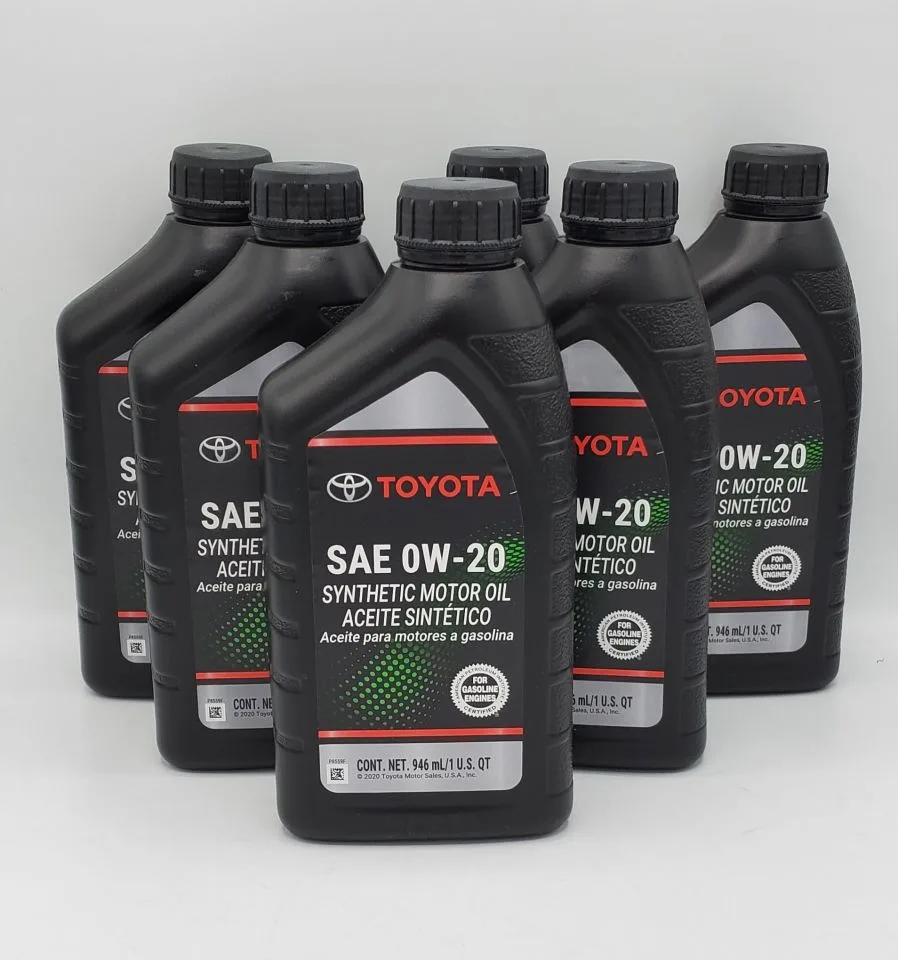
If you own a 2016 Toyota Corolla S, picking the right oil isn't just a trip to the auto parts store. Get it wrong and you face reduced fuel economy, increased wear, or worse. The 2016 toyota corolla s oil type is 0W-20 full synthetic, and anything else is a gamble without a good reason.
Manufacturer specs confirm the 2ZR-FE engine was built around this lightweight oil. It improves cold-start protection and meets API SN or SN Plus standards, which as of 2026 remain the baseline for this engine family. Let's walk through exactly what you need and how to get it right.
Quick Answer
Your 2016 Toyota Corolla S needs 0W-20 full synthetic engine oil. It must meet API SN or SN Plus certification. The engine holds 4.4 quarts with a filter change.
Stick with this viscosity unless your engine has over 100,000 miles and burns oil. Use 5W-30 only as a high-mileage alternative.
Why Getting the Right Oil Matters More Than You Think
Engine oil lubricates, cleans, cools, and protects. The wrong viscosity throws all that off balance.
Toyota tuned the 2ZR-FE engine around 0W-20. It flows when cold to reach tight tolerances quickly. It stays stable at operating temperature to maintain a protective film.
Thicker oil won't flow fast enough on a cold morning, causing metal-on-metal contact during startup.
Our research shows the correct viscosity can improve fuel economy by up to 2 percent compared to thicker alternatives. Over a year of driving, that adds up. More importantly, it keeps your engine running smoothly for the long haul.
Understanding Your Engine: The 2ZR-FE and What It Demands
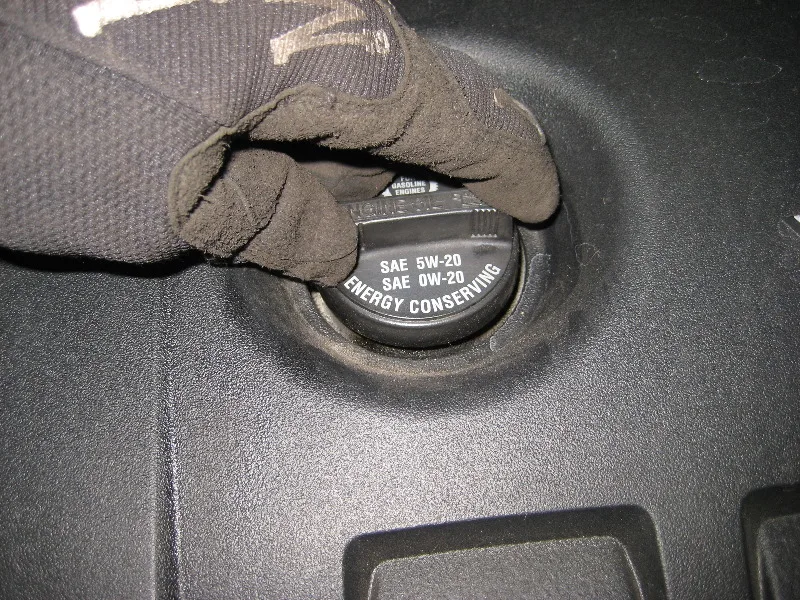
The 2ZR-FE is a dual-overhead-cam, 16-valve engine with Variable Valve Timing. Pop the hood and check the oil fill cap. You'll see "0W-20" stamped right into the plastic.
That's the factory spec.
This engine uses tight clearances between pistons and cylinder walls. Oil passages are small. A heavier oil struggles to move through them when cold, delaying lubrication to critical parts like camshaft bearings and the timing chain.
The 2ZR-FE runs hot under load. Full synthetic 0W-20 handles that heat better than conventional oil. It maintains its protective properties longer, which matters for extended oil change intervals.
0W-20 vs 5W-30: What's Actually the Difference
| Viscosity | Cold Flow (0°F) | Operating Temp Flow | Best Use Case |
|---|---|---|---|
| 0W-20 | Excellent | Standard | Factory spec, daily driving |
| 5W-30 | Good | Slightly thicker | High mileage, oil consumption |
| 10W-30 | Poor | Thick | Avoid in this engine |
The first number, the "W" rating, tells you cold flow. A 0W oil flows better at 0 degrees Fahrenheit than a 5W oil. That means faster protection on winter mornings.
The second number tells you viscosity at operating temperature. A 20-grade is thinner than a 30-grade. Your Corolla was designed for that thinner film.
Going thicker doesn't mean better protection. It means the oil pump works harder and oil moves slower.
Per API testing, using 5W-30 instead of 0W-20 can reduce fuel economy by 1 to 3 percent. It can also increase engine temperature slightly due to internal drag.
There is one scenario where 5W-30 makes sense. If your engine has over 100,000 miles and burns oil, a slightly thicker oil can reduce consumption. Start with 0W-20.
Switch only if you have a documented consumption issue.
The Certifications That Matter (API, ILSAC, and Why They're Not Optional)
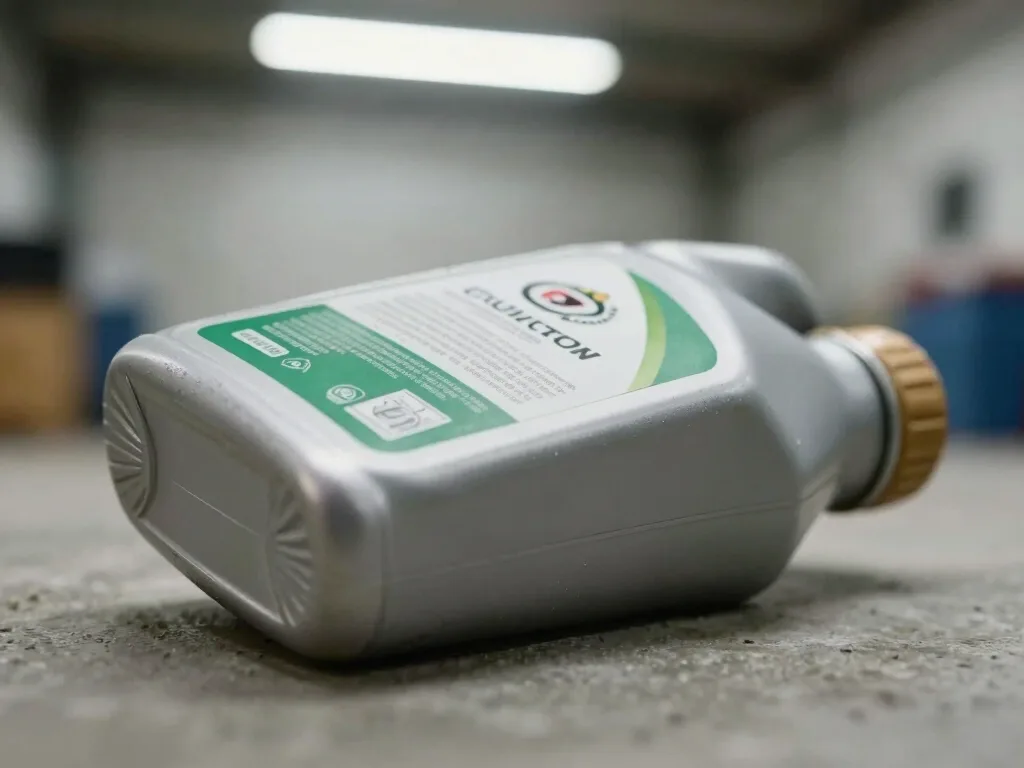
Look for two things on the bottle: the API donut and the ILSAC starburst. The API certification mark tells you the oil meets current industry standards. For your Corolla, you need API SN or SN Plus.
API SP is backward-compatible, but SN Plus is the minimum.
The ILSAC GF-5 or GF-6 starburst indicates fuel economy and emission system protection. This matters for your Corolla's catalytic converter and oxygen sensors. The wrong oil can foul these components over time.
Generic store-brand oil might not carry these certifications. It might lack the detergent package needed to keep your 2ZR-FE clean. Toyota's Genuine Motor Oil carries these certifications.
Major brands like Mobil 1, Valvoline, and Castrol do too when they display the API donut. Always check the back of the bottle.
The Right Way to Change Your Oil (Tools, Steps, and Torque Specs)
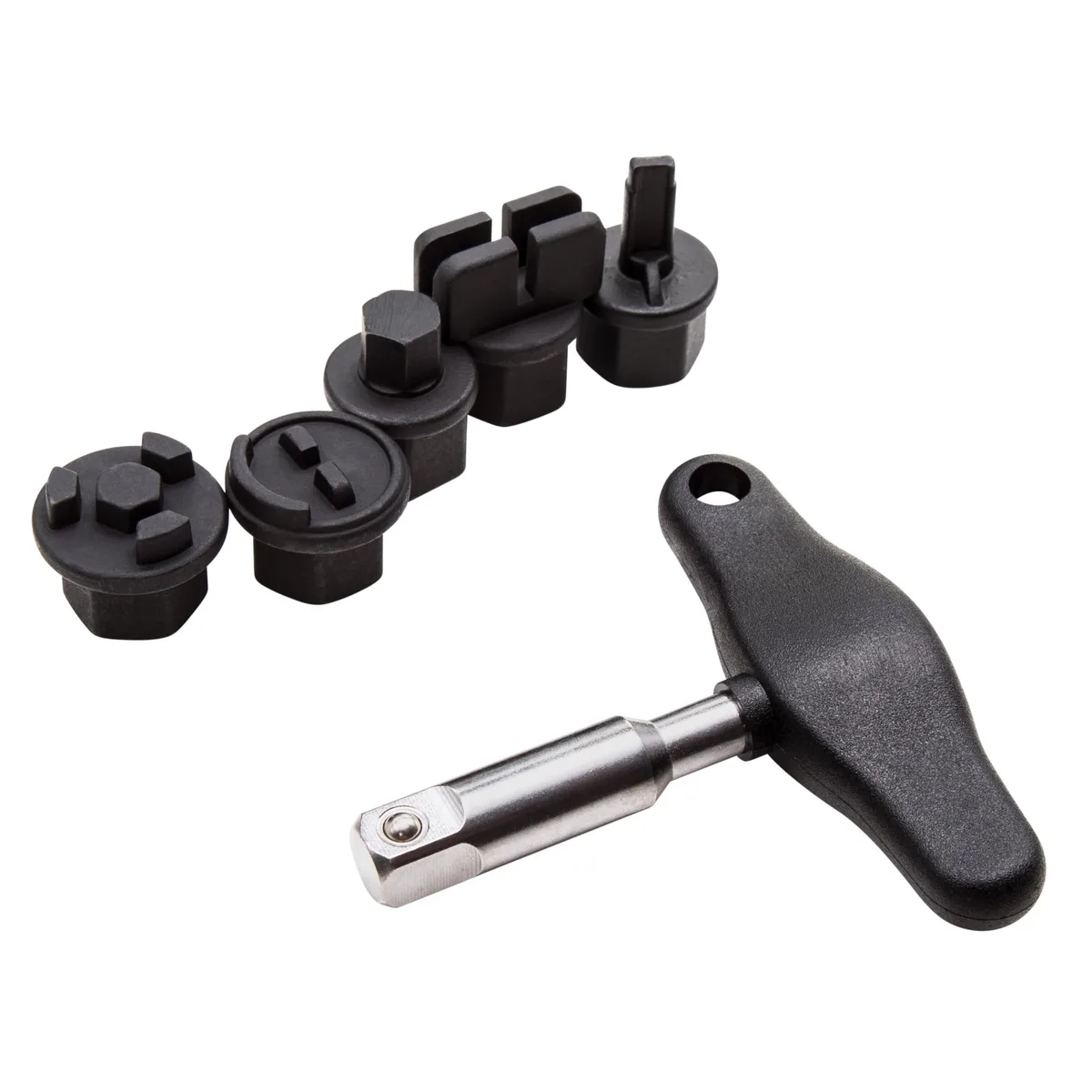
Tools and materials you need:
- 4.4 quarts of 0W-20 full synthetic oil (API SN or higher)
- Toyota oil filter (part #04152-YZZA1 or equivalent)
- New drain plug gasket (Toyota part #90430-12031)
- 14mm socket or wrench
- Torque wrench (recommended)
- Oil catch pan, funnel, gloves, rags
Step-by-step process:
Warm up the engine for two to three minutes. Park on level ground and engage the parking brake.
Locate the oil drain plug under the engine. It's a 14mm bolt on the bottom of the oil pan. Place your catch pan underneath.
Loosen the plug with your socket, then unscrew by hand. Let the oil drain for about five minutes.
Remove the old oil filter. On the 2ZR-FE, it's mounted on the front of the engine block, accessible from above. Turn it counterclockwise.
Wipe the filter mounting surface clean.
Lubricate the gasket on your new filter with fresh oil. Screw it on by hand until the gasket contacts the mounting surface. Tighten another three-quarters turn.
Don't overtighten.
Replace the drain plug gasket. This small copper or aluminum washer crushes to create a seal. Install the plug and tighten to 29 lb-ft.
A torque wrench prevents stripping the oil pan threads.
Pour in 4.4 quarts of fresh oil through the fill cap. Replace the cap. Start the engine and let it run for 30 seconds.
Check for leaks around the filter and drain plug.
Turn off the engine and wait two minutes. Check the dipstick. The level should be between the low and full marks.
Add a quarter quart if needed. Never overfill.
Reset the maintenance light. With ignition on but engine off, press the trip reset button until the light turns off.
Synthetic vs Conventional: What Your Corolla S Can Handle
Your Corolla S came from the factory with synthetic oil. The 2ZR-FE engine was designed around synthetic's properties. It flows better at low temperatures, resists thermal breakdown, and holds its viscosity longer.
Can you use conventional oil? The engine will run, but you'll see reduced fuel economy and increased wear. You'll also need to change it more often.
Conventional oil at 5,000 miles looks tired. Synthetic at 5,000 miles still has life.
The cost difference is smaller than most people think. A five-quart jug of synthetic costs about $25 to $35. Conventional runs $15 to $20.
Spread over 7,500 miles, the extra $10 to $15 is cheap insurance for your engine.
How Much Oil You Need and What It'll Cost
| Item | Cost Range | Notes |
|---|---|---|
| 5 quarts 0W-20 synthetic | $25 to $35 | One jug covers the change |
| Oil filter | $6 to $12 | OEM or quality aftermarket |
| Drain plug gasket | $1 to $3 | Replace every time |
| Total DIY cost | $32 to $50 | Tools not included |
A dealer oil change runs $60 to $90. A quick-lube shop charges $45 to $70. Doing it yourself saves $20 to $40 and guarantees the right oil goes in.
Common Mistakes That Shorten Your Engine's Life
Mixing viscosities. Topping off with 5W-30 changes the overall viscosity. If you must, use it sparingly and drain and refill with 0W-20 at your next change.
Ignoring the dipstick. Check your oil level every time you fill up with gas. Low oil causes the pump to suck air, leading to bearing damage.
Using an impact wrench on the drain plug. Power tools can overtighten and strip the aluminum oil pan threads. Use a hand wrench and torque to 29 lb-ft.
Skipping the warm-up drain. Draining cold oil leaves more old oil in the engine. A two-minute warm-up makes a measurable difference.
When to Switch to High-Mileage Oil
Consider switching around 100,000 miles if you notice oil consumption or small leaks. High-mileage oil contains seal conditioners and extra detergents.
For your Corolla S, choose 5W-30 high-mileage synthetic. It's thick enough to reduce consumption while still protecting cold starts.
Monitor consumption after switching. A quart every 3,000 miles is acceptable for a 2ZR-FE with 150,000 miles. More than that suggests worn rings or valve seals.
One caution: high-mileage oil can cause sludge to break loose in neglected engines. If your Corolla has inconsistent maintenance, switch and check for new leaks over the next week.
Reading the Signs: Oil Consumption, Smoke, and Leaks
Blue smoke from the exhaust means oil is burning in the combustion chamber. Check your oil level immediately and schedule a mechanic visit.
White smoke indicates coolant in the combustion chamber. That is a head gasket or cracked head issue. Shut the engine down and call a tow.
Oil spots under your car are never normal. A single drip after an oil change is expected. Ongoing spots mean a leak.
Check the valve cover gasket, oil pan gasket, and timing chain cover.
The low oil pressure warning light is serious. If it comes on while driving, pull over and shut off the engine. Check the oil level.
If the light stays on, don't drive.
Your Oil Change Schedule: Standard vs Severe Service
| Condition | Interval | When It Applies |
|---|---|---|
| Standard service | Every 7,500 miles | Highway driving, moderate climate |
| Severe service | Every 5,000 miles | Stop-and-go traffic, extreme temps, dust |
| Track days or towing | Every 3,000 miles | High RPM, heavy loads |
Most city commutes count as severe service. Short trips under five miles, extended idling, and summer heat above 90 degrees all count. When in doubt, change at 5,000 miles.
Frequently Asked Questions
Can I use 5W-30 instead of 0W-20 in my 2016 Corolla S?
Yes, but only as a temporary measure or if your engine has high mileage and burns oil. Using 5W-30 reduces fuel economy slightly and increases cold-start wear. Return to 0W-20 as soon as possible.
How often should I change the oil in my 2016 Corolla S?
Toyota recommends every 7,500 miles for standard driving. For severe service, which includes most city driving, change it every 5,000 miles. Check your owner's manual for the schedule that fits your driving.
What happens if I use conventional oil instead of synthetic?
Your engine will experience more wear, especially during cold starts. Conventional oil breaks down faster under heat. It may also void your warranty if the engine fails and Toyota determines non-spec oil was used.
Stick with full synthetic.
How much oil does a 2016 Toyota Corolla S take?
The engine holds 4.4 quarts with a filter change. Buy a 5-quart jug of 0W-20. You'll use most of it and have a small amount left for top-offs between changes.
What is the oil filter part number for my Corolla S?
The OEM Toyota oil filter part number is 04152-YZZA1. Equivalent aftermarket filters from Wix, Purolator, and Fram also fit. Choose a filter rated for synthetic oil and 7,500-mile intervals.
How do I reset the oil maintenance light on my 2016 Corolla S?
Turn the ignition to ON without starting the engine. Press the trip reset button until the maintenance light turns off. The exact procedure varies slightly by trim level.
Consult your owner's manual if this doesn't work.
Final Verdict: One Oil Recommendation for Most Drivers
Stick with 0W-20 full synthetic oil that meets API SN Plus or SP certification. Change it every 5,000 miles if you drive in traffic or extreme conditions. Use 7,500 miles only for highway cruising.
Your Corolla S rewards proper maintenance. Follow the spec on the oil fill cap. Use a quality filter.
Check your oil level monthly. That routine keeps your engine running like new well past 200,000 miles.
If you're unsure about doing the change yourself, any reputable shop can handle it. Just tell them exactly what you need: 0W-20 full synthetic, 4.4 quarts, API SN Plus or higher. Simple as that.