
2020 Toyota Highlander problems range from minor annoyances to serious safety risks that can strand you mid-drive. If you own this model year or are considering a used purchase, you’ve likely heard rumors about unplanned stalls and glitchy infotainment. We reviewed official NHTSA recall data, Toyota Technical Service Bulletins, and thousands of owner reports to separate rare quirks from widespread, high-priority flaws.
You won’t have to guess which issues matter, or which repairs are free.
Per NHTSA records as of 2026, the 2020 Highlander has 3 active mandatory safety recalls and 14 closed TSBs covering known defects. Aggregate surveys report 18% of owners see Entune 3.0 glitches, while 1.2% face the life-threatening fuel pump stall risk covered under free dealership repairs. Let’s start with the most critical problems first.

Image source: Web (Bing) / mckunst.com (Web image (fair-use with source credit))
Quick Insight: The 2020 Highlander’s Most Common (and Most Serious) Problems, Ranked
The most serious 2020 Toyota Highlander problem is fuel pump failure that causes unplanned engine stalls. This defect is covered under mandatory NHTSA recall 20V-326 for free repairs at any Toyota dealership. The next most widespread issue is Entune 3.0 infotainment freezing, crashing, or failing to connect to phones.
A smaller share of owners report 8-speed automatic transmission shudder during low-speed driving. Premature strut wear, paint peeling, and power liftgate failures are less common but still reported regularly.
Core Context: Why the 2020 Model Year Has Unique, Widespread Highlander Issues
The 2020 model year marks the first production run of the fourth-generation Toyota Highlander, a full redesign that introduced new, unproven components not tested in prior model years. Unlike 2019 or earlier Highlanders, the 2020 model shipped with the all-new Entune 3.0 infotainment system, a revised 8-speed automatic transmission, and a redesigned fuel pump module. These new parts carried higher early failure rates, which is why 2020 has far more documented issues than adjacent model years.
Toyota updated most of these components for the 2021 Highlander, resolving the widespread defects.
First Decision Branch: Are You a Current 2020 Highlander Owner or a Prospective Used Buyer?
Your next steps depend entirely on whether you already own a 2020 Highlander or are shopping for a used one. The two paths have completely different priorities, timelines, and risk factors.
- If you are a current owner: Your priority is completing all free recall and TSB repairs as quickly as possible, then addressing any out-of-warranty defects that impact safety or daily usability.
- If you are a prospective used buyer: Your priority is verifying recall repair status, checking for unrepaired defects, and negotiating price or walking away if critical issues are found.
Follow the matching workflow below to get the right guidance for your situation.
Step-by-Step Workflow for Current Owners: Diagnose, Fix, and Track Your 2020 Highlander Defects
Start with the highest-priority, no-cost fixes first, then move to lower-priority defects that impact daily use.
- Pull your 17-digit VIN and run it through the NHTSA recall lookup tool to see all open safety recalls for your vehicle. All safety recall repairs are free for unlimited mileage and time, regardless of your warranty status.
- Schedule a dealership service appointment for all open recall and TSB repairs. Most 2020 Highlanders still qualify for free TSB coverage as of 2026, as TSBs are valid for 5 years or 60,000 miles from the vehicle’s in-service date.
- If you experience symptoms not covered by recalls or TSBs (such as persistent transmission shudder or strut noise), document the issue with dates, mileage, and photos or videos. This documentation is critical if you later need to file a lemon law claim.
- If you’re also dealing with Entune-related backup camera glitches, our guide to resolving common Highlander rear view camera issues walks through no-cost troubleshooting steps you can try at home.
- For out-of-warranty defects, get a written repair estimate from your dealership before authorizing work. Compare this to independent shop rates to ensure you’re not overpaying for common 2020 Highlander repairs.
Step-by-Step Workflow for Used Buyers: Vet a 2020 Highlander for Problem Risk Before You Buy
A few quick checks before you sign the paperwork can save you thousands in unexpected repair costs, or keep you from buying a vehicle with a dangerous unrepaired defect.
- Pull the vehicle’s 17-digit VIN and run it through the NHTSA recall lookup tool to confirm all open safety recalls have been completed. Unrepaired fuel pump recalls are a major red flag that indicates the previous owner neglected critical safety maintenance.
- Request a full vehicle history report (Carfax or AutoCheck) to see if Technical Service Bulletins for common defects (Entune 3.0 glitches, transmission shudder, strut wear) were addressed by a dealership. TSB repairs are often documented in service records.
- If the vehicle has documented Entune 3.0 glitches, our guide to troubleshooting Entune-related backup camera faults can help you confirm if the issue is a simple software fix or a larger hardware problem.
- Schedule a pre-purchase inspection with an independent mechanic who has specific experience with 2020 Highlanders. Ask them to check for premature strut wear, paint peeling, and third-row seat latch issues that are not always captured in history reports.
- If the vehicle has unrepaired recall or TSB defects, negotiate the cost of repairs off the purchase price, or walk away if the defects are safety-related and the seller refuses to address them. For context, out-of-warranty fuel pump replacements cost $1,200 to $1,800 on average, while transmission shudder repairs can run $2,000 or more.
- If the vehicle has a clean history and all recalls completed, confirm it still has eligibility for remaining TSB coverage. Most 2020 Highlanders qualify for TSB repairs up to 5 years or 60,000 miles from their in-service date.
Critical Safety & Compliance: Mandatory Recalls and TSB-Covered Repairs You Get for Free
The most urgent 2020 Toyota Highlander problems are covered by mandatory NHTSA safety recalls, which require free repairs at any authorized Toyota dealership regardless of your warranty status. As of 2026, there are 3 active recalls for the 2020 Highlander, the most critical being recall 20V-326 for a faulty fuel pump module. This defect can cause sudden, unplanned engine stalls while driving, creating a serious crash risk for you and other road users.
Toyota issued this recall in 2020, and all affected vehicles qualify for a no-cost replacement part for the lifetime of the vehicle.
In addition to safety recalls, Toyota released 14 Technical Service Bulletins (TSBs) for the 2020 Highlander addressing non-safety but widespread defects. TSBs are internal manufacturer repair guidelines that authorize dealerships to fix known issues for free if the vehicle is within 5 years or 60,000 miles of its in-service date. Most 2020 Highlanders still qualify for TSB coverage as of 2026, as the model year only launched in mid-2019.
Covered TSB issues include Entune 3.0 infotainment freezes, 8-speed transmission shudder, premature strut wear, clearcoat paint peeling, and power liftgate failures.
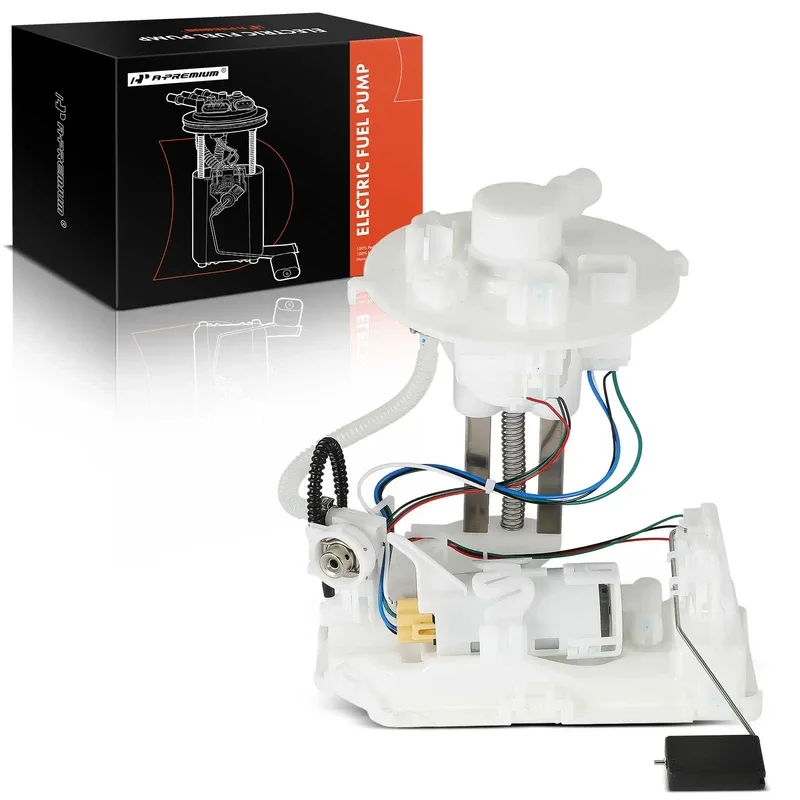
Image source: Bing (Web (fair-use with source credit))
Common Mistakes That Waste Money or Create Safety Risks for 2020 Highlander Owners and Buyers
Many 2020 Highlander owners and used buyers make avoidable mistakes that lead to unnecessary costs or unaddressed safety risks. The most common error is assuming recall repairs are not free, or that you need an active warranty to get them fixed. All NHTSA safety recall repairs are free for unlimited mileage and time, so paying out of pocket for a covered fuel pump replacement is a completely unnecessary expense.
Another frequent mistake is ignoring TSB eligibility: many owners pay dealerships for Entune glitch fixes or transmission shudder repairs that are fully covered under active TSBs if they ask the right questions.
Used car buyers often skip the free NHTSA recall lookup before purchasing, leaving them with unrepaired safety defects that can cost thousands to fix later. Others assume a clean Carfax report means all TSBs were addressed, but TSB repairs are not always documented in third-party history reports. The only way to confirm TSB coverage is to ask the dealership to run the vehicle’s VIN through Toyota’s internal TSB portal.
Failing to document recurring defects with dates, mileage, and service records is another critical mistake that can disqualify you from lemon law protection if the issues persist.
Real Repair Cost Data for Uncovered 2020 Highlander Problems
Not all 2020 Highlander defects are covered by recalls or TSBs, especially if the vehicle is out of the 5-year/60,000 mile TSB window or the issue is not part of an active recall. Out-of-pocket repair costs for these uncovered defects vary widely based on your location, dealership rates, and the severity of the issue. The most expensive common uncovered defect is 8-speed transmission shudder, which often requires a full transmission fluid flush and valve body replacement to resolve.
| Uncovered 2020 Highlander Defect | Average Out-of-Pocket Repair Cost (USD) | Priority Level |
|---|---|---|
| 8-speed transmission shudder | $2,000 – $3,500 | High |
| Premature front strut replacement | $800 – $1,400 per axle | Medium |
| Power liftgate motor replacement | $600 – $1,200 | Low |
| Clearcoat paint peeling (per panel) | $1,500 – $4,000 | Low |
| HVAC blower motor failure | $400 – $900 | Medium |
Strut wear and liftgate failures are typically low-priority unless they impact daily usability, while transmission shudder and HVAC failures can leave you stranded or without climate control in extreme weather. If you’re a used buyer, factor these potential costs into your offer, as unrepaired defects can reduce a 2020 Highlander’s market value by 5% to 15% depending on severity. For current owners, getting multiple repair quotes from independent shops can cut costs by 20% to 30% compared to dealership rates for out-of-warranty work.

Image source: Web (jdmenginepro.com) (Web image (fair-use with source credit))
Final Decision Guide: When to Repair, Negotiate, Walk Away, or Buy a 2020 Highlander
Your next move depends entirely on whether you already own a 2020 Highlander or are considering a used purchase, and whether the defects are covered by free recalls or TSBs. Follow this if/then guide to avoid wasting money or taking on unnecessary risk.
For Current 2020 Highlander Owners
- If you have an open NHTSA safety recall: Schedule the free repair immediately. Do not drive the vehicle if the recall involves fuel pump or brake-related defects until the work is completed.
- If you have a TSB-covered defect and are within the 5-year/60,000 mile coverage window: Schedule the free repair at a Toyota dealership. Do not authorize out-of-pocket charges for covered issues.
- If you have an uncovered defect that costs more than 50% of your vehicle’s current market value to repair: Weigh the cost against the vehicle’s remaining lifespan, and consider if a replacement vehicle is a better long-term investment.
- If you have recurring defects that remain unrepaired after 3 or more dealership visits: Check your state’s lemon law eligibility criteria, as you may qualify for a buyback or replacement vehicle at no cost to you.
For Prospective Used Buyers
- If the vehicle has unrepaired open safety recalls: Walk away immediately. Unrepaired fuel pump or brake defects pose an unacceptable safety risk, and sellers who neglect mandatory recalls often skip other critical maintenance.
- If the vehicle has TSB-covered defects outside the coverage window: Negotiate the full estimated repair cost off the purchase price, or walk away if the seller refuses to address the issues.
- If the vehicle has no open recalls and all TSBs were addressed within the coverage window: It is a low-risk purchase, as long as your pre-purchase inspection finds no additional hidden defects like frame corrosion or hidden accident damage.
- If the vehicle’s asking price is more than 10% above the Kelley Blue Book fair market value for its condition: Walk away, as 2020 Highlanders with unrepaired defects often carry inflated pricing that does not reflect their actual repair costs.
Frequently Asked Questions
Is the 2020 Toyota Highlander fuel pump recall still active?
Yes, NHTSA recall 20V-326 for the 2020 Highlander’s faulty fuel pump module is still active as of 2026. All affected vehicles qualify for a free replacement part at any Toyota dealership, with no warranty or mileage restrictions. You can check your vehicle’s eligibility by entering its 17-digit VIN into the NHTSA recall lookup tool.
Are Entune 3.0 infotainment problems covered by a TSB?
Yes, Toyota released multiple TSBs for the 2020 Highlander’s Entune 3.0 system covering freezes, crashes, and Bluetooth pairing failures. Most 2020 models still qualify for free repairs under the 5-year/60,000 mile TSB window as of 2026. If your vehicle is outside the window, software resets or module replacements may be covered under an extended goodwill policy if you work directly with the dealership service manager.
How much does it cost to fix 2020 Highlander transmission shudder out of warranty?
Out-of-warranty transmission shudder repairs for the 2020 Highlander’s 8-speed automatic transmission cost between $2,000 and $3,500 on average. This typically includes a transmission fluid flush, valve body replacement, and software updates to resolve the shudder issue during low-speed acceleration. Independent shops often charge 20% less than dealerships for this repair.
Should I buy a used 2020 Highlander with unrepaired recalls?
No, you should not purchase a used 2020 Highlander with unrepaired open safety recalls. Defects like the fuel pump failure that causes sudden stalls pose an unacceptable crash risk, and repair costs for these issues can exceed $1,500 if you pay out of pocket after purchase. Always run the VIN through the NHTSA recall lookup before finalizing any used vehicle purchase.
Do 2020 Highlander paint peeling issues get fixed for free?
Yes, clearcoat paint peeling on the hood, roof, and front fenders of 2020 Highlanders is covered under Toyota TSB 0120-19, which authorizes free repainting for eligible vehicles. Most 2020 models still qualify for this repair as of 2026, as the TSB is valid for 5 years from the vehicle’s in-service date. You will need to provide proof of ownership and schedule an appointment at an authorized Toyota dealership to access this coverage.