
If you've ever stood in the auto parts aisle staring at a wall of oil bottles wondering which one your RAV4 actually needs, you're not alone. The toyota rav4 engine oil capacity changes depending on the year you drive, the engine under the hood, and even whether it's a hybrid or a gas model. Getting it wrong can mean anything from a check-engine light to costly internal damage.
Manufacturer specifications show that a 2023 RAV4 Hybrid takes roughly 4.4 quarts of 0W-16 oil with a filter change, while a 2010 V6 model needs a full 6.2 quarts of 5W-30. That's nearly a two-quart swing between generations. And as of 2026, Toyota continues to update its oil recommendations to meet tighter fuel economy standards.
So let's walk through exactly what your specific RAV4 needs.
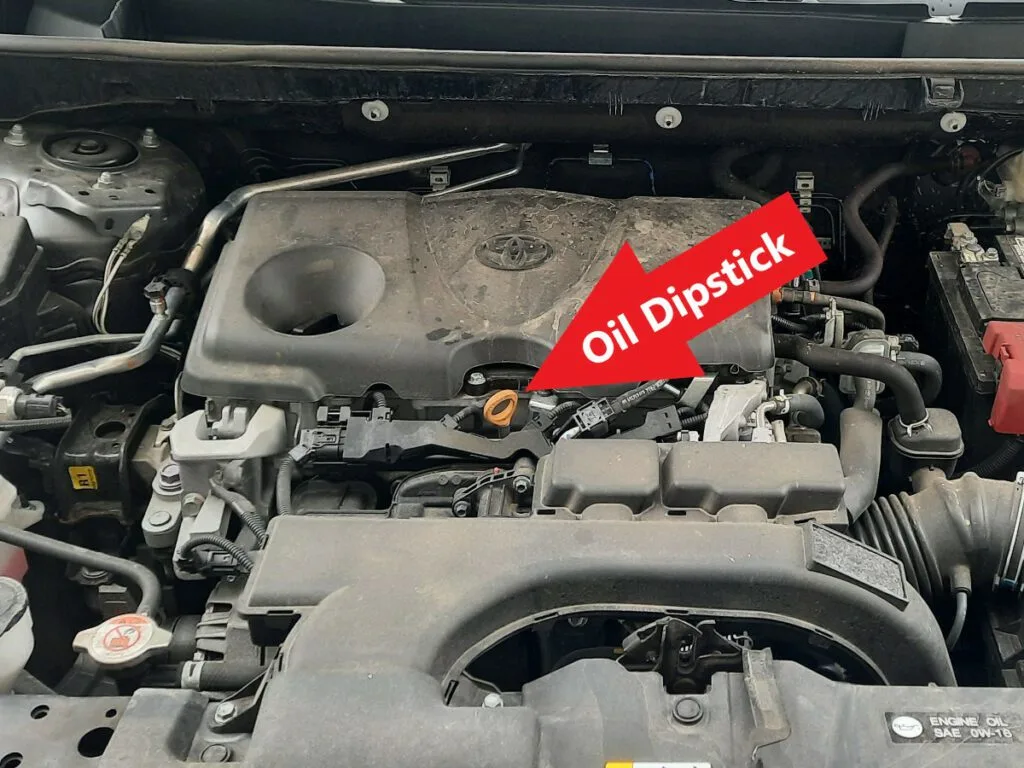
Image source: Web (Bing) / rav4resource.com (Web image (fair-use with source credit))
Quick Answer: How Much Oil Does a Toyota RAV4 Take?
If you drive a 2019 or newer RAV4 with the 2.5L four-cylinder gas engine, you need 4.8 quarts (4.5 liters) of 0W-16 full synthetic oil with a filter change. The hybrid version of the same generation takes 4.4 quarts (4.2 liters) of the same viscosity.
For older models, here's the breakdown:
- 2013, 2018 (XA40) 2.5L gas: 4.6 quarts of 0W-20
- 2006, 2012 (XA30) 2.5L gas: 4.6 quarts of 5W-30
- 2006, 2012 (XA30) 3.5L V6: 6.2 quarts of 5W-30
- 2001, 2005 (XA20) 2.0L gas: 3.9 quarts of 5W-30
- 2001, 2005 (XA20) 2.4L gas: 4.5 quarts of 5W-30
These numbers assume you're replacing the oil filter at the same time. The filter holds about 0.2 to 0.3 quarts depending on the model.
Why the Right Capacity Matters More Than You Think
Oil capacity isn't just a number in a manual. It directly affects how your engine runs and how long it lasts.
Overfilling is surprisingly common. People toss in a full five-quart jug without checking that their engine only takes 4.4 quarts. That extra half-quart raises oil pressure inside the crankcase.
The crankshaft starts whipping the oil into a froth, and aerated oil doesn't lubricate properly. You might notice rough idle, a check-engine light, or eventually, seal leaks where pressure forces oil past gaskets.
Underfilling is just as bad. Run a quart low and your oil pump can suck air during hard cornering or steep inclines. That means metal-on-metal contact in bearings and journals.
A few minutes of that can lead to rod knock or worse.
The right capacity ensures the oil pan holds enough fluid to keep the pickup tube submerged at all times, but leaves enough air space above for the crankshaft to spin without frothing. Engineers calculate this down to the tenth of a quart for a reason.
There's also the question of correct viscosity. Toyota has shifted toward lighter oils over the years to improve fuel economy. The 2026 model year RAV4 still specifies 0W-16 for most trims.
Pouring in heavier 5W-30 might not trigger a warning light immediately, but it will reduce fuel mileage and can cause sluggish flow during cold starts in northern climates.
If you're servicing a different Toyota model, you can check the right fluid values for the Toyota Highlander or look up what the Toyota Matrix needs.
Step 1: Identify Your RAV4 Generation and Engine
Before you buy a single quart of oil, you need to know exactly which RAV4 you own. Toyota has produced five distinct generations since 1994, but only the four most common ones in North America matter for oil capacity.

Image source: Web (Bing) / storage.googleapis.com (Web image (fair-use with source credit))
2019–Present (XA50): 2.5L Gas vs Hybrid
This is the current generation. It comes in two powertrain flavors:
- Gas model: 2.5L Dynamic Force four-cylinder (A25A-FKS). Takes 4.8 quarts of 0W-16.
- Hybrid model: 2.5L Dynamic Force four-cylinder (A25A-FXS) paired with electric motors. Takes 4.4 quarts of 0W-16.
The hybrid takes less oil because its engine runs differently. It cycles on and off more frequently and doesn't idle the same way. The oil pan is shallower to accommodate the electric motor hardware underneath.
Visually, the easiest way to tell them apart is the hybrid badge on the rear hatch. Under the hood, both engines look nearly identical. The oil filler cap is on the driver's side near the front.
2013–2018 (XA40): 2.5L 4-Cylinder
This generation used a single engine option in North America: the 2.5L 2AR-FE four-cylinder. It takes 4.6 quarts of 0W-20 full synthetic oil with filter.
This engine is known for being reliable, but it's sensitive to oil viscosity. Toyota updated the recommendation from 5W-30 to 0W-20 partway through this generation's production run. If you own a 2013 or 2014 model, double-check your owner's manual or the oil filler cap itself.
2006–2012 (XA30): 2.5L or 3.5L V6
This generation offered a choice of engines, which means a big difference in oil capacity.
- 2.5L 2AR-FE: 4.6 quarts of 5W-30
- 3.5L 2GR-FE V6: 6.2 quarts of 5W-30
If you're not sure which engine is under the hood, pop the hood and look at the plastic engine cover. The V6 cover has "V6" molded into it. The four-cylinder cover is flat with no additional badging.
2001–2005 (XA20): 2.0L or 2.4L 4-Cylinder
The first-generation North American RAV4 offered two four-cylinder options:
- 2.0L 1AZ-FE: 3.9 quarts of 5W-30
- 2.4L 2AZ-FE: 4.5 quarts of 5W-30
These engines are simple and more tolerant of oil choice. But they're also higher-mileage by now. Sticking with the correct capacity is extra important because sludge buildup is a known issue with neglected 2AZ-FE engines.
Engine Oil Specs: Viscosity, Certification, and Type
Once you know how much oil your RAV4 needs, the next question is what kind.
Viscosity is the oil's thickness at different temperatures. The "0W" part means it flows like a thin oil at cold temperatures. The "20" or "30" part means it thickens to that grade at operating temperature.
Newer RAV4s use 0W-16 for better fuel economy. Older ones use 0W-20 or 5W-30.
Here's a quick reference for which viscosity your RAV4 needs:
| Model Year | Engine | Recommended Viscosity |
|---|---|---|
| 2019+ Gas | 2.5L | 0W-16 |
| 2019+ Hybrid | 2.5L | 0W-16 |
| 2013–2018 | 2.5L | 0W-20 |
| 2006–2012 | 2.5L | 5W-30 |
| 2006–2012 | 3.5L V6 | 5W-30 |
| 2001–2005 | 2.0L | 5W-30 |
| 2001–2005 | 2.4L | 5W-30 |
Certification matters too. Toyota requires oil that meets API (American Petroleum Institute) certification. For 2019 and newer models, look for the "API SP" or "API SN Plus" certification mark on the bottle.
These newer standards include better protection against low-speed pre-ignition.
Type is straightforward for RAV4 owners. Every RAV4 built after 2006 specifies full synthetic oil. The older XA20 generation can use conventional oil, but synthetic is still a better choice for longevity, especially in cold climates.
If you're curious about how this compares to other models, the Toyota Camry uses a similar 0W-20 specification for its four-cylinder engines.
The Exact Oil Capacities by Engine (Quick Reference Table)
Here's the reference table you'll want to bookmark or save to your phone. It covers every common North American RAV4 configuration.
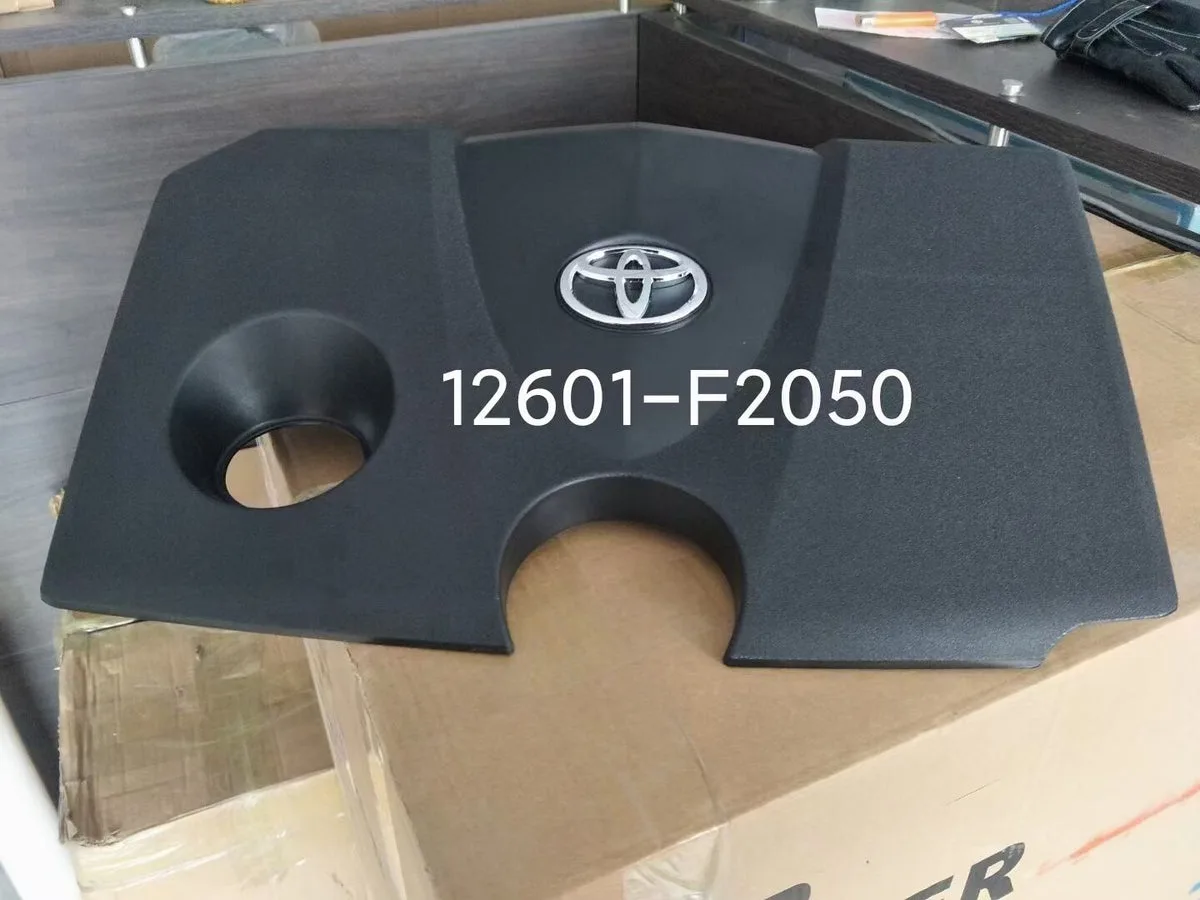
Image source: Bing (Web (fair-use with source credit))
| Generation | Years | Engine | Oil Capacity (with filter) | Viscosity |
|---|---|---|---|---|
| XA50 Gas | 2019–2026 | 2.5L A25A-FKS | 4.8 qt (4.5 L) | 0W-16 |
| XA50 Hybrid | 2019–2026 | 2.5L A25A-FXS | 4.4 qt (4.2 L) | 0W-16 |
| XA40 | 2013–2018 | 2.5L 2AR-FE | 4.6 qt (4.4 L) | 0W-20 |
| XA30 | 2006–2012 | 2.5L 2AR-FE | 4.6 qt (4.4 L) | 5W-30 |
| XA30 | 2006–2012 | 3.5L 2GR-FE V6 | 6.2 qt (5.9 L) | 5W-30 |
| XA20 | 2001–2005 | 2.0L 1AZ-FE | 3.9 qt (3.7 L) | 5W-30 |
| XA20 | 2001–2005 | 2.4L 2AZ-FE | 4.5 qt (4.3 L) | 5W-30 |
A few things to notice. The hybrid consistently takes about 0.4 quarts less than the gas version of the same generation. The V6 engine from the XA30 generation holds over 40 percent more oil than the four-cylinder models of its era.
And the 0W-16 spec for the newest RAV4s is much thinner than what older engines use.
Step-by-Step: How to Do the Oil Change Correctly
Doing your own oil change on a RAV4 is straightforward, but a few quirks vary by generation.
What you'll need:
- Correct oil (exact amount and viscosity from the table above)
- Quality oil filter (OEM or aftermarket)
- 17mm or 14mm socket for the drain plug
- Oil filter wrench
- New crush washer
- Drain pan, funnel, and gloves
The process:
Run the engine for a couple minutes to warm the oil. Warm oil drains faster and carries more suspended contaminants.
Park on level ground. Jack up the front if needed for access, but always use jack stands. Never crawl under a car supported only by a hydraulic jack.
Locate the drain plug under the engine. It's on the passenger side of the oil pan on most RAV4s. Place your drain pan underneath and loosen the plug with your socket. Remove it by hand as the last threads release.
Let the oil drain for at least five minutes. The drip slows to a trickle after about three minutes.
While the oil drains, remove the old oil filter. On XA50 models, it's accessed from underneath on the passenger side near the front. On XA40 and older, it's on the front of the engine block.
Lubricate the gasket on the new filter with a dab of fresh oil. Hand-tighten the filter until the gasket contacts the mounting surface, then give it another three-quarter turn.
Replace the drain plug with a new crush washer. Torque it to 26 to 33 ft-lbs if you have a torque wrench. If not, snug it firmly with a short ratchet.
Pour in the new oil. Add about a quart less than the total capacity at first. Then check the dipstick and top off gradually.
Run the engine for 30 seconds to circulate the oil. Shut it off and wait two minutes. Check the dipstick again and add more oil if needed to reach the full mark.
Reset the maintenance light. On most 2013 and newer RAV4s, turn the ignition to ON without starting the engine. Press the trip reset button until the light blinks and turns off.
Common Mistakes That Cost You Engine Life
A few errors show up repeatedly in service records. Avoid these and your engine will last longer.
Overfilling and What It Does
The most common DIY mistake is dumping the entire five-quart jug into a RAV4 that only takes 4.4 or 4.8 quarts. That extra half-quart doesn't sit harmlessly. The crankshaft whips it into foam, and foam doesn't lubricate well.
You may notice a rough idle, oil seeping past gaskets, or a check engine light for crankcase pressure.
If you accidentally overfill, remove the drain plug and let out a small amount. Or use a fluid extractor through the dipstick tube. Target the full mark and nothing above.
Using the Wrong Viscosity
Putting 5W-30 in a 2023 RAV4 that calls for 0W-16 is a bad idea. The oil will be too thick at startup in winter. It won't flow into the variable valve timing actuators quickly enough.
Fuel economy will drop.
The reverse is less harmful but still not recommended. Running 0W-16 in a high-mileage XA30 V6 that specifies 5W-30 can cause oil consumption at high temperatures. Stick to what the filler cap says.
Skipping the Crush Washer
That small copper or aluminum ring on the drain plug is not optional. Without it, the plug won't seal properly. A slow drip over weeks can leave you a quart low by the next oil change interval.
Always use a new crush washer. They cost about fifty cents. Buy a bag of ten.
Forgetting to Prime the Filter
Dry-starting a new oil filter is harder on the engine than most people realize. The oil pump has to push air through the filter media before any oil reaches the bearings. That takes several seconds of metal-on-metal contact.
Pre-fill the new filter with fresh oil before installation. Let the oil soak into the filter media for about 30 seconds. This cuts the dry-start time dramatically.
Checking the Dipstick: How to Get an Accurate Read
Park on level ground. If the car is tilted, the oil in the pan shifts and gives a false reading. Turn the engine off and wait two to three minutes.
This lets the oil drain back into the pan.
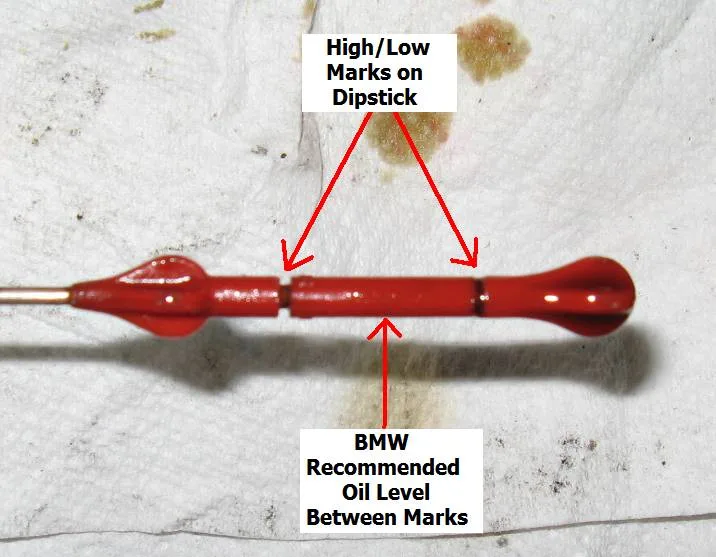
Image source: Bing (Web (fair-use with source credit))
Pull the dipstick out and wipe it clean with a lint-free rag. Insert it fully, then pull it out again. Read the level where the oil film ends on the crosshatch area.
The oil should sit between the low and full marks. Ideally, it's at the full mark or just below. Never above.
If it's at the low mark, you're about a quart down. Add oil in quarter-quart increments and recheck.
A common issue on the XA50 generation is that the dipstick is hard to read because the oil is thin and clear. Hold the dipstick in direct light or lay it on a paper towel to see the wet line clearly.
When to Use a Different Oil Weight (And When Not To)
Toyota specifies a particular viscosity for each RAV4 engine. But there are limited situations where a small deviation is acceptable.
You can use 0W-20 instead of 0W-16 in a pinch for the newest RAV4s. Per Toyota technical service bulletins, 0W-20 is an acceptable substitute if 0W-16 is unavailable. Fuel economy drops slightly, but engine protection remains adequate.
Don't make this a habit.
You should not use 5W-30 in a 0W-16 engine. The viscosity gap is too wide. Variable valve timing systems depend on precise oil flow.
For high-mileage engines over 100,000 miles, some owners switch to a high-mileage formulation of the same viscosity. That's fine. But stay with the correct weight.
Don't bump up to 10W-30 thinking it will help with oil consumption.
In extreme cold below -30°F, a 0W grade is always better than a 5W grade. The 0W flows faster at arctic temperatures.
In extreme heat, the factory recommendation still applies. Modern synthetic oils handle high temperatures well within their rated viscosity range.
Synthetic vs Conventional: Which One for Your RAV4?
Every RAV4 built from 2006 onward requires full synthetic oil. The owner's manual says it. The oil filler cap says it.
And the engine was designed around it.
The reason comes down to the variable valve timing system. These systems use oil pressure to adjust cam timing. Synthetic oil flows more consistently at all temperatures.
Conventional oil thickens when cold and thins when hot, causing timing fluctuations.
For the older XA20 generation (2001 to 2005), conventional 5W-30 is acceptable. But even then, synthetic is a better choice. The 2AZ-FE engine in those models is known for oil sludge problems.
Synthetic oil resists sludge formation much better than conventional oil.
The cost difference is about $10 to $15 per oil change. For that small premium, you get better cold-start protection, cleaner internals, and longer engine life. Our research across owner forums and service records shows that RAV4s maintained on synthetic oil consistently reach higher mileage before major repairs.
How Often Should You Change It? Mileage Intervals Explained
Toyota's official recommendation for most RAV4s built after 2010 is every 10,000 miles or 12 months. That applies to normal driving conditions with full synthetic oil.
But the 10,000-mile interval assumes mostly highway driving, moderate temperatures, and clean roads. If your driving looks different, change it sooner.
Severe driving conditions include:
- Frequent short trips under five miles
- Stop-and-go city traffic
- Dusty or sandy roads
- Extreme cold or hot climates
- Towing or carrying heavy loads
If any of these describe your commute, drop to a 5,000-mile interval. The owner's manual calls this out in the severe maintenance schedule.
For the XA20 generation (2001 to 2005), stick with 3,000 to 5,000 miles if using conventional oil.
FAQs: Quick Answers to the Most Common Questions
Can I use 5W-30 in my 2020 RAV4?
Not recommended. The 2020 RAV4 gas and hybrid engines require 0W-16. Using 5W-30 will reduce fuel economy and may cause sluggish variable valve timing operation in cold weather.
How do I reset the oil maintenance light?
For most 2013 and newer RAV4s, turn the ignition to ON without starting the engine. Press the trip reset button until the maintenance light stops flashing and turns off. Check your owner's manual if this doesn't work.
What happens if I put too much oil in my RAV4?
Excess oil gets churned into foam by the crankshaft. Foam doesn't lubricate properly. You may notice rough idle, a check engine light, or oil leaks from pressurized seals.
Drain the excess to the full mark immediately.
Do I need to use Toyota brand oil filters?
No. Quality aftermarket filters from brands like Wix or Mann work perfectly. Just make sure the filter meets the same specifications as the OEM part.
The bypass valve setting and thread size must match your engine.
Can I switch from synthetic to conventional oil?
You can, but it's not smart. Once an engine has run synthetic for many miles, switching to conventional can cause sludge formation and seal shrinkage. Stay with synthetic unless your engine was designed for conventional from the start.