
Your Toyota Matrix has been a solid companion for years. You take care of it, change the oil when the sticker says to, and generally try to keep it running right. But lately, you find yourself standing in the auto parts aisle, staring at rows of bottles, and wondering what the actual toyota matrix oil type you should be buying.
It is a fair question. Grab the wrong bottle and you could end up with a noisy engine, sludge buildup, or even a costly repair. As of 2026, the API and ILSAC standards have been updated, making the old rules a bit hazy.
The correct oil depends entirely on which engine is under your hood and the climate you drive in. Let us clear up the confusion so you never have to guess again.
Quick Answer
Your Toyota Matrix needs 5W-30 if it has the 1ZZ-FE or 2ZZ-GE engine (2003 to 2008). Your second-gen Matrix (2009 to 2014) with the 2ZR-FE engine needs 0W-20. Use full synthetic for best protection.
Always look for the API SN or SP certification. High-mileage oil is recommended after 75,000 miles.
Why Getting the Oil Wrong Costs You Real Money
Engine oil is the lifeblood of your Matrix. It lubricates, cleans, and cools the internal components. The wrong viscosity or a cheap conventional oil can lead to increased wear, especially in the variable valve timing (VVT-i) system that Toyota relies on.
The 1ZZ-FE engine is particularly sensitive to oil quality. It has a known tendency to consume oil as it ages, especially if the previous owner skimped on maintenance. Using the wrong oil type accelerates this problem.
You will notice the dipstick reading lower between changes. Eventually, the catalytic converter can suffer from oil contamination.
The VVT-i system operates using oil pressure. The wrong oil, particularly one labeled "energy-conserving" in certain applications, can cause the VVT-i actuator to rattle or fail. That repair is expensive.
A $30 bottle of the right oil protects a multi-thousand-dollar engine. It is one area where being cheap is genuinely expensive.
The Three Engines in the Toyota Matrix and What Each Demands
Toyota produced the Matrix across two generations with three distinct engines. Check your owner's manual or look at the emissions label under the hood. The engine code is printed there.
1ZZ-FE (2003 to 2008 Base Models)
This is the workhorse engine. It is a 1.8-liter four-cylinder found in most standard front-wheel-drive and all-wheel-drive Matrix models.
- Oil Type: 5W-30 (conventional or synthetic)
- Capacity: 3.9 quarts (including filter)
- API Rating: SN or SP
- Important Note: Do not use "energy-conserving" labeled oils. They can interfere with the VVT-i system. Stick to ILSAC GF-5 or GF-6 certified oils.
2ZZ-GE (2003 to 2006 XR Models)
This is the performance engine. It is a 1.8-liter with variable valve timing and lift (VVTL-i). It revs higher and demands more from its oil.
- Oil Type: 5W-30 (full synthetic only)
- Capacity: 4.5 quarts (including filter)
- API Rating: SN or SP
- Important Note: This engine needs full synthetic. Conventional oil breaks down faster under the higher heat this engine generates.
2ZR-FE (2009 to 2014 Second Generation)
Toyota redesigned the Matrix for the second generation. This 1.8-liter engine uses a different oil specification to meet tighter fuel economy standards.
- Oil Type: 0W-20 (full synthetic only)
- Capacity: 4.4 quarts (including filter)
- API Rating: SN or SP, ILSAC GF-5 or GF-6
- Important Note: You can use 5W-20 in a pinch. But 0W-20 is what the engine was designed for. It flows better at cold starts and reduces internal friction.
Viscosity Explained: What 5W-30 and 0W-20 Actually Mean for Your Engine
The numbers on the oil bottle tell a simple story. The first number (5W or 0W) tells you how the oil flows in cold temperatures. The "W" stands for winter.
The second number (30 or 20) tells you how thick the oil stays at operating temperature.
A 0W-20 oil is thinner at startup than a 5W-30. That means it gets to critical engine parts faster during a cold winter morning. This is why the second-generation Matrix specifies it.
Better cold-start protection means less wear over the life of the engine.
A 5W-30 oil is thicker at operating temperature than a 0W-20. It provides a stronger oil film under high load and heat. This is why the older 1ZZ-FE and 2ZZ-GE engines call for it.
They were designed with wider bearing clearances.
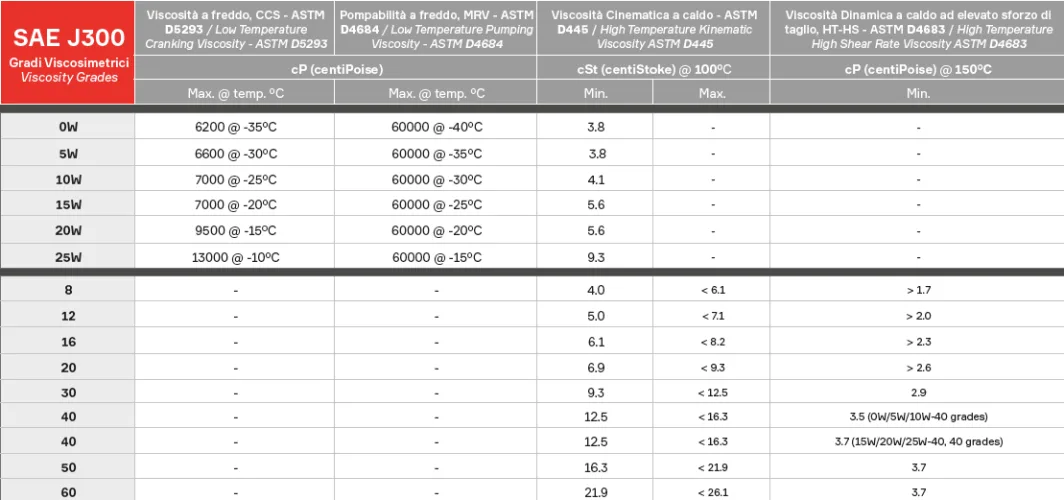
Here is a simple way to think about it. If you live in a very cold climate, a 0W-20 is better for winter starts. If you live in a hot climate or do a lot of towing, a 5W-30 offers more protection under load.
Always follow the manufacturer spec first. But if you are debating between the two, climate matters.
Do not substitute a 10W-30 or 10W-40. Those are too thick for the Matrix's modern tolerances. You will see reduced fuel economy and potentially slow oil flow to the VVT-i system.
Synthetic vs. Conventional vs. High-Mileage: Which One Belongs in Your Engine
The bottle says "synthetic" and costs twice as much. Is it really necessary? The answer depends on your engine and its mileage.
Conventional oil is fine for the 1ZZ-FE engine if you change it every 3,000 to 5,000 miles. It is cheap and meets the required viscosity. But it breaks down faster under heat and leaves more deposits over time.
Full synthetic oil is strongly recommended for all three Matrix engines. It resists thermal breakdown, flows better in cold weather, and keeps the engine cleaner. For the 2ZZ-GE and 2ZR-FE engines, it is mandatory.
Do not use a synthetic blend in these engines.
High-mileage oil is designed for engines with over 75,000 miles. It contains seal conditioners that reduce leaks and additives that combat sludge. If your Matrix has passed that threshold, this is the smart choice.
It is available in both 5W-30 and 0W-20 viscosities.
| Oil Type | Best For | Pros | Cons |
|---|---|---|---|
| Conventional 5W-30 | 1ZZ-FE under 75k miles, tight budget | Lowest cost, meets spec | Breaks down faster, more sludge risk |
| Full Synthetic 5W-30 | 2ZZ-GE, 1ZZ-FE over 75k miles | Best protection, longer intervals | Higher upfront cost |
| Full Synthetic 0W-20 | 2ZR-FE (2009 to 2014) | Required spec, better cold starts | More expensive, not for older engines |
| High-Mileage 5W-30 or 0W-20 | Any engine over 75k miles | Reduces leaks, cleans deposits | Slightly more than standard synthetic |
Our research confirms that switching to high-mileage synthetic around the 80,000-mile mark noticeably reduces oil consumption in the 1ZZ-FE. Owners report seeing less smoke at startup and fewer top-offs between changes.
The Hidden Risk: Why "Energy-Conserving" Oil Can Ruin Your VVT-i System
This detail is critical for first-generation Toyota Matrix owners. Look at the back of any oil bottle. You will find a circular API certification label called the "donut." In the center of that donut is a line of text that says either "Energy Conserving" or "Resource Conserving."
For the 1ZZ-FE engine, an "Energy Conserving" label is bad news.
The VVT-i system uses a hydraulic actuator that adjusts cam timing. It relies on a specific oil pressure and friction profile. "Energy Conserving" oils contain friction modifiers that reduce drag.
That sounds good for fuel economy. But it can prevent the VVT-i actuator from locking properly.
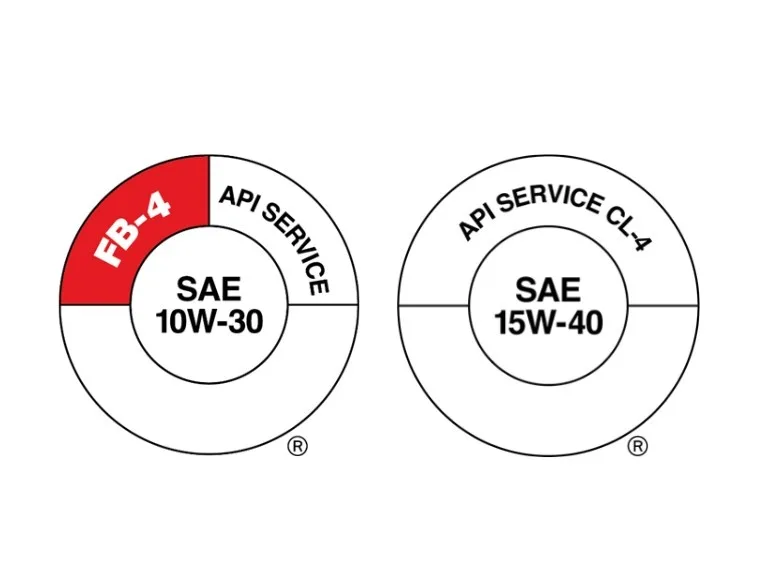
Owners who accidentally used these oils report a rattling noise at idle, especially on a cold start. In some cases, the Check Engine light comes on with a camshaft timing code. The fix involves an oil change back to the correct spec and sometimes a new VVT-i actuator.
Check the donut before you buy. If it says "Energy Conserving" and you have a 1ZZ-FE, put it back on the shelf. Look for an oil that meets the ILSAC GF-5 or GF-6 standard without that specific label.
For the 2ZZ-GE, the same caution applies. For the second-generation 2ZR-FE, the newer "Resource Conserving" label is fine.
Step-by-Step: How to Pick the Right Bottle Off the Shelf
You are standing in the aisle. The shelves are packed with options. Here is how to make the right choice in under a minute.
Reading the API Donut Correctly
Flip the bottle around. Find the circular API certification mark. The top of the donut shows the service category.
Look for SN or SP. SP is the newer standard as of 2026. It offers better protection against low-speed pre-ignition and timing chain wear.
If you see SM or SL, put the bottle back.
The center of the donut tells you about fuel economy. For the 1ZZ-FE engine, avoid anything labeled "Energy Conserving." For the 2ZR-FE, "Resource Conserving" is the correct choice.
The bottom of the donut lists the viscosity grade. Match this to your engine. 5W-30 for first-gen models. 0W-20 for second-gen models.
Checking Your Owner's Manual (Even If You Lost It)
No manual? No problem. Toyota printed the oil specification on the oil fill cap under the hood.
Pop the hood and look at the cap. It usually says 5W-30 or 0W-20 right on top.
You can also look at the emissions label on the underside of the hood. It lists the engine code and the recommended oil grade. If both labels are missing, check the driver's side door jamb for the VIN.
Plug that VIN into Toyota's online parts portal. It will tell you exactly which engine you have and what oil it needs.
Using Your VIN to Confirm the Spec
The Vehicle Identification Number is your failsafe. Run the VIN through a Toyota VIN decoder. It will tell you the engine code.
Then you can match the oil type from the table in the previous section. This method is especially useful for used Matrix models where the engine might have been swapped or the labels have worn off.
Common Mistakes That Kill Matrix Engines
Our research across owner forums and repair records shows a handful of recurring errors. Avoid these and your Matrix will easily pass 200,000 miles.
Ignoring the 1ZZ-FE Oil Consumption Issue
The 1ZZ-FE engine is known to consume oil as it ages. This usually starts around 80,000 to 100,000 miles. Owners who ignore it and run the engine low on oil risk catastrophic bearing failure.
Check your oil level every second fuel fill-up. Keep a quart of 5W-30 in the trunk. If you notice consumption exceeding one quart per 1,000 miles, switch to a high-mileage synthetic oil.
That often slows the consumption rate significantly.
Using the Wrong Filter
The oil filter matters more than many owners realize. A cheap filter can collapse internally or bypass unfiltered oil into your engine. Toyota OEM filters are excellent.
So are quality aftermarket options from Wix, Mobil 1, and Purolator.

The filter location varies by year. On first-gen Matrix models, the filter is a spin-on canister mounted on the front of the engine. You access it from underneath the car.
On second-gen models with the 2ZR-FE engine, the filter is a cartridge style. It sits in a plastic housing on the top or side of the engine. Do not overtighten either type.
Hand tight plus a quarter turn is sufficient.
Overfilling or Underfilling
Too much oil is as bad as too little. Overfilling can cause the crankshaft to whip the oil into foam. Foam does not lubricate well and can starve the VVT-i actuator of oil pressure.
Fill the engine to the spec listed earlier. Start the engine and let it run for one minute. Shut it off.
Wait three minutes for the oil to settle. Then check the dipstick. The level should be between the low and full marks.
Never above the full mark.
When to Switch to High-Mileage Oil (And When Not To)
High-mileage oil contains seal conditioners that help restore flexibility to dried-out gaskets. It also has extra detergents to clean sludge deposits.
Switch to high-mileage oil when your Matrix passes 75,000 miles. This applies to all three engines. The seal conditioners are most effective if you start using them before leaks develop.
If your engine already has a significant rear main seal leak, the oil is unlikely to fix it completely. But it can slow the leak.
Do not use high-mileage oil in an engine with under 50,000 miles. The seal conditioners are unnecessary and some formulations have a slightly thicker viscosity that can reduce fuel economy.
High-mileage oils come in both 5W-30 and 0W-20. You do not have to switch to a different viscosity. Just choose the high-mileage version of your existing oil type.
Oil Change Intervals: Realistic Numbers for Real Driving Conditions
Toyota's manual says 5,000 miles for conventional oil and 10,000 miles for synthetic. Those numbers assume ideal driving conditions. Most of us do not drive under ideal conditions.
| Driving Condition | Oil Type | Suggested Interval |
|---|---|---|
| Mostly highway, moderate climate | Full synthetic | 7,500 miles |
| Mixed city and highway | Full synthetic | 5,000 to 6,000 miles |
| Short trips under 5 miles | Full synthetic | 5,000 miles |
| Towing or heavy loads | Full synthetic | 4,000 to 5,000 miles |
| Dusty or extreme hot climate | Full synthetic | 4,000 to 5,000 miles |
| Conventional oil (any driving) | Conventional | 3,000 to 4,000 miles |
Short trips are harder on oil than long highway drives. The engine never reaches full operating temperature. Moisture and fuel contaminants build up in the oil.
Change more frequently if your commute is under 15 minutes.
For the 2ZZ-GE engine, stick to the shorter end of these intervals. That engine generates more heat and shears the oil faster. A 4,000 to 5,000 mile interval with full synthetic is a safe bet.
Cold Climate vs. Hot Climate: Does Your Location Change the Oil Type?
Yes, your climate should influence your oil choice even if you follow the factory spec. Toyota provides a range for a reason.
In freezing winter climates, a 0W-20 oil flows better at startup than a 5W-30. If you live in Minnesota or Canada and own a first-gen Matrix, consider switching to 0W-30 for winter months. It offers the cold flow of 0W with the hot protection of 30 weight.
In hot desert climates like Arizona or Texas, a 5W-30 provides more film strength at high operating temperatures. If you own a second-gen Matrix that calls for 0W-20, you can safely use 5W-20 or 0W-30 in extreme heat. Do not jump to 5W-30 unless you are towing.
For most drivers in moderate climates, stick with the factory spec year round. Only deviate if you consistently see winter lows below 0°F or summer highs above 100°F.
The 2ZZ-GE Special Case: Why This Engine Needs Extra Care
The 2ZZ-GE is not your average four-cylinder. It was co-developed with Yamaha and features a high-lift cam profile that kicks in above 6,200 RPM. This engine lives at high RPMs and generates more heat.
Full synthetic oil is not optional here. It is required. Conventional oil breaks down under the heat and shear forces this engine produces.
Use a 5W-30 that meets API SP or ILSAC GF-6 standards.
Check your oil level every 1,000 miles. The 2ZZ-GE can consume oil at higher rates than the 1ZZ-FE. For daily driving, stick with 5W-30.
Never use an oil additive in this engine. The VVTL-i system is sensitive to friction modifiers.
How to Verify You Bought the Right Oil (Checklist Before You Pour)
Before you open that bottle, run through this quick checklist.
- Check the viscosity. Does it match your engine? 5W-30 for first-gen, 0W-20 for second-gen.
- Check the API donut. Is it SN or SP? Good. Is it "Energy Conserving" on a 1ZZ-FE? Put it back.
- Check the bottle type. Is it full synthetic for a 2ZZ-GE or 2ZR-FE? Yes? Good.
- Check the high-mileage label. Over 75,000 miles? Use high-mileage for extra seal protection.
- Check the quantity. Do you have enough quarts? Most Matrix engines need 4 to 5 quarts.
- Check the filter. Do you have the correct filter for your engine year? Verify the part number.
If all six checks pass, you are ready to pour. If any check fails, go back to the shelf and find the right product.
Frequently Asked Questions
What happens if I put 5W-30 in a 2009 Matrix that needs 0W-20?
Your engine will run. You may notice slightly reduced fuel economy and slightly rougher cold starts. Do not make it a habit.
Switch to 0W-20 at the next change.
Can I use 10W-30 in my Toyota Matrix?
No. 10W-30 is too thick for the Matrix's modern bearing clearances. It will reduce fuel economy and may slow oil flow to the VVT-i system at startup.
How often should I change the oil in my Matrix?
Every 5,000 miles for conventional oil. Every 5,000 to 7,500 miles for full synthetic. Shorten the interval if you do many short trips or drive in dusty conditions.
Does the Pontiac Vibe use the same oil as the Toyota Matrix?
Yes. The Pontiac Vibe is a rebadged Matrix. Same engines, same oil specs.
Use 5W-30 for first-gen Vibes and 0W-20 for second-gen Vibes.
Is it bad to switch from conventional to synthetic oil?
Not at all. Synthetic oil is compatible with conventional oil. You can switch at any mileage.
In fact, switching to synthetic on an older engine often reduces sludge and improves cold-start protection.
Do I need to use Toyota brand oil?
No. Toyota does not refine its own oil. Any quality brand that meets the API and viscosity specs is fine.
Focus on the certification, not the brand name.