
If you own a 2013 Toyota Tacoma, you already know it's a truck that'll run forever if you take care of it. But here's the thing: the 2013 toyota tacoma oil capacity isn't a one-size-fits-all number. Put in too much and you risk blowing a seal.
Put in too little and you're grinding metal against metal. Get it wrong either way, and that bulletproof reputation takes a real hit.
Manufacturer specifications indicate the 2.7L four-cylinder takes about 5.5 quarts with a filter change, while the 4.0L V6 needs closer to 6.5 quarts. That one-quart difference is exactly where well-meaning DIYers mess up. They grab a jug, dump it all in, and never check the dipstick.
Let's walk through exactly what your truck needs, why it matters, and how to get it right every single time as of 2026.
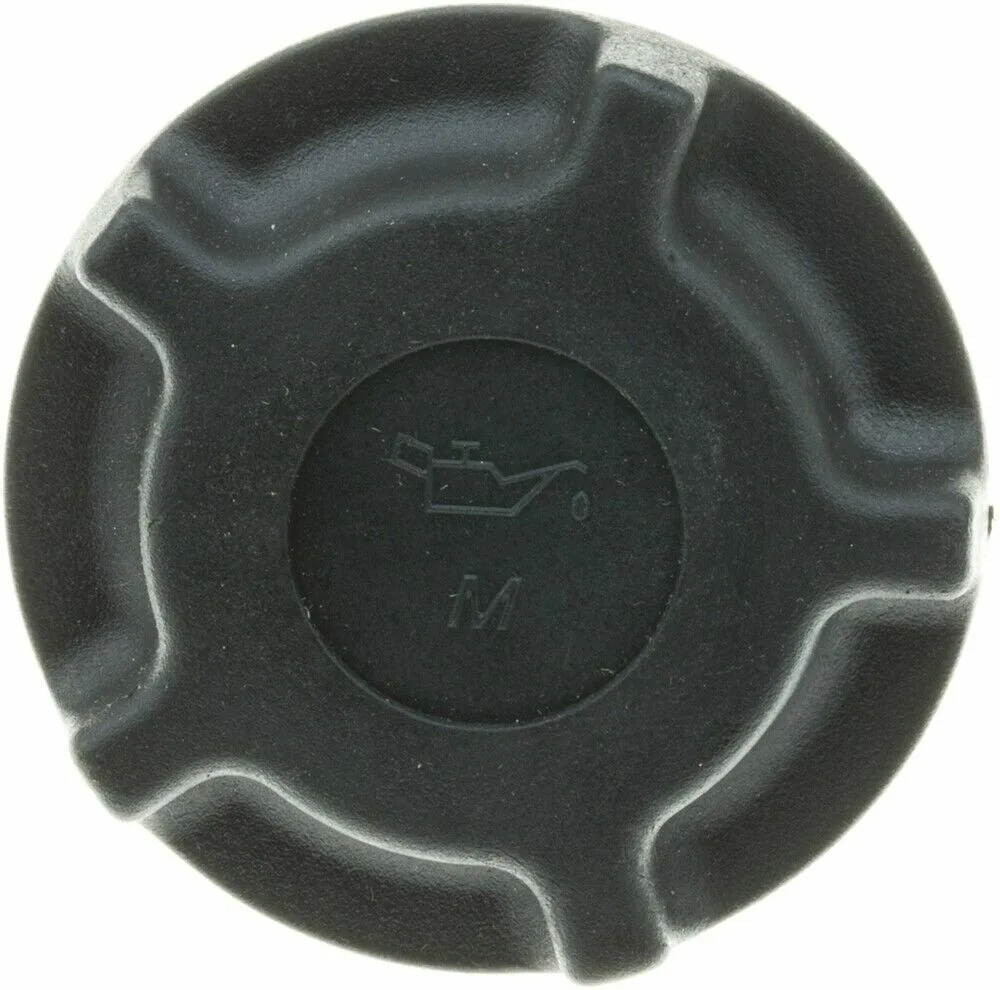
Image source: Web (Bing) / rodavictoriausa.com (Web image (fair-use with source credit))
Why Getting the Oil Capacity Right on a 2013 Tacoma Actually Matters
Your Tacoma's engine is a precision piece of machinery with tight tolerances. The oil system is designed to circulate a specific volume under specific pressure. When you nail the correct capacity, the oil pump works exactly as engineered, the lubricant reaches every bearing and cam lobe, and the heat from combustion gets properly pulled away from hot spots.
Here's what goes wrong when you miss the mark:
Underfilling by just half a quart means the oil pickup tube might suck air during hard cornering or steep off-road angles. Air in the oil pump causes cavitation. Cavitation means metal-on-metal contact. That's how you spin a rod bearing.
Overfilling by even a pint causes the crankshaft to whip the oil into a froth inside the crankcase. Aerated oil doesn't lubricate well. It also increases pressure inside the engine, which can push oil past aged seals and gaskets. A leaking rear main seal is a thousand-dollar repair you don't want.
Your Tacoma's engine oil does more than just lubricate. It also helps cool internal components, cleans away combustion byproducts, and neutralizes acids that form during normal operation. The right capacity lets it do all those jobs properly.
Aggregate reviews from Tacoma owners on forums and service bulletins confirm that engines maintained with the correct fill level consistently surpass 250,000 miles without major repairs. Skimp on the oil or overfill it, and you're rolling the dice on a rebuild way sooner than you should.
Quick Answer: How Much Oil Your 2013 Tacoma Needs (2.7L vs. 4.0L)
Let's cut straight to the numbers. Here's the capacity for both engines, including the oil filter:
| Engine | Capacity With Filter (quarts) | Capacity Without Filter (approx.) | Recommended Viscosity |
|---|---|---|---|
| 2.7L 2TR-FE (4-cylinder) | 5.5 quarts | 5.2 quarts | 0W-20 |
| 4.0L 1GR-FE (V6) | 6.5 quarts | 6.2 quarts | 0W-20 |
If you're doing a standard oil change where you drain the old oil and replace the filter, use the "with filter" numbers. Toyota specifies 0W-20 for both engines, though 5W-20 is acceptable in warmer climates if that's what you have on hand.
Here's your buying guide for a single oil change:
- 2.7L four-cylinder: One 5-quart jug plus one 1-quart bottle of 0W-20. You'll use most of that extra quart.
- 4.0L V6: One 5-quart jug plus two 1-quart bottles of 0W-20. You'll use about one and a half of those smaller bottles.
Don't just dump all five quarts in and call it done. Always add the first five quarts, check the dipstick, then add the remaining oil in small increments until the level hits the full mark. We'll walk through the full process in a minute.
The Two Engines: Spotting Which One You Have Under the Hood
You would be surprised how many Tacoma owners don't actually know which engine lives under their hood. The 2013 model year offered two choices: the 2.7L four-cylinder and the 4.0L V6. They sound different, they feel different, and as we've covered, they take different amounts of oil.
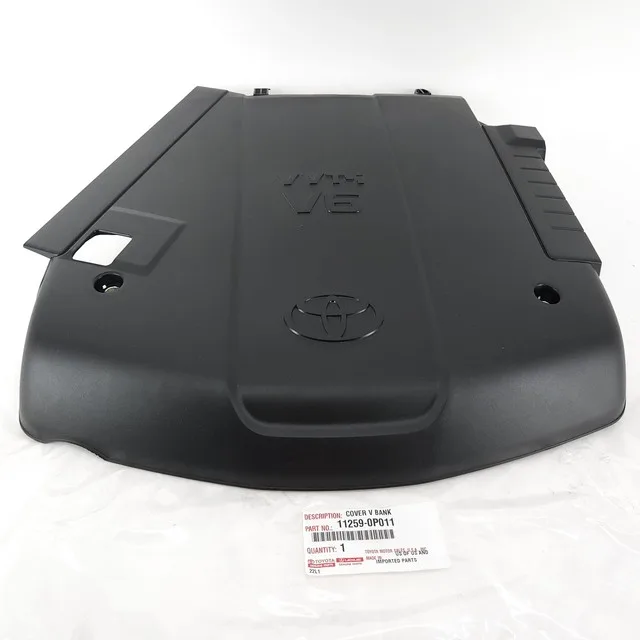
Image source: Bing (Web (fair-use with source credit))
Here are three fast ways to tell them apart without popping the hood:
Check the VIN. The eighth character of your vehicle identification number tells the story. If it's a "2", you've got the 2.7L four-cylinder. If it's a "U", you've got the 4.0L V6. This is the most reliable method.
Look at the engine cover. The 4.0L V6 has a large plastic engine cover that says "V6" right on top. The 2.7L four-cylinder has a smaller cover that typically says "2.7L" or just "Toyota."
Count the spark plug wires. The four-cylinder has four. The V6 has six. If you can see the plug wires, you can count them in about two seconds.
If you bought the truck used and aren't sure, the VIN check takes thirty seconds with your phone. It's worth doing before you buy any parts or fluids.
One more thing: don't assume you have the V6 just because you have a TRD Sport or TRD Off-Road package. Those trims came with either engine depending on how the original buyer configured the truck. Double-check.
Your engine will thank you.
Step-by-Step: How to Check and Fill the Oil the Right Way
You've got the right oil, you know your engine, and you know the correct capacity. Now let's walk through the actual process so you don't accidentally mess up the most basic maintenance task on your truck.
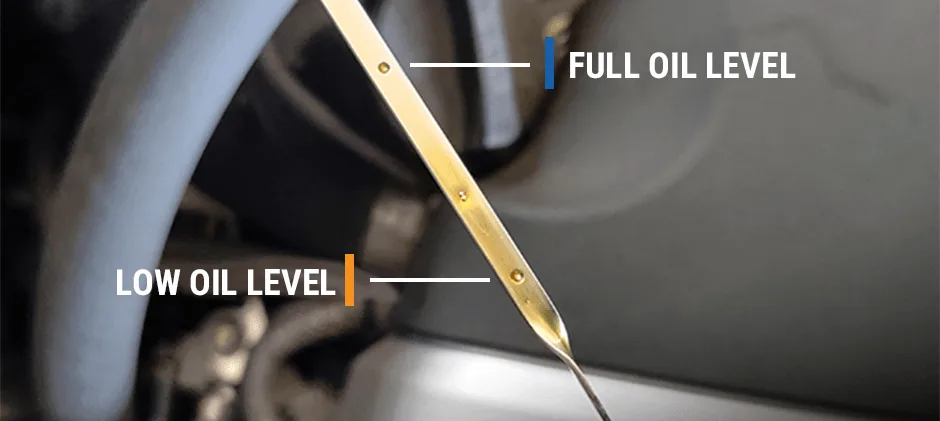
Image source: Web (Bing) / fridayparts.com (Web image (fair-use with source credit))
Prep Work
Park your Tacoma on level ground. If it's on an incline, the oil in the pan will shift and you'll get a false reading. Let the engine cool for at least five minutes after shutting it off.
Warm oil drains faster, but you want it settled in the pan before you check the level.
Draining the Old Oil
Slide under the truck with a drain pan that holds at least eight quarts. The drain plug is on the passenger side of the oil pan for both engines. Use a 14mm socket for the drain plug on the V6 and a 10mm socket for the four-cylinder.
Loosen it slowly and let it drain fully. While it drains, replace the old crush washer with a new one. Torque the drain plug to 29 ft-lbs for the four-cylinder and 25 ft-lbs for the V6.
Replacing the Filter
You'll find the oil filter on the front of the engine, near the bottom. Use an oil filter wrench if it's stuck. Before you install the new filter, rub a thin layer of fresh oil on the rubber gasket.
This prevents the gasket from sticking when you remove it next time. Hand-tighten the filter only. Turn it until the gasket makes contact, then give it another two-thirds of a turn.
Adding the New Oil
Pop the hood and remove the oil fill cap. It's a yellow cap on both engines, located on the top of the valve cover. Pour in about five quarts to start.
Screw the cap back on, start the engine, and let it run for about thirty seconds. This fills the new oil filter and circulates oil through the passages. Shut the engine off and wait two minutes for the oil to settle.
Checking the Dipstick
Pull the dipstick out, wipe it clean with a rag, push it all the way back in, then pull it out again. The oil level should sit between the two marks at the bottom. Ideally, you want it right at the top mark.
If it's low, add a quarter quart at a time and recheck. Don't overfill.
Final Verification
Take the truck for a short drive, maybe five minutes. Park it on level ground, wait two minutes, and check the dipstick one more time. The level should hold steady at the full mark.
If it dropped, you might have a leak somewhere. If it rose, you might not have let the engine cool long enough before the first check.
Common Mistakes That Cost Tacoma Owners an Engine
Some mistakes are obvious. Some are subtle and sneak up on you. Here are the ones we see most often in our research, ranked by how expensive they get.
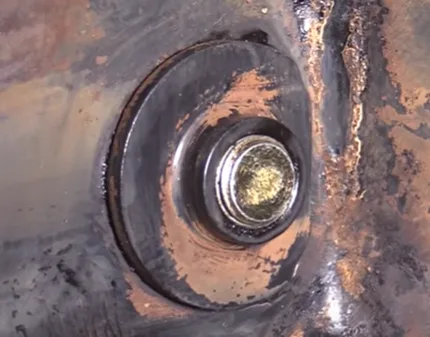
Image source: Bing (Web (fair-use with source credit))
Stripping the Drain Plug Threads
This is the number one DIY mistake. The oil pan on the 4.0L V6 is aluminum. It's softer than steel.
If you crank the drain plug down with a ratchet instead of a torque wrench, you can strip the threads in one shot. A stripped oil pan means a new oil pan or a helicoil repair kit. Either way, you're looking at a few hundred dollars for what should have been a $5 crush washer and a torque wrench.
Using the Wrong Filter
Not all oil filters are the same. The bypass valve pressure rating matters. Toyota specifies a specific bypass pressure for the 2TR-FE and 1GR-FE engines.
A cheap filter with an incorrect bypass valve can cause oil starvation during cold starts, especially in winter. Stick with a quality filter that matches the OEM spec.
Ignoring the Crush Washer
That little copper or aluminum washer on the drain plug is a single-use item. Reusing it means you're trusting a flattened piece of metal to seal against engine oil pressure. It will eventually leak.
A slow drip over thousands of miles can leave you a quart low without you noticing until the oil light comes on. By then, the damage is done.
Mixing Viscosities
You run out of 0W-20 and grab a bottle of 5W-30 from the garage. One time won't kill your engine, but it dilutes the additive package. The different viscosities don't mix uniformly, so you end up with oil that doesn't protect as well at either temperature extreme.
If you must top off with a different viscosity, plan a full oil change soon after.
Skipping the Dipstick Check
You read the capacity, poured in the exact amount listed, and figured you're good. Here's the problem: not every engine drains the same amount of old oil. Maybe the previous oil change left half a quart extra in the filter.
Maybe the truck was on a slight slope when you drained it. The only way to know the actual oil level is to check the dipstick. Trust the dipstick, not the jug.
Getting the oil right on your 2013 Tacoma isn't complicated, but it does require attention to detail. Nail the capacity, use the right viscosity, and do the basic checks. Do that consistently, and you'll keep that engine running strong for another hundred thousand miles.
What Happens When You Overfill or Underfill
Let's get specific about what actually goes wrong inside your engine when the oil level is off. This isn't theoretical. These are real mechanical failures that happen to real Tacomas every year.
Underfilling: The Slow Death
When you're half a quart low, the oil pickup tube sits closer to the surface of the oil in the pan. Every hard corner, every steep hill, every off-camber trail pulls that oil away from the pickup. The pump sucks air instead of oil.
Air doesn't lubricate. Air doesn't cool. Air in the oil system causes the pump to cavitate, which sounds like gravel rattling inside your engine.
That noise is metal surfaces making contact without a film of oil between them.
Here's what gets damaged first:
- Rod bearings. These are the first to fail because they're farthest from the oil pump and under the most load. A spun rod bearing means a new crankshaft or a whole new engine.
- Camshaft lobes. The valvetrain relies on a steady stream of oil. Low oil pressure means the cam lobes and rocker arms wear down faster. You'll hear a ticking noise that gets worse over time.
- Turbocharger (if equipped). The 2013 Tacoma didn't come with a factory turbo, but if someone added one, low oil kills it fast. Turbos spin at hundreds of thousands of RPM and need constant oil flow.
The scary part is that most owners don't notice low oil until the warning light comes on. By that point, the damage is already done. The low oil pressure light doesn't come on at "a little low." It comes on when the pressure has dropped to a dangerously low level.
Overfilling: The Hidden Danger
Overfilling feels safer than underfilling. More oil means more protection, right? Wrong.
When the crankshaft spins through oil that's too deep, it whips air into the liquid. That aerated oil gets pumped through the engine, and aerated oil is compressible. It doesn't maintain a solid film between moving parts.
The extra pressure from overfilling also pushes oil past seals and gaskets that were designed for normal crankcase pressure. Common leak points include:
- Valve cover gaskets. Oil seeps out onto the exhaust manifold, causing that burning smell you notice at stoplights.
- Rear main seal. This is behind the engine where the crankshaft connects to the transmission. It's a transmission-out job to replace it. Plan on $800 to $1,200.
- Front crankshaft seal. Oil leaks down the front of the engine and gets slung onto the serpentine belt, causing it to slip or fail.
Both overfilling and underfilling share one thing in common. They rob your engine of proper lubrication, and they do it slowly enough that you might not notice until the damage is expensive.
Choosing the Right Oil: Viscosity, Type, and What Toyota Actually Recommends
Toyota's official spec for the 2013 Tacoma is 0W-20, regardless of which engine you have. That's what the oil fill cap says, and that's what the owner's manual calls for. But let's talk about why, and whether you have any real options.
Why 0W-20?
The "0W" part means the oil flows like a weight-zero oil when cold. That's important for cold starts, especially in winter. The oil reaches critical engine components faster, reducing wear during the first few seconds after startup which is when most engine wear actually happens.
The "20" part means the oil thickens up to a weight-20 oil at operating temperature. That's thin enough to flow through tight passages in modern engines but thick enough to maintain a protective film.
Toyota switched to 0W-20 across most of its lineup starting in the early 2010s because it improves fuel economy by reducing internal friction. Every little bit helps when you're trying to meet CAFE standards.
Can You Use 5W-20?
Yes, in certain conditions. Toyota's official position is that 5W-20 is acceptable if 0W-20 is not available. This is stated in the owner's manual.
However, there's a catch.
If you live in a climate where temperatures regularly drop below 20 degrees Fahrenheit, 5W-20 will be thicker during cold starts. That means slower oil flow and more wear during those critical first seconds. In warmer climates like Texas or Arizona, the difference is negligible.
Our recommendation: use 0W-20 year-round. It's widely available at any auto parts store and major retailers. The price difference between 0W-20 and 5W-20 is usually less than two dollars per quart.
Conventional vs. Synthetic
Here's where things get interesting. The 2013 Tacoma was designed to run on conventional oil. Synthetic oil is better, but it's not required.
Here's the breakdown:
| Oil Type | Pros | Cons |
|---|---|---|
| Conventional 0W-20 | Cheaper, meets specs, fine for normal driving | Breaks down faster under high heat, needs more frequent changes |
| Synthetic 0W-20 | Better cold flow, resists breakdown, longer intervals | Costs more upfront |
| Synthetic Blend 0W-20 | Middle ground on price, better than conventional | Not as good as full synthetic |
If you change your oil every 5,000 miles and drive mostly on pavement, conventional oil is perfectly adequate. If you tow, off-road regularly, or live in extreme temperatures, synthetic oil gives you a wider margin of safety.
One thing that's non-negotiable: use oil that meets API SN or higher certification. That "starburst" symbol on the bottle matters. It means the oil has been tested and approved for your engine's specific requirements.
When to Change It: Intervals for Normal vs. Severe Driving
Toyota's official oil change interval for the 2013 Tacoma is 10,000 miles or 12 months, whichever comes first. That sounds generous, and it is. But there's a footnote that changes everything.
Severe Service Interval
Toyota defines "severe driving conditions" as any of the following:
- Driving on dusty or muddy roads
- Repeated short trips under five miles
- Extensive idling
- Towing a trailer or carrying heavy loads
- Driving in extreme heat or cold
- Off-road driving
Sound like your life? If you check even one box, you're in the severe service category. And severe service cuts the interval in half to 5,000 miles.
Here's the honest truth from our research. Most Tacoma owners fall into the severe service category. Even if you don't off-road, short trips to work and back are hard on oil.
The oil never fully warms up to burn off moisture and fuel contamination.
Signs You Should Change It Sooner
You don't have to wait for a mileage number. Your oil will tell you when it needs changing if you know what to look for:
- Dark, gritty oil on the dipstick. Fresh oil is amber and translucent. If it looks like black paint and feels gritty between your fingers, change it.
- Engine sounds louder than usual. Old oil loses its viscosity, and you'll hear more valvetrain noise at idle.
- Oil level drops between changes. If you need to top off between intervals, it means the oil is breaking down or you have a leak.
The Safe Bet
If you're unsure which category you fall into, change it every 5,000 miles with conventional oil or every 7,500 miles with synthetic. That's a conservative schedule that will keep your engine healthy without wasting oil or money.
For reference, the same principle applies to other Toyota models in your driveway. If you've got a Camry or a RAV4 in the mix, you can check our guides on the correct oil type to keep everything consistent across the fleet. The same 0W-20 spec that works in your Tacoma also covers many of Toyota's other engines from this era.
Tools and Parts You'll Need for a Proper Oil Change
You don't need a full mechanic's toolbox to change the oil on a 2013 Tacoma. But you do need specific items. Here's exactly what to gather before you start.
Mandatory Items
- Engine oil. 5.5 quarts (2.7L) or 6.5 quarts (4.0L) of 0W-20. Pick up an extra quart just in case.
- Oil filter. OEM part number 04152-YZZA6 for both engines. Aftermarket equivalents like Wix 51348 or Mobil 1 M1-201 also work well.
- Drain plug crush washer. Toyota part number 90430-12031. These are about two dollars each. Buy a pack of five.
- Drain pan. Any container that holds at least eight quarts. A used laundry detergent jug cut in half works in a pinch.
- Socket and ratchet. 14mm for the V6 drain plug, 10mm for the four-cylinder.
- Oil filter wrench. A cap-style wrench that fits the specific filter you bought. The strap-style wrenches work too but can slip.
Nice to Have
- Torque wrench. Essential for the drain plug. Guessing the torque is how threads get stripped.
- Funnel. Makes pouring oil into the fill hole much cleaner.
- Shop rags. Oil will get on everything. Accept this fact.
- Gloves. Nitrile gloves keep the mess off your hands and make cleanup faster.
Optional Upgrade
Consider installing a Fumoto drain valve. It replaces your drain plug with a lever-operated valve. Future oil changes take about two minutes and require no tools.
Just flip the lever, drain, and close it. It's a popular mod in the Tacoma community for good reason.
If you maintain other equipment around the shop or property, the same principles of checking fluid levels and using the right capacity apply. Proper lubrication is what keeps everything from lawn mowers to forklifts running reliably. For Toyota-specific equipment, always double-check the manufacturer spec before adding any fluid.
Expert Tips From the Shop Floor
These aren't in the owner's manual. They come from mechanics who have seen hundreds of Tacomas roll through their bays. A few of them might save your engine someday.
Always Pre-Fill the Oil Filter
Before you screw on a new oil filter, fill it with fresh oil. Let it soak in for a few seconds. This primes the filter so oil reaches the engine immediately on startup instead of the pump having to push air through the filter first.
On the 4.0L V6, the filter mounts horizontally. Fill it about two-thirds full, tip it upright quickly, and thread it on. You'll spill a little.
That's fine. It beats thirty seconds of dry start every time you change the oil.
Check the Oil After Every Fuel Fill
This sounds excessive until you've had a slow leak leave you a quart low. Make it a habit. Every time you fill up with gas, pop the hood and check the dipstick.
It takes thirty seconds and costs nothing. If you catch a drop in level early, you can investigate before it becomes a problem.
Listen to Your Engine After an Oil Change
After you change the oil and start the engine for the first time, listen carefully for about thirty seconds. You should hear the hydraulic lifters click for a second or two as they fill with oil, then the engine should smooth out. If you hear a persistent tick, you might have an air pocket or a filter that isn't seated properly.
Shut it off and recheck everything.
Keep Records
Write down the date, mileage, oil type, and filter used every time you change the oil. Tape the receipt in the owner's manual or snap a photo with your phone. When you sell the truck, that log adds real value.
Buyers pay more for a truck with documented maintenance.
Don't Trust the "Lifetime" Filter Claims
Some aftermarket filter brands claim they never need changing. Don't believe it. Change the filter every single time you change the oil.
A filter that's been in service for 20,000 miles is loaded with particulates and has restricted flow. A clean filter is cheap insurance.
The 2013 Tacoma is one of the most reliable vehicles Toyota has ever built. But reliability isn't magic. It's the sum of thousands of small details done right, and nothing is more basic or more important than the oil in your engine.
Nail the capacity, use the right stuff, and check it regularly. Your truck will reward you with miles that most vehicles never see.
The Bottom Line: One Spec You Don't Want to Guess At
The 2013 Tacoma's oil capacity comes down to a single question. Which engine lives under your hood? Answer that correctly, and everything else falls into place.
2.7L four-cylinder: 5.5 quarts of 0W-20 with filter. 4.0L V6: 6.5 quarts of 0W-20 with filter. Those numbers aren't suggestions. They're the difference between an engine that runs smoothly past 300,000 miles and one that starts burning oil at 150,000.
Check your VIN. Confirm the engine. Use the right filter.
Replace the crush washer. Torque the drain plug. Pre-fill the new filter.
Add oil in stages. Trust the dipstick over the jug.
Every one of those steps matters. Skip one, and you're gambling on a repair that costs more than the truck is worth. Follow all of them, and you'll keep that Tacoma running strong for years to come.
The oil capacity is a small detail. But in a truck built to last, it's the small details that make all the difference.