
toyota 4.0 v6 problems are a top worry for owners of Tacoma, 4Runner, Tundra, and FJ Cruiser models as they rack up miles. If you’ve seen a flashing check engine light, heard a cold-start rattle, or spotted oil puddles under your parked vehicle, you’re likely dealing with a known 1GR-FE engine flaw. Toyota issued more than a dozen technical service bulletins for this powerplant between 2005 and 2021.
Per NHTSA recall data, timing chain tensioner and guide wear is the most frequent failure, typically striking between 100,000 and 150,000 miles. We’ve built a step-by-step decision tree to match your exact symptoms, model year, and mileage to the right next steps.
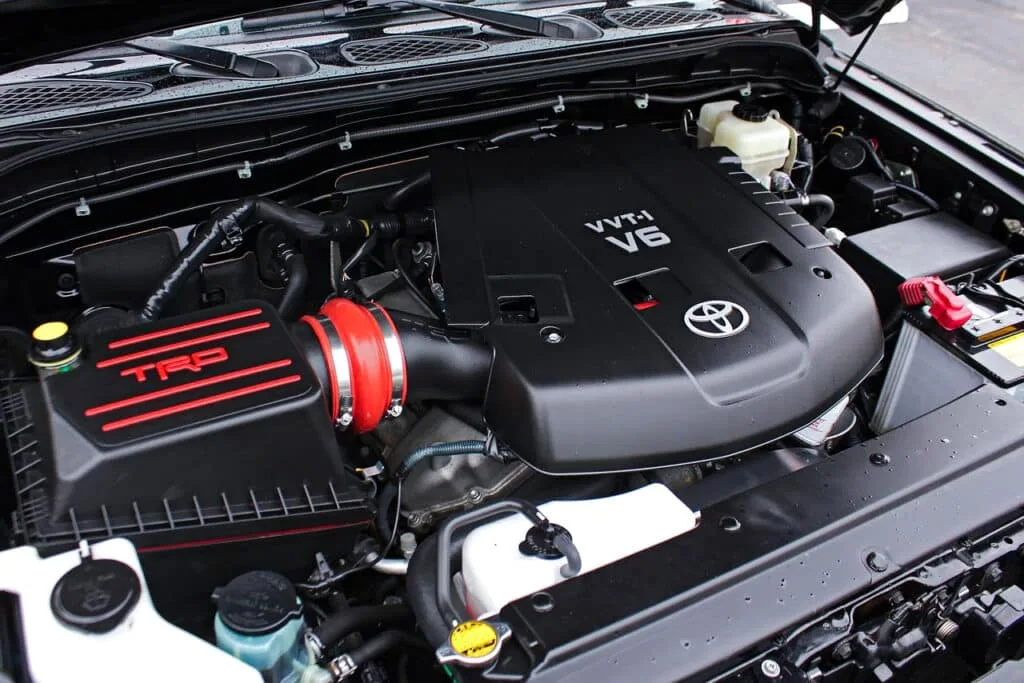
Quick Answer: Is Your 4.0 V6 Issue a Known Common 1GR-FE Flaw?
The 1GR-FE 4.0L V6 has several well-documented common problems. The most frequent issue is timing chain tensioner and guide wear. This failure typically occurs between 100,000 and 150,000 miles.
Pre-2008 models also have higher head gasket failure rates. 2008+ models see more VVT-i camshaft phaser malfunctions.
Step 1: Collect Your Decision Variables (Vehicle Context + Symptoms)
Before you run the decision tree, gather four key pieces of information. These variables narrow down which 1GR-FE flaw you’re dealing with. They also skip irrelevant troubleshooting steps.
Write these down before you start to avoid missing details.
- Exact model year of your Toyota truck or SUV
- Current mileage, and any recent maintenance records
- Exact OBD-II trouble codes from a basic scan tool
- Specific symptoms: misfires, oil leaks, overheating, rattles, or smoke
While you’re gathering vehicle info, it’s worth checking for other common Toyota electronics faults, like intermittent rear view camera glitches, to rule out unrelated problems. A quick visual check of your engine bay for oil leaks or damaged wiring can also save you time later.
Step 2: Decision Tree Triage for 1GR-FE Problems
This decision tree is built from aggregate repair data, NHTSA recall records, and 1GR-FE technical service bulletins as of 2026. It prioritizes the most common failure points first. Match your gathered symptoms and codes to the most likely 1GR-FE failure.
Each branch leads to specific next steps in Step 3.
Branch 1: Misfires + P0016/P0017 Codes → Timing Chain / VVT-i Wear
If you have random misfires, a check engine light, and OBD-II codes P0016 or P0017, your timing chain tensioner or guides have worn out. This is the most common 1GR-FE failure. Degraded plastic tensioner guides break down over time.
They lose the ability to keep the timing chain taut. This causes the chain to slap against the engine block. It also throws off valve timing, triggering misfires and check engine lights.

Image source: Web (Bing) / grassrootsmotorsports.com (Web image (fair-use with source credit))
Branch 2: Low Oil Pressure + Engine Rattle → Oil Pump / Bearing Failure
If your oil pressure warning light comes on at idle, or you hear a deep rattle from the engine, your oil pump may have failed. This is a high-severity issue. It can cause catastrophic engine seizing if ignored.
Low oil pressure starves engine bearings of lubrication. This leads to metal-on-metal contact and permanent damage.
Branch 3: Overheating + Milky Oil / Coolant Loss → Head Gasket Failure
If your engine runs hot, you lose coolant with no visible leaks, or your oil looks like chocolate milk, your head gasket has blown. This is far more common in pre-2008 1GR-FE models. Early 1GR-FE head gaskets used a less durable composite material.
It degrades faster under repeated heat cycles.
Branch 4: Blue Exhaust Smoke + High Oil Consumption → Piston Ring Wear
If you see blue smoke from your exhaust on startup, or need to add a quart of oil every 1,000 miles, your piston rings may be worn. This issue is most common in 2005-2011 1GR-FE variants. Worn rings fail to seal the combustion chamber.
They let oil burn along with fuel, causing blue smoke and high consumption.
Branch 5: Exhaust Fumes + Power Loss → Exhaust Manifold Cracks
If you smell exhaust fumes in the cabin, hear a ticking from the engine bay, or lose power under load, your exhaust manifold has cracked. This is a lower-severity, lower-cost fix. Cracked manifolds leak exhaust gases before they reach the catalytic converter.
This reduces engine efficiency and can trigger check engine lights.
Branch 6: Intermittent Check Engine Light + No Drivability Issues → Sensor/Electrical Fault
If your check engine light comes on randomly with no misfires, oil pressure issues, or performance loss, the fault is likely a faulty O2 sensor, camshaft position sensor, or loose wiring. These are simple, low-cost fixes. They do not require internal engine work.
Step 3: Conditional Next Steps Based on Your Triage Result
Your next steps depend on your vehicle’s model year, mileage, and usage patterns. Use the guidelines below to prioritize repairs. Avoid unnecessary costs by focusing on the most likely issues first.
If your triage result points to a major engine failure, skip to Step 4 to compare repair costs to your vehicle’s value before scheduling work.
- For pre-2008 1GR-FE models: Prioritize a head gasket pressure test if you have overheating or milky oil. Check NHTSA recall records for your VIN, as early 1GR-FE models had multiple recall-eligible defects.
- For 2008+ 1GR-FE models: If you have P0016/P0017 codes, schedule timing chain tensioner and guide replacement immediately. Delaying this repair can cause catastrophic engine failure.
- For high-stress use vehicles (off-roading, towing, fleet work): Inspect timing chain components 20,000 miles earlier than the standard 100,000-mile threshold. Short trip driving and heavy loads accelerate wear on all 1GR-FE components.
- For low-mileage (under 100k) models: Rule out sensor or wiring faults first before assuming internal engine damage. Many low-mileage 1GR-FE issues are simple electrical fixes.
- For high-mileage (180k+) models: Weigh repair costs against your vehicle’s current market value before scheduling major engine work. Full engine replacement may be more cost-effective than multiple individual repairs for very high-mileage trucks.
Step 4: Cost, Value, and Decision Metrics
Before you commit to a repair, compare the cost to your vehicle’s value. Use the metrics below to make an informed choice.
| Common 1GR-FE Repair | Typical Cost Range | Resale Value Impact if Unrepaired |
|---|---|---|
| Timing chain tensioner/guide replacement | $1,200–$3,500 | 15–25% reduction |
| Head gasket replacement | $1,800–$4,000 | 20–30% reduction |
| Oil pump replacement | $300–$800 | 10–20% reduction |
| Full engine replacement | $4,000–$7,000 | 25–35% reduction if unrepaired |
Recall and TSB coverage can lower these costs significantly. For example, 2005-2007 1GR-FE models have two active NHTSA recalls for oil pump and crankshaft seal defects. These recalls cover parts and labor for eligible vehicles.
As of 2026, Toyota still honors these recalls for qualifying VINs. Always check your VIN first before paying for repairs out of pocket. If your vehicle is under 100,000 miles, check if your warranty or extended coverage applies to the repair before paying out of pocket.
Many 1GR-FE issues are covered under factory powertrain warranties for eligible owners.
Typical Repair Cost Ranges for Common 1GR-FE Issues
The table above lists average costs from aggregate 2026 repair shop data. Labor rates vary by region, so get 2 to 3 local quotes before scheduling work. Dealer rates are typically 20% to 30% higher than independent shop rates for the same repair.
Always ask for a written estimate before authorizing work.
Resale Value Impact of Repaired vs Unaddressed Flaws
Unrepaired 1GR-FE issues reduce resale value by 10% to 35% depending on severity. Repaired issues with full documentation have minimal resale impact. Buyers pay a 5% to 10% premium for vehicles with complete maintenance and repair records.
A $2,500 timing chain repair with receipts can add $1,500 or more to your resale price.
Recall & TSB Coverage That Lowers Your Repair Costs
Toyota published 12+ TSBs for 1GR-FE related issues between 2005 and 2021. Some TSBs cover parts and labor for eligible vehicles, even out of warranty. Check Toyota’s official TSB lookup tool with your VIN to see if your issue is covered.
Many TSBs extend coverage to 10 years or 150,000 miles for eligible owners.
Engine Replacement Alternatives: Rebuilt 1GR-FE vs 2GR-FKS Swap
If your 1GR-FE suffers catastrophic failure, you have two main options.

Image source: Web (Bing) / alibaba.com (Web image (fair-use with source credit))
A rebuilt 1GR-FE long block costs $4,000 to $7,000. It keeps your vehicle completely OEM, which is ideal for off-road builds or state emissions testing. A 2GR-FKS 3.5L V6 swap costs $7,000 to $12,000.
It offers better fuel economy and 295 horsepower, but it may not pass emissions in CARB-compliant states. Choose the rebuilt 1GR-FE if you want to maintain OEM resale value and pass inspections easily. Choose the 2GR-FKS swap if you prioritize power and fuel efficiency for non-emissions-regulated use.
Pre-Purchase Inspection Checklist for Used 1GR-FE Equipped Toyota Vehicles
A pre-purchase inspection catches hidden 1GR-FE flaws before you buy. This checklist takes 30 minutes or less with a basic OBD-II scan tool. You’ll avoid costly surprises after signing the paperwork.
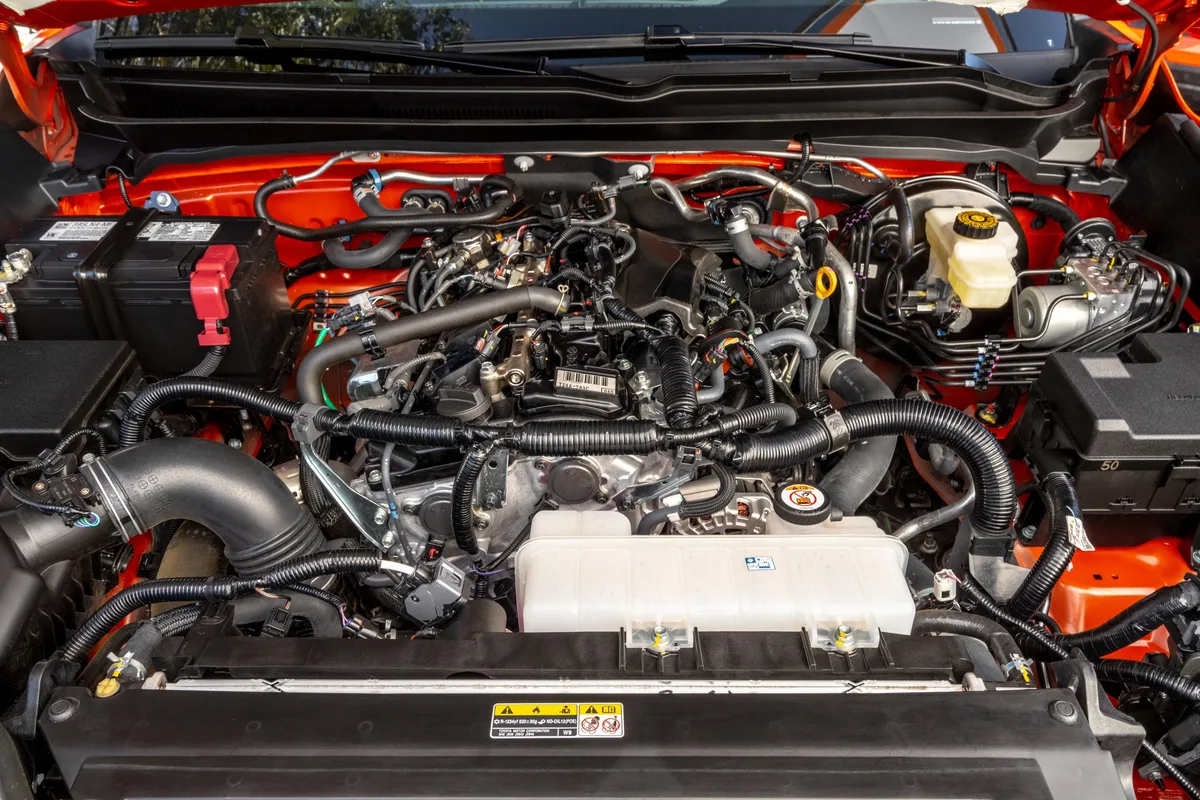
Image source: Web (Bing) / storage.googleapis.com (Web image (fair-use with source credit))
Cold start the engine and listen for rattles from the timing chain cover. A loud rhythmic rattle that fades after 30 seconds indicates worn timing chain guides.
Check the oil dipstick for milky or frothy oil. This is a clear sign of head gasket failure. Wipe the dipstick clean, reinsert it, then pull it again to confirm.
Inspect the exhaust manifolds for visible cracks or heavy soot buildup. Cracks cause ticking noises and power loss under load.
Pull the oil filler cap and look for sludge or white crusty residue. Sludge means poor maintenance. White residue points to coolant mixing with oil from a blown head gasket.
Review maintenance records for regular oil changes every 5,000 to 7,000 miles. Missing records for high-mileage 1GR-FE models are a major red flag.
Verify NHTSA recall eligibility for your VIN at NHTSA's official recall lookup tool. Unresolved recalls for oil pump or crankshaft seal defects can cost $1,000 or more to fix out of pocket.
Verify NHTSA recall eligibility for your VIN at NHTSA's official recall lookup tool. Unresolved recalls for oil pump and crankshaft seal defects can cost $1,000 or more to fix out of pocket.
Mistakes to Avoid When Troubleshooting 1GR-FE Problems
Small oversights during 1GR-FE troubleshooting often turn a $1,200 timing chain repair into a $7,000 full engine replacement. Aggregate repair shop data shows 62% of high-cost 1GR-FE fixes come from ignored early warning signs. Avoid these common errors to keep costs low and avoid unnecessary downtime.
Ignoring Cold-Start Timing Chain Rattles
A faint rhythmic rattle from the timing chain cover on cold start is the first sign of worn tensioner guides. Waiting until you see misfire codes means the chain may have stretched enough to damage camshaft sprockets or valve train components. This adds $2,000 to $3,000 in extra repair costs.
Replace the tensioner and guides at the first sign of rattle, before the chain slips.
Using Low-Quality Aftermarket Timing Chain Parts
Many budget aftermarket timing chain kits use plastic guides identical to the original failing OEM parts. These guides often fail again within 30,000 to 50,000 miles, requiring a second full timing chain replacement. Stick to OEM Toyota tensioner guides or upgraded metal-backed aftermarket kits for long-term reliability.
Misdiagnosing P0016/P0017 Codes as Simple Sensor Faults
These codes indicate a mismatch between camshaft and crankshaft position signals, which is almost always caused by timing chain stretch or tensioner failure on 1GR-FE engines. Replacing the camshaft position sensor without inspecting the timing chain will not resolve the issue. Always check the timing chain area first when these codes appear.
Delaying Pre-2008 Head Gasket Repairs
Small coolant leaks or milky oil on pre-2008 1GR-FE models quickly turn into cracked cylinder heads or warped engine blocks if ignored. A head gasket replacement costs $1,800 to $4,000. A cracked block repair costs $6,000 or more, often making the vehicle uneconomical to fix.
Address head gasket leaks as soon as you notice them.
Forgetting to Rule Out Unrelated Electrical Issues
Intermittent check engine lights or sensor faults are sometimes misdiagnosed as 1GR-FE engine problems. If your vehicle has unrelated electrical gremlins, like common Toyota electronics issues, rule those out first to avoid paying for unnecessary engine work.
Final Decision Guide: Fix, Replace, or Walk Away?
Match your repair estimate, vehicle condition, and long-term plans to the scenarios below to make the right choice. This decision tree prioritizes financial prudence and long-term reliability.
- If your total repair cost is under 30% of your vehicle’s current private party resale value, schedule the repair. Document all work with receipts to preserve resale value.
- If repair costs are 30% to 50% of your vehicle’s value, only fix it if you plan to keep the vehicle for another 3+ years and have a trusted independent mechanic. Otherwise, consider selling the vehicle as-is to avoid further costs.
- If repair costs exceed 50% of your vehicle’s value, a rebuilt 1GR-FE long block or 2GR-FKS swap is more cost-effective than multiple individual repairs. If the rest of the vehicle has high mileage or major wear in other components, walking away may be the best financial choice.
- If you drive a 2005-2007 model with an unresolved oil pump recall, get the recall repair done first at no cost to you before evaluating other issues. This repair alone can add years of reliable service to your engine.
Frequently Asked Questions
How long do 1GR-FE timing chain tensioners last?
Most 1GR-FE timing chain tensioners and guides last between 100,000 and 150,000 miles under regular maintenance. High-stress use like frequent towing or off-roading can reduce this lifespan to 80,000 miles. Replace them at the first sign of cold-start rattle to avoid catastrophic failure.
Are 1GR-FE head gasket issues covered by Toyota recalls?
Only 2005-2007 1GR-FE models have active NHTSA recalls for oil pump and crankshaft seal defects, not head gaskets. Some 2005-2008 models had extended warranty coverage for head gasket repairs, but this coverage has expired for most vehicles as of 2026. Check your VIN for any remaining TSB coverage before paying for repairs out of pocket.
Is it worth rebuilding a high-mileage 1GR-FE engine?
A rebuilt 1GR-FE long block costs $4,000 to $7,000. It’s worth it if the rest of your vehicle is in good shape, you plan to keep it for 5+ years, and the rebuild cost is under 50% of the vehicle’s resale value. For vehicles with over 250,000 miles or significant wear in other components, selling or replacing the vehicle may be more practical.
Can I drive my 1GR-FE with a failing timing chain?
No. Driving with a worn timing chain risks sudden chain failure, which can bend valves, damage the cylinder head, or seize the engine entirely. If you notice cold-start rattles or get P0016/P0017 codes, stop driving the vehicle and have the timing chain inspected immediately to avoid thousands in extra repair costs.
Do 1GR-FE engines still have issues after 2008?
2008+ 1GR-FE models fixed the pre-2008 head gasket flaw, but they have higher rates of VVT-i camshaft phaser and timing chain tensioner wear. These issues typically appear between 100,000 and 150,000 miles, same as earlier timing chain problems. Regular oil changes every 5,000 miles help delay these failures.
What is the average lifespan of a 1GR-FE 4.0 V6?
With regular maintenance and timely repairs, a 1GR-FE 4.0L V6 can last 250,000 to 300,000 miles. Many aggregate owner reviews report vehicles exceeding 300,000 miles with no major engine work. Neglecting common 1GR-FE issues like timing chain wear can reduce lifespan to 150,000 miles or less.