
The Toyota Sienna oil capacity varies by model year and engine type, and knowing the exact number is critical for keeping your engine healthy. Put in too little and you risk metal-on-metal wear. Pour in too much and you can damage seals and cause foaming.
Either way, you are looking at expensive repairs.
Manufacturer specifications indicate that the 3.5L V6 found in 2011-2020 Siennas holds 6.3 quarts of oil with a filter change. The newer hybrid models require just 4.4 quarts. As of 2026, the Sienna remains one of Toyota's most popular minivans.
Understanding what goes under the hood is essential for any owner. Let's break it down by year and engine so you can get it right every time.

Image source: Web (Bing) / forums.whirlpool.net.au (Web image (fair-use with source credit))
Quick Answer
The Toyota Sienna oil capacity depends on the engine. The 3.5L V6 needs 6.3 quarts. The 2.5L hybrid needs 4.4 quarts.
The older 2.7L I4 takes 4.5 quarts. Always use 0W-20 synthetic oil for models after 2011. Check your owner's manual for the exact spec.
Why Getting the Oil Capacity Right Actually Matters
Oil is the lifeblood of your Sienna's engine. Too little oil means the pump cannot circulate enough fluid to lubricate moving parts. That leads to increased friction, higher operating temperatures, and accelerated wear on bearings and piston rings.
Overfilling is just as bad. When the crankshaft spins through excess oil, it aerates the fluid. Air bubbles turn oil into foam.
Foamy oil does not lubricate properly and puts extra pressure on seals, causing leaks.
Toyota engineers designed the Sienna's oil system around a specific volume. Staying within that range ensures proper oil pressure, consistent cooling, and maximum protection. The same principle applies to the correct fluid level in other Toyota models.
Toyota Sienna Oil Capacity by Year and Engine

Image source: Web (Bing) / ebay.com (Web image (fair-use with source credit))
The Sienna has gone through four generations. Each one uses a different engine. Here is the exact oil capacity for every major variant, including the oil filter volume.
| Generation | Model Years | Engine | Oil Capacity (with filter) |
|---|---|---|---|
| First | 1998–2003 | 3.0L V6 (1MZ-FE) | 4.8 quarts |
| Second | 2004–2010 | 2.7L I4 (1AR-FE) | 4.5 quarts |
| Second | 2004–2010 | 3.3L V6 (3MZ-FE) | 5.0 quarts |
| Third | 2011–2020 | 3.5L V6 (2GR-FE / 2GR-FKS) | 6.3 quarts |
| Fourth | 2021–present | 2.5L Hybrid (A25A-FXS) | 4.4 quarts |
3.5L V6 (2011–2020)
This is the most common Sienna engine on the road today. The 2GR-FE and later 2GR-FKS both hold 6.3 quarts of oil with a new filter. That includes the 0.2 quarts the filter itself absorbs.
If you are measuring without a filter change, subtract roughly 0.2 quarts.
2.5L Hybrid (2021–Present)
The fourth-generation Sienna switched to a hybrid-only powertrain. The 2.5L four-cylinder engine uses about 4.4 quarts. That is a significant drop from the V6.
Do not assume the old number applies. Check the dipstick after filling to confirm.
2.7L I4 (2004–2010)
The base engine in second-generation Siennas holds 4.5 quarts. This engine is less common than the V6 options from that era. The 2.7L uses a different oil filter, so double-check the part number before buying.
3.0L V6 (1998–2003)
First-generation Siennas came with the 1MZ-FE V6, which holds 4.8 quarts. These are getting old now, but many are still running strong. Stick with 5W-30 conventional oil unless the engine has high mileage.
Oil Type and Viscosity: 0W-20 vs 5W-30 vs 5W-20
Capacity is only half the story. You also need the right oil type. Toyota recommends specific viscosities for each engine generation.
Using the wrong one can affect fuel economy and engine protection.
| Engine | Recommended Viscosity | Oil Type |
|---|---|---|
| 3.0L V6 (1998–2003) | 5W-30 | Conventional or synthetic blend |
| 2.7L I4 (2004–2010) | 5W-30 or 0W-20 | Synthetic blend recommended |
| 3.3L V6 (2004–2010) | 5W-30 | Conventional or synthetic blend |
| 3.5L V6 (2011–2020) | 0W-20 | Full synthetic |
| 2.5L Hybrid (2021–present) | 0W-16 or 0W-20 | Full synthetic |
The 0W-20 oils used in modern Siennas are full synthetic by design. Toyota engineered these engines around the lower viscosity to improve fuel economy. Using a thicker oil like 5W-30 in a 2015 Sienna might seem like extra protection.
It actually reduces oil flow at startup and lowers fuel mileage.
For the 2021+ hybrid, Toyota specifies 0W-16 in some markets and 0W-20 in others. Check your oil fill cap or owner's manual. Both are full synthetic and thin enough to flow through the hybrid engine's tight clearances.
The American Petroleum Institute certifies oil grades through its engine oil licensing program. Always look for the API donut symbol and the correct viscosity rating. The same caution about using the right oil applies to other Toyota engines.
Common Oil Capacity Mistakes That Can Damage Your Engine
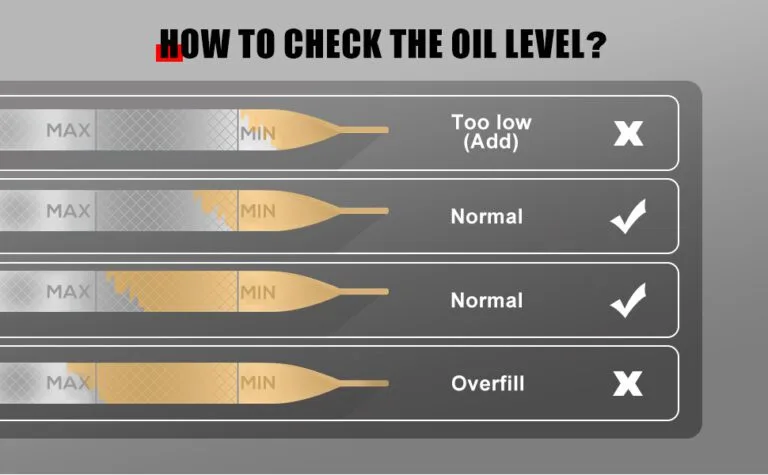
Image source: Web (Bing) / mechanictimes.com (Web image (fair-use with source credit))
Even experienced DIYers make these errors. Here are the most common ones and how to avoid them.
Adding a Full 5-Quart Jug Without Checking
A standard 5-quart jug looks like it should be enough. It is not for the 3.5L V6. That engine needs 6.3 quarts.
Always measure and pour in stages. Add 5 quarts, check the dipstick, then add the remaining 1.3 quarts.
Assuming All Siennas Take the Same Amount
If you upgraded from a 2008 Sienna to a 2018 model, the oil capacity jumped from 5.0 quarts to 6.3 quarts. Guessing based on your old car is a recipe for underfilling. Always verify the exact spec for your specific model year and engine.
Overfilling Because the Dipstick Looks Low
A dry dipstick after a fresh oil change can be misleading. Air pockets in the oil filter and passages take a moment to settle. Fill to the spec, run the engine for 30 seconds, shut it off, wait 5 minutes, and then check the dipstick.
Adding extra oil before the system circulates is the fastest way to overfill.
Using the Wrong Viscosity
Thicker oil does not mean better protection. The 3.5L V6 relies on 0W-20's thin film to reach tight clearances quickly. Older engines like the 3.0L V6 need 5W-30 for proper bearing clearance.
Mixing them up can cause startup wear or reduced oil pressure.
Step-by-Step: How to Check and Fill Your Sienna's Oil

Image source: Web (Bing) / dearmotor.com (Web image (fair-use with source credit))
A proper oil check starts with the right conditions. Park your Sienna on level ground. Let the engine cool for at least 10 minutes after driving.
Hot oil expands and gives a false reading. Cold oil drains back into the pan slowly.
Pull the dipstick out and wipe it clean with a lint-free rag. Push it all the way back in. Pull it out again and read the level.
The oil should sit between the low and full marks. If it is near the low mark, it is time to add.
How to Add Oil Correctly
Remove the oil fill cap on top of the engine. It is usually marked with an oil can icon. Insert a clean funnel to avoid spills.
Toyota recommends adding oil in small increments, about half a quart at a time.
Pour slowly and wait 30 seconds for the oil to settle. Check the dipstick again. Repeat until the level reaches the full mark.
Never fill past the full mark. Overfilling is harder to fix than underfilling.
What About the Drain and Refill?
If you are doing a full oil change, drain the old oil first. Warm the engine for 2 minutes to thin the oil. Place a drain pan under the drain plug.
Remove the plug with a 14mm or 17mm socket depending on your model year.
Let the oil drain completely. This takes about 5 minutes. Replace the drain plug with a new crush washer.
Move the pan under the oil filter and remove it. Let the filter drain, then install a new one. Tighten by hand only.
Pour in the full capacity minus half a quart. Check the dipstick. Add the rest slowly until the level is correct.
Run the engine for 30 seconds, shut it off, wait 5 minutes, and recheck. Top off if needed.
What the Dipstick Is Really Telling You
The dipstick is your best tool for catching problems early. A normal reading shows oil between the two marks. The oil should be amber or light brown.
Dark oil means it is old and needs changing. Milky oil with a creamy texture means coolant is leaking into the crankcase.
Reading Between the Marks
The distance between the low and full marks on a Sienna dipstick represents about 1 quart of oil. If the level is at the low mark, you are roughly 1 quart low. If it is halfway between, you are about half a quart low.
Do not obsess over getting it exactly to the full mark. Being slightly below the full mark is fine. Being above the full mark is not.
The margin for error is small but the consequences are not.
What the Color and Texture Tell You
Fresh oil on a Sienna with a 3.5L V6 should look almost clear with a slight amber tint. After 5000 miles, it darkens to a brownish color. That is normal.
What is not normal is a burnt smell or a gritty texture.
Rub a drop of oil between your fingers. If it feels gritty, you have contamination. That could be dirt entering through a loose fill cap or debris from internal wear.
Either way, it warrants a closer look.
When to Trust the Dipstick
The dipstick is accurate only when you follow the correct procedure. Cold readings from an engine that sat overnight are fine for checking level. The most accurate reading comes after the engine has run and cooled for 5 to 10 minutes.
If the dipstick reads low but you added the correct capacity, check for leaks. Look under the car for puddles and around the valve cover gaskets for seepage. A sudden drop in oil level usually means a leak somewhere.
Oil Filter: What You Need and Why It Matters
The oil filter traps contaminants that would otherwise circulate through the engine. A clogged or incorrect filter restricts oil flow and reduces lubrication. Toyota specifies a specific filter for each Sienna engine.
OEM vs Aftermarket Filters
Toyota genuine filters use high-quality media and a bypass valve calibrated to the engine's oil pressure. Aftermarket filters vary widely in quality. Some meet or exceed OEM specs.
Others cut corners on filter media or bypass valve calibration.
Stick with a reputable brand. Fram, Mobil 1, and Wix all make filters that fit the Sienna. The part number for the 3.5L V6 is typically Toyota 04152-YZZA1 or equivalent.
The hybrid uses a different filter, so verify the part number for your year.
How to Install the Oil Filter Correctly
Before installing a new filter, lubricate the rubber gasket with a thin layer of fresh oil. This prevents the gasket from sticking and tearing at the next removal. Screw the filter on by hand until the gasket contacts the mounting surface.
Tighten it another three-quarters of a turn by hand. Do not use a wrench to tighten the filter. Overtightening crushes the gasket and causes leaks.
It also makes removal nearly impossible without a specialized tool.
When to Replace the Oil Filter
Replace the oil filter with every oil change. That is the standard recommendation from Toyota. The filter holds about 0.2 quarts of oil, so always account for that when you fill the engine.
If you change the oil without changing the filter, you are leaving dirty oil in the system. The old filter still contains contaminated oil that mixes with the fresh oil. It defeats the purpose of a change.
Torque Specs, Drain Plugs, and Crush Washers
The drain plug on a Toyota Sienna requires a specific torque. Too loose and it can vibrate out. Too tight and you risk stripping the threads in the oil pan.
Toyota specifies 30 ft-lbs for most Sienna models.
The Crush Washer
The crush washer is a soft metal ring that sits between the drain plug and the oil pan. It deforms slightly when tightened, creating a seal. Reusing an old crush washer is a common mistake.
The washer hardens over time and loses its ability to seal.
Replace the crush washer every time you change the oil. They cost about a dollar each. A slow drip from a worn washer is not worth saving a buck.
You can buy a pack of ten for a few dollars online.
Torque Without a Torque Wrench
If you do not have a torque wrench, mark the drain plug with a paint pen before removal. Count the number of turns it takes to remove it. When reinstalling, tighten it to the same position plus a tiny bit more.
A better approach is to tighten the plug until it seats, then give it a quarter turn. That is not as precise as 30 ft-lbs, but it is safer than guessing. The drain plug is not a structural bolt.
It does not need to be extremely tight.
Checking for Leaks
After you finish the oil change, start the engine and let it run for 30 seconds. Look under the car for drips around the drain plug and oil filter. If you see oil, shut the engine off and tighten the plug or filter slightly.
Run the engine again and recheck. A small leak at the filter gasket usually means it is not seated properly. A leak at the drain plug usually means the crush washer is not sealing or the plug is loose.
Safety and Disposal: What the Law Says About Used Oil
Used engine oil is classified as hazardous waste in most jurisdictions. The EPA regulates its disposal under federal law. Pouring used oil down a drain, onto the ground, or into the trash is illegal and carries fines.
How to Dispose of Used Oil Properly
Most auto parts stores accept used oil for recycling. Advance Auto Parts, AutoZone, and O'Reilly Auto Parts all have collection programs. Call ahead to confirm they have space.
Some locations limit the amount they accept per visit.
Store the used oil in a clean, sealed container. A dedicated oil drain pan with a spout is ideal. If you use a jug, mark it clearly so no one mistakes it for fresh oil.
Keep it out of reach of children and pets.
What About the Oil Filter?
The oil filter also contains residual oil. Drain it into the used oil container for at least 12 hours before disposal. Some recycling centers accept drained filters.
Others require you to wrap them in newspaper and put them in the trash.
Check your local regulations. Some states require filters to be crushed or punctured to drain completely. Others accept them as-is.
The EPA recommends draining filters for 12 hours before disposal.
Personal Safety
Used oil contains contaminants that can be absorbed through the skin. Wear nitrile gloves when handling used oil. Avoid contact with your eyes and mouth.
Wash your hands thoroughly with soap and water after the job.
If you spill oil on the ground, clean it up immediately. Use cat litter or a commercial absorbent. Sweep it up and dispose of it properly.
Oil that washes into storm drains damages local waterways and wildlife.
How Often Should You Change the Oil in a Toyota Sienna?
Toyota recommends changing the oil every 10,000 miles or 12 months for most Sienna models. That interval applies to the 3.5L V6 and the 2.5L hybrid when using full synthetic oil. But real-world driving often calls for a shorter schedule.
If you do a lot of stop-and-go city driving, short trips, or towing, change it every 5,000 to 7,500 miles. Many owners stick with the 5,000-mile mark for peace of mind. The same caution applies to keeping it running smoothly.
The oil life monitor in your Sienna tracks driving conditions and alerts you when a change is due. It is reasonably accurate. But if you notice the oil looking dark or smelling burnt before the light comes on, do not wait.
When to See a Mechanic vs. When to DIY
An oil change on a Toyota Sienna is one of the easiest DIY jobs you can do. You need basic tools, a drain pan, and about 30 minutes. The 3.5L V6 engine has good access to the filter and drain plug from underneath.
Go the DIY route if you have a level surface, a jack and stands, and basic mechanical confidence. You will save on labor costs and know exactly what oil went in. It is hard to mess up if you follow the capacity and torque specs.
See a mechanic if you lack the tools, the space, or the confidence to get under the car. Also see one if your Sienna has an oil leak you cannot identify. A shop can diagnose the source and fix it properly.
Do not attempt a DIY oil change if the drain plug is stripped or the oil filter is seized. Forcing it can damage the oil pan threads. A mechanic has the tools and experience to handle that situation.
Frequently Asked Questions About Toyota Sienna Oil Capacity
How much oil does a 2015 Toyota Sienna take?
A 2015 Toyota Sienna with the 3.5L V6 engine takes 6.3 quarts of oil with a filter change. That includes the oil the filter absorbs. Use 0W-20 full synthetic oil for the best performance.
Can I use 5W-30 instead of 0W-20 in my Sienna?
Toyota recommends 0W-20 for the 3.5L V6 engines. Using 5W-30 may reduce fuel economy and increase startup wear. If you are in a pinch, 5W-30 is better than running low, but switch back at the next change.
How much oil does a 2022 Toyota Sienna hybrid take?
The 2022 Toyota Sienna hybrid uses a 2.5L four-cylinder engine. It takes 4.4 quarts of 0W-16 or 0W-20 full synthetic oil. Check your oil fill cap for the exact viscosity recommendation.
What happens if I overfill my Sienna's oil?
Overfilling causes the crankshaft to churn the oil into foam. Foam does not lubricate properly. It can also blow out seals and cause leaks.
If you overfill, drain the excess immediately.
Do I need to reset the oil light after a change?
Yes. On most Sienna models, you reset the oil maintenance light by navigating the dashboard menu. The process varies by year but typically involves holding the trip reset button while turning the key to the on position.
How many quarts does a 2008 Toyota Sienna take?
A 2008 Sienna with the 3.5L V6 takes 6.3 quarts. If it has the 3.3L V6, it takes 5.0 quarts. Check your engine size to confirm.
The 3.5L was standard in most trims that year.
Final Takeaway
The Toyota Sienna oil capacity is 6.3 quarts for the 3.5L V6, 4.4 quarts for the hybrid, and 4.5 to 5.0 quarts for older engines. That single number is the foundation of a proper oil change. Pair it with the correct viscosity and a fresh filter, and your Sienna's engine will run smoothly for years.
Keep a quart in the trunk for top-ups between changes. And always check the dipstick.