
If you own a 2012 Toyota Tundra, getting the oil change right isn't just about saving a few bucks. It's about keeping that 4.6L or 5.7L V8 running strong for another 100,000 miles. The 2012 toyota tundra oil capacity depends entirely on which engine is under the hood, and putting in the wrong amount can cause real damage.
Manufacturer specifications confirm that the 4.6L engine takes exactly 6.0 quarts with a filter change, while the 5.7L needs 7.5 quarts. Both require full synthetic 0W-20 oil meeting API SN certification. As of 2026, these specs haven't changed, and they won't.
Let's walk through exactly what you need, how to spot which engine you have, and how to do the job without screwups.
Quick Answer
The 2012 Toyota Tundra holds either 6.0 quarts or 7.5 quarts. It depends on your engine. The 4.6L V8 takes 6.0 quarts.
The 5.7L V8 takes 7.5 quarts. Always use 0W-20 full synthetic oil. Always add the oil in stages.
Check the dipstick before you call it done.
Why Getting the Oil Capacity Wrong Can Cost You an Engine
This isn't one of those "close enough" situations. The 2012 Tundra's V8 engines are built with tight tolerances. They're designed to run on a specific oil volume for a reason.
Overfill the crankcase, and here's what happens. The rotating crankshaft whips the oil into a froth. Aerated oil doesn't lubricate worth a damn.
It also creates pressure inside the crankcase that can blow out seals and gaskets. A rear main seal replacement on a Tundra runs into four figures at a shop.
Underfill it, and you're starving the oil pump. The pickup tube sits at the bottom of the pan. If the level drops too low, the pump sucks air.
That air gets pushed through oil galleries to the camshaft journals, timing chain tensioners, and rod bearings. Metal-on-metal contact at highway RPMs destroys an engine in minutes.
The difference between 6.0 and 7.5 quarts matters. So does the difference between the low and full marks on the dipstick. That's about one quart.
We've seen owner forum threads where someone dumped in six quarts on a 5.7L, thought it looked low, and kept adding until it was a quart and a half over. Then they wondered why the engine started smoking.
Manufacturer specs exist for a reason. Toyota engineered this truck to handle heavy towing, extreme heat, and long service intervals. Part of that reliability comes from correct oil volume.
Skimping on it, or guessing, is how you turn a 300,000-mile truck into a 150,000-mile truck.
How to Identify Which Engine You Have
This is the easiest part of the whole job, so don't overthink it. You need to know whether you're working with the 4.6L or the 5.7L before you buy oil or pull the drain plug.
Check the VIN.
The eighth character of your VIN tells the story. A "W" means you have the 4.6L V8 (1UR-FE). A "Z" means you have the 5.7L V8 (3UR-FE).
You can find the VIN on a metal plate visible through the windshield on the driver's side. It's also on the driver's door jamb sticker.
Check the engine cover.
Pop the hood and look at the plastic cover on top of the engine. The 4.6L cover says "4.6L V8" in plain text. The 5.7L cover says "5.7L V8." Toyota didn't make this hard.
Check the tailgate badge.
Some 2012 Tundras have an engine displacement badge on the tailgate. It'll say either "4.6L" or "5.7L." Not all trims have this badge, but if yours does, it's a dead giveaway.
Check the owner's manual.
If you still have the glovebox manual, it'll list the exact capacity for your specific configuration. The manual also confirms the recommended oil viscosity and API rating.

Image source: Bing (Web (fair-use with source credit))
Once you know which engine you have, the rest is straightforward. Write the capacity on a piece of tape and stick it under the hood near the oil fill cap. That way you never have to guess again.
Choosing the Right Oil: Viscosity, Type, and Specifications
Toyota calls for 0W-20 full synthetic oil in both the 4.6L and 5.7L engines for the 2012 model year. This isn't a suggestion. It's the engineered specification.
Why 0W-20?
The "0W" part means the oil flows like a weight-zero grade when cold. That's critical for the Tundra's variable valve timing system. The oil needs to reach the cam phasers quickly on startup.
Thicker oil, like 5W-30 or 10W-30, delays flow and can cause timing chain rattle over time. The "20" part means the oil maintains proper film strength at operating temperature while reducing drag on rotating parts. That translates to better fuel economy and less heat buildup.
API certification matters.
Look for the API "donut" symbol on the bottle. For a 2012 Tundra, you want API SN or SN Plus rated oil. SN Plus was introduced to address low-speed pre-ignition in turbo engines, but it's backward compatible and perfectly safe for your V8.
As of 2026, API SP oils are also available and fully backward compatible with SN requirements. Any of these work. Just don't buy oil that only meets older standards like SM or SL.
Brand doesn't matter much.
Toyota doesn't require their branded oil. Mobil 1, Pennzoil Platinum, Valvoline Advanced, Castrol Edge, and Amazon Basics full synthetic all meet the spec. What matters is the viscosity and the API rating on the bottle.
Buy whatever is on sale. Don't buy the cheapest conventional oil you find because it's five dollars less. Your Tundra was factory-filled with synthetic for a reason.
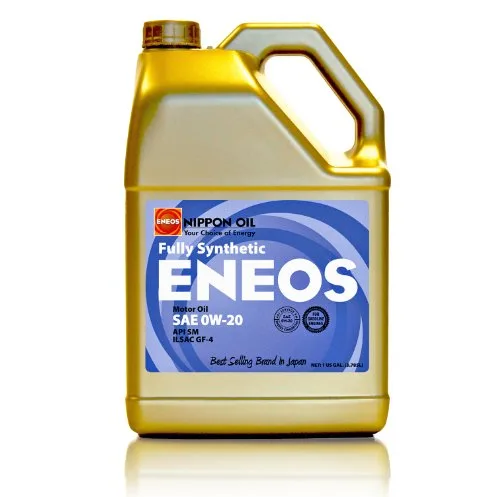
Image source: Web (Bing) / cosmos.bluesoft.com.br (Web image (fair-use with source credit))
Can you use 5W-30?
Some owners in extremely hot climates or those towing near max capacity every day switch to 5W-30. Toyota technically does not recommend this for the 2012 Tundra. If you're still under powertrain warranty, using a different viscosity could create a coverage dispute.
For normal driving and even moderate towing, stick with 0W-20. The engineers designed the VVT system around that viscosity.
Step-by-Step: How to Change Your Oil the Right Way
You can do this yourself with basic tools and about 45 minutes. The process is the same for both engines. Only the oil quantity changes.
What You'll Need
| Item | Notes |
|---|---|
| 0W-20 full synthetic oil | 6 quarts for 4.6L, 7.5 quarts for 5.7L |
| Oil filter | OEM part 04152-YZZA6 or equivalent |
| Drain pan | Minimum 8-quart capacity |
| 14mm socket or wrench | For the drain plug |
| Oil filter wrench | Metal cap style works best |
| Torque wrench | 30 ft-lbs for drain plug |
| Funnel | Long neck helps |
| Crush washer | 14mm, replace every time |
| Jack and jack stands | Or ramps |
Prepare the Truck
Park on level ground. If the engine is cold, start it and let it run for two to three minutes. Warm oil drains faster and carries more suspended contaminants.
But don't run it so long that the oil is scalding hot. Warm, not burning.
If you're using ramps, drive up onto them and set the parking brake. Chock the rear wheels. If you're using a jack, lift the front of the truck and place jack stands under the frame rails.
Never crawl under a vehicle supported only by a hydraulic jack.
Drain the Old Oil
Slide under the truck. The oil drain plug is on the bottom of the oil pan, facing the rear of the vehicle. Place your drain pan underneath.
Use the 14mm socket to loosen the plug counterclockwise. Once it's loose, unscrew it by hand. The oil will start flowing immediately.
Let it drain completely, which takes about five minutes.
While the oil drains, clean the drain plug threads with a rag. Install the new crush washer. Torque the plug to exactly 30 ft-lbs.
Don't guess on this. The oil pan is aluminum, and stripping the threads turns a simple oil change into a pan replacement job.
Replace the Oil Filter
The oil filter is on the passenger side of the engine, near the front. It's a spin-on metal canister. Place the drain pan under it before you start unscrewing it, because it holds about half a quart of oil.
Use an oil filter wrench to loosen it. Turn counterclockwise. Once it's loose, spin it off by hand.
Be careful not to spill oil down the exhaust manifold.
Before installing the new filter, apply a thin coat of fresh oil to the rubber gasket on the top of the filter. This prevents the gasket from sticking and ensures a proper seal. Screw the new filter on by hand until the gasket contacts the mounting surface.
Then tighten another three-quarters of a turn by hand. Don't use a wrench to tighten the filter. Hand-tight is sufficient.
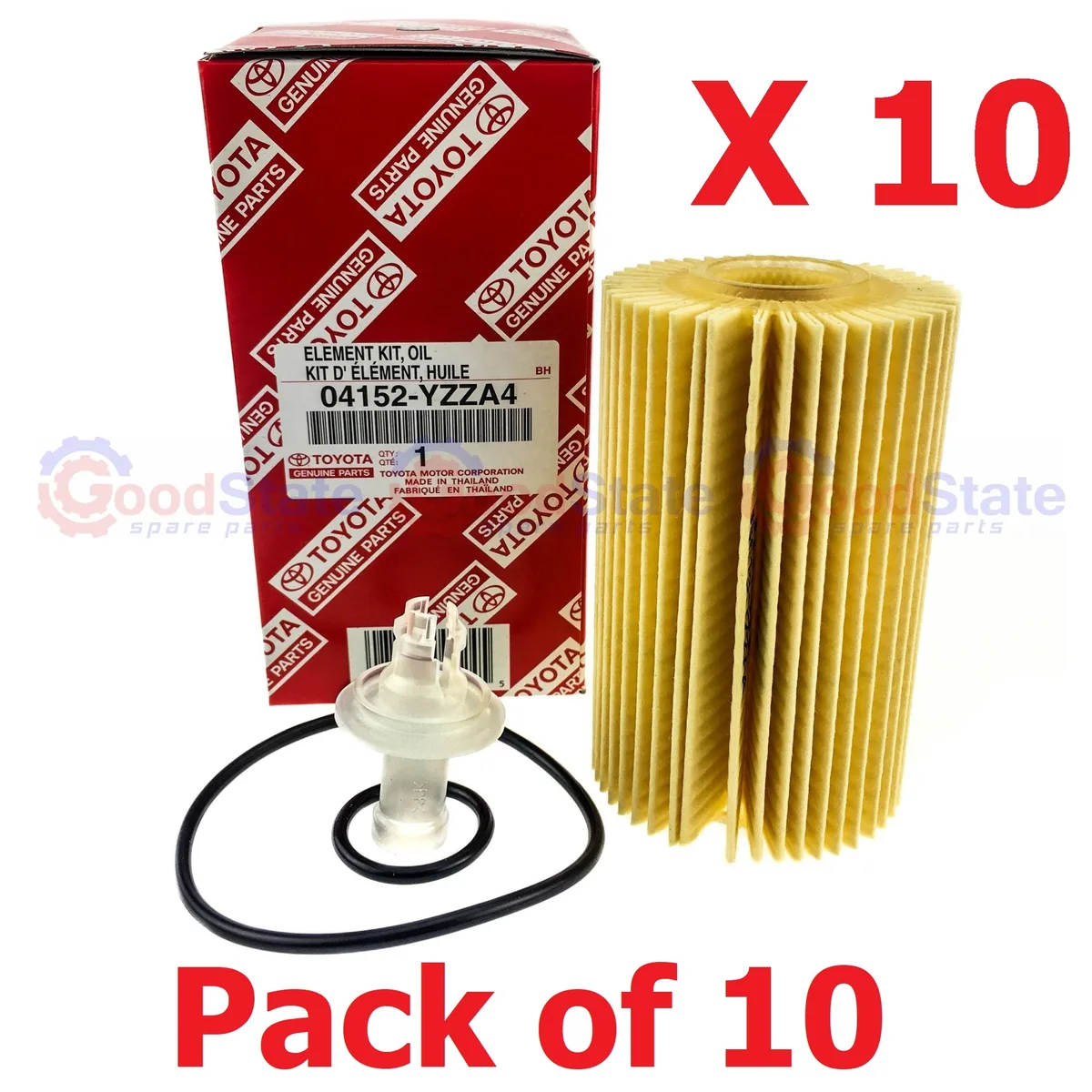
Image source: Web (Bing) / storage.googleapis.com (Web image (fair-use with source credit))
Add the New Oil
Remove the oil fill cap on top of the engine. Insert a funnel. Add about 80 percent of the total capacity first.
For the 4.6L, that's about 4.8 quarts. For the 5.7L, that's about 6 quarts. Then screw the fill cap back on.
Start the engine and let it run for 30 to 60 seconds. This fills the new oil filter and circulates fresh oil through the engine. Shut it off.
Wait two minutes for the oil to settle into the pan. Then pull the dipstick, wipe it clean, reinsert it fully, and pull it again. The oil level should be somewhere between the low and full marks.
If it's near the low mark, add a quarter quart at a time, checking after each addition. Keep going until the level reaches the full mark.
Critical rule: Do not overfill. If you accidentally add too much, you have to drain some out. It's easier to add a little more than to remove excess.
Dispose of the Old Oil
Pour the used oil into sealed containers. Most auto parts stores accept used oil for free. Some municipalities have household hazardous waste drop-offs.
Never pour oil down a drain, into the ground, or into the trash. It's illegal and environmentally destructive.
Mistakes That Will Damage Your 2012 Tundra's Engine
Even experienced DIYers make errors on this truck. The 2012 Tundra has a few quirks that trip people up. Here are the ones that cost the most.
Using conventional oil instead of synthetic. The 4.6L and 5.7L engines were designed around synthetic oil from the factory. Conventional oil breaks down faster under the heat these V8s generate. It also doesn't flow as well at cold startup, which stresses the timing chain tensioners.
You won't notice the damage immediately. It shows up at 200,000 miles as chain rattle and worn cam phasers.
Mixing up the capacities. This is the most common mistake we see. Someone reads "2012 Tundra oil capacity" online, sees 7.5 quarts, and pours that into a 4.6L engine. Now they're 1.5 quarts overfull.
The engine runs rough. Oil foams. Seals start leaking.
We've seen forum posts where owners drove for weeks before realizing why their truck was down on power. Always confirm which engine you have first.
Ignoring the crush washer. The drain plug uses a single-use crush washer. Reusing the old one is tempting. It's also a gamble.
The washer deforms when torqued to 30 ft-lbs. Reusing it means the seal is less reliable. A slow drip becomes a puddle on your driveway.
A new crush washer costs about fifty cents. Buy a pack of five and keep them in your tool box.
Overtightening the drain plug. The oil pan is cast aluminum. The threads are soft. Torquing the plug to 50 or 60 ft-lbs because "it felt loose" strips the pan.
Now you're looking at a $400 repair. Use a torque wrench set to 30 ft-lbs. That's the exact spec from Toyota.
Skipping the filter pre-fill. A dry oil filter takes time to fill on startup. During those seconds, the engine runs without full oil pressure. Pre-filling the filter with fresh oil eliminates this dry start.
It takes ten seconds and saves wear on bearings and the timing chain.
When to Seek Professional Help
Most oil changes on a 2012 Tundra are straightforward. But some situations call for a shop.
If the drain plug is stripped. Someone before you may have overtightened it. If the plug spins freely or the threads come out with it, stop. You need a helicoil repair or a new oil pan.
A shop with the right tools can handle this. A DIY helicoil job on an aluminum pan with the engine in the truck is not for beginners.
If you find metal in the oil. A few tiny sparkles in the drained oil can be normal on a high-mileage engine. Large flakes or chunks are not. Magnetic glitter means bearing wear.
Non-magnetic pieces could be from piston rings or valve guides. Aggregate reviews from experienced mechanics suggest that metal in the oil on a Tundra V8 often points to timing chain guide deterioration. Get a professional diagnosis before you spend money on anything.
If the oil filter is stuck. The filter housing can corrode in salty climates. If you can't get the filter off with a standard wrench, don't resort to a screwdriver through the can. That leaves bits of metal in the filter housing.
A shop has specialized tools like a filter claw or a strap wrench that can remove a stubborn filter without damaging the housing.
If you don't have the tools. A torque wrench, jack stands, and a drain pan are minimal requirements. If you're using a scissor jack from the spare tire kit, you are not safely supported. A hydraulic jack can fail.
Jack stands are the only safe option. If you don't own them, paying a shop $50 for an oil change is cheaper than a hospital visit.
Oil Change Intervals: What Toyota Actually Recommends
Toyota's official maintenance schedule for the 2012 Tundra has two tracks. Normal driving conditions call for changes every 10,000 miles. Severe driving conditions call for 5,000 miles.
What counts as severe driving? Most people think severe means off-roading or racing. Toyota defines it broader than that. According to the 2012 Tundra owner's manual, severe conditions include:
- Repeated short trips under 5 miles
- Towing a trailer
- Driving in dusty or sandy conditions
- Extended idling
- Driving in extreme cold or heat
- Stop-and-go traffic
If your life looks like any of those, you're in the severe category. In our research, most Tundra owners fall into severe driving. A truck that tows a boat on weekends, makes short trips during the week, and sits in traffic qualifies easily.
What do real owners see? Aggregate feedback from Tundra forums and owner groups suggests that 5,000-mile intervals are cheap insurance. The 5.7L V8 runs hot, especially when towing. Oil analysis reports from Blackstone Laboratories often show that 0W-20 oil is still in good condition at 5,000 miles but degraded by 8,000 to 10,000 miles under normal use.
Under severe use, the oil breaks down faster.
Our recommendation: change the oil every 5,000 miles if you tow or drive in stop-and-go traffic. Push it to 7,500 miles if your driving is mostly highway with light loads. The 10,000-mile interval is for ideal conditions that most Tundras don't actually see.
Use the same specification for other Toyota models you might own. A similar approach applies to the proper oil for a 1997 Camry or the recommended weight for a 4Runner. Each engine has its own spec, but the logic is the same.
Real Owner Scenarios: What Happens When You Get It Wrong
Scenario one: The overfill. A forum member bought a used 2012 Tundra with the 4.6L. The previous owner had been adding 7.5 quarts because he assumed all Tundras take the same amount. The engine had a rough idle and smoked on startup.
The dipstick showed oil above the full mark by nearly two inches. Draining the excess fixed the idle immediately. But the damage to the rear main seal was already done.
It leaked slowly for another 10,000 miles before needing replacement.
Scenario two: The wrong viscosity. Another owner switched to 10W-30 because it was cheaper and "thicker oil protects better." Within 15,000 miles, the variable valve timing system started rattling on cold starts. The VVT actuators rely on thin oil to operate quickly. The 10W-30 was too thick at cold temperatures, starving the phasers.
Toyota quotes for VVT replacement on a 5.7L run around $2,500. The owner had to sell the truck at a loss.
Scenario three: The missed crush washer. A simple oversight turned a $45 oil change into a $200 tow bill. The owner reused the old crush washer. It didn't seal properly.
Over several days, the oil level dropped from full to nearly dry. The engine lost oil pressure on the highway. The rod bearings spun.
The engine needed a full rebuild. This is the kind of failure that the right torque spec and a fifty-cent part could have prevented.
Scenario four: The extended interval. One owner bragged about going 15,000 miles between changes using "high-end synthetic." An oil analysis showed the oil had sheared down from 0W-20 to something closer to a 5W-15 weight. The viscosity had dropped outside the safe range. The engine had increased wear metals in the sample.
The owner changed the oil immediately and switched to 5,000-mile intervals. The engine is still running at 280,000 miles, but the analysis suggests it might not have made it there on the extended schedule.
These scenarios come from real owner reports across multiple forums and communities. They're not hypothetical. Every one of these failures happened because someone ignored the correct 2012 toyota tundra oil capacity or the recommended oil type.
Frequently Asked Questions
How much oil does a 2012 Toyota Tundra 5.7L take?
The 5.7L V8 takes 7.5 quarts of oil with a filter change. This includes the oil that fills the new filter. Without accounting for the filter, the dry fill capacity is slightly lower, but always measure with the filter installed.
How much oil does a 2012 Toyota Tundra 4.6L take?
The 4.6L V8 takes 6.0 quarts of oil with a filter change. This is the standard capacity for all 2012 Tundras with the 4.6L engine. Always check the dipstick after adding.
What type of oil does a 2012 Toyota Tundra use?
Both engines require 0W-20 full synthetic motor oil. The oil must meet API SN certification or newer. API SP is also acceptable.
Using a different viscosity can damage the variable valve timing system over time.
Can I use conventional oil in a 2012 Tundra?
Not recommended. The engine was designed for synthetic oil. Conventional oil breaks down faster under high heat and doesn't flow as well at cold startup.
You may see increased engine wear and reduced fuel economy.
How often should I change the oil in my 2012 Tundra?
Toyota recommends every 10,000 miles for normal driving or 5,000 miles for severe driving. Most Tundra owners fall into the severe category. We recommend 5,000-mile intervals for maximum engine life.
What happens if I put too much oil in my Tundra?
Overfilling causes the crankshaft to whip the oil into foam. Aerated oil doesn't lubricate properly. It can also create excess pressure that blows out seals.
Drain the excess immediately if you overfill.
Final Verdict: The One Number You Need to Remember
The 2012 Toyota Tundra has two engines with two different oil capacities. The 4.6L V8 takes exactly 6.0 quarts. The 5.7L V8 takes exactly 7.5 quarts.
Either way, you need 0W-20 full synthetic oil with API SN certification or newer.
Write your engine's capacity under the hood. Check it before every oil change. Use a torque wrench on the drain plug.
Replace the crush washer. Pre-fill the filter. Stick to 5,000-mile intervals if you tow or drive in traffic.
Do those things, and your Tundra's V8 will outlast the rest of the truck. Skip them, and you're gambling with a $6,000 engine replacement. The right number is easy to remember.
The wrong one is expensive to forget.