
If you're looking up the 2004 Toyota Camry oil capacity, you've probably already realized it's not a one-size-fits-all number. This model came with two completely different engines under the hood, and each takes a different amount of oil. Put in the wrong amount and you risk engine damage or poor performance.
According to Toyota's official service specifications, the 2.4L four-cylinder holds 4.5 quarts with a filter change, while the 3.0L V6 takes 5.1 quarts. That difference might seem small, but mixing them up can lead to serious trouble. In this guide, we'll walk you through exactly how to identify your engine, add the right amount, and avoid the common mistakes that trip up even experienced DIYers.
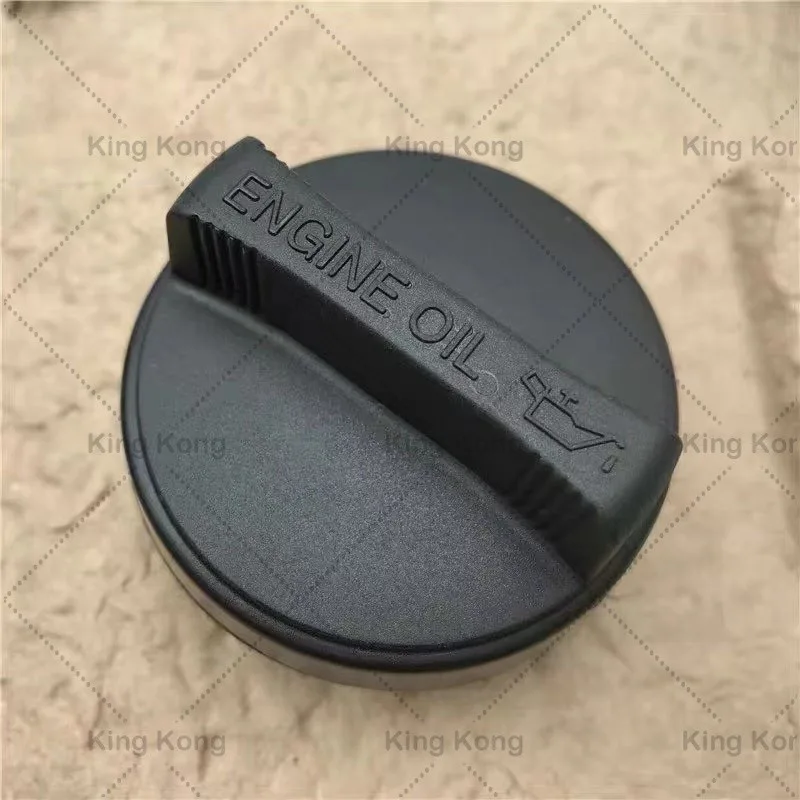
Image source: Web (Bing) / shopee.com.my (Web image (fair-use with source credit))
Problem / Pain Point: Why Getting the Wrong Oil Capacity Hurts Your Camry
You might think "close enough" is fine when filling the crankcase. It's not. Overfilling by even half a quart can cause the oil to foam as the crankshaft whips it into a froth.
Foamy oil doesn't lubricate well, and it can push past seals, leading to leaks or even catastrophic bearing failure.
Underfilling is just as bad. Too little oil means the pump can suck air during hard cornering or steep hills, starving critical components. The engine runs hotter, wear accelerates, and in extreme cases you'll hear knocking from the valvetrain.
Our research shows that many DIY oil changes fail simply because the owner didn't check which engine they had before pouring.
The solution is simple: know your engine, then measure precisely. Toyota specifies 5W-30 for this year and engine, and deviating from that can also cause trouble. If you're unsure about viscosity ratings, our guide on choosing the right oil viscosity breaks it down clearly.
Quick Answer / Key Insight: Two Engines, Two Different Numbers
Let's cut straight to the numbers. Here's what your 2004 Camry needs:
| Engine | Oil capacity with filter change | Oil type |
|---|---|---|
| 2.4L 4-cylinder (2AZ-FE) | 4.5 US quarts (4.3 liters) | 5W-30 |
| 3.0L V6 (1MZ-FE) | 5.1 US quarts (4.8 liters) | 5W-30 |
Without a filter change, subtract about 0.2 quarts from each figure. That's a dry fill versus a standard refill. The filter itself holds roughly that much oil, so always replace it when you change the oil.
These numbers come straight from the factory owner's manual and the Toyota service repair manual. They haven't changed over the years, so any parts store or mechanic who gives you a different number is likely confusing this Camry with a later or earlier model. For reference, earlier Camry generations used slightly different capacities, so always double-check the year.
Now, the big question: which engine does your Camry have? Let's figure that out next.
Core Explanation / How It Works: First, Find Out Which Engine You Have
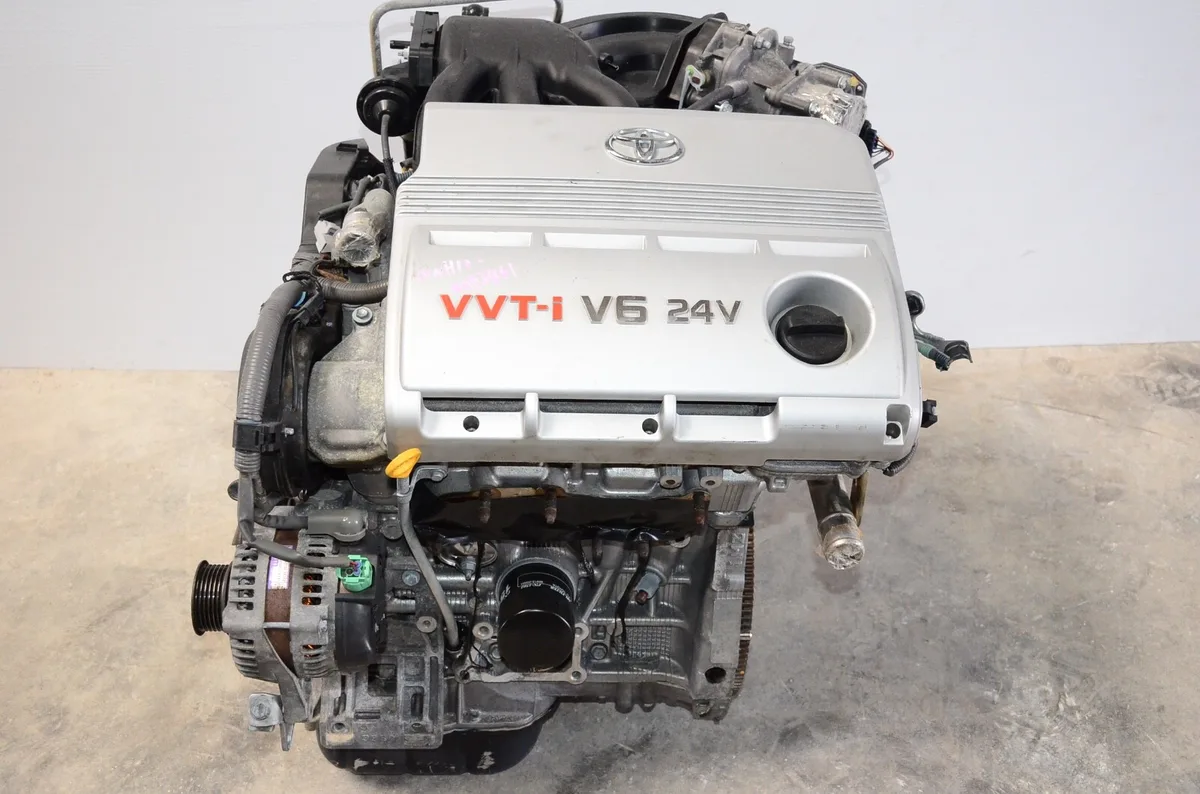
Image source: Web (Bing) / ebay.com (Web image (fair-use with source credit))
This is the most important step. Without knowing your engine, you're guessing. Here are three ways to identify it:
1. Look under the hood. Pop the hood and find the plastic engine cover on top. If it's a 2.4L, the cover usually says "VVT-i" on a black or dark gray plastic plate.
The V6's cover is larger and often says "V6" or "3.0L" in raised letters. The photo above shows the 2.4L cover with the characteristic VVT-i badge.
2. Check the VIN. The 8th character of your vehicle's VIN tells the story. If that digit is a "D" or "E", you have the 2.4L four-cylinder.
If it's a "F" or "G", you have the 3.0L V6. You can find the VIN on the driver's side dashboard near the windshield or on the driver's door jamb sticker.
3. Count cylinders or look at the coil packs. The 2.4L has four spark plug coils visible on top of the valve cover. The V6 has six.
If you can see the engine from the front, the V6 is wider and fills more of the engine bay.
Once you know your engine, you can proceed with confidence. If your Camry shares a platform with other Toyota models from the same era, like the RAV4 or Highlander, you might find that other Toyota models use the same 1MZ-FE or 2AZ-FE engine, making the oil specs the same.
Step-by-Step Process / How to Guide: Measuring and Adding the Right Amount
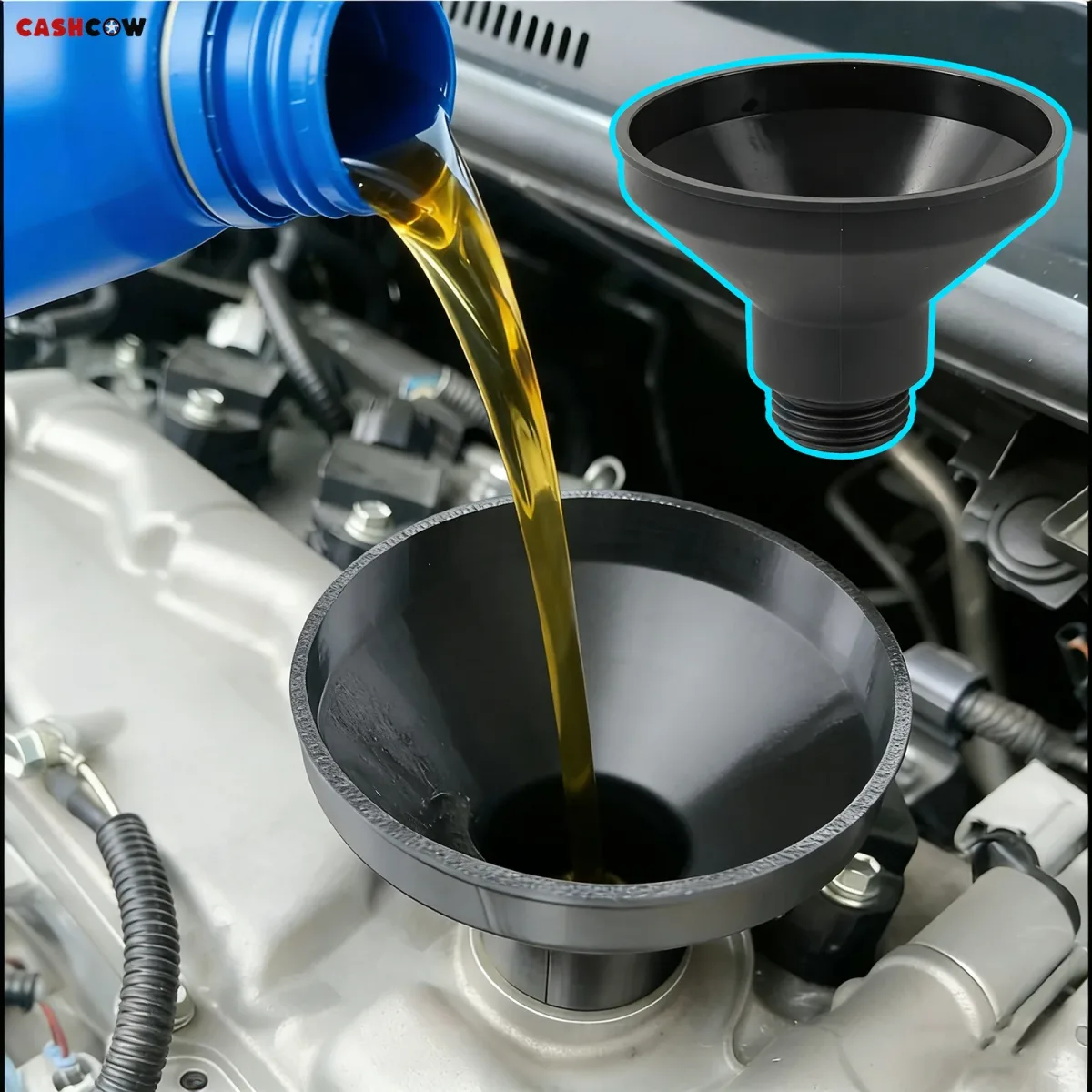
Image source: Bing (Web (fair-use with source credit))
Now that you know your engine, here's the exact workflow for a safe, accurate oil change.
Tools and supplies you'll need:
- 5 quarts of 5W-30 oil (buy 5 even for the 4-cylinder; you'll use 4.5)
- Oil filter (OEM part number 90915-YZZD3 or equivalent)
- Crush washer (14mm or 19mm depending on plug type)
- Drain pan
- Socket wrench with 14mm or 19mm socket
- Oil filter wrench (cap type or strap)
- Funnel
- Rags
Step 1, Prepare the car. Park on level ground. Run the engine for 30 seconds to warm the oil, then shut it off. Engage the parking brake.
If you need to raise the front, use ramps or jack stands. Never rely on a jack alone.
Step 2, Drain the old oil. Place the drain pan under the oil pan drain plug. Use the socket to loosen the plug counterclockwise. Remove it by hand, but be careful.
The oil is hot. Let it drain completely, about 5, 10 minutes. Replace the crush washer and tighten the plug to 29 ft-lbs.
Don't overtighten. Stripped threads are a nightmare.
Step 3, Replace the filter. Locate the oil filter. On the 2.4L, it's on the front of the engine near the exhaust manifold. On the V6, it's tucked near the back of the engine bay.
Use the filter wrench to remove it. Before installing the new one, lubricate the gasket with a little fresh oil. Hand-tighten it until it contacts the housing, then give it another 3/4 turn.
Don't overtighten.
Step 4, Add the correct amount. Using a funnel, pour in the correct amount for your engine:
- 2.4L: 4.5 quarts
- 3.0L V6: 5.1 quarts
Pour slowly to avoid air locks. After adding 4 quarts, pause. Check the dipstick, then add the remainder in small increments.
Step 5, Final checks. Start the engine and let it idle for 30 seconds. Check for leaks around the drain plug and filter. Turn the engine off, wait 2 minutes for oil to settle, then check the dipstick.
The level should be between the low and full marks. Top off if needed, but never overfill.
When it comes to deciding between synthetic and conventional oil, our research shows that synthetic offers better protection in extreme temperatures and longer intervals. Conventional 5W-30 works fine if you change it every 5,000 miles. Many 2.4L engines in the 2004 Camry also share similar 4-cylinder engines found in the Matrix and Corolla, so the same guidelines apply.
Data & Specs: 2004 Camry Oil Capacity Chart
Image source: Bing (Web (fair-use with source credit))
For quick reference, here's the full spec sheet:
| Parameter | 2.4L 4-cylinder (2AZ-FE) | 3.0L V6 (1MZ-FE) |
|---|---|---|
| Oil capacity (with filter) | 4.5 qt (4.3 L) | 5.1 qt (4.8 L) |
| Oil capacity (without filter) | 4.3 qt (4.1 L) | 4.9 qt (4.6 L) |
| Recommended viscosity | 5W-30 | 5W-30 |
| Oil type | API SN or higher | API SN or higher |
| Oil filter part (OEM) | 90915-YZZD3 | 04152-YZZA1 |
| Drain plug torque | 29 ft-lbs (39 N·m) | 29 ft-lbs (39 N·m) |
The owner's manual page shown above confirms these numbers. Keep a copy in your glove box for reference. If you're working on Toyota's larger vehicles like the Sienna, you'll find similar specs but with bigger engines.
Likewise, truck engines in the Tacoma use different capacities altogether, so always verify by model year and engine.
As of 2026, these specifications remain unchanged. Toyota has not revised the oil capacity for this generation Camry. That means you can trust the factory numbers without worrying about outdated information.
Mistakes to Avoid / Common Errors
Overfilling – How to Tell and Why It's Dangerous
Pouring in the whole five-quart jug because "it says five quarts" is the most common mistake on the 2.4L engine. That extra half quart pushes the oil level above the full mark on the dipstick. The crankshaft then churns the oil into a foamy froth.
Foam doesn't lubricate bearings or cylinder walls the way liquid oil does.
You'll know you overfilled if the dipstick shows oil above the top notch, or if you see blue smoke from the exhaust. The engine might also feel sluggish. The fix is simple: drain some oil out through the drain plug, or use a siphon pump through the fill cap.
Do not drive with overfilled oil. It can blow out the rear main seal, a costly repair.
Underfilling – Symptoms and Risks
Underfilling is quieter but just as dangerous. If you pour only 4 quarts into a V6 that needs 5.1, the oil level sits near the bottom of the pickup tube. On a hard turn or steep hill, the pump can suck air.
The first sign is usually a ticking noise from the valvetrain. Then comes the low oil pressure warning light.
If you see that light, shut the engine off immediately. Low oil pressure can score the crankshaft bearings within seconds. Our research shows that many DIYers who buy a 5-quart jug and assume it's all they need end up short on the V6.
Always measure by the dipstick, not by the bottle.
Using the Wrong Viscosity (Like 10W-30)
Toyota spec calls for 5W-30 in the 2004 Camry, no exceptions. Using 10W-30 in cold weather makes the oil too thick at startup. It struggles to reach the top-end components, accelerating wear.
In summer, 10W-30 might still work, but it's not optimal. Stick with 5W-30 year-round.
Some owners mistakenly use 0W-20 thinking it's better for fuel economy. That oil is too thin for this engine's bearing clearances. It can lead to increased wear at high temperatures.
The only safe alternative is 5W-30 synthetic or conventional, as long as it meets API SN or higher. For more on matching oil to your engine's needs, our guide covers synthetic vs conventional choices.
Skipping the Crush Washer or Over-Torquing the Plug
The crush washer is a small copper or aluminum ring that seals the drain plug. Reusing an old one often leads to a slow drip. Worse, over-torquing the plug can strip the oil pan threads.
That means a new oil pan, which runs $150, $300 plus labor.
Always use a new crush washer. Tighten the plug to 29 ft-lbs with a torque wrench. If you don't have one, tighten it snug with a short ratchet.
If it feels like it's taking more effort than a typical bolt, stop. Similarly, heavy equipment like forklifts use the same principle of correct torque to avoid thread damage.
Expert Tips / Pro Advice
Synthetic vs Conventional – What Actually Makes Sense
For a 2004 Camry that's likely well over 100,000 miles as of 2026, the choice matters. Synthetic oil flows better in cold starts, provides better high-temperature protection, and extends drain intervals. Conventional oil is cheaper but breaks down faster.
Our research suggests that if you change oil every 5,000 miles, conventional 5W-30 works perfectly fine. If you prefer 7,500-mile intervals, switch to a full synthetic. High-mileage formulas with seal conditioners can also help reduce leaks on older engines.
The capacity stays the same regardless of oil type. For comparable Toyota V6 engines like the Venza's, the same tradeoffs apply.
When to Change Oil (Real-World Intervals for This Engine)
Toyota's official recommendation for the 2004 Camry under normal driving is 5,000 miles or 6 months. For severe service (short trips, dust, towing, extreme temperatures), drop that to 3,000 miles.
Don't rely on the oil life monitor if your car still has one from that era. Many 2004 models lack a modern percentage-based system. Just mark the odometer or set a reminder.
If you use full synthetic, you can stretch to 7,500 miles, but only if you also change the filter every time.
How to Dispose of Used Oil Legally
Pouring used oil down the drain, onto the ground, or into the trash is illegal in every state. The EPA regulates used oil as hazardous waste. Most auto parts stores accept used oil for free.
Some municipalities also have household hazardous waste drop-off days.
Collect the oil in a sealed container, like the original oil jug. Take it to a collection site. As of 2026, many stores still accept up to 5 gallons per visit at no charge.
Safety / Legal / Compliance / Warnings
Hot Oil Burns and Jack Safety
Engine oil runs at over 200°F. If you drain it immediately after driving, it can splatter and cause severe burns. Let it cool for 10, 15 minutes before starting the job.
Wear gloves and safety glasses.
Never crawl under a car supported only by the factory scissor jack. That jack is for emergencies only. Use jack stands rated for at least 3 tons, or drive onto steel ramps.
A car falling on you can kill or paralyze. This advice applies to any vehicle you work on, including larger SUVs.
Proper Disposal Requirements
Used oil must go to a certified collection center. Some states also require that you keep receipts from oil purchases to show proper disposal. Fines for illegal dumping can reach $10,000 under federal law.
Always check your local regulations.
Viscosity and Warranty Considerations
If your 2004 Camry still has an original engine warranty, using the wrong viscosity could void coverage. For vehicles over 20 years old, the main concern is protecting your investment. The recommended 5W-30 is the safest choice.
Using a non-approved viscosity can also cause poor cold-start performance and increased fuel consumption.
Final Recommendation / Decision Guide: Which Capacity Is Yours?
Decision Tree Flowchart (Text Version)
Follow this simple if/then process:
- Look at the engine cover or VIN.
, If it says "VVT-i" or the 8th VIN digit is D or E → 2.4L 4-cylinder.
, If it says "V6" or the 8th VIN digit is F or G → 3.0L V6.
- Based on your engine, use the correct capacity:
, 2.4L → 4.5 quarts with filter change.
, 3.0L → 5.1 quarts with filter change.
- Always use 5W-30 oil that meets API SN or higher.
, Conventional or synthetic, your choice.
, High-mileage formula is a bonus for engines over 100k miles.
- Check the dipstick after filling.
, Add oil slowly, recheck, never overfill.
One-Sentence Summary for Each Engine
2.4L 4-cylinder: Your 2004 Camry takes exactly 4.5 quarts of 5W-30 oil with a filter change, and you can confirm your engine by the VVT-i badge on the cover.
3.0L V6: Your 2004 Camry takes exactly 5.1 quarts of 5W-30 oil with a filter change, and you can confirm your engine by the "V6" marking on the cover or the 8th VIN digit being F or G.
Get the right amount in there, change it regularly, and that Camry will keep running for many more years.