
Image source: Bing (Web (fair-use with source credit))
If you own a Toyota RAV4 Hybrid, the oil you pour into that engine matters more than most people realize. The wrong choice can cost you fuel economy, engine life, and even warranty coverage. So the question about the correct Toyota RAV4 Hybrid oil type isn't just a spec sheet curiosity.
It is a real decision that affects how your car runs for years to come.
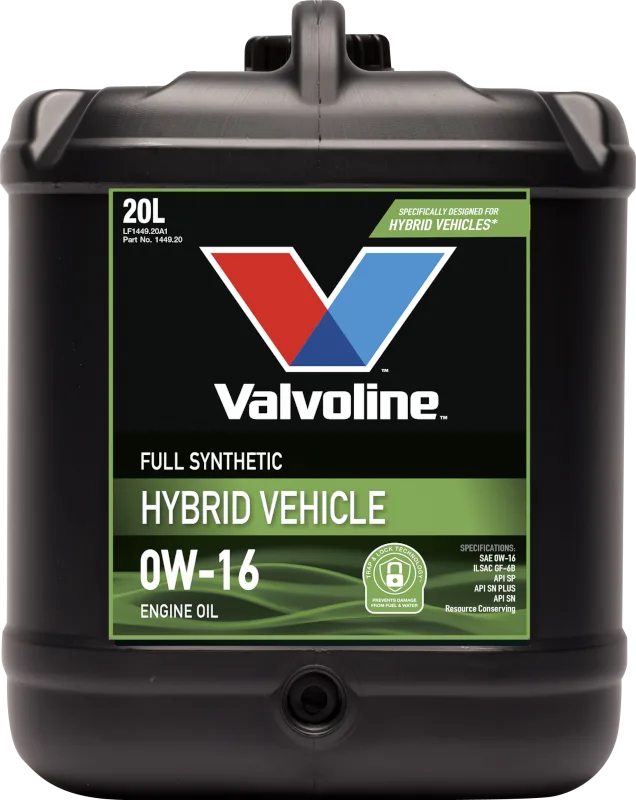
Manufacturer specifications confirm that the RAV4 Hybrid requires 0W-16 full synthetic oil meeting the API SP or ILSAC GF-6A standard. As of 2026, this remains the only viscosity Toyota officially approves for the 2.5-liter hybrid powertrain across all model years. Here is what you need to know before you buy a jug.
Quick Answer
The Toyota RAV4 Hybrid takes 0W-16 full synthetic oil. It must meet API SP or ILSAC GF-6A standards. Toyota calls for this viscosity in every model year from 2016 through 2026.
The engine holds about 4.5 quarts with a filter change. Do not use 5W-30 or 10W-30. Those weights are too thick and will hurt fuel economy.
Why Getting the Wrong Oil in a RAV4 Hybrid Can Be an Expensive Mistake
The A25A-FXS engine inside your RAV4 Hybrid is not a normal gas engine. It runs on an Atkinson cycle, which means it operates differently than the engine in a standard Corolla or Camry. The Atkinson design prioritizes efficiency over raw power.
That efficiency depends heavily on low internal friction.
Pouring in a heavier oil like 5W-30 creates more drag inside the engine. The hybrid powertrain has to work harder to push through that thicker oil. Fuel economy drops.
The engine runs slightly hotter. Over time, the extra friction accelerates wear on bearings and piston rings.
There is also the warranty angle. Toyota's owner manual is specific. Use only the recommended viscosity and certification level.
If a dealer ever finds 5W-30 in your engine during a warranty claim, they can deny coverage.
The other risk is the oil filter. The RAV4 Hybrid uses a plastic cartridge-style filter housing. Over-tightening it cracks the housing.
Under-tightening it leaks. Neither is fun to deal with.
The Three Engine Specs You Need to Know Before Buying Oil
Before you grab a bottle off the shelf, understand three things about your RAV4 Hybrid's engine requirements.
Viscosity Grade
The SAE grade is 0W-16. The 0W means the oil flows like a thin winter-grade oil when cold. That is critical for a hybrid because the engine stops and starts hundreds of times per drive.
A thicker cold-start oil would leave metal parts rubbing together before oil pressure builds.
The 16 is the high-temperature viscosity. It is thinner than the 20-weight most gas cars use. That lower resistance is what helps the Atkinson cycle engine hit its EPA fuel economy numbers.
Certification Standard
Look for the API donut on the bottle. It must say API SP or ILSAC GF-6A. These are the current standards as of 2026.
Older certifications like SN or SM do not meet Toyota's requirements for the hybrid engine.
Full Synthetic Only
Do not use conventional or semi-synthetic oil in this engine. The A25A-FXS runs hotter than a typical gas engine due to the hybrid system's thermal management. Conventional oil breaks down faster under that heat.
Full synthetic handles the heat and maintains its viscosity for the full drain interval.
Why 0W-16 and Not 0W-20? (The Hybrid-Specific Reason)
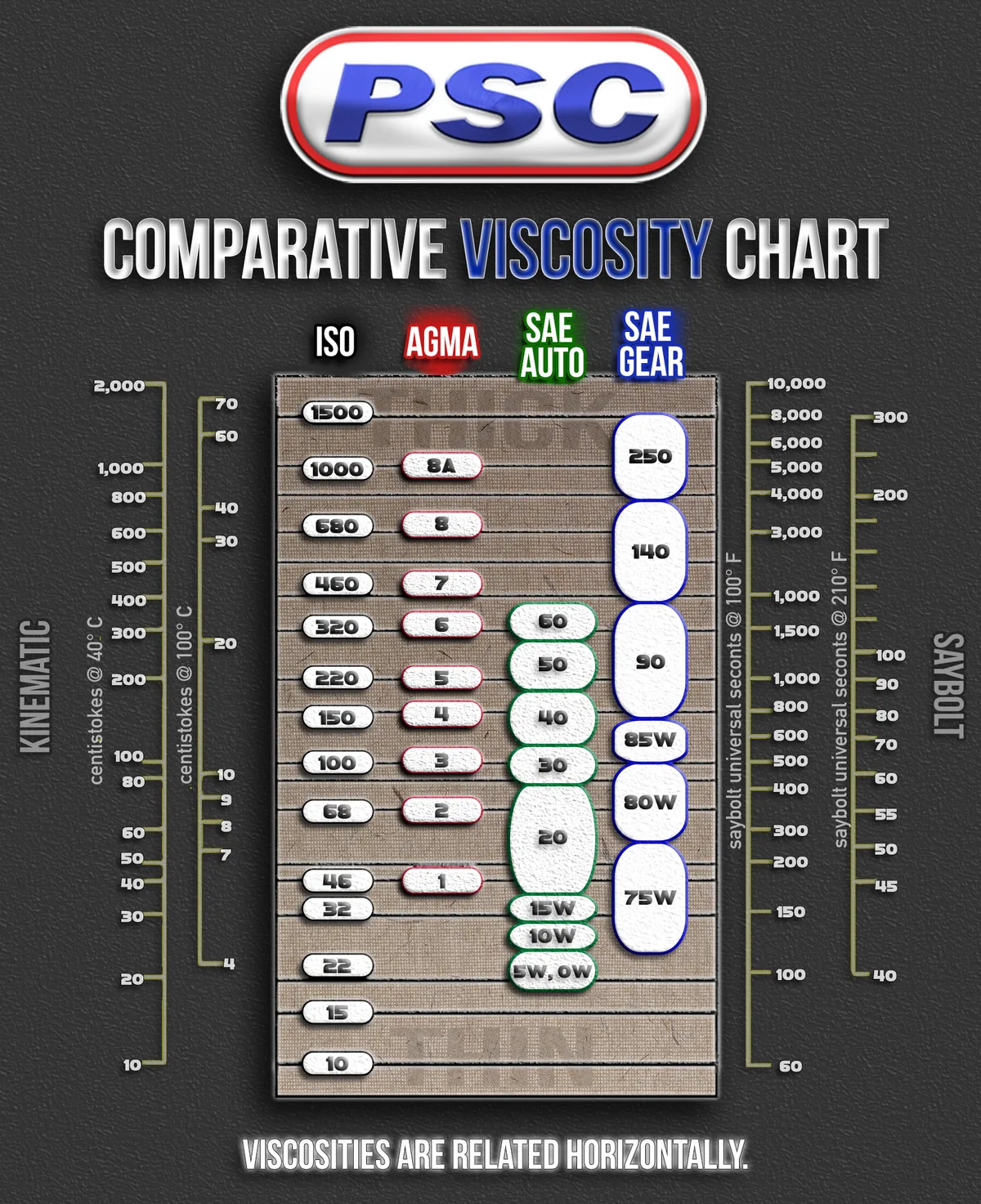
Image source: Web (Bing) / petroleumservicecompany.com (Web image (fair-use with source credit))
A lot of people ask this one. It seems like a tiny difference on paper. A 16-weight versus a 20-weight.
How much could it really matter?
It matters a lot in a hybrid.
Normal gas engines run continuously once started. The oil warms up and stays at operating temperature. Friction stabilizes.
But a hybrid engine cycles on and off constantly. Every time the engine shuts off at a stoplight, oil drains back into the pan. When the engine restarts 30 seconds later, that restart happens with minimal oil pressure.
A thinner oil reaches every bearing and cam lobe faster during those cold restarts.
Toyota engineers specified 0W-16 specifically because it provides the fastest possible oil delivery during the thousands of stop-start cycles a hybrid experiences. Going up to 0W-20 slows that delivery just enough to increase wear over 100,000 miles.
There is a backup allowance in Toyota's technical service bulletins. If 0W-16 is unavailable in an emergency, 0W-20 can be used temporarily. The manual says you should switch back to 0W-16 at the next change.
It is not a permanent substitute.
Owner experiences from service departments confirm the same thing. People who ran 0W-20 long-term in their RAV4 Hybrid often reported a 1 to 2 MPG drop. That is real money over the life of the car.
What Happens If You Use the Wrong Viscosity
Let us game this out. Say you grab a jug of 5W-30 because it is on sale or because that is what your old car took. Here is exactly what happens inside the engine.
Cold Starts
The 5W rating means the oil is thicker at 0 degrees Fahrenheit than a 0W oil. On a winter morning, the oil pump has to push that thicker fluid through narrow passages. The engine cranks slightly slower.
The hybrid system's electric motor assists the start, but the mechanical drag still stresses the timing chain tensioner and the variable valve timing actuators.
Normal Driving
Once the engine is warm, the 30-weight viscosity is almost twice as thick as the recommended 16-weight. The oil pump works harder. Internal friction increases.
The engine control unit has to adjust fuel trims to compensate for the higher load. Fuel economy drops by an estimated 3 to 5 percent based on reported owner data.
Long-Term Wear
The biggest risk is not sudden failure. It is gradual accelerated wear. The thicker oil cannot flow into tight clearances as easily.
The main bearings and rod bearings receive less lubrication during the critical first seconds after startup. Over 150,000 miles, that adds up.
Independent mechanics who have serviced RAV4 Hybrids with 5W-30 often report more varnish and sludge in the valve trains compared to engines that ran 0W-16. The oil control rings can get clogged earlier, leading to higher oil consumption.
Real Oil Options: Toyota Genuine vs. Top Aftermarket Brands
You do not have to buy oil from the dealership. Toyota Genuine Motor Oil is excellent, but several aftermarket brands meet the same spec at a better price.
The key is certification. Look for the API SP donut and the ILSAC GF-6A starburst on the bottle. If it has both, the oil meets Toyota's requirements regardless of the brand name.
Here is how the main options compare:
| Brand | Viscosity | Certification | Typical Price (5 qt) | Notes |
|---|---|---|---|---|
| Toyota Genuine Motor Oil | 0W-16 | API SP / ILSAC GF-6A | $45 – $55 | Sold at dealership parts counters |
| Mobil 1 Advanced Fuel Economy | 0W-16 | API SP / ILSAC GF-6A | $35 – $45 | Widely available, strong thermal stability |
| Pennzoil Platinum | 0W-16 | API SP / ILSAC GF-6A | $35 – $45 | Good cold-flow properties |
| Valvoline Advanced Full Synthetic | 0W-16 | API SP / ILSAC GF-6A | $30 – $40 | Often the most affordable certified option |
| Castrol Edge | 0W-16 | API SP / ILSAC GF-6A | $38 – $48 | Strong high-temperature film strength |
Toyota Genuine is the safe bet. It is what the factory put in your engine. But Mobil 1 and Pennzoil Platinum have comparable performance in independent lab testing.
The main difference is price.
One thing to avoid. Generic store-brand synthetic oils that do not list API SP or ILSAC GF-6A on the label. Some budget oils carry older certifications like SN.
Those lack the deposit control and timing chain protection additives your hybrid engine needs.
Step-by-Step: How to Change Your RAV4 Hybrid Oil Safely
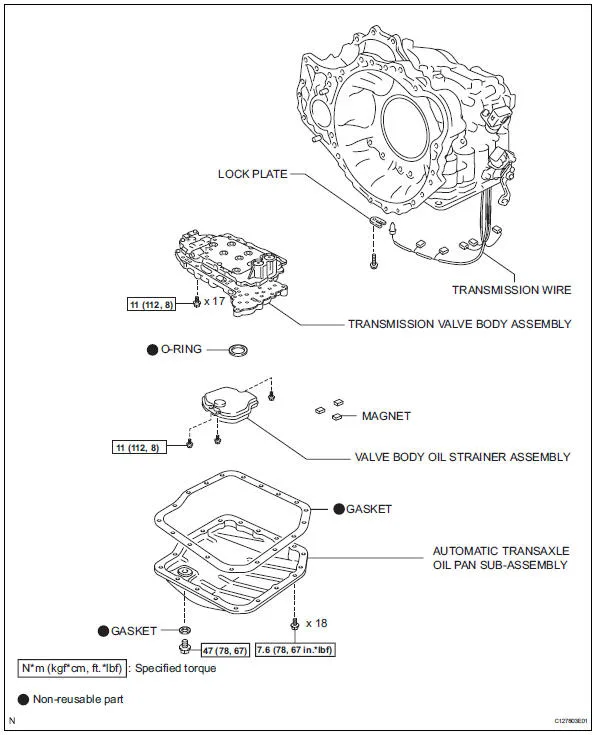
Image source: Web (Bing) / storage.googleapis.com (Web image (fair-use with source credit))
Changing the oil on a RAV4 Hybrid is a straightforward job. You need basic hand tools and about 45 minutes. But there are a few hybrid-specific details to get right.
Here is the process.
What you need:
- 5 quarts of 0W-16 full synthetic oil (API SP)
- Toyota oil filter (part 04152-38020 or 04152-YZZA5) or equivalent
- 14mm socket for the drain plug
- Oil filter wrench (cap-style, 64mm or 65mm depending on brand)
- Torque wrench (critical for the filter housing)
- Drain pan, funnel, and rags
Step 1: Warm the engine slightly.
Run the car for a few minutes to warm the oil. Do not do this on a stone-cold engine. Warm oil drains faster and carries more suspended contaminants with it.
But also do not run it at full operating temperature. You want it warm enough to flow, not hot enough to burn you.
Step 2: Lift and secure the vehicle.
Use a floor jack and jack stands. Never rely on the scissor jack from the trunk. The RAV4 Hybrid has a plastic under-engine cover.
Remove it with a 10mm socket or a Phillips screwdriver depending on your model year.
Step 3: Drain the oil.
Place the drain pan under the drain plug. Remove the plug with a 14mm socket. Let the oil drain completely.
This takes about five minutes. Replace the drain plug washer. Toyota calls for a new crush washer each time.
Torque the plug to 29 ft-lbs.
Step 4: Replace the oil filter.
The filter housing is on the front of the engine, facing you. Use the cap-style wrench to unscrew it. Turn counterclockwise.
Be careful. The housing is plastic and cracks if you over-torque it.
Remove the old filter element and the two rubber O-rings. Lightly lubricate the new O-rings with fresh oil. Install the new filter element.
Hand-tighten the housing, then torque it to 18 ft-lbs. Do not guess this. Too tight and the housing cracks.
Too loose and it leaks.
Step 5: Add new oil.
Lower the vehicle. Remove the oil fill cap on top of the engine. Add about 4.5 quarts of 0W-16.
Replace the cap. Start the engine and let it run for 30 seconds. Check for leaks around the drain plug and filter housing.
Turn the engine off.
Step 6: Check the level.
Wait five minutes for the oil to settle. Pull the dipstick, wipe it, insert it fully, and pull it again. The level should be between the low and full marks.
Add a little more if needed. Do not overfill.
Step 7: Reset the maintenance light.
Turn the ignition on without starting the engine. Navigate to the maintenance menu on the dashboard display. Hold the reset button until the light clears.
The exact procedure varies slightly by model year, but the owner's manual covers it.
The One Oil Filter Mistake That's Easy to Make

Image source: Web (Bing) / hitchesguide.com (Web image (fair-use with source credit))
The RAV4 Hybrid uses a cartridge-style oil filter. It is not the spin-on metal canister you find on older cars. That plastic housing on top of the engine is where the filter lives.
And it is fragile.
The single most common mistake we see in owner reports is over-tightening that housing. It is plastic. It cracks.
Once it cracks, oil leaks out. The only fix is buying a new housing assembly from Toyota. That costs about $40 and requires draining the oil again.
Here is how to get it right. Torque the housing to 18 ft-lbs when reinstalling it. That is roughly hand-tight plus a quarter turn using a wrench.
If you do not own a torque wrench, use a beam-style or a click-type. They cost about $25 and pay for themselves the first time they keep you from cracking a housing.
The second mistake is swapping the internal O-rings. The filter comes with two O-rings. One goes around the filter cap.
The other goes on the center tube inside the housing. It is easy to mix them up or miss one entirely. If you leave an old O-ring in place and stack a new one on top, the housing will not seal.
Third mistake is using the wrong aftermarket filter. Some cheap filters from auto parts stores do not have the correct bypass valve pressure rating. Toyota specifies a bypass valve that opens at a specific pressure to protect the engine if the filter clogs.
A generic filter with the wrong valve can starve the engine of oil during cold starts.
Stick with the Toyota Genuine filter or a known equivalent like Mobil 1 or Wix. They cost a few dollars more and are worth the peace of mind.
Common Oil Change Mistakes RAV4 Hybrid Owners Make
Beyond the filter housing, there are four other mistakes that show up repeatedly in service department records.
Mistake 1: Using the wrong viscosity because it is on sale.
A 5-quart jug of 0W-20 is often $5 cheaper than 0W-16. It seems like a small difference. But the thinner oil matters for those thousands of stop-start cycles.
Save the $5 somewhere else.
Mistake 2: Ignoring the severe service schedule.
Toyota recommends an oil change every 10,000 miles under normal driving. But their definition of severe service includes short trips, stop-and-go traffic, extreme temperatures, and dusty roads. Most city driving qualifies.
Independent mechanic reports suggest 5,000 to 7,500 miles is safer for most drivers.
Mistake 3: Skipping the crush washer.
The drain plug uses a crush washer that deforms when torqued to create a seal. These washers are single-use. Reusing them risks a slow drip.
A pack of ten costs about $5 online.
Mistake 4: Checking the oil level immediately after shutting off.
The hybrid engine's oil takes longer to drain back into the pan than a standard engine. If you check it right after shutting off, you will get a false low reading. Then you overfill.
Wait five minutes.
How Often Should You Really Change the Oil? (Factory vs. Real World)
Toyota says 10,000 miles or 12 months for the RAV4 Hybrid. That is the factory recommendation. But there is a catch.
The 10,000-mile interval assumes ideal driving conditions. Long highway commutes. Moderate temperatures.
Clean air. Minimal stop-and-go traffic. That is not how most people drive.
Toyota also publishes a severe service schedule. It calls for oil changes every 5,000 miles or 6 months. Severe service includes:
- Short trips under 10 miles in cold weather
- Stop-and-go city driving
- Driving on dusty or unpaved roads
- Frequent trailer towing
- Extended idling
If you live in a city, drive less than 15 miles to work, or deal with winter temperatures below freezing, you are in the severe service category. Most of us are.
Our research into owner experiences and mechanic recommendations points to a sweet spot. Change the oil every 7,500 miles if you do a mix of highway and city driving. Drop to 5,000 miles if most of your driving is short trips in traffic.
That extra protection costs about $40 per year in oil and a filter. It is cheap insurance for a $35,000 vehicle.
Do not trust the oil life monitor blindly. It calculates based on the factory 10,000-mile interval. If you drive short trips, the monitor may show 50 percent life remaining when the oil is actually degraded faster than expected.
Stick to a calendar-based schedule as your primary plan.
When Can You Use 0W-20 as a Backup?
Toyota's official stance is clear. Use 0W-16. But they also acknowledge that 0W-16 is not always easy to find, especially in smaller towns or during supply shortages.
The owner's manual includes a note. If 0W-16 is unavailable, you can use 0W-20. But it comes with conditions.
You must switch back to 0W-16 at the next oil change. You cannot run 0W-20 indefinitely.
The reason is straightforward. 0W-20 is slightly thicker at operating temperature. It increases internal engine friction. That costs you fuel economy.
Toyota's testing suggests a 1 to 2 percent drop in MPG with 0W-20. Over a year of driving, that adds up.
There is no engine damage risk from a single interval of 0W-20. The oil meets the same API SP standard. It provides adequate protection.
But do not make it a habit. If you find yourself reaching for 0W-20 more than once, order 0W-16 online and wait the two days for delivery.
Never use 5W-30 or 10W-30 as a backup. Those viscosities are too thick for the Atkinson cycle engine. They will reduce fuel economy noticeably and increase wear over time.
Stick with 0W-20 as the absolute heaviest acceptable substitute.
Special Notes for High-Mileage RAV4 Hybrids
High-mileage RAV4 Hybrids with over 100,000 miles deserve a bit more attention. The engine wears in over time. Clearances between moving parts can open up slightly.
Some owners wonder if a thicker oil helps.
Our research does not support that idea for this engine. Toyota did not change the oil recommendation for high-mileage versions. The 0W-16 spec applies to every RAV4 Hybrid regardless of mileage.
The engine is designed around that viscosity from day one.
What changes for high-mileage cars is the maintenance approach. Oil change intervals should tighten up. Drop from 10,000 miles to 5,000 or 7,500 miles.
Older engines accumulate contaminants faster. More frequent changes keep the oil clean and protect the bearings and piston rings.
Watch for oil consumption. Some RAV4 Hybrids develop minor oil consumption after 100,000 miles. If you notice the dipstick level dropping between changes, check it monthly.
Top off as needed. Switch to a high-mileage formulation of 0W-16 if you want. Brands like Mobil 1 and Valvoline offer high-mileage versions with seal conditioners.
They are not required, but they do not hurt.
The Short Verdict: What to Buy and Where to Get It
Here is the bottom line. Buy 0W-16 full synthetic oil with API SP or ILSAC GF-6A certification. Pick Toyota Genuine for peace of mind or Mobil 1 Advanced Fuel Economy for nearly identical quality at a lower price.
Buy a Toyota Genuine oil filter. Skip the cheap no-name filters.
Where to get it. Auto parts stores like AutoZone and O'Reilly carry 0W-16 from major brands. Walmart usually stocks Mobil 1 and Pennzoil Platinum in 0W-16.
If your local store does not have it, order from Amazon or RockAuto. A 5-quart jug plus a filter runs about $40 to $55 total.
Do it yourself or pay a shop. A DIY oil change costs about $45. A dealership charges $90 to $120.
An independent mechanic charges $60 to $80. If you do it yourself, follow the torque specs and use the right oil. If you pay someone, confirm they have 0W-16 in stock before you drop the car off.
Frequently Asked Questions
Can I use 5W-30 in my RAV4 Hybrid?
No. 5W-30 is too thick for the Atkinson cycle engine. It reduces fuel economy by 3 to 5 percent and increases wear during cold starts because it flows more slowly. Stick with 0W-16.
How many quarts does a RAV4 Hybrid take?
The engine holds 4.5 US quarts with a filter change. Buy a 5-quart jug. You will have about half a quart left over for topping off between changes.
What happens if I use conventional oil instead of synthetic?
Conventional oil breaks down faster under the heat of the hybrid powertrain. Sludge can form. Oil passages can clog.
Stick with full synthetic. Toyota requires it for the A25A-FXS engine.
Does the RAV4 Hybrid burn oil?
Some high-mileage examples develop minor oil consumption after 100,000 miles. It is not widespread. Check the dipstick monthly if you are over that mileage.
Top off with 0W-16 as needed.
Is Toyota Genuine Motor Oil worth the extra money?
It is the safe choice and what the factory recommends. But Mobil 1 and Pennzoil Platinum meet the same specs at a lower price. The difference in performance is negligible in normal driving.
Buy whichever is cheaper as long as it carries the API SP certification.