
If you are about to change the oil on your 2014 Toyota Highlander, the first question that comes up is almost always the same: how much oil does it actually take? The answer is not straightforward because this model year came with two different engines, and each one has a different 2014 toyota highlander oil capacity. Put the wrong amount in and you will either starve the engine or risk damaging seals from overfilling.
Manufacturer specifications indicate the 3.5L V6 engine holds 6.4 quarts of oil with a filter change, while the 2.7L four-cylinder holds 5.5 quarts. Both engines require SAE 0W-20 full synthetic oil meeting API SN or SN Plus standards, as of 2026. The trick is knowing which engine sits under your hood before you start pouring.
Let us walk through exactly how to figure that out and get the job done right.
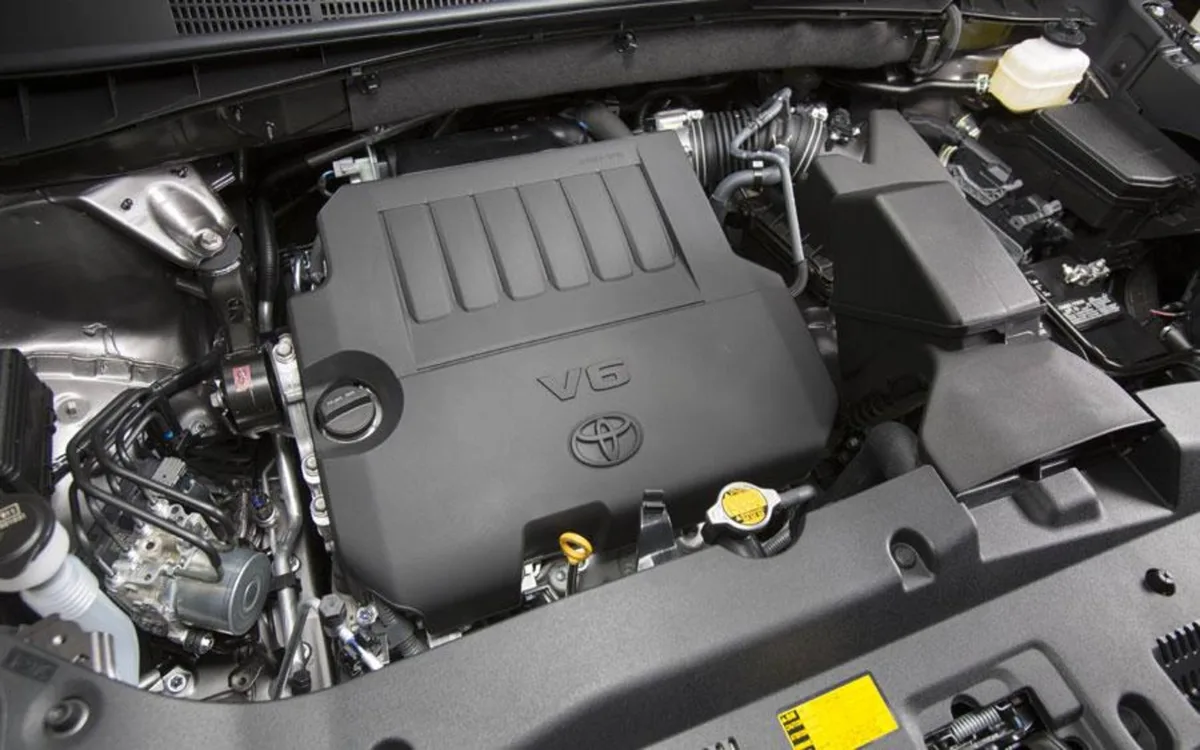
Image source: Bing (Web (fair-use with source credit))
Quick Answer: How Much Oil Does a 2014 Toyota Highlander Take?
Here is the short version before you get into the details. The 2014 Toyota Highlander with the 3.5L V6 engine takes 6.4 quarts of oil with a filter change. The 2.7L four-cylinder engine takes 5.5 quarts with a filter change.
Always check your dipstick after filling and add small amounts if needed.
Both engines call for SAE 0W-20 full synthetic oil. You can use a high-quality brand like Mobil 1, Castrol Edge, or Toyota Genuine Motor Oil. Do not use conventional oil or a heavier weight like 5W-30 unless you are in an extreme environment and have checked your owner manual first.
The biggest mistake people make is assuming the same capacity applies to both engines. It does not. You either get the V6 or the I4, and the difference is nearly a full quart.
That matters for how the engine runs, how your oil pressure behaves, and how long the engine lasts.
Step 1: Which Engine Do You Have? (2.7L I4 vs. 3.5L V6)
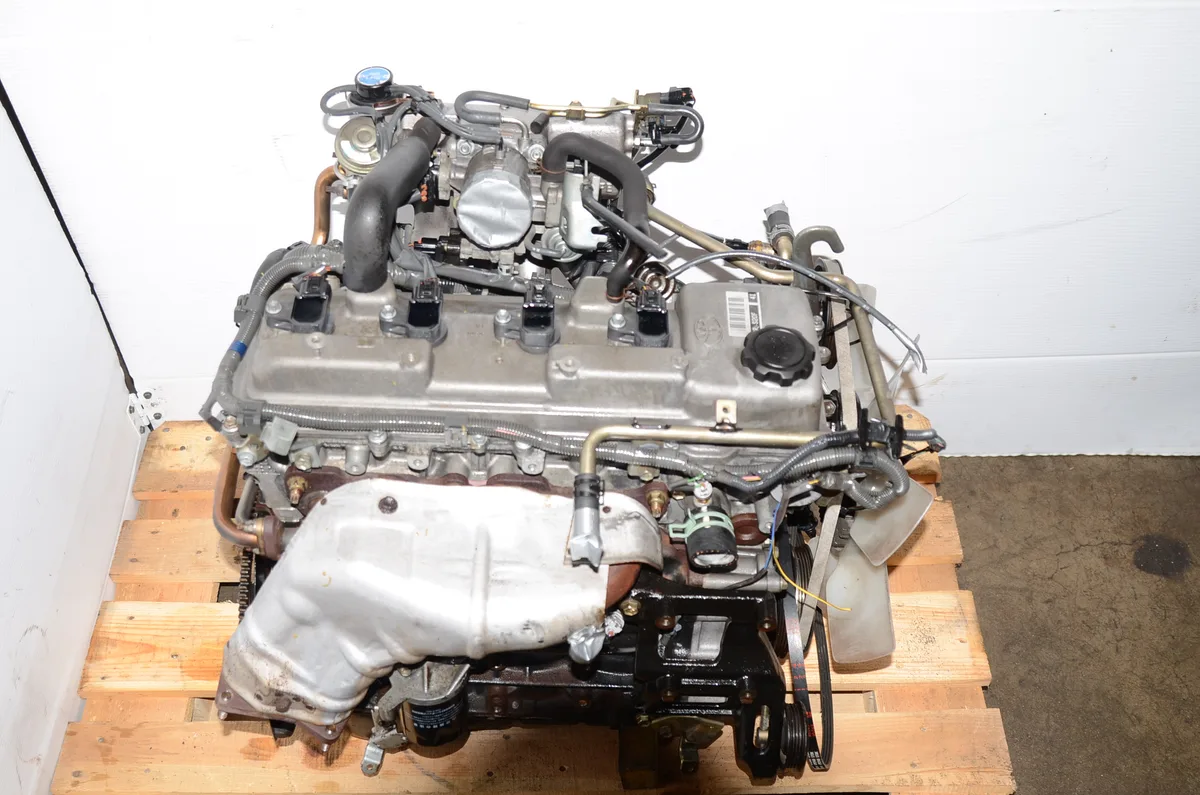
Image source: Web (Bing) / storage.googleapis.com (Web image (fair-use with source credit))
You cannot look up the correct oil capacity unless you know which engine is in your Highlander. Fortunately, Toyota made this easy to identify. There are three quick ways to tell which one you have.
Check the VIN. The tenth character in your VIN tells you the model year (E for 2014), but the eighth character tells you the engine. If the eighth digit is a 2, you have the 2.7L I4. If it is a 5, you have the 3.5L V6.
You can find the VIN on the driver side dashboard near the windshield or on the door jamb sticker.
Look at the engine cover. Pop the hood and look at the plastic cover on top of the engine. The 3.5L V6 has a cover that reads "V6" or "DOHC V6" in raised letters. The 2.7L I4 has a smaller cover that reads "4-Cylinder" or just "Toyota" without a cylinder count.
If you see a wide, flat engine with two banks of cylinders, that is the V6. If you see a narrow, inline layout, that is the four-cylinder.
Check your owner manual. If you still have the original manual, it lists the engine type and oil capacity right in the specifications section. Look under "Engine" or "Capacities."
Once you know your engine, you have the answer. The V6 takes 6.4 quarts. The I4 takes 5.5 quarts.
Write it down or save this page. You will need that number when you go to buy oil.
Oil Capacity Specs: Exact Quarts for Each Engine
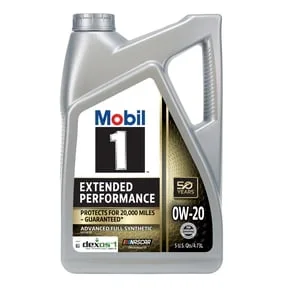
Image source: Bing (Web (fair-use with source credit))
Let us get specific with the numbers so there is no confusion later. The table below shows the exact oil capacity for each engine in both quarts and liters. Use this as your reference when shopping for oil or filling the engine.
| Engine | Oil Capacity with Filter | Oil Capacity without Filter | Oil Type | Viscosity |
|---|---|---|---|---|
| 2.7L I4 (1AR-FE) | 5.5 quarts (5.2 liters) | 5.2 quarts (4.9 liters) | Full synthetic | SAE 0W-20 |
| 3.5L V6 (2GR-FE) | 6.4 quarts (6.1 liters) | 6.1 quarts (5.8 liters) | Full synthetic | SAE 0W-20 |
The capacity with a filter change is the number you should use. Always replace the oil filter during an oil change. It costs around $8 to $15 and takes two extra minutes.
Skipping it leaves old, contaminated oil in the system and defeats the purpose of the change.
A note on buying oil. You will find 0W-20 synthetic oil sold in one-quart bottles and five-quart jugs. For the V6, buy a five-quart jug and two single quarts. That gives you seven quarts total, and you will use about 6.4 of them.
For the I4, buy a five-quart jug and one single quart. You will have about half a quart left over for top-offs between changes.
Do not mix brands or viscosities. Stick with 0W-20 from a single manufacturer for that change. If you are curious about how Toyota oil recommendations compare across models, our guide on the best Toyota oil options explains the broader lineup.
Step-by-Step Oil Change Process
Changing the oil on a 2014 Highlander is a straightforward process you can do in your driveway with basic tools. Plan for about 30 to 45 minutes the first time. After that, you will get it done in 20 minutes.
Tools and Supplies You Will Need
Before you start, gather everything. Nothing worse than getting halfway through and realizing you forgot the filter.
- 5.5 or 6.4 quarts of SAE 0W-20 full synthetic oil (depending on your engine)
- Oil filter (OEM Toyota part number 04152-YZZA1 for V6, or compatible aftermarket)
- Oil filter wrench (for the cartridge-style housing on the V6)
- 14mm socket or wrench for the drain plug
- Drain pan (at least 8-quart capacity)
- Funnel
- New crush washer (M14 size)
- Shop towels or rags
- Gloves (optional but recommended)
Draining the Old Oil
Park the Highlander on level ground. Let the engine run for two to three minutes to warm the oil. Warm oil drains faster and carries more contaminants out.
Do not let it get hot enough to burn you. Lukewarm is perfect.
Place the drain pan under the oil pan. Locate the drain plug on the bottom of the engine. It is a 14mm bolt.
Loosen it with a socket wrench, then unscrew it by hand. Be careful the oil does not pour onto your arm. Let it drain completely, about three to five minutes.
While the oil drains, clean the drain plug and inspect the threads. Install the new crush washer. The crush washer is a one-time use part.
Reusing it risks a slow leak.
Tighten the drain plug to 29 ft-lbs for the V6 or 25 ft-lbs for the I4. Do not overtighten. Stripped threads in the oil pan mean an expensive repair.
Replacing the Oil Filter
The oil filter location depends on your engine. On the 2.7L I4, the filter is a traditional spin-on canister located on the front of the engine near the oil pan. Unscrew it by hand or with a filter wrench.
Make sure the old gasket comes off with it.
On the 3.5L V6, the filter is a cartridge-style housing on the front of the engine. You need a filter wrench to unscrew the cap. Remove the old cartridge and replace the O-ring that comes with the new filter.
Before installing the new filter, apply a thin layer of fresh oil to the rubber gasket. This prevents the gasket from sticking and makes the next change easier. Tighten the spin-on filter hand tight plus three-quarters of a turn.
Tighten the cartridge cap to 18 ft-lbs.
Adding the Right Amount of Fresh Oil
Remove the oil fill cap on top of the valve cover. Insert a funnel. Pour in about 5 quarts for the V6 or 4.5 quarts for the I4.
Stop and check the dipstick.
Wait one minute for the oil to settle. Pull the dipstick, wipe it clean, reinsert it fully, then pull it again. The oil level should be between the low and full marks.
Add oil in half-quart increments until the level reaches the full mark.
Replace the oil fill cap. Start the engine and let it run for 30 seconds. Check underneath for leaks around the drain plug and filter.
Turn the engine off and let it sit for two minutes. Check the dipstick one more time and top off if needed.
Performing regular engine maintenance like this helps your Highlander reach 200,000 miles or more. If you are maintaining other Toyota vehicles in your household, our guide on the correct fluid level for Toyota engines covers the differences across models.
Common Mistakes and How to Avoid Them
Even experienced DIYers make errors during an oil change. Here are the most common ones and how to avoid them.
Overfilling vs. Underfilling
Overfilling is more common than underfilling. People buy a five-quart jug and dump the whole thing in without checking the dipstick. The V6 needs 6.4 quarts.
Adding more than that raises oil pressure, causes foaming, and can blow out seals.
Underfilling is less common but happens when someone forgets to account for the filter capacity. The engine might show low oil pressure on the dash. Low oil leads to metal-on-metal contact and engine damage.
The fix. Add oil slowly. Stop at the recommended capacity minus half a quart. Check the dipstick.
Add in small amounts until it reads full.
Using the Wrong Viscosity (0W-20 vs. 5W-30)
Toyota designed the 2GR-FE and 1AR-FE engines around 0W-20 oil. This thin oil flows quickly at cold startup and reduces friction when the engine warms up. Some people think 5W-30 offers better protection.
It does not for this engine.
Using 5W-30 in a 2014 Highlander can reduce fuel economy by one to two miles per gallon. It also increases wear during cold starts because the oil moves slower. Stick with 0W-20 unless you live in an extreme desert climate and your owner manual approves 5W-30 as an alternative.
Forgetting the Crush Washer
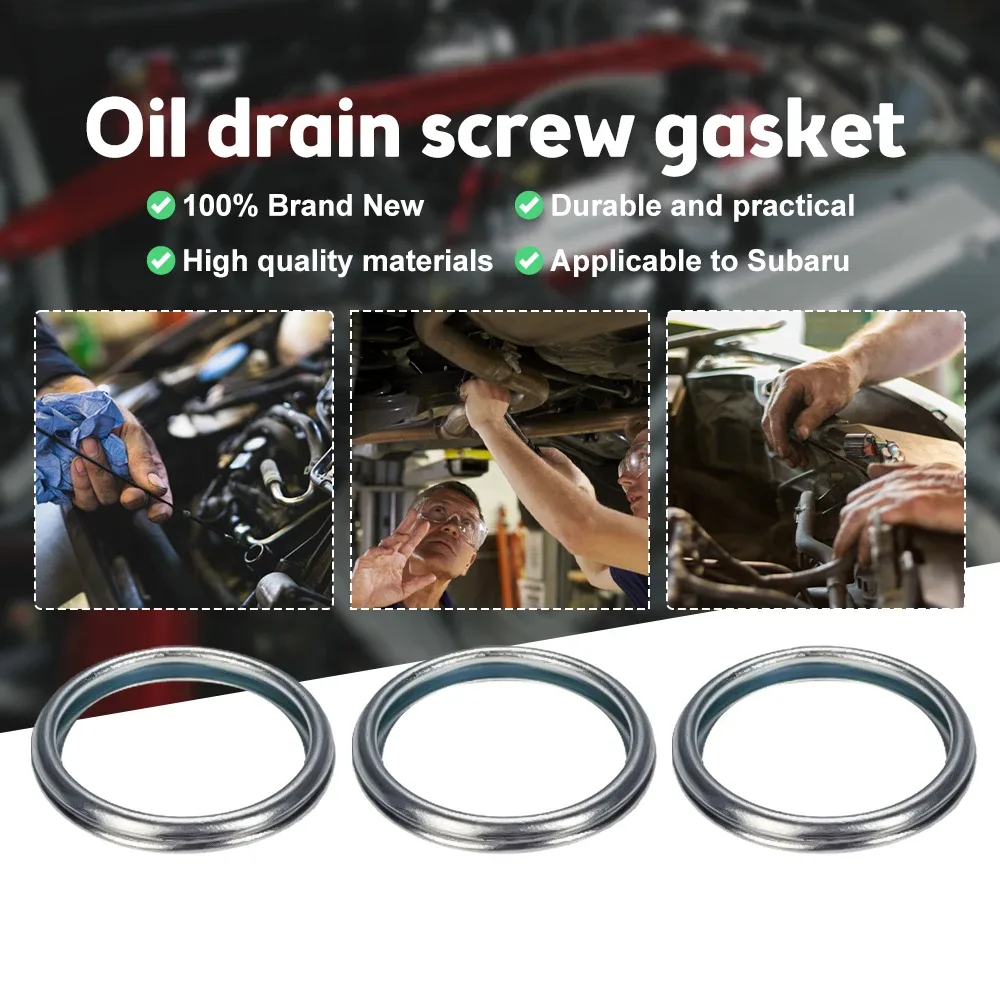
Image source: Web (Bing) / aliexpress.com (Web image (fair-use with source credit))
The crush washer sits between the drain plug and the oil pan. It deforms slightly when tightened, creating a perfect seal. Reusing it means it might not seal correctly.
The result is a slow drip that leaves a puddle on your driveway.
Replace the crush washer every oil change. They cost about 50 cents each. Buy a pack of ten and keep them with your oil change supplies.
One more tip. Do not use Teflon tape on the drain plug threads. The plug seals with the crush washer, not the threads. Tape can shred and clog oil passages.
Clean the plug threads with a rag and install it dry.
Expert Tips for a Cleaner, Easier Oil Change
Changing oil on a 2014 Highlander is simple, but a few tricks make it less messy and more efficient. These tips come from aggregate feedback from Toyota technicians and experienced DIY owners.
Warm the oil before draining. Cold oil drains slowly and leaves more sludge behind. A two minute idle brings the oil to the right temperature. Hot oil burns you, so let it cool for 60 seconds after shutdown.
Use a funnel with a flexible spout. The oil fill opening on the Highlander sits at an awkward angle. A rigid funnel spills oil down the valve cover. A flexible spout directs the stream exactly where it needs to go.
Mark your drain plug torque on a label. The V6 needs 29 ft-lbs and the I4 needs 25 ft-lbs. Write the number on a small sticker and place it near the oil fill cap. You will never second guess it when you are under the car.
Keep a spare quart in the cargo area. The 2014 Highlander does not burn oil between changes under normal driving. But if you take a long road trip or tow a trailer, the extra quart lets you top off without a trip to the store.
Label your oil filter wrench. The V6 uses a cartridge style housing that needs a specific cup wrench. The I4 uses a standard spin-on filter. Tape the correct socket size to the inside of your tool box drawer so you grab the right one every time.
When to Change the Oil (Mileage and Time Intervals)
Toyota recommends changing the oil on the 2014 Highlander every 5,000 miles under normal driving conditions. This interval applies to both the 2.7L and 3.5L engines when using full synthetic 0W-20 oil.
Severe driving conditions cut that interval in half. Toyota defines severe driving as frequent short trips under five miles, stop and go traffic, extreme cold, dusty roads, or towing. If any of these describe your daily commute, change the oil every 3,000 to 3,500 miles.
Time matters even when mileage does not. Oil breaks down from heat cycles, not just miles. If you drive fewer than 5,000 miles per year, change the oil every six months. Old oil loses its ability to neutralize acids and suspend contaminants.
How to track your interval. Reset the oil maintenance light after every change. On the 2014 Highlander, press and hold the trip reset button while turning the ignition to ON. Keep the button held for five seconds until the light flashes and turns off.
For other Toyota models in your driveway, the intervals vary slightly. Our guide on engine servicing for Toyota RAV4 covers the differences across the lineup.
FAQs: 2014 Highlander Oil Questions
Can I use synthetic blend instead of full synthetic 0W-20?
Yes, but you lose some benefits. Full synthetic 0W-20 provides better cold flow protection and resists thermal breakdown longer. The price difference between synthetic blend and full synthetic is usually under $10 per change.
Stick with full synthetic for the best protection.
What happens if I put 5W-30 in my 2014 Highlander?
The engine will run, but you will notice lower fuel economy and slightly slower cold starts. Toyota approves 5W-30 as an alternative in very hot climates above 100°F. For everyday driving in moderate climates, 0W-20 remains the correct choice.
How do I reset the oil light after the change?
Turn the ignition to the ON position without starting the engine. Press and hold the trip meter reset button. The oil maintenance light will flash and then turn off.
Release the button. This works for both the V6 and I4 models.
Why does my dipstick show overfull after adding the exact capacity?
The engine holds residual oil in passages and the filter housing. Always check the dipstick after running the engine for 30 seconds and letting it sit for two minutes. If it still reads high, you likely did not drain all the old oil.
Does the 2014 Highlander have an oil life monitor?
No. The 2014 model uses a simple maintenance reminder light that triggers at preset mileage intervals. It does not analyze oil condition like newer Toyota models.
You must track your own intervals based on driving conditions.
What oil filter part number should I use?
For the 3.5L V6, use Toyota part number 04152-YZZA1 or an equivalent aftermarket filter. For the 2.7L I4, use Toyota part number 04152-38020 or a compatible spin-on filter. Check the filter box to confirm it matches your engine.
Final Decision Guide: Your Engine, Your Capacity, Your Next Steps
Let us tie everything together with a simple decision path you can follow right now.
If you have the 3.5L V6. Buy 7 quarts of 0W-20 full synthetic oil. Use 6.4 quarts with a filter change. Keep the remaining 0.6 quarts for top-offs.
Use a 14mm socket for the drain plug and a cartridge filter wrench for the housing.
If you have the 2.7L I4. Buy 6 quarts of 0W-20 full synthetic oil. Use 5.5 quarts with a filter change. Keep the remaining half quart for top-offs.
Use a 14mm socket for the drain plug and a standard filter wrench for the spin-on canister.
If you are unsure which engine you have. Check the VIN digit. The eighth character is 2 for the I4 or 5 for the V6. Or look under the hood for the engine cover label.
Do not guess. Guessing the wrong capacity means either underfilling or overfilling.
If you are due for an oil change. Gather your supplies. Warm the engine for two minutes. Drain the old oil.
Replace the crush washer and filter. Add oil in stages. Check the dipstick.
Reset the maintenance light. You are done.
That is everything you need to get the oil change right on your 2014 Toyota Highlander. The numbers are clear. The process is straightforward.
And now you have the exact capacity for your specific engine. Go ahead and get it done. Your Highlander will thank you for the next 100,000 miles.