
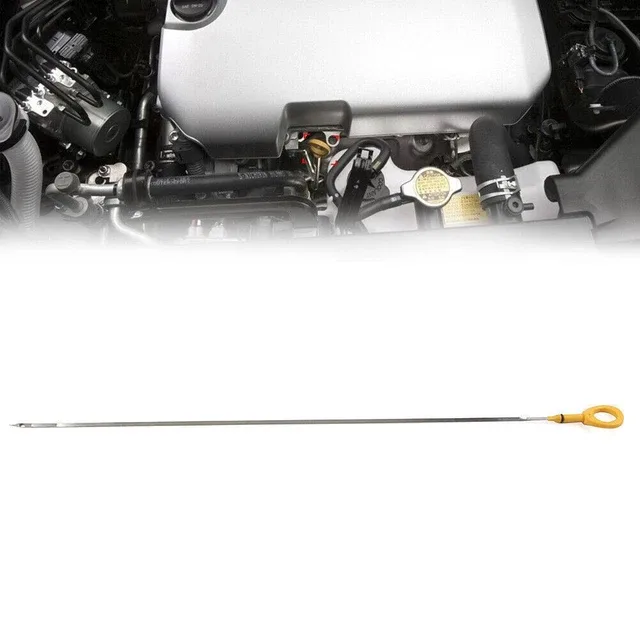
Image source: Bing (Web (fair-use with source credit))
If you own a 2014 Toyota Avalon and you're wondering exactly how much oil it needs, here's the short answer: it depends on which engine you have. The 2014 toyota avalon oil capacity is 6.1 quarts with a filter change for the standard V6 model, and 4.4 quarts for the Hybrid. Using the wrong amount can lead to expensive engine damage, so getting this right matters.
Manufacturer specifications from Toyota confirm the 2GR-FE V6 engine requires SAE 0W-20 full synthetic oil meeting API SN or ILSAC GF-5 standards. The hybrid's 2AR-FXE uses the same oil type but a different capacity. As of 2026, these remain the factory-recommended specs, and they haven't changed.
Let's walk through exactly what you need to know before you pop the hood.
Quick Answer
The 2014 Avalon V6 takes 6.1 quarts of 0W-20 synthetic oil with a new filter. The Hybrid takes 4.4 quarts. Use only API SN or ILSAC GF-5 certified oil.
Never overfill. Check the dipstick on level ground. Change oil every 5,000 miles under severe driving conditions.
Why Getting the Oil Capacity Right Matters on a 2014 Avalon
Your 2014 Avalon is a well-engineered car. Toyota designed the 2GR-FE engine to run on a precise volume of oil. Too little, and you risk metal-on-metal contact inside the bearings.
Too much, and the crankshaft whips the oil into foam. Foam doesn't lubricate the way liquid oil does.
Here's what's at stake:
- Low oil level can cause the oil pump to suck air, starving critical components
- Overfilling increases pressure inside the crankcase, potentially blowing out seals
- Wrong oil type (thicker than 0W-20) reduces fuel economy and can trigger the check engine light
- Skipping filter changes allows contaminants to circulate through the engine
Toyota specifies 0W-20 for a reason. The "0W" means it flows freely at cold starts, reaching bearings in seconds. The "20" hot-weight maintains a protective film at operating temperature.
Straying from this spec compromises both cold-start protection and high-heat stability.
If you're coming from an older car that used 5W-30 or 10W-40, the 0W-20 requirement might feel unusual. But modern engines have tighter tolerances. The oil passages are narrower.
Thicker oil simply can't circulate fast enough on a cold morning.
The good news? Getting it right isn't complicated. You just need the correct numbers and a careful process.
The Two Engines: V6 vs. Hybrid — Spotting Which One You Have
This is where most of the confusion starts. The 2014 Avalon came in two very different powertrains, and they have different oil capacities. Mixing them up means you'll either overfill or underfill by a significant margin.
Standard Avalon (V6)
The 3.5-liter 2GR-FE V6 is a proven engine. It's the same basic design Toyota used in the Camry V6, the RAV4 V6, and the Lexus ES 350. It produces 268 horsepower and requires 6.1 quarts of oil with a filter change.
Avalon Hybrid
The Hybrid uses a 2.5-liter 2AR-FXE four-cylinder engine paired with an electric motor system. It's a different animal. The oil capacity drops to 4.4 quarts with a filter change.
The Hybrid also uses 0W-20 synthetic oil, just less of it.
How to tell which one you own:
| Method | What to look for |
|---|---|
| Badge on trunk | "Hybrid" badge means the 2.5L I4. No badge means the 3.5L V6. |
| Hood emblems | Hybrid models often have blue-tinted Toyota badges |
| VIN check | 8th character: "4" = V6, "3" = Hybrid |
| Owner's manual | Page 490+ lists exact capacities per engine |
If you bought the car used and don't have the manual, Toyota's website offers free PDF downloads for the 2014 model year. Enter your VIN, and you'll get the exact build sheet.
One more thing: the Hybrid's oil filter is also different from the V6's. Don't assume the part is interchangeable. We'll cover filter specifics in the step-by-step section.
Oil Type: Why 0W-20 Full Synthetic Isn't Optional
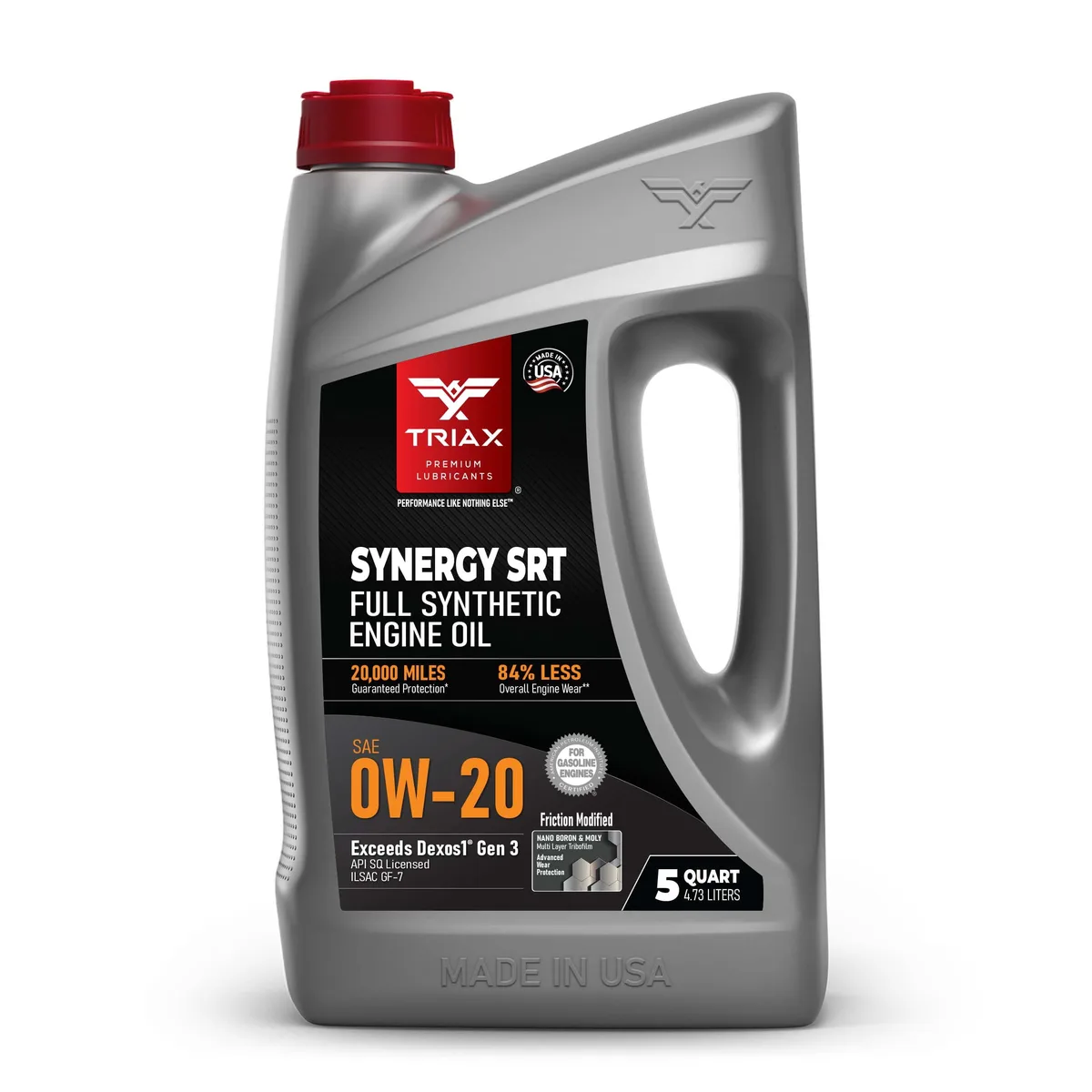
Image source: Web (Bing) / walmart.com
Toyota calls for SAE 0W-20 full synthetic oil. Not 5W-20. Not 5W-30.
And definitely not conventional oil.
Here's why that matters:
The 2GR-FE engine uses variable valve timing (VVT-i) that relies on oil pressure to adjust cam timing. The system was designed around the flow characteristics of 0W-20. Thicker oil delays VVT actuation, which can cause sluggish performance and, in some cases, trigger a VVT-related trouble code.
What happens if you use the wrong oil:
- 5W-30: Thicker at cold start. Slower circulation. Potential for increased wear during the first few minutes of driving.
- Conventional 0W-20: Doesn't hold up to the heat generated by the V6. Breaks down faster. Expect shorter change intervals.
- 10W-40: Significantly thicker. Expect reduced fuel economy, sluggish VVT response, and possible timing chain tensioner issues.
The cost difference between conventional and full synthetic is about $10 to $15 per change. That's cheap insurance for a $4,000 engine.
What to look for on the bottle:
- API certification mark (starburst symbol)
- ILSAC GF-5 or GF-6 rating
- Viscosity clearly labeled: 0W-20
- Full synthetic (not synthetic blend, not conventional)
Brand isn't critical as long as the certifications are there. Toyota Genuine Oil, Mobil 1, Pennzoil Platinum, Valvoline Advanced, they all meet the spec. Just don't mix brands between changes unless necessary.
For comparison, newer Toyota models like the 2021 Camry continue using similar oil specifications, which you can check in our guide on the 2021 Camry oil type. The 2GR-FE in the 2014 Avalon predates that engine family, but the oil philosophy is the same.
The Exact Specs: Capacity With and Without a Filter Change
Let's get precise. These numbers come from the 2014 Toyota Avalon factory service manual.
3.5L V6 (2GR-FE)
| Condition | Capacity |
|---|---|
| With filter change | 6.1 US quarts (5.8 liters) |
| Without filter change | 5.7 US quarts (5.4 liters) |
| Total engine (dry fill) | 6.6 US quarts (6.2 liters) |
2.5L Hybrid (2AR-FXE)
| Condition | Capacity |
|---|---|
| With filter change | 4.4 US quarts (4.2 liters) |
| Without filter change | 4.0 US quarts (3.8 liters) |
| Total engine (dry fill) | 4.8 US quarts (4.5 liters) |
Important notes about these numbers:
The "with filter change" figure is the one you should use for every oil change. Always replace the filter. It costs $6 to $12 and traps debris that would otherwise circulate through your engine.
The "dry fill" number applies only if you've had the engine completely rebuilt or replaced. If you're doing a routine oil change, ignore it.
The "without filter" number is what you'd use if you're just topping off between changes. But realistically, if you're checking your oil regularly, you shouldn't need to add more than half a quart between changes on a healthy engine.
What about metric quarts vs. Imperial quarts?
US quarts are 32 fluid ounces. Imperial quarts (used in Canada and the UK) are 38 ounces. If you're buying oil in Canada, you'll need slightly less volume.
The 6.1 US quart figure equals about 5.1 Imperial quarts. When in doubt, fill to the dipstick mark rather than dumping in the full listed capacity.
One quart of oil costs about $8 to $12 for quality 0W-20 synthetic. A complete change runs $30 to $45 if you DIY. Compare that to $60 to $90 at a quick-lube shop.
Now that you have the numbers, let's walk through the actual process. The next section covers the step-by-step procedure, including where to position the drain pan, how to torque the plug, and what to do if the filter gasket sticks.
Step-by-Step: How to Do a Proper Oil Change on a 2014 Avalon
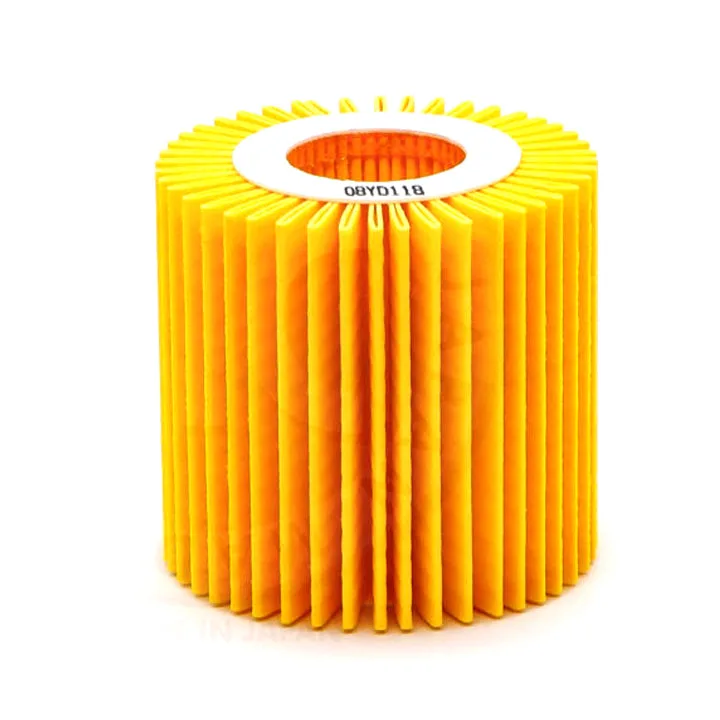
Image source: Web (Bing) / partspro.ph
Doing your own oil change on a 2014 Avalon is straightforward. Plan for about 30 to 45 minutes the first time. You'll need a few basic tools and a clean workspace.
What you'll need:
- 6 quarts of 0W-20 full synthetic oil (V6) or 5 quarts (Hybrid)
- Correct oil filter (OEM or equivalent)
- 14mm socket or wrench for the drain plug
- Oil filter wrench (if the filter is tight)
- Drain pan (minimum 8-quart capacity)
- Funnel
- Crush washer (14mm, replace each time)
- Jack and jack stands or ramps
- Shop rags or paper towels
The process:
Start by warming the engine for 2 to 3 minutes. Warm oil drains faster and carries more suspended contaminants. Park on level ground, engage the parking brake, and chock the rear wheels.
If you're using ramps, drive up slowly. If you're using a jack, lift the front of the car and place jack stands under the front frame rails. Never work under a car supported only by a hydraulic jack.
Slide under the car and locate the oil drain plug. It's on the passenger side of the oil pan, facing toward the rear. Position your drain pan underneath.
Loosen the plug with the 14mm socket. Turn it counterclockwise by hand once it's loose. The oil will come out hot, so keep your hands clear.
Let the oil drain for at least 5 minutes. While it drains, move to the oil filter.
Finding and removing the oil filter:
The filter on the 2GR-FE V6 sits on the front of the engine, low on the passenger side. You can reach it from above or below. On the Hybrid, it's in a similar position but slightly smaller.
Use an oil filter wrench if the filter is tight. Turn it counterclockwise. Some oil will spill from the filter housing, so have rags ready.
Check that the old filter gasket came off with the filter. A stuck gasket left on the engine will cause a massive oil leak.
Installing the new filter:
Dip your finger in fresh oil and coat the new filter's rubber gasket. This prevents the gasket from sticking and ensures a proper seal. Screw the filter on by hand until the gasket contacts the mounting surface.
Then tighten it another three-quarters of a turn. Do not use a wrench to overtighten.
Refilling and checking:
Install the drain plug with a new crush washer. Torque it to 29 ft-lbs. Overtightening can strip the aluminum oil pan threads.
Lower the car back to level ground. Remove the oil fill cap on top of the engine. Insert your funnel.
For the V6, add 5.5 quarts to start. For the Hybrid, add 4 quarts. Replace the cap and run the engine for 30 seconds.
This circulates oil through the new filter and fills the filter housing.
Shut the engine off and wait 2 minutes. Pull the dipstick, wipe it clean, reinsert it, and pull it again. The oil level should be between the low and full marks.
Add the remaining 0.5 to 0.6 quarts in small increments until the level reaches the full mark.
Check for leaks around the drain plug and filter. If everything looks dry, you're done.
Tools like the same 14mm socket work across many Toyota models. If you own multiple Toyotas, our guide on the Toyota RAV4 oil type covers the differences in capacity and procedure for that model.
Common Mistakes That Cause Engine Damage
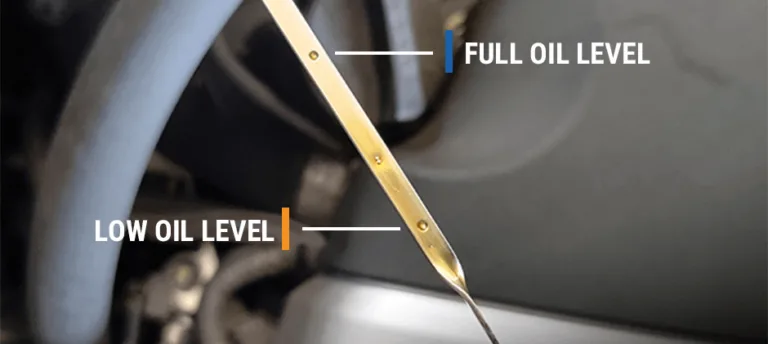
Image source: Bing (Web)
Even experienced DIYers make errors. Here are the most common ones we see in service records and forum discussions.
Overfilling the engine
This is the number one mistake. You pour in the full 6 quarts without accounting for oil already trapped in the engine. Suddenly you're half a quart over the full mark.
The crankshaft whips the extra oil into foam. Foam doesn't lubricate. Bearings overheat.
Seals leak.
If you overfill, drain some out through the plug or use a fluid extractor through the dipstick tube. Do not drive with an overfilled crankcase.
Using the wrong filter
The V6 and Hybrid use different filters. They look similar but have different bypass valve pressures and thread sizes. Installing the wrong one can restrict oil flow or cause a leak.
Check the part number against your engine type. Toyota's OEM filter for the V6 is part number 04152-YZZA1. The Hybrid uses 04152-31090.
Aftermarket equivalents from Fram, Wix, or Mobil 1 are fine as long as they match your engine.
Stripping the drain plug threads
The 2014 Avalon has an aluminum oil pan. The threads are soft. Using an impact gun or overtightening with a breaker bar will strip them cleanly.
The fix involves a thread repair kit or a new oil pan.
Torque the plug to 29 ft-lbs. That's not very tight. A standard ratchet with moderate hand pressure is enough.
Forgetting the crush washer
That little copper or aluminum ring on the drain plug is not optional. It compresses to create a seal each time. Reusing an old washer invites a slow drip that can empty your oil pan over a week.
New crush washers cost about $1. Buy a pack of five and keep them in your tool box.
Checking the dipstick on a slope
Parking with one wheel on a curb or on uneven ground gives a false reading. You might add oil thinking you're low, when in reality you're overfilled. Always check on level ground with the engine warm and off for 2 minutes.
For related guidance on newer models, the 2025 Tacoma oil type guide explains how Toyota's oil specifications evolved across model years.
When to Change It — Severe vs. Normal Driving Conditions
Toyota divides driving conditions into two categories. The distinction matters for your change interval.
Normal conditions:
Mixed highway and city driving, moderate temperatures, clean roads. Under these conditions, Toyota recommends an oil change every 10,000 miles or 12 months, whichever comes first.
Severe conditions:
- Frequent short trips (under 5 miles) in cold weather
- Extended idling in traffic
- Driving on dusty or unpaved roads
- Towing a trailer
- Repeated high-speed driving in hot weather
Under severe conditions, Toyota recommends changing every 5,000 miles or 6 months.
Here's the honest truth. Most Avalon owners fall into the severe category without realizing it. If your daily commute is 10 minutes each way, that's a short trip.
The oil never fully warms up to burn off moisture and fuel dilution. Short-trip driving is arguably the hardest condition for engine oil.
Our recommendation:
Change at 5,000 mile intervals regardless of what the "maintenance minder" says. Oil analysis reports from owners who send samples to testing labs show that 0W-20 in the 2GR-FE begins to lose viscosity and accumulate fuel dilution around 5,000 to 6,000 miles.
Five-thousand-mile changes cost about $40 per year more than 10,000 mile intervals. That's $40 for significantly better engine protection.
The cost of an extra quart of oil and a filter is trivial compared to the cost of sludge buildup or bearing wear. This philosophy applies across Toyota's lineup, including models like the 2025 Corolla which shares similar oil change guidance.
How Much Should This Cost? DIY vs. Shop Prices
Let's compare what you'll pay doing it yourself versus taking it to a shop.
DIY costs:
| Item | Price |
|---|---|
| 6 quarts 0W-20 full synthetic | $28 to $36 |
| Oil filter | $6 to $12 |
| Crush washer (5-pack) | $5 (one-time cost for 5 changes) |
| Total per change | $34 to $48 |
Quick-lube shop costs:
| Service | Price |
|---|---|
| Standard oil change (0W-20 synthetic) | $60 to $80 |
| With additional services (top-offs, fluid checks) | $70 to $90 |
| Dealer oil change | $80 to $110 |
The difference: You save $30 to $60 per change by doing it yourself. Over five years and 50,000 miles, that's $300 to $600.
That said, a shop has a few advantages. They dispose of the oil properly. They have lifts so they don't need jack stands.
And if something goes wrong (stripped plug, leaking filter), they eat the cost.
If you live in an apartment with no driveway, the convenience of a shop might be worth the extra cost. But if you have a garage, a set of ramps pays for itself after two changes.
Don't forget that some quick-lube shops push unnecessary services. A "premium" oil change might include a $20 engine flush you don't need. Stick to the basic oil and filter service.
Compare this to other Toyota models you might own. The Toyota Highlander oil type guide shows similar pricing and procedures for that SUV.
What Happens If You Use the Wrong Oil or Capacity
This isn't a case where "close enough" works. The consequences range from immediate to long-term.
Immediate problems:
- Using 5W-30 instead of 0W-20 on a cold morning. The oil is too thick to flow through the VVT solenoids. The engine may start with a rattle as the timing chain tensioner waits for oil pressure. This lasts until the oil warms up, but the damage happens in the first seconds.
- Overfilling by a full quart. The crankshaft whips the oil into foam within seconds. The oil pressure warning light may flicker at idle as the pump loses prime.
Medium-term problems (1,000 to 5,000 miles):
- Sludge buildup from conventional oil. The 2GR-FE runs hot. Conventional 0W-20 lacks the thermal stability of synthetic. Deposits form in the oil passages, restricting flow to the cam phasers.
- Accelerated wear from oil that's too thin. If you use 0W-16 (meant for newer engines), the hot film strength is too low. Bearing clearances in the 2GR-FE assume a 20-grade oil at operating temperature.
Long-term problems (10,000+ miles):
- Timing chain stretch from inadequate lubrication. The chain and tensioner rely on consistent oil pressure. Thick oil at startup starves the tensioner. Thin oil at high RPM fails to cushion the chain guides.
- Cam phaser failure. The VVT system uses oil pressure to advance and retard cam timing. Contaminated or wrong-viscosity oil gums up the phasers. The check engine light comes on with codes P0010 through P0021. Repair costs run $1,500 to $2,500.
The 2GR-FE engine is durable. It's not fragile. But it was designed for a specific oil specification, and Toyota's engineers spent millions validating it.
Straying from that spec is a gamble with no upside.
For the Hybrid model, the risks are similar but the stakes are lower because the electric motor assists during cold starts, reducing the cold-idle wear period. Still, the 2AR-FXE engine deserves the same care.
Our guide on the Toyota Camry oil type covers the same engine family in a different chassis. The oil specifications are identical for most model years.
When to Call a Pro Instead of Doing It Yourself
DIY oil changes save money, but they're not for everyone. Here's when it makes sense to hand the keys to a shop.
If you don't have a safe place to work, call a pro. Jack stands on uneven pavement or gravel are dangerous. One slip and the car comes down on you.
If your Avalon has an oil leak you haven't diagnosed, take it to a shop. Adding fresh oil to a leaking engine is throwing money away. A mechanic can find the source and fix it.
If you've stripped the drain plug threads, stop. Do not try to force a larger plug in. A professional can install a thread repair insert or replace the oil pan.
If you're short on time, factor in the trip to buy supplies, the 45 minutes of work, and the trip to recycle the old oil. A quick-lube shop does it in 15 minutes. That convenience has a price, but it's a fair trade for some people.
The 2GR-FE engine is not hard to work on. But tight access to the oil filter on some early 2014 builds can frustrate even experienced DIYers. If you've been under there and can't get a grip on the filter housing, that's a valid reason to let someone with a lift handle it.
For newer Toyota models with similar oil requirements, the 2026 Camry oil type guide covers what's changed and what hasn't.
Final Verdict: Keep It Simple, Keep It Right
The 2014 Avalon is a reliable car that rewards consistent maintenance. Getting the oil right is the single most important thing you can do for its longevity.
Stick with 0W-20 full synthetic. Use 6.1 quarts for the V6 or 4.4 quarts for the Hybrid. Change the filter every time.
Check the dipstick on level ground. Follow the severe service schedule at 5,000 miles.
These are small actions with big consequences. A $40 oil change every five months is cheap insurance against a $4,000 engine replacement.
If you own other Toyotas from the same era, the oil specs are remarkably consistent. The Toyota 4Runner oil type guide covers that model's different requirements, but the same principles apply. Use the right weight.
Change it on time. Keep the level correct.
Frequently Asked Questions
How much oil does a 2014 Toyota Avalon V6 take with filter change?
The V6 takes 6.1 US quarts (5.8 liters) of 0W-20 full synthetic oil when you also replace the oil filter. Without a filter change, the capacity drops to 5.7 quarts.
How much oil does a 2014 Avalon Hybrid take?
The Hybrid model takes 4.4 US quarts (4.2 liters) with a filter change. It also uses 0W-20 full synthetic oil, just less of it than the V6.
Can I use 5W-30 instead of 0W-20 in my 2014 Avalon?
Not recommended. The engine's variable valve timing system depends on the flow characteristics of 0W-20. Thicker oil can cause sluggish VVT response, reduced fuel economy, and potential trouble codes.
What happens if I overfill my Avalon's engine with oil?
Overfilling causes the crankshaft to whip the oil into foam. Foam doesn't lubricate properly, leading to bearing wear and potential seal damage. If you overfill, drain the excess immediately.
How often should I change the oil on a 2014 Avalon?
Toyota recommends every 10,000 miles under normal conditions and every 5,000 miles under severe conditions. Given that most driving qualifies as severe, 5,000-mile intervals provide the best protection.
Does the 2014 Avalon require synthetic oil?
Yes. Toyota specifies 0W-20 full synthetic oil for both the V6 and Hybrid engines. Conventional oil lacks the thermal stability and flow characteristics the engine requires.