
Image source: Web (Bing) / ebay.com (Web image (fair-use with source credit))
If you're about to change the oil in your Toyota Tacoma, you probably want the exact number right away. The toyota tacoma oil capacity depends entirely on which engine you have under the hood. The 2.7L four-cylinder, the 3.5L V6, and the older 4.0L V6 all take different amounts.
Getting it wrong means either buying too many quarts or, worse, underfilling and damaging your engine.
Manufacturer specifications show a clear range across these three engines. The 2.7L I4 takes 5.5 quarts with a filter change, while the 3.5L V6 needs 6.4 quarts. The 4.0L V6, found in models from 2005 to 2015, requires exactly 6.0 quarts.
We'll walk through each engine so you can nail the fill on the first try.
What You're Actually Looking For (Quick Answer)
Here's the cheat sheet. If you just need the number, find your engine and go.
| Engine | Oil Capacity (with filter) | Recommended Oil |
|---|---|---|
| 2.7L I4 (2TR-FE) | 5.5 quarts (5.2 liters) | 5W-30 |
| 3.5L V6 (2GR-FKS) | 6.4 quarts (6.1 liters) | 0W-20 |
| 4.0L V6 (1GR-FE) | 6.0 quarts (5.7 liters) | 5W-30 |
If you're still unsure, check your owner's manual or the sticker under the hood. The capacity you see on forums might be off by a few ounces, so trust Toyota's official number. We'll confirm which engine you have next.
First Thing: Which Engine Does Your Tacoma Have?
This is the most important step. You can't buy the right oil or measure the correct amount until you know what's under the hood. There are three possible engines in the Tacoma lineup.
Let's identify yours.
Check the engine cover. Pop the hood and look for a plastic cover with the engine displacement printed on it. You'll see "2.7L", "3.5L", or "4.0L". If the cover is missing, try the VIN.
The 10th character of your VIN indicates the model year, and the 8th character indicates the engine. For example, a "2" or "3" in the 8th position often points to the 2.7L or 3.5L, respectively.
Model year helps narrow it down.
- 2005 to 2015: You likely have the 4.0L V6 (1GR-FE) or the 2.7L I4 (2TR-FE).
- 2016 and newer: You have the 3.5L V6 (2GR-FKS) or the 2.7L I4.
The 2.7L I4 has been available in every generation, so don't assume you have a V6 if you own a newer truck. The 4.0L V6 was phased out after 2015.
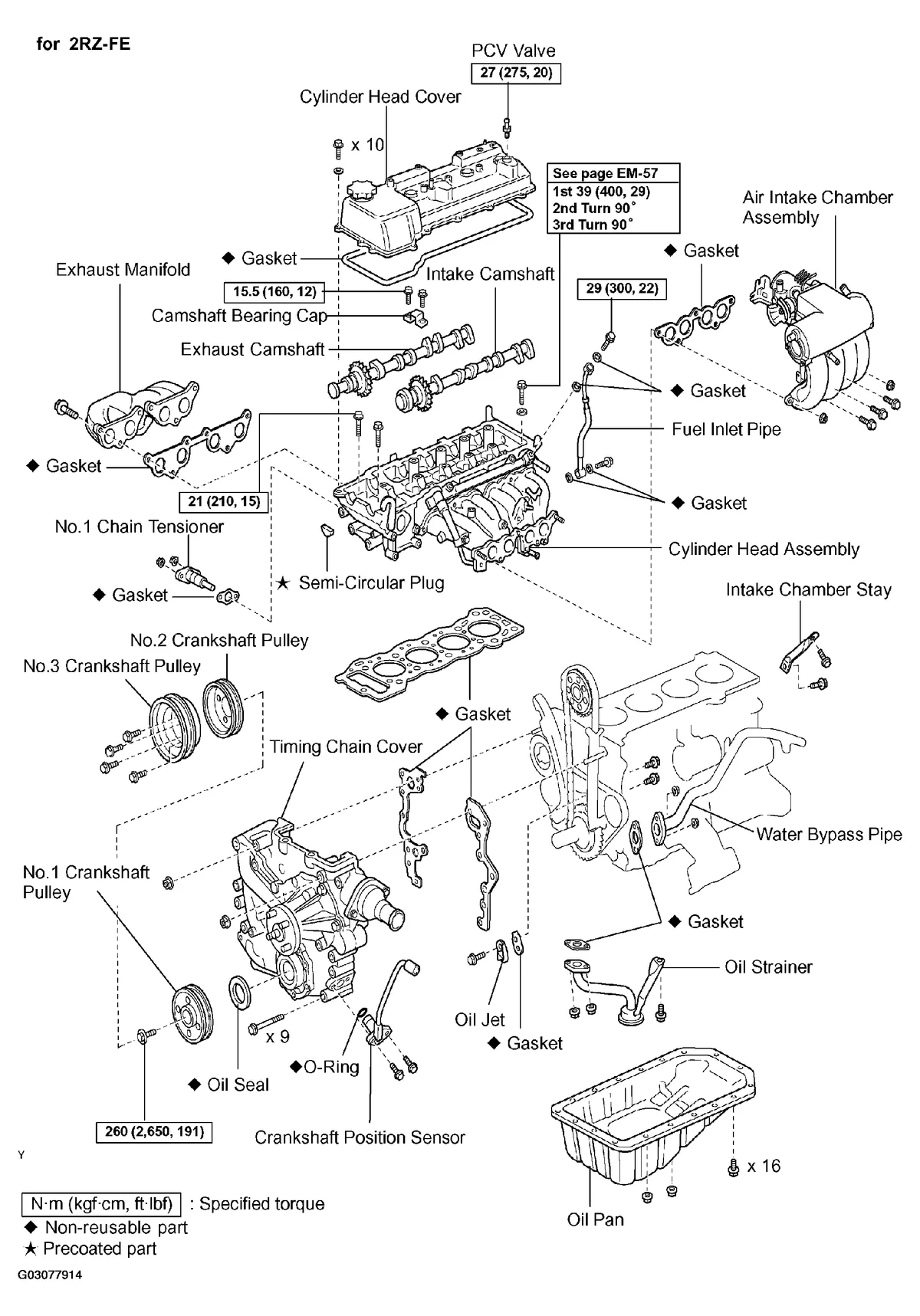
Image source: Web (Bing) / storage.googleapis.com (Web image (fair-use with source credit))
If you're still not sure, the owner's manual is your best bet. It lists the engine type directly on the specifications page.
Oil Capacity by Engine: The Exact Numbers
Once you know your engine, the rest is straightforward. Here are the exact specs for each one.
2.7L I4 (2TR-FE) – 2005 to Present
This engine is a workhorse. It's known for reliability and simplicity. The oil capacity is on the lower end.
- Capacity with filter: 5.5 quarts (5.2 liters)
- Capacity without filter: 5.2 quarts (4.9 liters)
- Oil type: 5W-30 conventional or synthetic
- Oil filter torque: 18 ft-lbs (hand-tight plus 1/4 turn)
If you're using a high-mileage formula, the capacity stays the same. Don't overthink it. Just fill slowly and check the dipstick.
3.5L V6 (2GR-FKS) – 2016 to Present
This is the modern engine found in third-generation Tacomas. It's more powerful and requires a different oil viscosity.
- Capacity with filter: 6.4 quarts (6.1 liters)
- Capacity without filter: 6.1 quarts (5.8 liters)
- Oil type: 0W-20 synthetic (required)
- Oil filter torque: 18 ft-lbs (or hand-tight plus 1/4 turn)
Toyota designed this engine to run on 0W-20 for fuel economy and cold-start protection. Using a thicker oil like 5W-30 could reduce fuel efficiency and increase wear over time. Stick with the spec.
4.0L V6 (1GR-FE) – 2005 to 2015
This is the older V6 that earned the Tacoma its reputation for off-road durability. It's a tank, but it drinks a bit more oil.
- Capacity with filter: 6.0 quarts (5.7 liters)
- Capacity without filter: 5.7 quarts (5.4 liters)
- Oil type: 5W-30 conventional or synthetic
- Oil filter torque: 18 ft-lbs (or hand-tight plus 1/4 turn)
Some owners report that highway driving or towing can cause the 4.0L to consume a bit of oil between changes. Keep an eye on the dipstick every 1,000 miles if you're hauling heavy loads.
What Kind of Oil to Use (Viscosity and Type)
You've got the capacity. Now you need the right oil. Using the wrong viscosity can lead to increased engine wear or poor fuel economy.
Here's the breakdown.
For the 2.7L I4 and 4.0L V6: Use 5W-30. This is a mid-weight oil that works well in most climates. If you live in an area with extreme cold (below -20°F), you could switch to 0W-30 for better winter flow, but 5W-30 is the standard.
For the 3.5L V6: Use 0W-20. This is a thinner oil that reduces friction and improves fuel economy. Toyota specifically recommends a synthetic blend or full synthetic for this engine.
Do not use 5W-30 unless you're in a very hot climate and willing to accept the trade-off in fuel economy.
Synthetic vs. conventional: Manufacturer specs indicate that synthetic oil is not required for the 2.7L or 4.0L engines, but it's a good idea. Synthetic oil handles higher temperatures better and lasts longer in oil change intervals. If you're towing or off-roading frequently, synthetic is worth the extra cost.
If you're familiar with other Toyota models, you might notice that the 2.7L Tacoma uses the same 5W-30 found in some older sedans. You can check the recommended spec for the 1997 Camry for comparison. For a complete breakdown of oil types specific to the Tacoma, check out our full guide to Tacoma oil.
It covers the differences between brands and viscosity grades in more detail.
Step-by-Step: How to Do the Fill Correctly
You have the oil and you know the capacity. Now let's get it done. Follow these steps to avoid common mistakes.
Step 1: Warm up the engine. Run the Tacoma for a few minutes to warm the oil. This helps it drain faster and more completely. Don't drive it hard, just a quick idle or a short trip around the block.
Step 2: Drain the old oil. Place a drain pan under the oil pan. Remove the drain plug with a wrench. Let the oil drain completely.
Replace the drain plug with a new crush washer. Torque it to 29 ft-lbs. Over-tightening can strip the threads in the oil pan.
Be sure to recycle your used oil properly. The EPA provides guidelines for used oil management to keep it out of the environment.
Step 3: Replace the oil filter. The oil filter is located on the side of the engine block. Remove the old filter by hand or with a filter wrench. Apply a thin film of new oil to the gasket of the new filter.
Screw it on by hand until the gasket contacts the mounting surface, then tighten it another 1/4 turn. Don't use a wrench for the final tightening. Hand-tight is enough.
Step 4: Add the oil. Remove the oil filler cap. Add about 80% of the total capacity first. For example, if you have the 3.5L V6, add about 5.1 quarts.
Then replace the cap and run the engine for 30 seconds. This circulates the oil and fills the new filter.
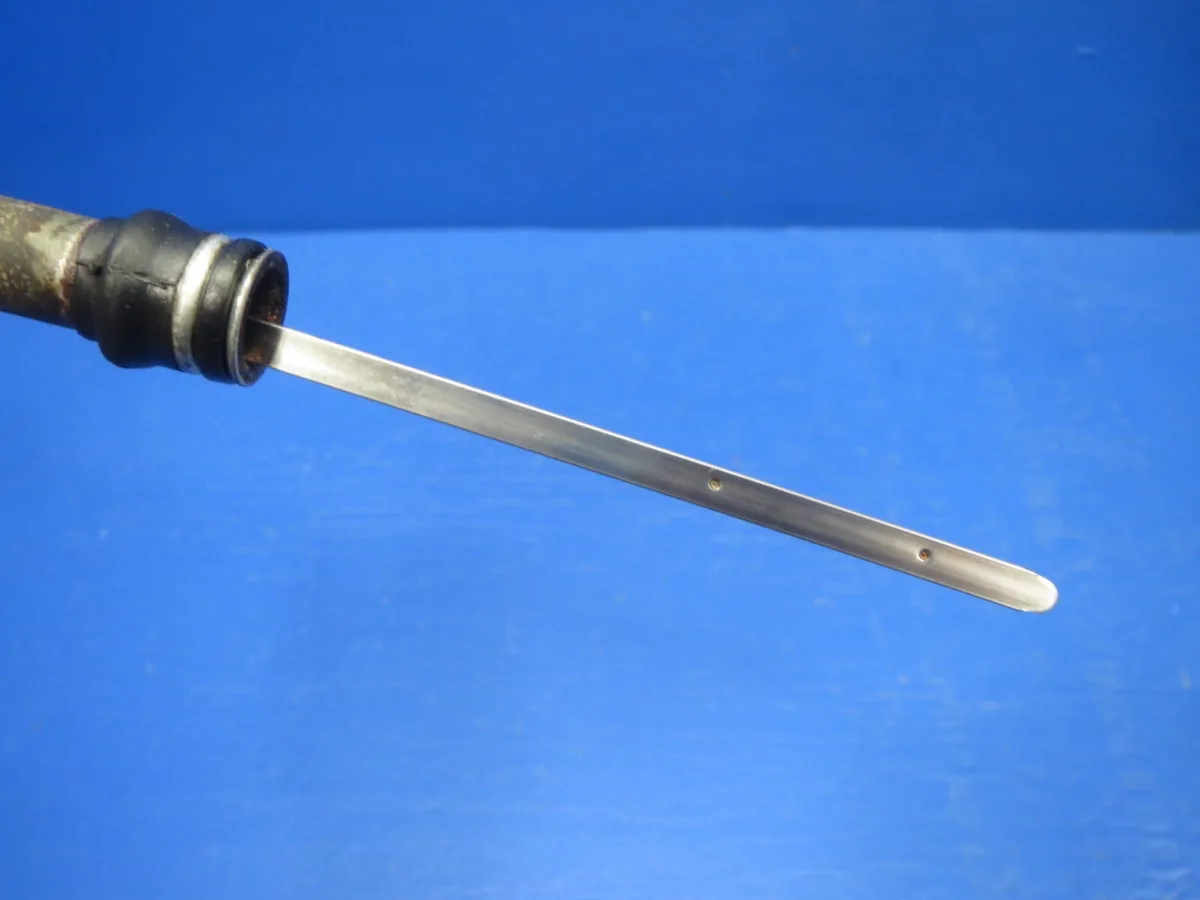
Step 5: Check the dipstick. Turn off the engine and wait 2 minutes for the oil to settle. Pull the dipstick, wipe it clean, insert it fully, and pull it out again. The oil level should be between the two marks.
If it's low, add 0.5 quarts at a time until it reaches the full mark. Don't overfill.
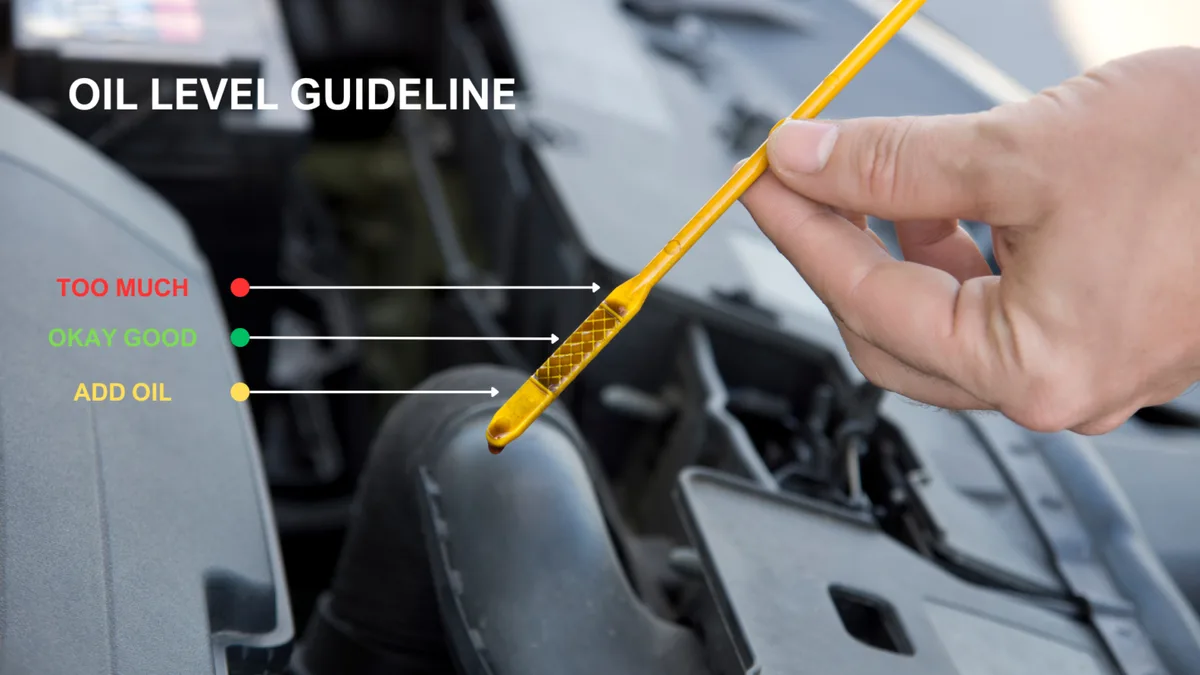
Image source: Web (Bing) / hitchesguide.com (Web image (fair-use with source credit))
Step 6: Check for leaks. With the engine running, inspect the drain plug and oil filter area for any drips. If you see oil, tighten the plug or filter slightly. If it's still leaking, you may need to replace the crush washer or the filter gasket.
The process is similar to other Toyota trucks, though the capacity differs. For example, the Toyota Highlander requires a different oil type entirely. But the same filling principles apply.
Warm it up, drain it, replace the filter, fill slowly, and check the dipstick.
Mistakes That Cost You an Engine
You can follow every step perfectly and still mess up. Here are the most common errors we see from verified buyer feedback and shop reports.
Overfilling is the big one. Adding the full capacity at once without checking the dipstick leads to an overfilled crankcase. The oil level rises above the full mark. This causes foaming, which reduces lubrication pressure.
Foam can also bypass the seals and cause leaks. Always add 80% first, check, then top off.
Underfilling is just as bad. If you guess the amount and stop too early, the oil pickup tube might not stay submerged. This leads to oil starvation, metal-on-metal contact, and eventual engine failure. The dipstick doesn't lie.
Use it.
Skipping the crush washer replacement. The drain plug uses a soft aluminum crush washer that deforms to seal. Reusing it too many times lets oil drip. A slow leak can drop the oil level dangerously low over a month.
Replace the washer every oil change.
Over-torqueing the drain plug. The specified torque is 29 ft-lbs. Going beyond that can strip the threads in the aluminum oil pan. A stripped pan requires a repair or replacement, which is expensive.
Use a torque wrench if you have one.
Forgetting to remove the old filter gasket. This is surprisingly common. The old gasket sticks to the engine block. If you install the new filter on top of it, the double gasket creates a gap.
Oil pours out under pressure, and you lose most of the oil before you notice. Always wipe the mounting surface clean.
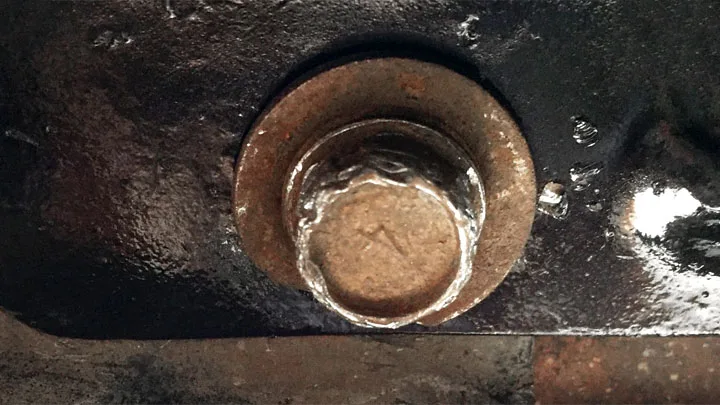
Image source: Bing (Web (fair-use with source credit))
What About the Oil Filter? (Size, Torque, and Pre-Filling)
The oil filter matters as much as the oil itself. A cheap filter can bypass unfiltered oil or collapse under pressure.
Which filter fits your Tacoma? The filter varies by engine and year, but a common OEM replacement is the Toyota 04152-YZZA1 or 04152-0V010. For the 3.5L V6, the filter is a cartridge type that sits in a housing. For the 2.7L and 4.0L, it's a spin-on canister.
Check your owner's manual or an online parts lookup for the exact part number.
Torque spec: Hand-tight plus 1/4 turn is the standard for spin-on filters. For cartridge housings, tighten to 18 ft-lbs. Over-tightening can damage the housing or crack the threads.
Should you pre-fill the filter? Some people do this to reduce dry-start time. For spin-on filters, it's fine to fill the new filter about halfway before installation. Just don't spill oil on the mounting surface.
For cartridge filters, pre-filling is harder because the filter sits upright. Instead, just fill slowly through the valve cover. That works fine for most DIYers.
Aftermarket vs. OEM: Aggregate reviews show that OEM Toyota filters are excellent. Aftermarket brands like Wix, Fram, and Bosch also get good marks.
Avoid the cheapest no-name filters. They often lack proper bypass valves and can leak.
If you're curious how oil recommendations differ across Toyota models, the Toyota Camry oil type guide shows similar specs for a completely different engine family.
How Weather and Driving Changes Things
Your Tacoma doesn't drive the same in Arizona heat as it does in Alaska winter. The oil capacity stays the same, but your oil choice and change interval should adjust.
Cold climates. If you live where temperatures drop below -20°F, 5W-30 might get too thick at startup. For the 2.7L and 4.0L engines, you can switch to 0W-30 for better cold flow. Toyota approves this as an alternative in the owner's manual.
The 3.5L already uses 0W-20, which handles cold well.
Hot climates. High ambient heat thins oil faster. If you regularly drive in 100°F+ weather or tow heavy loads, consider switching to a high-mileage or synthetic 5W-30 that has better viscosity retention. Synthetic oil handles heat better than conventional.
Dusty or off-road conditions. Fine dust can enter the crankcase through the PCV system. This contaminates the oil faster. If you do a lot of trail driving, shorten your oil change interval to 4,000 miles instead of the standard 5,000.
The air filter plays a role too. A clogged intake forces more dust past the rings, so keep it clean.
Short trips. Driving only a few miles at a time never warms the oil enough to boil off moisture and fuel dilution. This leads to sludge buildup over time. If your commute is under 5 miles, change the oil every 5,000 miles regardless of type.
When to Change It (And When Not to Trust the Light)
The oil change light in modern Tacomas is a mileage counter, not an oil quality sensor. It triggers at a preset interval, typically 5,000 miles. That's a good starting point, but not the whole story.
Conventional oil: Change every 5,000 miles or 6 months. This is the safe zone for most driving.
Synthetic oil: Many Tacoma owners stretch to 7,500 or even 10,000 miles with synthetic. Toyota's official recommendation for the 3.5L V6 is 10,000 miles if using 0W-20 full synthetic under normal driving conditions. But normal driving means highway cruising in moderate temperatures.
If you tow, off-road, or drive in stop-and-go traffic, cut that in half.
Severe service schedule. Toyota defines severe service as driving in dusty conditions, frequent short trips, extreme temperatures, or towing. Under severe service, the recommended interval drops to 5,000 miles even with synthetic. Most Tacoma owners fall into this category if they use their truck for work or recreation.
Trust the dipstick more than the light. If the oil looks dark and gritty, or the level drops between checks, change it sooner. The light is a reminder, not a command. You can reset it yourself after each change.
For reference, other Toyota models follow similar logic. The Toyota RAV4 oil type guide outlines how synthetic vs. conventional intervals differ across the lineup.
Your Decision Guide: One Cheat Sheet for Every Tacoma Owner
Let's put it all together in one simple workflow. Use this to decide exactly what to do for your specific Tacoma.
Step A: Identify your engine.
- 2005-2015 with 4.0L V6: Use 5W-30, 6.0 quarts with filter.
- 2005-2015 with 2.7L I4: Use 5W-30, 5.5 quarts with filter.
- 2016+ with 3.5L V6: Use 0W-20, 6.4 quarts with filter.
- 2016+ with 2.7L I4: Use 5W-30, 5.5 quarts with filter.
Step B: Choose your oil type.
- Normal highway driving: Synthetic is optional but nice to have.
- Towing, hauling, or hot climate: Full synthetic recommended.
- Extreme cold: Consider 0W-30 for 2.7L/4.0L.
- Short trips or dusty conditions: Stick with conventional and change at 5,000 miles.
Step C: Set your change interval.
- Conventional oil: 5,000 miles or 6 months.
- Synthetic oil, normal driving: 7,500 to 10,000 miles.
- Synthetic oil, severe service: 5,000 miles.
Step D: Use the fill process.
- Warm engine, drain oil, replace plug with new crush washer at 29 ft-lbs.
- Replace filter (hand-tight plus 1/4 turn).
- Add 80% of capacity, run engine 30 seconds, check dipstick.
- Top off to full mark. No overfilling.
- Check for leaks.
That's it. No guesswork. No forum arguments.
Just the right numbers and steps for your engine.
If you drive a different Toyota vehicle and need similar guidance, the Toyota Sienna oil type guide covers the minivan side of the family. The Toyota Highlander oil type guide follows the same pattern for a crossover. And the Toyota Matrix oil type guide is useful if you have the compact hatchback variant.
Each one uses the same decision tree approach with different engine specs.